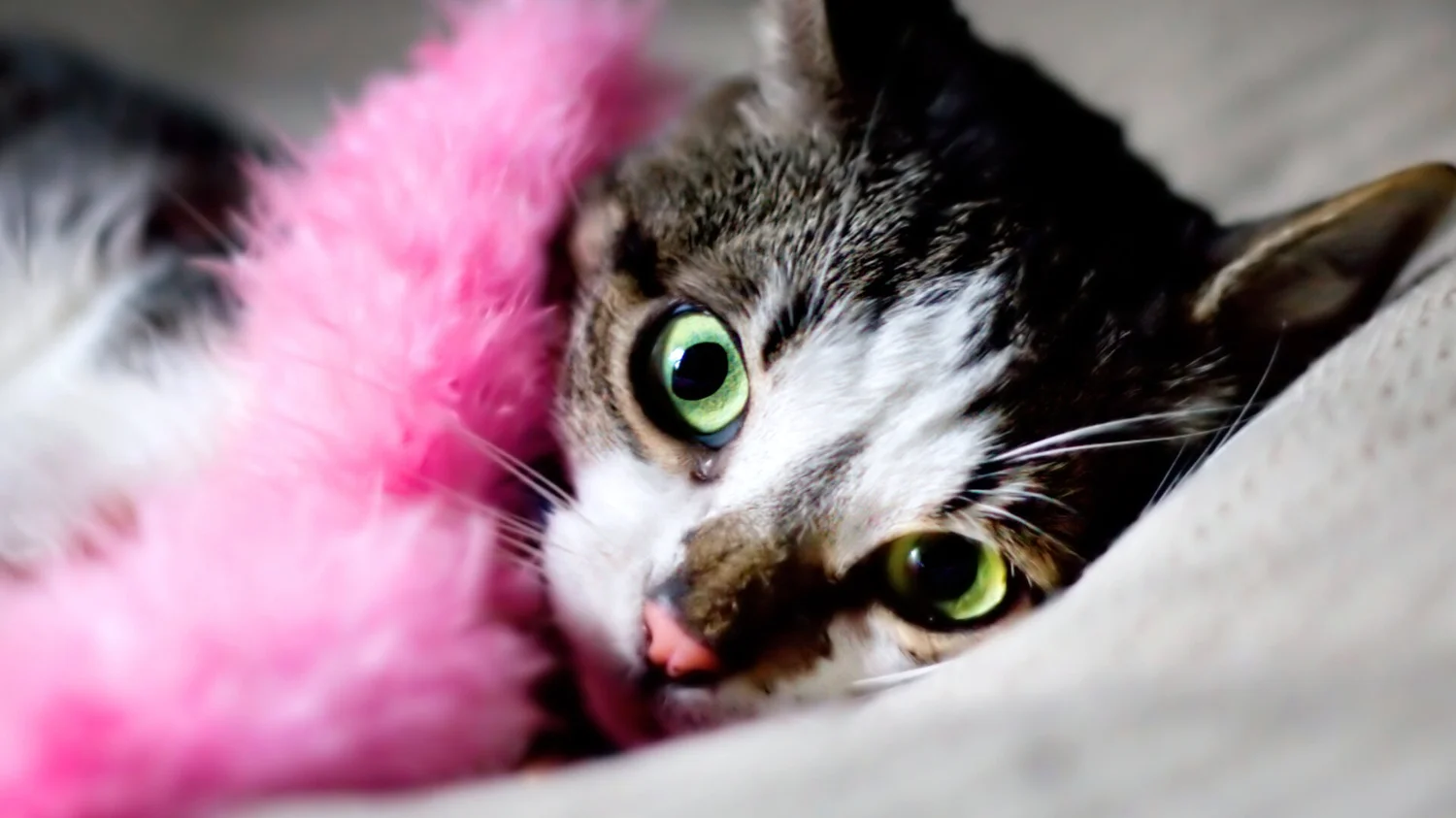
Have you ever noticed your cat guarding a toy like it’s the most precious treasure? It’s not just play—there’s something deeper happening.
You might wonder, are cats really protective of their toys? Understanding this behavior can change the way you interact with your furry friend and even strengthen your bond. Keep reading to discover why your cat treats certain toys like prized possessions and what it means for their personality and happiness.

Credit: icatcare.org
Cats And Their Toys
Cats have a special bond with their toys. Toys are not just for fun. They help cats practice hunting skills. Toys keep cats active and happy. Many cats get very attached to their favorite toys. Some even protect these toys like treasures. Understanding this behavior helps cat owners provide better care and playtime.
Why Cats Love Toys
Toys trigger a cat’s natural hunting instincts. Moving toys mimic prey animals, sparking curiosity. Chasing, pouncing, and batting feel rewarding to cats. Toys also reduce boredom and stress. They offer mental and physical exercise. Cats enjoy toys because they keep their minds sharp. Playtime strengthens the bond between cat and owner.
Types Of Toys Cats Prefer
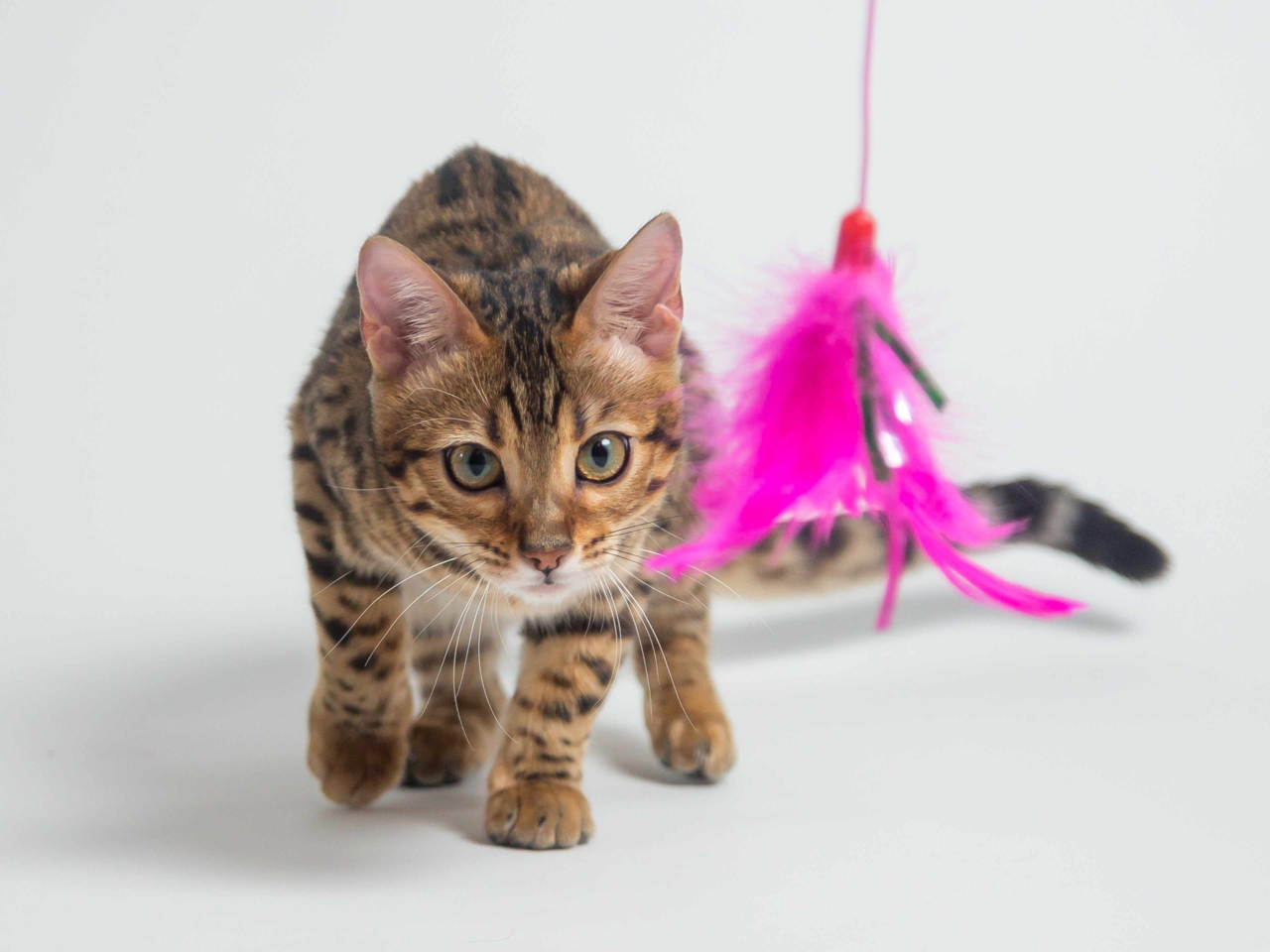
- Feather wands:Move like birds, attracting cats easily.
- Laser pointers:Light that darts quickly excites their chase reflex.
- Soft plush toys:Great for carrying or cuddling.
- Interactive puzzle toys:Challenge cats to find hidden treats.
- Balls and mice:Small, easy to bat and carry.
Each cat has unique preferences. Some like noisy toys, others prefer silent ones. Offering variety keeps cats interested and engaged.
Protective Behavior In Cats
Cats often display behaviors that might surprise you, especially when it comes to their toys. Protective behavior in cats is a clear example of how much they value their possessions. Understanding this behavior can help you better interact with your feline friend and create a more harmonious playtime experience.
Signs Of Toy Guarding
You might notice your cat sitting closely next to a toy, refusing to let others near it. They may hiss, growl, or swat if someone approaches their favorite item. Some cats carry toys in their mouths or hide them in secret spots around the house.
Watch for intense staring or stiff body language when someone comes close to their toy. These are clear signs your cat is guarding their prized possession. Recognizing these behaviors helps you respect their space and avoid unnecessary stress.
Reasons Behind Protectiveness
Cats are naturally territorial creatures, and toys can represent valuable resources. Sometimes, a toy symbolizes comfort or a successful hunting experience, making it worth guarding. Your cat might also be trying to prevent other pets from taking away something they enjoy.
Think about how your cat interacts with you and other animals. Have you noticed your cat becoming possessive over food or resting spots as well? This consistency shows that protectiveness is tied to their need for security and control.
Consider offering multiple toys or rotating them to reduce guarding behavior. Providing your cat with plenty of attention and playtime can also lessen their urge to protect specific items. How might you adjust your environment to make your cat feel safer and less possessive?
Comparing Cats To Other Pets
Cats often guard their toys more than dogs or other pets. They see toys as personal treasures and show strong attachment. This protective behavior makes cats unique in how they value their playthings.
Comparing Cats to Other Pets When it comes to understanding the behaviors of our beloved pets, it’s fascinating to compare how different animals interact with their toys. Cats are known for their playful yet mysterious nature, which often sparks the question—are they protective of their toys? Observing how cats handle their toys compared to other pets like dogs or birds can reveal unique traits and behaviors. Let’s dive into how cats stack up against other popular pets.Toy Behavior In Dogs Vs Cats
Dogs often display a more overt attachment to their toys. You might notice a dog carrying a favorite squeaky toy around the house, treating it almost like a member of the family. They often use toys as a means to bond with their humans through games of fetch or tug-of-war. In contrast, cats tend to have a more solitary relationship with their toys. A cat might bat around a toy mouse or chase a feathered wand with intense focus, but they rarely engage in shared play. Cats often exhibit a form of ‘stalking’ behavior, which can be linked to their hunting instincts.Unique Cat Traits
Cats display some fascinating traits when it comes to their toys. Unlike dogs, cats may become possessive, even hiding their favorite toys under furniture or in secret spots. This behavior can leave you wondering about the value these toys hold for them. Cats also tend to rotate their toys, showing interest in different ones at different times. This could be a reflection of their need for mental stimulation and variety. Could this imply that cats are more selective and thoughtful about their playtime? These insights can make you rethink how you engage with your feline friend. Perhaps offering a variety of toys and observing which ones they favor might provide a glimpse into their unique personality. What does your cat’s choice of toy say about them?How Environment Affects Toy Protection
The environment plays a big role in how cats protect their toys. Cats feel safe or stressed based on their surroundings. These feelings affect how much they guard their playthings. A calm setting may lead to relaxed play. A busy or tense home can make cats more protective. Understanding these factors helps in knowing why cats act certain ways with their toys.
Impact Of Multi-cat Households
In homes with many cats, toy protection is common. Cats compete for toys and space. This competition can cause them to guard toys more. Some cats become possessive over favorite items. Others may hide toys to keep them safe. The level of protection depends on how many cats live together. The more cats, the higher chance of guarding behavior.
Role Of Owner Interaction
Owners influence how cats treat their toys. Cats with regular playtime feel less need to guard. Interaction builds trust and reduces stress. Owners who share toys help cats feel safe. Ignoring toy possession can increase guarding. Positive attention encourages sharing and relaxed play. Owner involvement shapes the cat’s attitude toward toys.
Managing Toy Possessiveness
Managing toy possessiveness in cats is important for a peaceful home. Some cats guard their toys fiercely. This behavior can cause stress for other pets and family members. Understanding how to handle this helps everyone enjoy playtime.
Patience and consistent effort calm possessive cats. Setting clear boundaries and encouraging good habits improve sharing. Safe play creates a positive environment for all pets.
Encouraging Sharing
Help cats learn to share toys gently. Offer multiple toys to reduce competition. Rotate toys to keep interest high. Praise your cat when it plays without guarding. Use treats to reward calm behavior around toys. Create play sessions involving all pets. This builds trust and reduces possessiveness.
Safe Play Tips
- Supervise playtime to prevent fights.
- Separate cats during intense toy guarding.
- Provide personal space for each cat.
- Use interactive toys to engage all cats.
- Avoid forcing a cat to give up a toy.
- Offer new toys to distract possessive cats.
These tips keep playtime fun and safe. Calm interactions help cats feel secure and happy.

Credit: www.yahoo.com
Fun Facts About Cats And Toys
Cats have unique ways of interacting with their toys. Their play habits reveal much about their personalities and instincts. Understanding these behaviors helps us care better for our feline friends. Toys are not just fun; they also serve important roles in a cat’s life.
Unusual Toy Preferences
Some cats prefer odd objects over store-bought toys. Common favorites include bottle caps, pieces of paper, and even rubber bands. Their attraction often comes from the toy’s texture or movement. Quiet toys may not interest them as much as noisy or moving ones. Cats also show strong preferences for certain toy shapes and sizes. These choices can change over time as the cat grows or gets bored.
Playtime And Mental Health
Play helps cats stay mentally sharp and physically fit. It reduces stress and prevents destructive behavior. Interactive toys encourage problem-solving and curiosity. Cats that play regularly show fewer signs of anxiety. Toys simulate hunting, which satisfies natural instincts. A bored cat may act out or become withdrawn. Offering a variety of toys keeps their mind active and healthy.
Credit: petdirect.co.nz
Frequently Asked Questions
Do Cats Get Possessive Over Their Toys?
Yes, cats can be possessive about their toys. They often treat favorite toys as personal treasures and may guard them from other pets or people. This behavior stems from their natural instinct to protect valuable resources.
Why Do Cats Hide Their Toys?
Cats hide toys to create a safe stash or to play later. This behavior mimics hunting instincts, where they store prey for future meals. It also helps them feel secure and in control of their environment.
Can A Cat’s Toy Protectiveness Indicate Aggression?
Sometimes, toy protectiveness can signal mild aggression. If a cat growls or hisses when approached near toys, it may feel threatened. Monitoring and gentle training can help reduce aggressive behavior linked to toy guarding.
How Can I Prevent My Cat From Guarding Toys?
To prevent guarding, provide multiple toys and rotate them regularly. Encouraging sharing through positive reinforcement helps reduce possessiveness. Avoid taking toys directly from your cat to prevent defensive reactions.
Conclusion
Cats often show strong feelings toward their toys. They may guard or carry them around proudly. This behavior comes from their natural instincts. Toys can become special objects for cats. These items give comfort and fun at the same time.
Watching a cat protect its toy can be quite charming. It tells us about their playful and caring side. Understanding this helps owners bond better with their pets. Every cat is unique, so watch how yours reacts. Toys play a small but important role in a cat’s life.


Leave a Reply