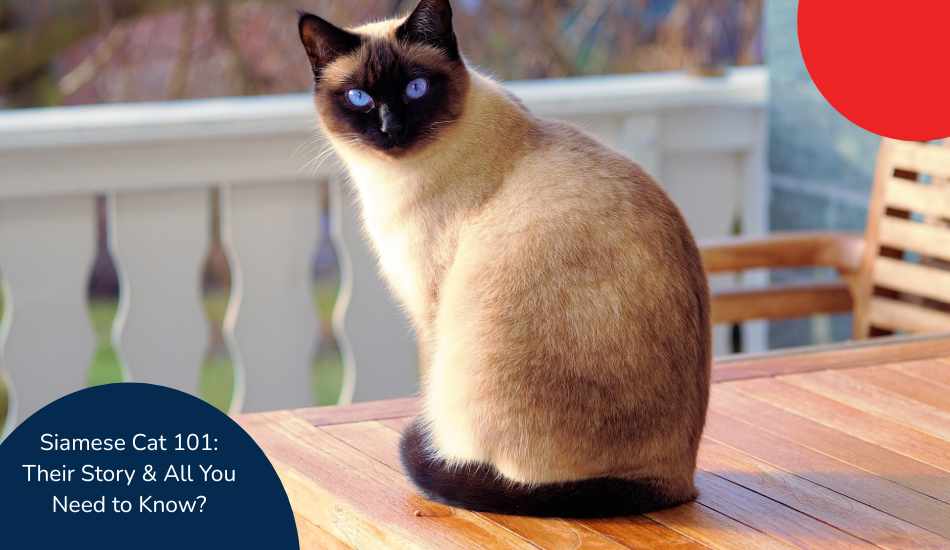
Potty training a Siamese cat might sound tricky, but it’s easier than you think. If you want a clean home and a happy cat, learning the right steps is key.
You’ll discover simple tips that make the process smooth for both you and your furry friend. Keep reading to find out how to turn your Siamese cat into a potty pro quickly and with less stress. Your home—and your cat—will thank you!

Credit: www.yahoo.com
Choosing The Right Litter Box
Choosing the right litter box plays a crucial role in potty training a Siamese cat. A proper litter box encourages your cat to use it regularly. It also makes the training process smoother and less stressful for both of you. Understanding the size, material, design, and number of litter boxes helps you pick the best option for your cat’s needs.
Size And Accessibility
Select a litter box that fits your Siamese cat comfortably. Siamese cats are medium-sized, so avoid very small boxes. The box should be large enough for your cat to turn around easily. Low sides help kittens and older cats get in and out without trouble. High sides prevent litter from scattering outside the box.
Place the box in a quiet, easy-to-reach spot. Avoid areas with loud noises or heavy foot traffic. Your cat needs privacy and calm to feel safe using the litter box.
Material And Design
Choose litter boxes made from durable, non-toxic materials. Plastic is common and easy to clean. Some cats prefer covered boxes for privacy, but others dislike the enclosed space. Observe your Siamese cat’s preference. Open boxes offer more ventilation and less odor buildup.
Designs with smooth surfaces make cleaning faster. Avoid boxes with many corners where waste can hide. A simple design encourages hygiene and daily maintenance.
Number Of Litter Boxes
Provide enough litter boxes to prevent accidents. The rule of thumb is one box per cat plus one extra. For one Siamese cat, two boxes work best. This reduces territorial issues and gives your cat options.
Place boxes in different rooms or areas. This spreads out their use and keeps your cat comfortable. Multiple boxes also help when one needs cleaning or replacement.

Credit: www.reddit.com
Selecting Suitable Litter
Choosing the right litter is key to successful potty training for your Siamese cat. The litter must feel comfortable and inviting. It should also be easy to maintain for you. A suitable litter encourages your cat to use the box regularly and reduces accidents.
Types Of Cat Litter
There are several types of cat litter available. Clumping clay litter forms solid clumps when wet, making cleaning easier. Non-clumping clay litter absorbs moisture but does not clump. Natural options include corn, wheat, and walnut-based litters, which are biodegradable. Silica gel litter absorbs moisture and controls odor well. Each type has its own texture and scent. Siamese cats may prefer softer textures due to their sensitive paws.
Scented Vs Unscented
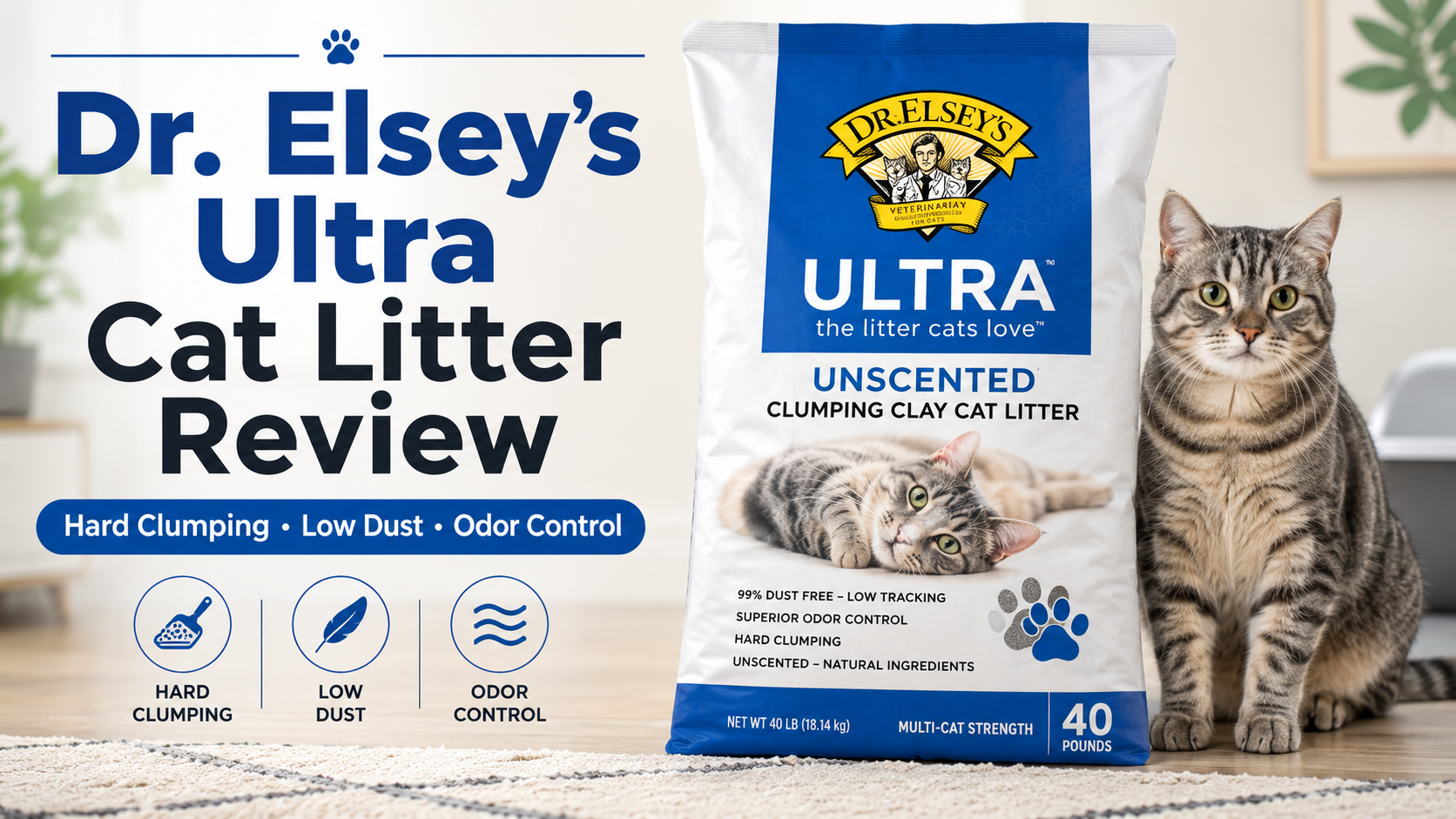
Scented litter masks odors with added fragrances. Unscented litter relies on natural absorption to control smell. Some cats dislike strong scents and avoid the litter box. Unscented litter is often better for sensitive cats. It reduces the risk of irritation and keeps the box neutral. Choose unscented litter to ensure your Siamese feels comfortable using the box.
Ease Of Cleaning
Cleaning the litter box quickly encourages regular maintenance. Clumping litter helps remove waste in solid clumps. Non-clumping litter needs full replacement more often. Choose litter that keeps odors low between cleanings. Using a scoop with fine holes helps catch waste easily. Regular cleaning keeps the box fresh and your cat happy.
Preparing The Training Area
Setting up the right environment is key before you start potty training your Siamese cat. The training area should feel inviting and stress-free for your feline friend. This helps your cat associate the spot with comfort and encourages consistent use.
Quiet And Safe Location
Choose a calm spot away from loud noises and heavy foot traffic. Cats prefer privacy when they do their business, so a quiet corner works best. I once placed the litter box near a busy hallway, and my cat avoided it for days—moving it made all the difference.
Consistent Placement
Keep the training area in the same place throughout the process. Moving the litter box around confuses your Siamese and slows progress. Think about your cat’s daily path and choose a location they visit often but feel comfortable in.
Avoiding Distractions
Limit access to toys, food bowls, or other stimulating items near the training area. Too many distractions can divert your cat’s attention and disrupt training. Have you noticed how your cat gets sidetracked by toys? Keep the potty zone simple and focused.
Introducing Your Siamese To The Litter Box
Siamese cats learn litter box use with patience and consistency. Place the box in a quiet spot and gently guide your cat to it. Praise your Siamese when they use the litter to encourage good habits.
Introducing your Siamese cat to the litter box is a significant first step in the potty training journey. This process can set the tone for your cat’s future bathroom habits, making it essential to approach it with patience and understanding. Here’s how you can make the introduction smooth and stress-free for both you and your feline friend.Encouraging Exploration
Allow your Siamese cat to explore the litter box at their own pace. Place the litter box in a quiet, accessible area and let your cat sniff around and investigate. You might notice them pawing at the litter, which is a good sign that they are getting comfortable with the texture and smell. To further encourage exploration, gently place your cat in the litter box after meals or naps. This helps them associate the box with natural bathroom times. Remember, patience is key; let them explore without pressure or hurry.Positive Reinforcement
Celebrate your cat’s successes with lots of praise and affection. When your Siamese uses the litter box, immediately reward them with a treat or verbal praise to reinforce the behavior. This creates a positive association, making them more likely to repeat the action. Avoid punishing or scolding your cat for mistakes. Instead, focus on rewarding the times they get it right. Keep treats handy, and be consistent with your positive reinforcement to build a strong habit.Handling Accidents Calmly
Accidents are part of the learning process, so it’s important to remain calm. If your Siamese cat has an accident outside the litter box, clean it up thoroughly to remove any lingering odors that might attract them back to the same spot. Reflect on possible reasons for the accident. Was the litter box too dirty, or was it in a busy area? Adjust these factors and guide your cat back to the litter box without any fuss. By maintaining a calm demeanor and focusing on solutions, you can help your Siamese cat feel secure and supported during their potty training journey.Establishing A Routine
Establishing a routine is key to potty training a Siamese cat. Cats thrive on consistency and predictability. A steady schedule helps your cat understand when and where to go. It also builds trust and reduces accidents. Start by setting clear feeding and potty times. Observe your cat’s habits closely. Adjust the routine to fit your cat’s natural rhythm. Patience and consistency lead to success.
Feeding And Potty Schedule
Feed your Siamese cat at the same times daily. Regular meals create a predictable potty pattern. Most cats need to use the litter box 15 to 30 minutes after eating. Set a feeding schedule with two or three meals a day. Take your cat to the litter box shortly after feeding. Keep the litter box clean and in a quiet place. This encourages your cat to use it consistently.
Monitoring Behavior
Watch your cat closely for signs they need to potty. Common signs include sniffing or circling. Some cats may meow or pace near the litter box. Note the time your cat usually goes. This helps you predict and guide your cat. Catching these cues early prevents accidents. Reward your cat with gentle praise after they use the box.
Adjusting As Needed
Every cat is different. Adjust your routine based on your cat’s response. If accidents happen, check feeding times and litter box location. Try changing meal times slightly to better fit your cat’s needs. Be patient and flexible. Small changes can improve your cat’s comfort and success. Keep your routine steady but open to tweaks. This balance helps your Siamese learn quickly.

Credit: www.amazon.ca
Troubleshooting Common Issues
Potty training a Siamese cat can sometimes bring challenges. These issues can make the process slower and more stressful. Knowing how to troubleshoot helps keep training on track. This section covers common problems and easy ways to fix them.
Avoiding Litter Box Aversion
Siamese cats may avoid their litter box due to discomfort or stress. Make sure the box is clean and placed in a quiet spot. Use unscented, clumping litter to keep it fresh. Avoid sudden changes in litter type or box location. Give your cat time to adjust to new setups.
Dealing With Marking Behavior
Marking is common in Siamese cats, especially males. Neutering or spaying can reduce this behavior. Clean marked areas with enzyme cleaners to remove smells. Offer plenty of toys and attention to reduce anxiety. Use pheromone sprays to calm your cat and discourage marking.
When To Consult A Vet
Persistent potty issues might signal health problems. Watch for signs like blood in urine or frequent urination. Sudden changes in behavior may need medical attention. A vet can check for infections or other concerns. Early diagnosis ensures your cat stays healthy and happy.
Maintaining Cleanliness
Keeping your Siamese cat’s potty area clean helps encourage good habits. A clean space reduces smells and keeps your cat comfortable. Cleanliness also prevents accidents outside the box. Regular care is essential for success in potty training.
Regular Cleaning Tips
Clean the litter box daily. Remove solid waste and clumps of urine. Use a scoop with small holes to catch debris. Wipe the box with warm water once a week. Avoid strong-smelling cleaners that can scare your cat.
Odor Control
Control odors with baking soda sprinkled under the litter. Change the litter often to keep smells low. Place the litter box in a well-ventilated area. Use unscented litter to avoid bothering your cat’s sensitive nose.
Replacing Litter And Boxes
Replace the litter completely every 1 to 2 weeks. Wash the box with mild soap and water. Replace the litter box if it becomes scratched or damaged. Keep the same type of litter to keep your cat familiar.
Frequently Asked Questions
How Long Does It Take To Potty Train A Siamese Cat?
Potty training a Siamese cat usually takes 1 to 3 weeks. Consistency and patience are key. Regularly reward good behavior to speed up training.
What Type Of Litter Is Best For Siamese Cats?
Siamese cats prefer unscented, clumping litter. It’s gentle on their paws and controls odor well. Avoid dusty or strongly scented litters to prevent aversion.
How Can I Prevent My Siamese Cat From Avoiding The Litter Box?
Keep the litter box clean and in a quiet location. Avoid sudden changes in litter type or box placement. Positive reinforcement encourages consistent use.
Should I Use Multiple Litter Boxes For A Siamese Cat?
Yes, having at least two litter boxes is ideal. It reduces territorial issues and ensures easy access. Place boxes in separate quiet areas.
Conclusion
Potty training a Siamese cat takes time and patience. Stay calm and consistent every day. Use positive rewards to encourage good habits. Watch your cat’s progress and adjust as needed. Remember, each cat learns at its own speed. Keep the litter box clean and in a quiet place.
Soon, your Siamese will use the potty with ease. Enjoy the bond you build through training. A happy, well-trained cat makes life better for both. Trust the process and celebrate small successes along the way.

Leave a Reply