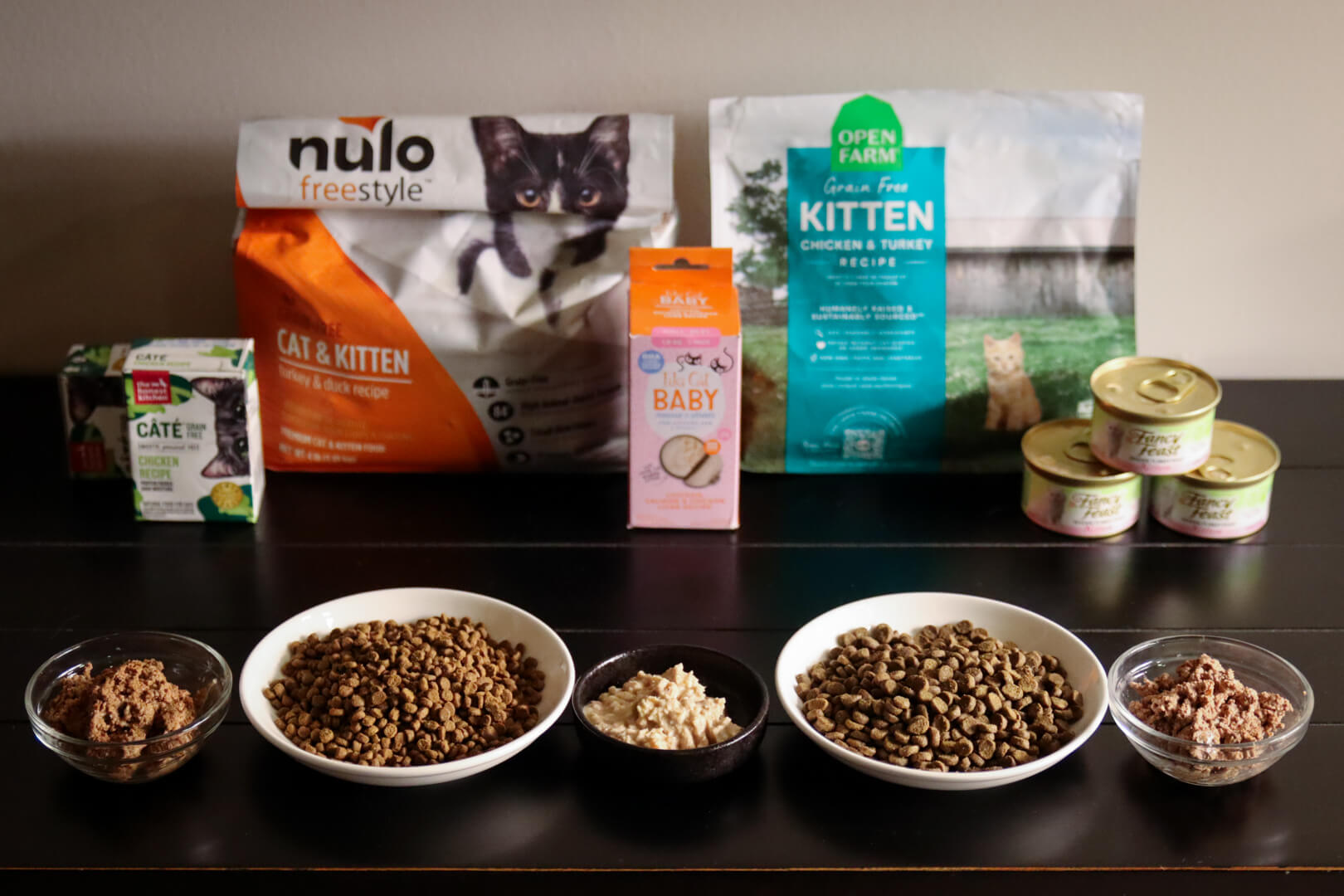
Have you ever wondered if feeding your adult cat kitten food could cause digestive problems? You want the best for your furry friend, but mixing up their diet might lead to unexpected issues.
Is kitten food hard for an adult cat to digest? Understanding this can help you keep your cat healthy and happy. Keep reading to find out what happens inside your cat’s tummy and how to make the right food choices for them.

Credit: www.amazon.ca
Kitten Food Composition
Kitten food is specially designed to meet the needs of growing cats, but what exactly sets it apart from adult cat food? Understanding the composition of kitten food can help you decide if it’s suitable for your adult cat’s digestion. Let’s break down the key differences and ingredients that play a role in how well your cat processes their meals.
Nutrient Levels Compared To Adult Food
Kitten food typically contains higher levels of protein and fat compared to adult cat food. This supports rapid growth and energy needs in kittens but might be more than what an adult cat requires daily.
For example, kitten food can have protein content ranging from 35% to 45%, while adult cat food usually contains around 25% to 35%. Fat content is also elevated, often between 15% to 20% in kitten food.
While these extra nutrients promote development in kittens, adult cats eating kitten food might gain weight or experience digestive upset due to the richer formula. Have you noticed your adult cat getting a bit rounder after switching to kitten food?
Ingredients That Affect Digestion
Kitten food often includes ingredients that are easier to digest and highly palatable to encourage eating during early stages of life. These may include simple carbohydrates, certain fats, and added vitamins.
Some kitten foods contain ingredients like rice or corn as digestible fillers, which can sometimes cause mild digestive issues in adult cats not used to them.
- Higher fat content:Supports energy but can be heavy on an adult cat’s stomach.
- Added DHA:An omega-3 fatty acid important for brain development in kittens but less critical for adults.
- Prebiotics and probiotics:Often included to support a kitten’s developing gut, which might alter digestion in adults.
Have you ever wondered if your adult cat’s tummy feels different after eating kitten food? The balance of ingredients plays a big role in this experience.
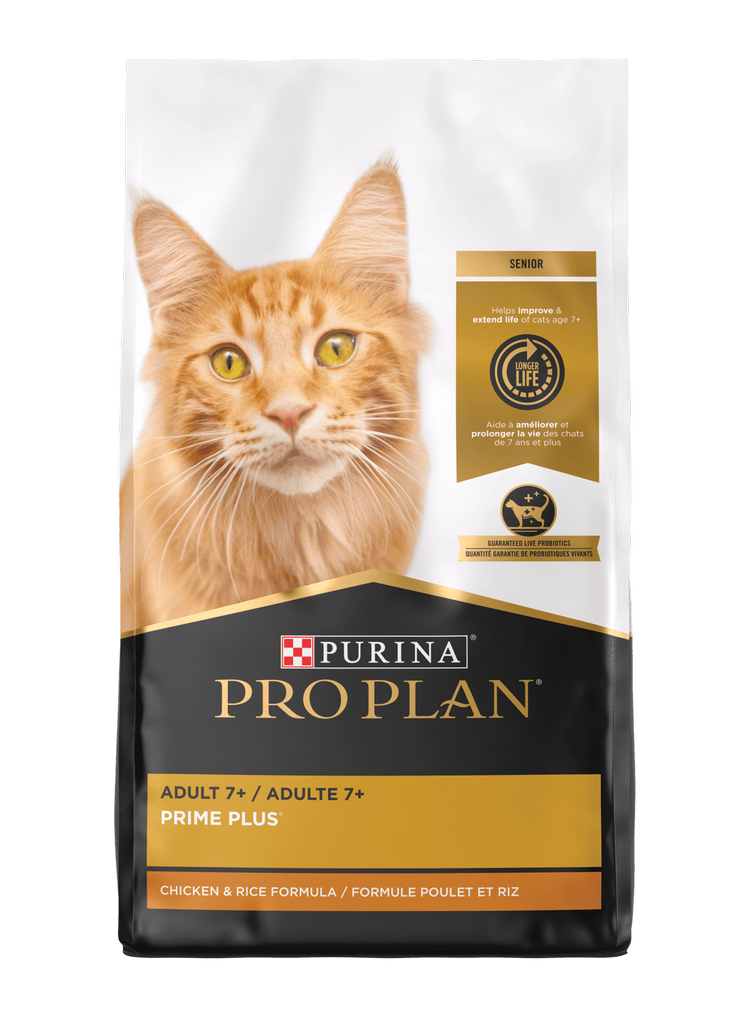
Credit: www.purina.com
Adult Cat Digestion
Understanding how an adult cat’s digestion works can help you decide if kitten food is suitable for them. Adult cats process food differently than kittens, which affects how well they digest various diets. Knowing these differences can guide you in choosing the right food for your cat’s health and comfort.
Digestive System Differences
Adult cats have a mature digestive system that is more efficient at breaking down complex nutrients compared to kittens. Their stomach acid levels and gut flora have developed to handle adult cat food formulations, which often contain different protein and fat ratios.
Kitten food is designed to support rapid growth and development, so it tends to be richer and higher in calories. This extra richness can sometimes overwhelm an adult cat’s digestive tract, leading to discomfort or digestive upset.
Have you noticed your adult cat having softer stools or digestive issues after eating kitten food? This could be a sign that their digestive system is struggling with the nutrient load intended for kittens.
Enzyme Activity And Efficiency
Enzymes play a crucial role in breaking down food into absorbable nutrients. Adult cats produce a different balance of digestive enzymes compared to kittens. This enzyme activity adapts to the type of food their bodies expect to process regularly.
Because kitten food has higher fat and protein content, it requires a greater enzyme response. Adult cats may not produce enough of these enzymes to efficiently digest kitten food, resulting in less nutrient absorption and potential gastrointestinal issues.
Think about your cat’s eating habits and digestive health—are they thriving on the current diet, or do you see signs like vomiting or gas? Adjusting enzyme support through diet could improve their digestion and overall well-being.
Potential Digestive Issues
Adult cats may face digestive challenges when eating kitten food. Kitten food is rich in nutrients designed to support rapid growth. Adult cats do not need such high nutrient levels. This difference can lead to potential digestive issues that affect their health and comfort.
Common Symptoms In Adults Eating Kitten Food
Adult cats eating kitten food can show various signs of digestive discomfort. Watch for these common symptoms:
- Diarrhea or loose stools
- Vomiting or nausea
- Excessive gas or bloating
- Changes in appetite
- Lethargy or lack of energy
These symptoms suggest the cat’s digestive system struggles with the richer kitten formula.
Long-term Health Effects
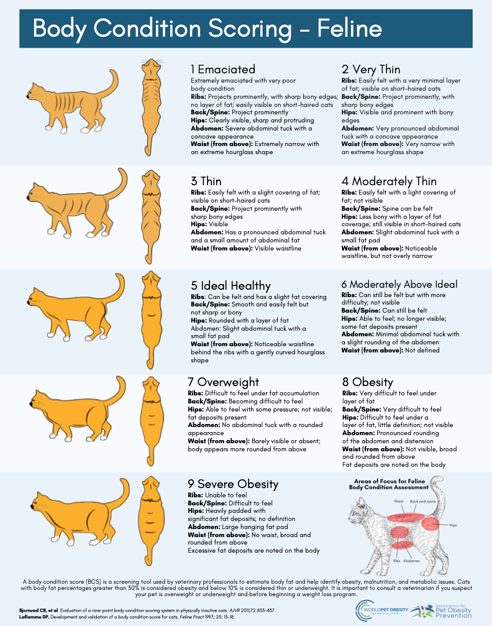
Feeding adult cats kitten food for a long time can cause health problems. Too many calories may lead to obesity. Excess fat can stress the liver and pancreas. High protein levels might overwhelm the kidneys. Nutrient imbalances can also affect heart health. Over time, these issues reduce quality of life and lifespan.
Benefits And Risks
Deciding whether to feed your adult cat kitten food involves weighing both benefits and risks. Kitten food is specially designed to support growth, which means it has more calories, proteins, and fats than adult cat food. While this can be beneficial in certain situations, it can also cause health issues if given without careful consideration.
When Kitten Food Might Be Suitable
You might wonder if kitten food can help your adult cat in specific cases. For example, if your cat is recovering from illness or surgery, the extra nutrients can support faster healing and weight gain. Older cats with poor appetite or those who are very active may also benefit from the richer formula.
Think about your cat’s current health status and energy needs. If they are underweight or have higher calorie demands, kitten food can provide the boost they need. However, this should be a temporary solution, not a permanent diet change.
Risks Of Feeding Kitten Food To Adults
Feeding kitten food to a healthy adult cat regularly can lead to problems. The high calorie and fat content may cause unwanted weight gain, which increases the risk of diabetes and joint issues. Additionally, the nutrient balance is tailored for growing kittens, not mature cats, potentially leading to nutrient imbalances over time.
Another risk is digestive upset. Kitten food’s richer ingredients can sometimes be harder for adult cats to digest, leading to stomach discomfort or diarrhea. It’s important to observe how your cat reacts and consult a vet if you notice any issues.
Are you willing to monitor your cat’s health closely if you choose to use kitten food? The key is to use it wisely, only when necessary, and always with your cat’s best interest in mind.
Veterinarian Recommendations
Adult cats can usually digest kitten food, but it may cause stomach upset due to higher fat and protein. Veterinarians suggest feeding age-appropriate food for balanced nutrition and better digestion.
Veterinarians often highlight the importance of feeding adult cats a diet that aligns with their unique nutritional needs. While kitten food is packed with calories and nutrients to support rapid growth, adult cats require a different balance to maintain health and prevent obesity. Feeding an adult cat kitten food might seem harmless, but it can lead to digestive issues and weight gain over time.Guidance On Feeding Adult Cats
The dietary needs of adult cats focus on maintaining a healthy weight and ensuring long-term well-being. Providing your feline friend with a balanced diet is crucial. Veterinarians suggest choosing cat food that is rich in protein, moderate in fat, and low in carbohydrates. Adult cats thrive on foods formulated specifically for their life stage. The right food helps prevent common health issues like obesity and diabetes. Always check the labels for nutritional information and opt for high-quality brands recommended by your vet.Alternatives To Kitten Food
If your adult cat has been nibbling on kitten food, consider transitioning them to an adult-specific formula. Start by mixing small amounts of adult cat food with the kitten food. Gradually increase the proportion of adult food over a week to help your cat adjust smoothly. Look for foods that are labeled as “complete and balanced” for adult cats. These options ensure that your cat receives all essential nutrients. Wet food can be a great alternative, offering hydration and often being easier to digest for some cats. Have you noticed changes in your cat’s weight or energy levels? It might be time to reevaluate their diet. Talk to your veterinarian for personalized recommendations to ensure your cat’s health is at its best.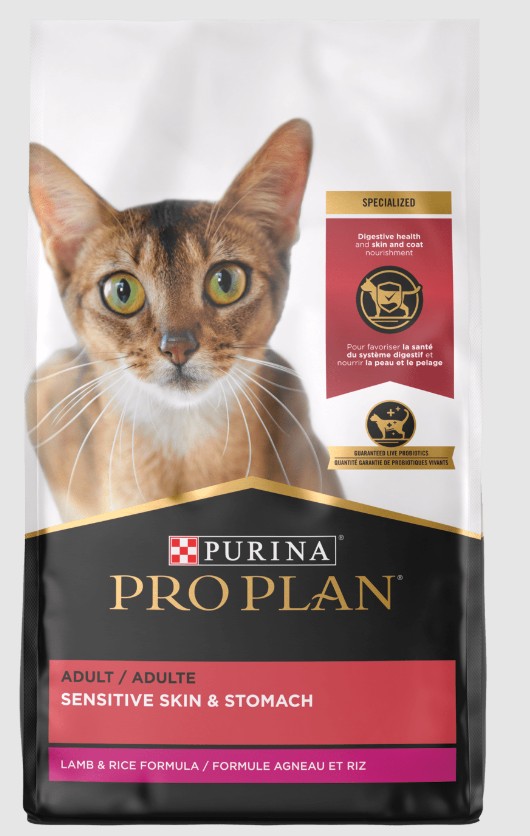
Credit: kohapet.com
Transitioning Diets
Changing your cat’s food from kitten to adult formula is a key step. The digestive system of adult cats differs from kittens. Their needs shift as they grow. Switching diets too fast can upset their stomach. A smooth transition helps avoid digestive issues and keeps cats happy and healthy.
How To Switch From Kitten To Adult Food
Start by mixing a small amount of adult food with kitten food. Gradually increase adult food over 7 to 10 days. Watch how much your cat eats and drinks. Keep fresh water available at all times. Avoid sudden changes to prevent stomach upset.
- Day 1-3: Mix 25% adult food with 75% kitten food.
- Day 4-6: Mix 50% adult food with 50% kitten food.
- Day 7-9: Mix 75% adult food with 25% kitten food.
- Day 10: Offer 100% adult food.
Signs Of Digestive Adjustment
Watch for changes in stool texture and frequency. Some cats may have mild diarrhea or constipation. Gas or slight vomiting can also happen. These signs usually last only a few days. If problems persist longer than a week, consult a vet. Pay attention to appetite and energy levels too.
Frequently Asked Questions
Is Kitten Food Suitable For Adult Cats To Eat?
Kitten food is rich in nutrients designed for growth. Adult cats may digest it, but excess calories can cause weight gain. Feeding adult cats kitten food regularly is not recommended for balanced nutrition.
Can Adult Cats Digest Kitten Food Easily?
Adult cats can digest kitten food, but it may be harder due to higher fat and protein. Their digestive systems prefer adult cat food, which suits their metabolic needs better.
What Happens If Adult Cats Eat Kitten Food Often?
If adult cats eat kitten food often, they risk obesity and nutrient imbalance. Kitten food has extra calories for growth, which can lead to health issues in adults over time.
Should I Feed My Adult Cat Kitten Food Occasionally?
Occasional feeding of kitten food to adult cats is generally safe. However, it should not replace their regular adult cat diet to ensure proper nutrient balance and avoid digestive upset.
Conclusion
Adult cats may find kitten food harder to digest due to its rich nutrients. Kitten food contains more fats and proteins to support growth. These extra nutrients can upset an adult cat’s stomach. Feeding the right food helps keep your cat healthy and happy.
Always choose food made for your cat’s age and needs. Watch your cat’s reaction when trying new food. A balanced diet supports good digestion and energy. Keep your cat’s meals simple and suitable for adults. Good digestion leads to a happier, healthier cat overall.

Leave a Reply