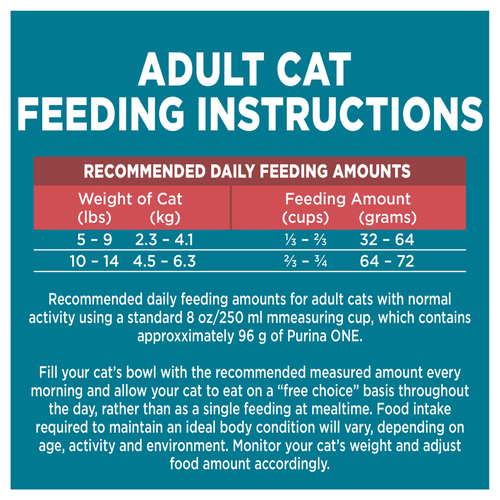
Are you wondering how much food your adult cat really needs each day? Feeding your cat the right amount is key to keeping them healthy and happy.
Too little food can leave them hungry and weak, while too much might lead to weight problems. You’ll discover simple, clear guidelines to help you find the perfect daily portion for your furry friend. Keep reading to learn how to make feeding time both easy and stress-free for you and your cat.
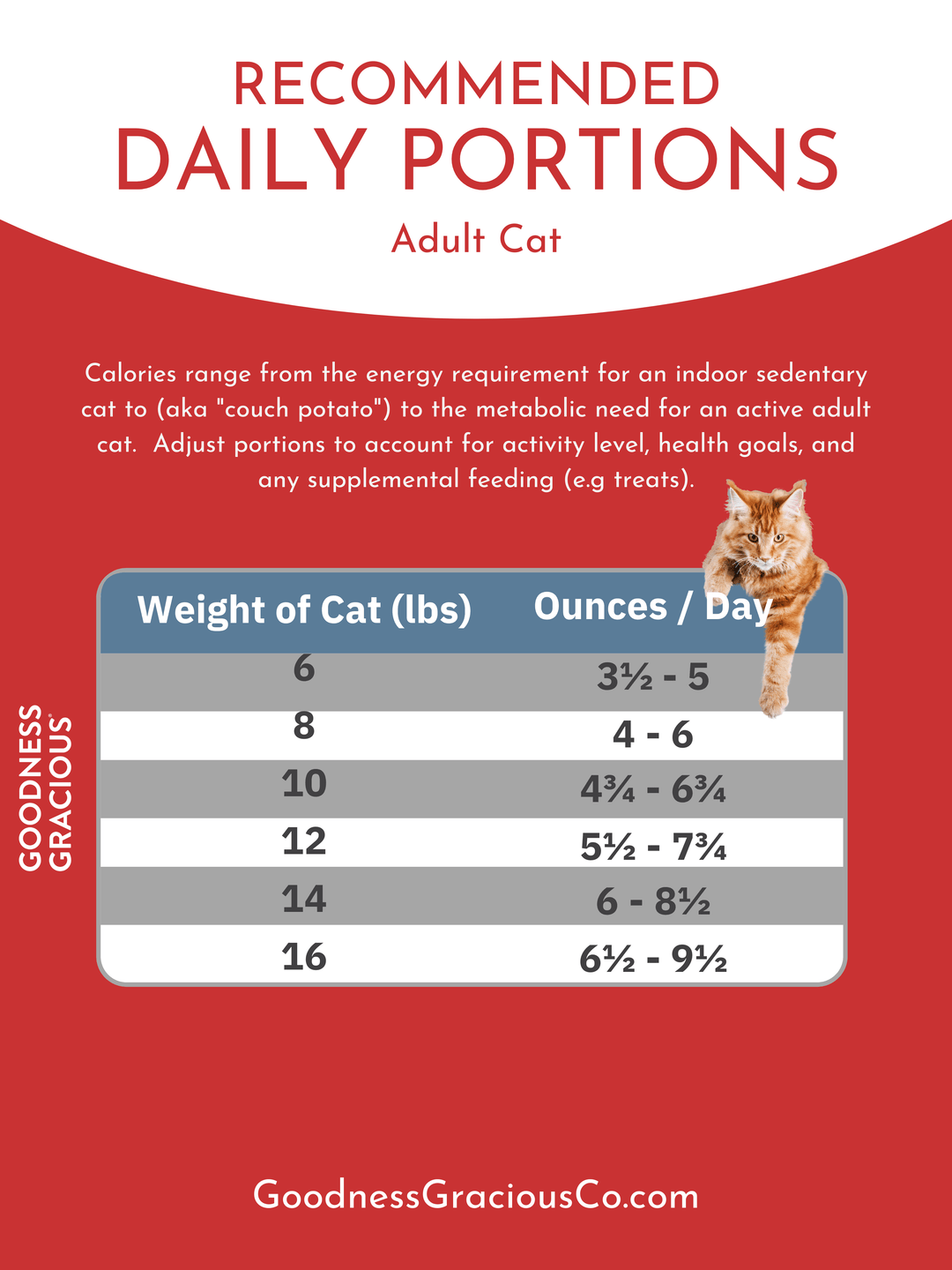
Credit: goodnessgracioustreats.com
Daily Calorie Needs
Understanding your adult cat’s daily calorie needs is crucial for maintaining their health and energy. Just like people, cats require the right amount of calories to support their lifestyle, avoid weight gain, and keep their coat shiny and muscles strong. But how do you figure out the right calorie count for your furry friend? Let’s break it down.
Factors Affecting Calorie Requirements
Not all cats burn calories the same way. Age, weight, and activity level play big roles in determining how much food your cat needs each day.
- Age:Younger cats tend to be more active and need more calories, while older cats often require fewer calories to avoid weight gain.
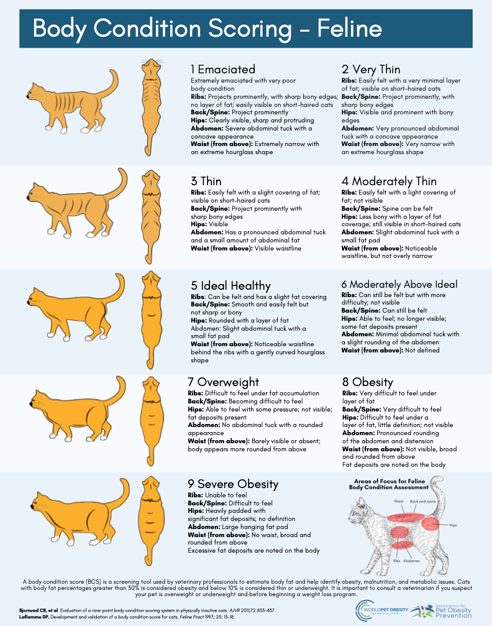
- Weight and Body Condition:Overweight cats need fewer calories than lean cats to help reduce excess fat. Underweight cats may need extra calories to regain a healthy weight.
- Activity Level:A cat that spends most of the day sleeping will need fewer calories than one that frequently plays or roams outdoors.
- Health Status:Cats with certain health conditions or those recovering from illness might need special calorie adjustments.
Think about your cat’s daily routine. Are they a couch potato or a little hunter? This simple observation helps tailor their diet better than any guesswork.
Calorie Estimates By Cat Size And Activity
Here’s a practical guideline to help you estimate daily calorie needs based on size and activity. Remember, these are starting points—you may need to adjust based on your cat’s response.
| Cat Size | Activity Level | Daily Calories Needed |
|---|---|---|
| Small (6-8 lbs) | Low (mostly indoors, less active) | 180-200 calories |
| Small (6-8 lbs) | High (active, outdoor access) | 220-260 calories |
| Medium (9-12 lbs) | Low | 200-240 calories |
| Medium (9-12 lbs) | High | 260-300 calories |
| Large (13-16 lbs) | Low | 240-280 calories |
| Large (13-16 lbs) | High | 300-350 calories |
Seeing these numbers, does your cat’s daily food intake match their calorie needs? If your cat seems sluggish or is gaining weight, it might be time to reassess their diet. Tracking calories isn’t about strict dieting—it’s about giving your cat exactly what they need to thrive.
Types Of Cat Food
Choosing the right type of food for your adult cat is essential for their health and happiness. Cats have unique dietary needs, and the variety of options can be overwhelming. Understanding the benefits and drawbacks of each type helps you make better decisions about what to feed your furry friend daily.
Dry Food Benefits And Drawbacks
Dry cat food is convenient and easy to store. It usually costs less and can be left out for cats who like to nibble throughout the day.
However, dry food often contains more carbohydrates and less moisture than wet food. This can be a concern if your cat doesn’t drink enough water, potentially leading to urinary issues.
If you choose dry food, watch your cat’s weight and hydration closely. Does your cat seem satisfied after meals, or do they keep begging for more?
Wet Food Advantages
Wet food contains high moisture, which helps keep your cat hydrated naturally. It usually has higher protein content and fewer carbs, aligning well with a cat’s carnivorous diet.
Many cats find wet food tastier, which can be helpful if your cat is a picky eater or needs encouragement to eat more. It also tends to be easier to chew, especially for older cats.
On the downside, wet food is more expensive and perishable once opened. Do you have time to serve fresh portions multiple times a day?
Raw And Homemade Diets
Raw and homemade diets allow you to control exactly what your cat eats. Fresh ingredients can provide a natural balance of nutrients and avoid fillers and preservatives.
But these diets require careful planning to ensure your cat gets all essential vitamins and minerals. There’s also a risk of bacterial contamination if not handled properly.
Have you considered consulting a vet or pet nutritionist before switching to raw or homemade meals? Your cat’s safety and nutrition should always come first.
Portion Sizes By Food Type
Adult cats need about 200-300 calories daily, depending on their size and activity. Dry, wet, and raw foods have different portion sizes to meet these needs. Feeding the right amount helps keep cats healthy and energetic.
Portion sizes for cats can vary based on food type. Cats need different nutrients from dry, wet, or mixed diets. Understanding portion sizes helps maintain your cat’s health. Let’s explore how to measure portions for each food type.Measuring Dry Food Portions
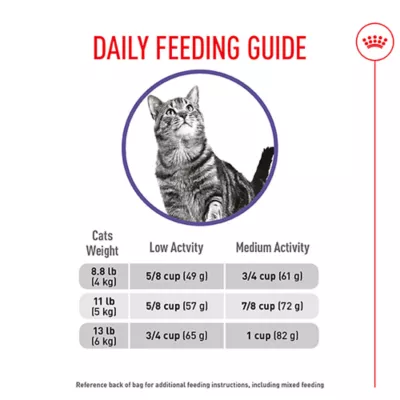
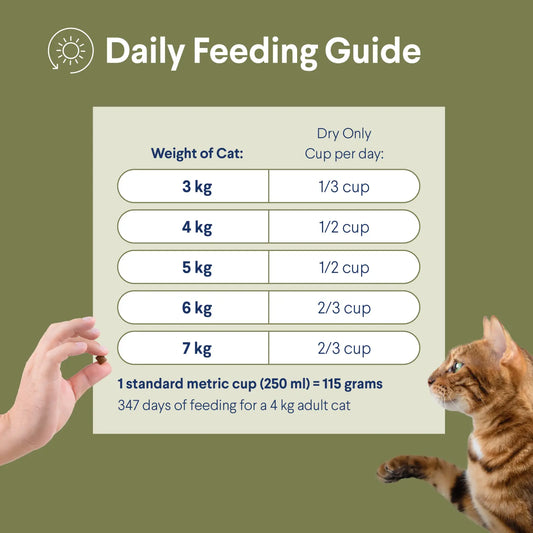
Dry food is convenient and lasts longer. Use a measuring cup for accuracy. Most dry cat foods have feeding guides on the package. These guides suggest portions based on your cat’s weight and activity. Always adjust if your cat gains or loses weight. Remember, fresh water should always be available.Serving Wet Food
Wet food is rich in moisture and flavor. It can be more filling than dry food. Most cans or pouches have feeding instructions. Typically, an adult cat may need one can per day. Divide it into two or three meals. This helps keep your cat satisfied and prevents overeating. Once opened, refrigerate unused portions.Combining Different Food Types
Mixing wet and dry food offers variety. It provides a balanced diet. Start with half the recommended portions of each type. Observe your cat’s weight and health. Adjust the portions if necessary. Ensure the total daily intake meets your cat’s nutritional needs. Always consult your vet for personalized advice.Feeding Frequency
Feeding frequency plays a crucial role in maintaining your adult cat’s health and happiness. How often you feed your cat can affect their digestion, energy levels, and even behavior. Understanding the best feeding schedule helps you provide the right balance of nutrition throughout the day.
Meal Timing Options
You can choose from several meal timing options depending on your cat’s routine and preferences. Some cats do well with two larger meals a day—one in the morning and one in the evening. This schedule mimics their natural hunting rhythm, where they eat multiple small meals in a day.
Others benefit from smaller, more frequent meals spread throughout the day, which can help prevent overeating and keep their energy steady. If your cat tends to get hungry or restless between meals, dividing their daily food into 3 or 4 portions might work better. Have you noticed how your cat behaves before mealtime? That can guide your choice.
Free Feeding Vs Scheduled Meals
Free feeding means leaving food out all day so your cat can eat whenever they want. It’s convenient but can lead to overeating and weight gain if your cat doesn’t self-regulate well. On the other hand, scheduled meals allow you to control portions and monitor your cat’s appetite closely.
If your cat tends to graze, free feeding might feel like the easiest approach. Yet, with scheduled meals, you get to engage more actively with your pet’s eating habits and notice any changes quickly. Which feeding style aligns better with your cat’s personality and your lifestyle?
Adjusting Portions
Adjusting your adult cat’s food portions is key to keeping them healthy and happy. Every cat’s needs can change over time, so staying flexible and observant is important. Small tweaks to their daily food amount can make a big difference in their weight and energy levels.
Monitoring Weight And Health
Keep a close eye on your cat’s weight by weighing them regularly or feeling their ribs under the fur. If you notice your cat gaining or losing weight unexpectedly, it’s time to adjust their portions. Always check their overall health—energy, coat condition, and digestion can tell you if the food amount is right.
Adjustments For Activity Level Changes
Has your cat started playing more or less? Activity level affects calorie needs. A more active cat may need extra food to keep up their energy, while a less active one might require smaller portions to avoid weight gain. Think about their daily routine and adjust portions accordingly to match their lifestyle.
Special Considerations For Senior Cats
Older cats often need different nutrition and portion sizes. Their metabolism slows down, and they might be less active, so feeding too much can lead to obesity. Watch for changes in appetite or weight, and consult your vet to tailor portions that support their aging body without overfeeding.
Credit: www.petsmart.com
Common Feeding Mistakes
Feeding an adult cat seems simple but often involves mistakes. These errors affect a cat’s health and happiness. Learning common feeding mistakes helps improve your cat’s diet. Watch out for overfeeding, underfeeding, and ignoring food quality.
Overfeeding Risks
Giving too much food causes weight gain. Overweight cats face health issues like diabetes and joint pain. Overfeeding also leads to less activity and shorter life span. Portion control is key. Follow feeding guidelines and adjust based on your cat’s needs.
Underfeeding Consequences
Feeding too little food causes poor health. Cats may lose muscle, energy, and shine in their coat. Underfeeding can lead to organ problems and weak immune systems. Always ensure your cat gets enough nutrients to stay strong and active.
Ignoring Food Quality
Low-quality food lacks important nutrients. Cats need protein, vitamins, and minerals for good health. Poor food can cause digestive issues and dull fur. Choose balanced, high-quality cat food. Check ingredients and avoid fillers and artificial additives.
Credit: petfood.advancepet.com.au
Frequently Asked Questions
How Much Food Does An Adult Cat Need Daily?
An adult cat typically needs about 200-300 calories per day. This equals roughly 1/2 to 3/4 cup of dry food or 5-6 ounces of wet food, depending on the cat’s size, age, and activity level.
Can Feeding Too Much Food Harm My Adult Cat?
Yes, overfeeding can lead to obesity and health problems. It’s important to measure portions and avoid free-feeding to maintain your cat’s ideal weight and overall wellness.
How Often Should I Feed An Adult Cat Daily?
Most adult cats do well with two meals per day. Feeding twice daily helps regulate their metabolism and prevents overeating, supporting healthy digestion and weight management.
Does The Type Of Food Affect Daily Portion Size?
Yes, wet food and dry food have different calorie densities. Wet food is less calorie-dense, so cats may need larger portions compared to dry food to meet their energy needs.
Conclusion
Feeding your adult cat the right amount keeps them healthy and happy. Daily food needs depend on size, age, and activity level. Watch your cat’s weight and adjust portions if needed. Fresh water must always be available. Quality food helps maintain their energy and well-being.
Small, regular meals can prevent overeating. Pay attention to your cat’s appetite and health signs. This simple care supports a long, joyful life for your furry friend.

Leave a Reply