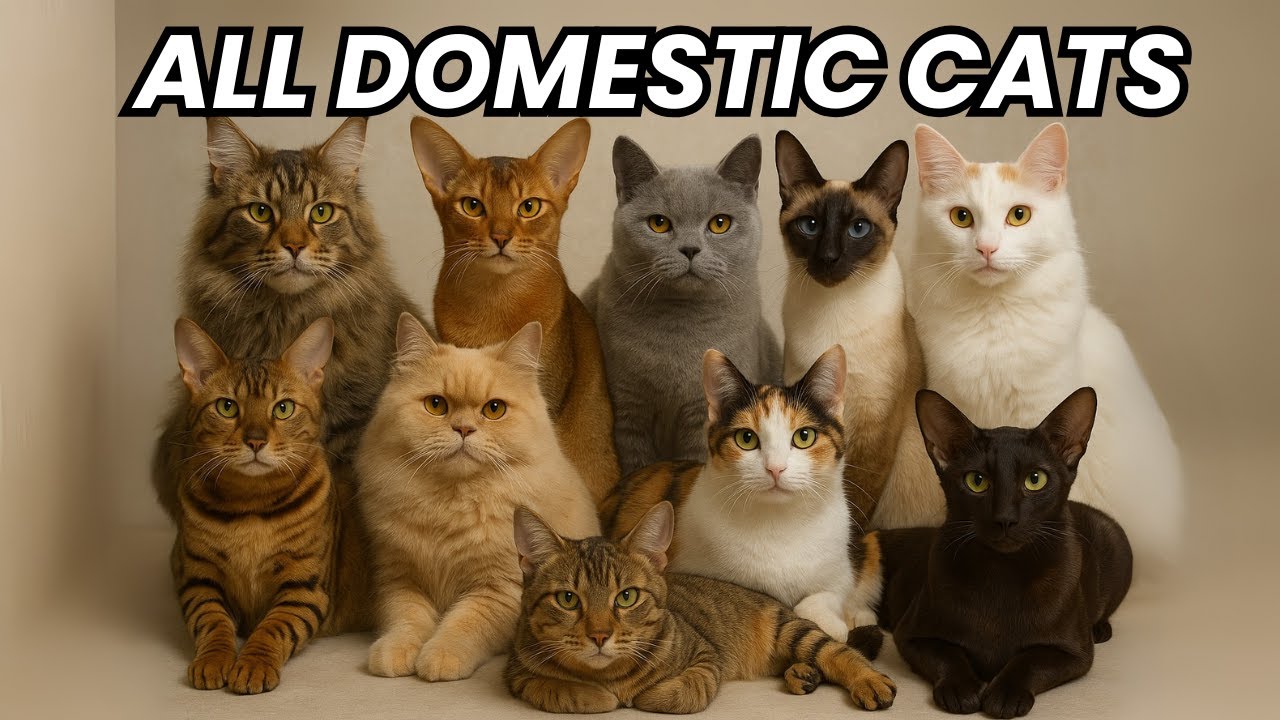
Have you ever wondered how many different breeds of domesticated cats there really are? Whether you’re a cat lover looking to add a new furry friend to your home or just curious about these fascinating creatures, knowing the variety of cat breeds can help you understand their unique personalities and care needs.
You’ll discover surprising facts about the many breeds of domesticated cats, and by the end, you’ll feel more confident about which type might be the perfect match for you. Keep reading—your next feline companion could be one breed away!
Cat Breed Categories
Cats come in a fascinating variety of breeds, and understanding how these breeds are categorized can help you appreciate their unique traits. Cat breed categories are divided based on their origins and how they were developed. Knowing these categories can guide you in choosing a cat that fits your lifestyle and personality.
Natural Breeds
Natural breeds are cats that have developed over time without human intervention. Their traits evolved naturally in specific regions, often adapting to local climates and conditions. The Maine Coon, for example, is a natural breed from the cold northeastern United States, known for its thick fur and sturdy build.
If you want a cat with a history deeply rooted in nature, natural breeds often have fewer genetic health issues due to their long evolution without selective breeding. Have you ever noticed how some cats seem perfectly suited to certain environments? That’s nature working its magic.
Hybrid Breeds
Hybrid breeds are the result of crossing domestic cats with wild species. These breeds combine exotic looks with the temperament of domestic cats. The Bengal cat, which has wild leopard-like spots, is a popular hybrid breed created by crossing domestic cats with Asian leopard cats.
Hybrid breeds often catch the eye because of their striking appearance, but they may require more attention and understanding of their unique needs. Would you feel comfortable caring for a cat with wild ancestry? It’s something to consider before welcoming one into your home.
Man-made Breeds
Man-made breeds are created through selective breeding by humans to emphasize specific traits. Breeders focus on characteristics like coat color, personality, or body shape. The Siamese cat, famous for its striking blue eyes and vocal personality, is a classic example of a man-made breed.
These breeds can be tailored to fit your preferences, but they may also come with inherited health concerns from the breeding process. When choosing a man-made breed, it’s smart to research the breed’s health and temperament carefully. What traits matter most to you in a cat?
Major Cat Breed Registries
Understanding major cat breed registries helps you grasp how many domesticated cat breeds exist worldwide. These organizations set the standards for breed recognition and maintain official records. Each registry may recognize different breeds, so their numbers can vary significantly.
The International Cat Association (tica)
TICA is one of the largest cat registries globally, known for its progressive approach to breed recognition. It currently recognizes over 70 cat breeds, including some rare and experimental ones. If you’ve ever attended a cat show, chances are you’ve seen TICA’s influence in the variety of breeds showcased.
What makes TICA unique is its openness to new breeds and its emphasis on both pedigree and household pets. This approach encourages diversity and helps you discover breeds you might not find elsewhere.
Cat Fanciers’ Association (cfa)
CFA is the oldest and most prestigious cat registry in North America, focusing on maintaining strict breed standards. It recognizes around 44 breeds, emphasizing traditional and widely accepted types. If you want to show your cat in many U.S. competitions, CFA registration is often essential.
CFA’s rigorous standards mean they carefully evaluate each breed’s characteristics before recognition. This helps preserve breed purity but might limit the introduction of new breeds. Would you prefer a registry that prioritizes tradition or one that embraces change?
Fédération Internationale Féline (fife)
FIFe operates mainly in Europe and recognizes about 50 cat breeds. It balances tradition and innovation, often serving as a bridge between different breeding philosophies. Its standards are widely respected, making it a key player in the international cat community.
If you’re interested in European cat breeds or want to participate in shows across various countries, FIFe registration is valuable. How important is international recognition to your cat’s breed status?
Number Of Recognized Breeds
Understanding the number of recognized breeds of domesticated cats can be confusing. Different organizations recognize different numbers of breeds. This recognition depends on various criteria and standards. Enthusiasts and breeders alike often explore these differences.
Global Breed Counts
The number of cat breeds varies across the world. The International Cat Association (TICA) recognizes 73 breeds. The Cat Fanciers’ Association (CFA) lists about 44 breeds. The Fédération Internationale Féline (FIFe) acknowledges 48 breeds. These organizations have their own breed standards. Each association has unique criteria for recognition.
Differences Between Registries
Registries differ in their breed acceptance criteria. Some require specific traits for a breed to be recognized. Others may not accept new breeds until they are well-established. Different registries prioritize different characteristics. This leads to varying breed counts across associations.
Some registries are more open to experimental breeds. Others focus on preserving established breeds. This affects the number of recognized breeds significantly. Understanding these differences helps cat enthusiasts appreciate the diversity.
:format(jpeg):quality(75))
Credit: manypets.com
Popular Domesticated Cat Breeds
When you think about popular domesticated cat breeds, several names immediately come to mind. These breeds have distinct looks and personalities, making them favorites in many homes. Understanding what makes each breed unique can help you decide which cat fits best with your lifestyle and personality.
Siamese
Siamese cats are known for their striking blue eyes and short, sleek coat. They are incredibly vocal and love to “talk” with their owners, creating a strong bond. If you want a cat that is social and interactive, the Siamese might be your perfect companion.
Maine Coon
The Maine Coon is one of the largest domesticated cat breeds, with tufted ears and a bushy tail. They are gentle giants, friendly and great with children or other pets. Their thick fur requires regular grooming, but their playful nature makes the effort worthwhile.
Persian
Persian cats have a luxurious long coat and a calm demeanor. They thrive in quiet, stable environments and prefer relaxing over chasing toys. If you enjoy spending time brushing and pampering your pet, a Persian will reward you with loyalty and affection.
Bengal
Bengals are famous for their leopard-like spots and energetic personalities. They need plenty of activity and mental stimulation to stay happy. Do you have room for a high-energy cat that enjoys climbing and exploring?
Sphynx
The Sphynx stands out with its hairless body and wrinkled skin. This breed is affectionate and loves warmth, often snuggling up to their owners. If you want a cat that demands attention and cuddles, the Sphynx could be your ideal pet.
Unique Traits Of Various Breeds
Domesticated cat breeds show a wide range of unique traits. These traits make each breed special and easy to recognize. From colors and patterns to personality and health, every breed offers something different. Understanding these features helps cat lovers choose the right pet for their home.
Coat Patterns And Colors
Cat breeds display many coat patterns and colors. Some have solid colors like black or white. Others show stripes, spots, or patches. The Bengal cat is famous for its leopard-like spots. The Siamese has a light body with dark points on ears, face, paws, and tail.
Coats can be short, long, or curly. The Persian has a long, thick coat. The Cornish Rex has soft, curly fur. These patterns and textures create distinct looks. They also affect grooming needs.
Personality Differences
Each cat breed has a unique personality. Some are very active and playful. The Abyssinian is curious and loves to explore. Others prefer calm and quiet environments. The British Shorthair is known for its gentle nature.
Some breeds enjoy being social and affectionate. The Ragdoll often follows owners around. Some cats prefer independence. Personality helps owners find a breed that fits their lifestyle.
Health Considerations
Different breeds face specific health issues. For example, Persians may have breathing problems due to flat faces. Maine Coons can suffer from heart disease. Knowing these risks helps owners plan care.
Regular vet visits and proper diet keep cats healthy. Some breeds need special attention to avoid common problems. Learning about health needs protects a cat’s well-being over time.
Factors Influencing Breed Popularity
Breed popularity depends on many factors beyond just looks. These influences shape which cats people choose and love. Some breeds become trendy due to media exposure or how well they fit into daily life. Others rise in popularity because they need less care or suit busy owners. Understanding these factors helps explain why certain breeds stand out.
Media And Pop Culture
Movies, TV shows, and social media often highlight specific cat breeds. Famous cats in films or viral videos draw attention to their breeds. This exposure boosts interest and demand quickly. People want pets that remind them of beloved characters or stars. Media can turn a rare breed into a popular choice overnight.
Adaptability To Lifestyle
Some breeds fit better into certain lifestyles than others. Active families may prefer playful, energetic cats. People who stay home often choose calm and affectionate breeds. Cats that adapt well to apartment life or busy schedules gain popularity. The breed’s personality and energy levels matter a lot to buyers.
Care Requirements
Low-maintenance breeds attract those with little time for grooming or health care. Cats with minimal shedding or easy grooming grow in popularity. Some breeds need special diets or vet visits, which can lower demand. Simpler care needs often lead to wider appeal and more owners choosing those breeds.
Emerging And Rare Breeds
Domesticated cats come in a dazzling variety of breeds, and among them, emerging and rare breeds offer a fascinating glimpse into ongoing feline evolution. These cats often have unique traits or histories that make them stand out. If you’re curious about the less common types, understanding these breeds can deepen your appreciation for feline diversity.
Newly Developed Breeds
New breeds often arise from intentional breeding programs or natural mutations that catch the interest of cat enthusiasts. These breeds can take years or even decades to gain official recognition.
Take the Lykoi, for example. Known as the “werewolf cat,” its unusual patchy coat and striking eyes make it unlike any other breed. It started from natural mutations found in domestic shorthairs and was carefully bred to maintain its distinct look.
Another example is the Serengeti, which was developed to resemble wild cats but with a gentle, domestic nature. Breeders crossed Bengals with Oriental Shorthairs to achieve the sleek spotted coat and long legs.
Have you ever thought about how breeders balance preserving unique traits with keeping cats healthy? It’s a tricky process that requires deep knowledge and patience.
Endangered Or Rare Breeds
Some breeds are rare because their populations are small or their origins are limited to specific regions. These breeds often face challenges from habitat loss or lack of breeding interest.
- Turkish Van:Known for its love of water and distinctive “van” color pattern, this breed remains rare outside its native Turkey.
- Kurilian Bobtail:Famous for its short, bobbed tail and strong hunting skills, it’s still uncommon worldwide despite its ancient roots.
- Peterbald:A Russian breed with a slender, hairless body that is gaining attention but remains rare globally.
Owning or supporting a rare breed can feel special, but it also means you might face challenges finding breeders or resources. Would you consider adopting a rare breed to help keep it thriving?
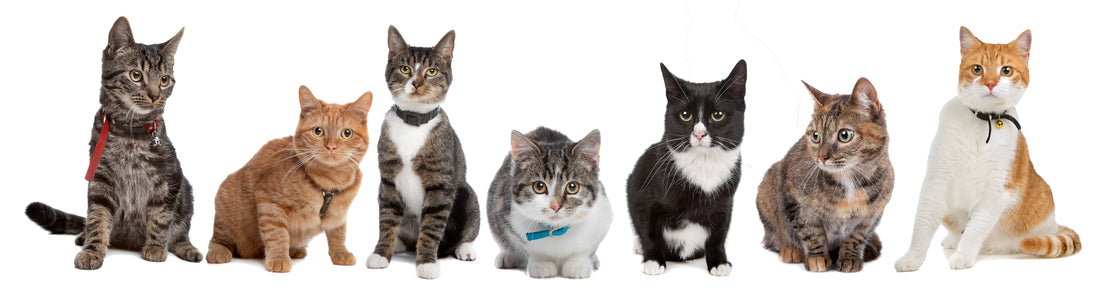
Credit: meowfia.us
Choosing The Right Breed
Choosing the right breed of domesticated cat can shape your experience as a pet owner. Each breed has unique traits that fit different lifestyles and personalities. Understanding these differences helps you find a companion that complements your daily routine and living space.
Compatibility With Owners
Think about your energy level and personality. If you enjoy calm and quiet moments, breeds like the British Shorthair or Persian might suit you well. On the other hand, if you’re active and love playful interaction, consider breeds like the Abyssinian or Bengal.
Have you noticed how your current pets respond to attention? Some cats crave constant companionship, while others are more independent. Matching your social habits with a breed’s temperament ensures a happier relationship for both of you.
Living Environment
Your home setup plays a big role in which cat breed will thrive. Apartments with limited space may be better for smaller, less active breeds such as the Scottish Fold. Larger homes with access to safe outdoor areas can accommodate more energetic breeds like the Maine Coon.
Noise levels and household members matter too. If you live with children or other pets, look for breeds known for their tolerance and friendly nature. This can prevent stress for both your cat and your family.
Allergy Considerations
Allergies can be a deal-breaker if not addressed early. Some breeds, like the Siberian or Balinese, produce fewer allergens and might cause fewer reactions. However, no breed is completely hypoallergenic, so spending time with a cat before adopting can help you gauge your sensitivity.
Have you ever wondered if your sneezing fits are cat-related? Testing your response to different breeds might surprise you. Taking this step can save you from future discomfort and ensure a healthier environment for everyone in your home.
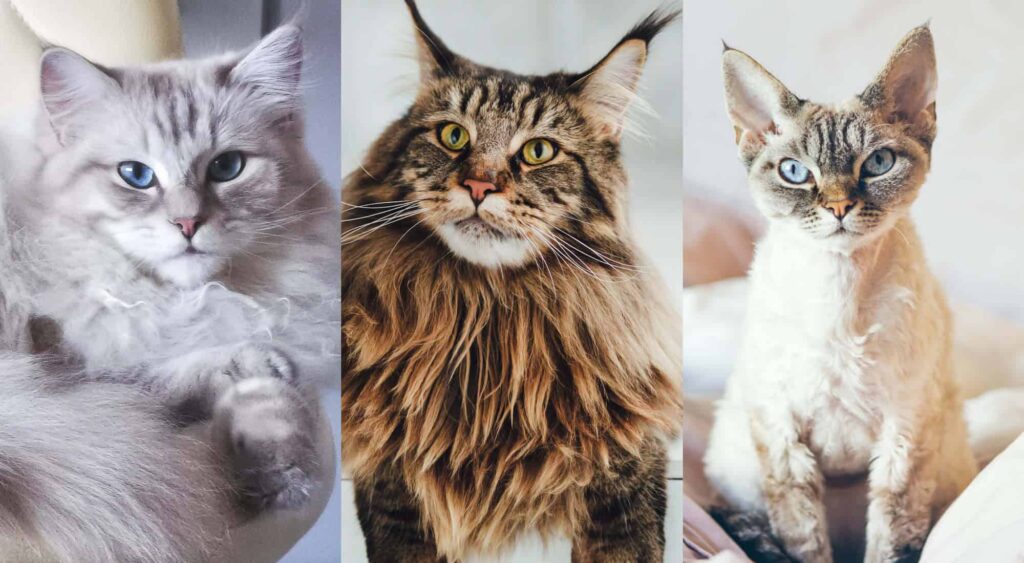
Credit: rawznaturalpetfood.com
Frequently Asked Questions
How Many Domesticated Cat Breeds Exist Worldwide?
There are about 70 recognized domesticated cat breeds globally. These breeds vary in appearance, personality, and origin. Breed recognition may differ slightly among cat associations.
What Is The Most Popular Domesticated Cat Breed?
The Persian cat is among the most popular breeds. Known for its long fur and calm nature, it is favored worldwide.
How Do Cat Breeds Differ From Each Other?
Cat breeds differ in size, coat type, color, and temperament. Each breed has unique traits shaped by history and selective breeding.
Are New Cat Breeds Still Being Developed?
Yes, new cat breeds continue to emerge. Breeders focus on unique traits and health to develop fresh, recognized breeds.
Conclusion
Domesticated cats come in many different breeds, each with unique traits. Knowing the number of breeds helps us appreciate their diversity. These cats bring joy and companionship to millions worldwide. Choosing a breed depends on your lifestyle and preferences. Remember, every cat has its own charm and personality.
Whether fluffy or short-haired, cats make great pets. Exploring breeds can be fun and informative. Enjoy the company of these wonderful animals, no matter their breed.


Leave a Reply