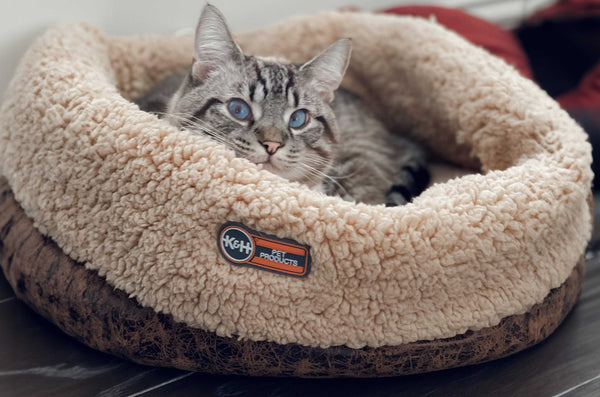
You love your cat and want to keep their toys clean and safe. But have you ever wondered, “Can I wash cat toys in the washing machine?” You might be worried about damaging the toys or making them less fun for your furry friend.
Cleaning your cat’s toys is important for their health, but it doesn’t have to be a hassle. You’ll discover simple tips and easy steps to keep those toys fresh and safe without any guesswork. Keep reading to find out the best way to clean your cat’s favorite playthings—and why it matters more than you think.
Types Of Cat Toys
Cat toys come in a variety of shapes and materials, each designed to satisfy different play styles and needs. Knowing what type of toy your cat prefers can help you decide the best way to clean them. Let’s look at the main categories of cat toys and what makes each unique.
Soft Plush Toys
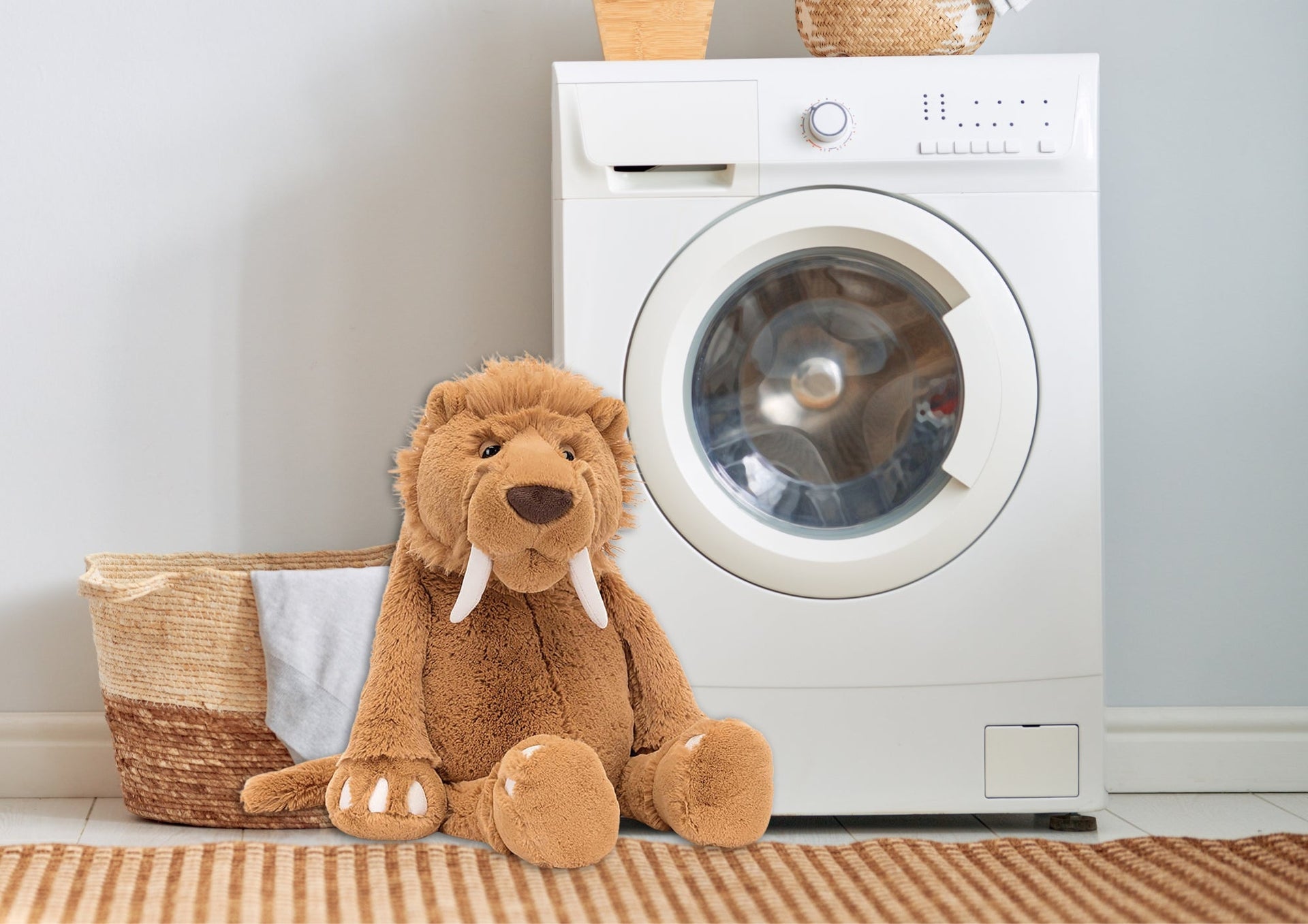
These toys are often filled with catnip or crinkly material to grab your cat’s attention. Plush toys are cuddly and can become your cat’s favorite nap companion. Because they absorb smells and dirt, they may need more frequent cleaning.
Have you noticed your cat carrying a plush toy everywhere? That’s a sign it’s become a trusted friend—and keeping it clean is important to avoid bacteria buildup.
Rubber And Plastic Toys
Rubber and plastic toys are durable and easy to clean. They come in many forms, like balls, mice, and chew toys. These materials don’t absorb odors like plush toys, so washing them is usually simpler.
However, some rubber toys can trap dirt in crevices. Using a small brush during cleaning helps reach those tricky spots and keeps the toy safe for your cat to chew on.
Interactive And Electronic Toys
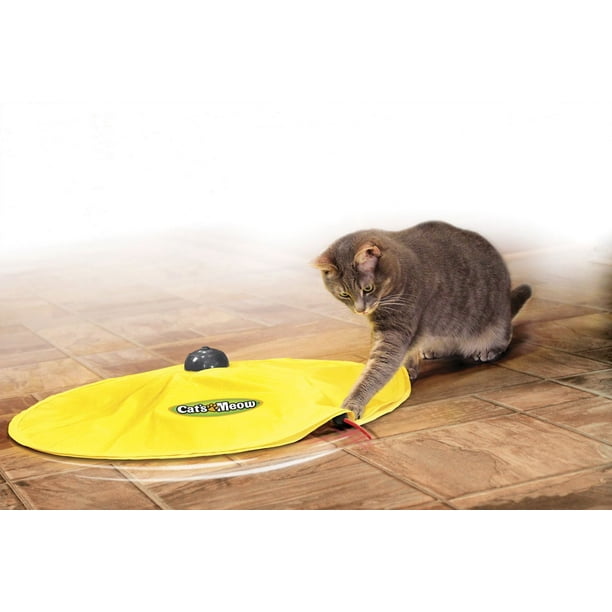
Interactive toys, like laser pointers or battery-operated mice, keep your cat engaged with movement and sounds. These toys have electronic parts that you must protect from water. Spot cleaning with a damp cloth is often best here.
Do you ever wonder if a quick machine wash might harm the electronics? It’s safer to avoid submerging these toys and focus on surface cleaning to keep them working longer.
Credit: www.walmart.ca
Safety Considerations
Cleaning cat toys is important to keep your pet healthy. Washing toys in a machine can save time. Safety must come first to avoid damage to toys or harm to your cat. Knowing what to check before washing helps protect your cat’s playthings and your washer.
Material Durability
Some cat toys have delicate materials like feathers or soft fabric. These can tear or fall apart in the washer. Toys made of plastic or rubber usually hold up better. Always check the label for washing instructions. Stronger materials can handle machine washing better than fragile ones.
Potential Hazards
Small parts on toys can break off during washing. These parts might clog the washing machine or be dangerous for your cat. Loose stuffing or squeakers can also come out and cause problems. Make sure the toy has no loose pieces before washing. Avoid toys with electronic parts or batteries in the washer.
Toy Size And Washing Machine
Large toys can unbalance the washing machine. This can cause noise or damage to the machine. Very small toys might get stuck in the washer’s drum or filter. It is best to wash small toys in a mesh bag to keep them safe. Make sure the toy fits comfortably in the machine without crowding.
Washing Machine Suitability
Ever wondered if you could toss your cat’s toys in the washing machine to save time? It’s a common question for pet owners who want to keep their feline friends’ toys clean and hygienic. But not all toys are created equal when it comes to machine washing. Understanding which toys can withstand the rigors of a washing machine can save you from accidental damage and keep your cat’s favorite playthings in tip-top shape.
Machine-washable Toys
Soft toys made from durable fabric are generally safe for the washing machine. These include plush toys and those filled with cotton or polyester stuffing. Always check for a care label to confirm if machine washing is recommended.
Using a gentle cycle with cold water can help extend the life of these toys. Placing them in a mesh laundry bag can prevent them from getting tangled or damaged. Don’t forget to use a pet-safe detergent to avoid any harmful residues that could affect your cat.
Toys To Avoid In Washer
Not all toys are suited for the washing machine. Hard plastic toys, especially those with electronic components, should never be machine washed. The water can damage the electronics, rendering the toy useless.
Toys with glued parts or those made from natural materials like leather should also be kept out of the washer. Water can weaken the glue or warp the material, leading to potential hazards for your pet. When in doubt, hand washing these toys can be a safer alternative.
Have you ever had a toy mishap in the washer? Share your experiences and what you learned in the comments below!
Preparing Toys For Washing
Before tossing your cat’s toys into the washing machine, taking a few preparation steps can save you from surprises. Proper preparation protects the toys and keeps your machine safe. It also helps maintain the toy’s shape and function, so your cat continues to enjoy them.
Remove Batteries And Electronics
Many cat toys contain batteries or small electronic parts. These should never go into the washing machine, as water can damage them and create safety hazards. Always take out batteries and remove any detachable electronic components before washing.
If you’re unsure whether a toy has electronics inside, give it a gentle shake. If you hear rattling or notice a battery compartment, it’s best to clean that toy by hand instead.
Check For Damage
Look over each toy carefully for any tears, loose threads, or broken parts. Washing a damaged toy can make the problem worse and cause stuffing or small pieces to get stuck in your machine.
Fix minor damage before washing by sewing up holes or trimming loose threads. If the toy is too worn out, consider replacing it to keep your cat safe and happy.
Use Laundry Bags
Using a laundry bag or pillowcase protects delicate toys during the wash cycle. It prevents smaller toys from disappearing inside your machine and reduces wear and tear.
Place toys in a mesh laundry bag, zip it up, and wash on a gentle cycle with mild detergent. This simple step can extend the life of your cat’s favorite playthings.
Best Washing Settings
Choosing the best washing settings for your cat’s toys is crucial to keep them clean without causing damage. The right settings protect the fabric and stuffing, ensuring the toys last longer and stay safe for your feline friend. Let’s break down the key factors you should consider to get the best results from your washing machine.
Water Temperature
Cold water is usually the safest choice for washing cat toys. It cleans effectively without shrinking or fading the fabric. Hot water might kill more germs, but it can also damage delicate materials or cause colors to run.
Think about your cat’s toys: are they stuffed with foam or fabric? Cold water helps preserve these materials better. If your pet has allergies, a warm rinse might help remove dust and dander more thoroughly, but avoid hot water unless the toy’s label says it’s safe.
Cycle Type
Use a gentle or delicate cycle to protect the toys from rough agitation. This setting reduces wear and tear and keeps the stuffing intact. Avoid heavy or bulky cycles that might twist or tear small toys.
Shorter cycles also mean less exposure to water and soap, which helps maintain the toy’s shape and texture. Have you noticed your cat’s favorite toy losing fluff after washing? A gentle cycle can prevent this issue.
Detergent Choices
Pick a mild, fragrance-free detergent to avoid irritating your cat’s sensitive nose and skin. Harsh chemicals or strong scents can turn your pet off from playing with their toys.
Look for detergents labeled as safe for babies or sensitive skin — these usually work well. You might even try using a small amount of baking soda along with detergent to boost cleaning power without adding chemicals.
Credit: sendatoy.com.au
Drying Cat Toys
Drying cat toys properly after washing is just as important as cleaning them. The way you dry these toys can affect their durability and your cat’s health. Let’s look at some effective ways to dry cat toys without causing any damage.
Air Drying Tips
Air drying is the gentlest way to dry cat toys. Lay the toys flat on a clean towel in a well-ventilated area. Avoid direct sunlight, which can fade colors and weaken fabric fibers over time.
Make sure to flip the toys occasionally to help both sides dry evenly. If you have small plush toys, stuffing them lightly with paper towels can help maintain their shape while drying. Have you noticed how some toys feel stiff after drying? Air drying keeps them soft and inviting for your cat.
Using Dryer Safely
You can use a dryer for some cat toys, but it requires caution. Always use the lowest heat setting to prevent melting or shrinking. Toss in a few clean tennis balls or dryer balls to help fluff plush toys without damaging them.
Check the toys regularly during the drying cycle to avoid overheating. Some toys have parts like bells or plastic bits that can get damaged or damage your dryer. Would you want a broken toy or a ruined dryer? That’s why supervision is key.
Avoiding Damage
Not all cat toys are built to survive machine drying. Avoid drying toys with glued-on parts, delicate fabric, or electronic components. Rough drying can cause seams to split or stuffing to clump.
If you’re unsure, test dry one toy first or stick with air drying. Your cat relies on these toys for comfort and play—keeping them intact means more fun and fewer safety risks. What’s the point of washing toys if drying ruins them?
Alternative Cleaning Methods
Cleaning cat toys keeps your pet safe and happy. Not all toys suit washing machines. Some get damaged or lose shape. Alternative cleaning methods work well for delicate or electronic toys. These methods remove dirt and germs without harsh machines. Simple steps can refresh toys quickly.
Hand Washing Techniques
Fill a basin with warm water and mild soap. Gently scrub toys using a soft cloth or brush. Focus on areas with dirt or saliva. Rinse toys thoroughly to remove soap residue. Squeeze out excess water carefully. Lay toys flat or hang them to air dry. Avoid soaking toys with electronic parts.
Disinfecting Without Washing Machine
Use pet-safe disinfectant sprays or wipes. Spray the toy lightly and let it sit for a few minutes. Wipe down with a clean cloth to remove germs. Use diluted white vinegar as a natural disinfectant. Spray vinegar solution, wait, then wipe dry. Do not use harsh chemicals that can harm cats.
Spot Cleaning
Spot cleaning targets small dirty areas on toys. Dab the stain with a damp cloth and mild soap. Rub gently in a circular motion to lift dirt. Rinse the cloth and wipe off soap. Use a dry towel to absorb moisture. Spot cleaning saves time and keeps toys fresh between full washes.
Maintaining Toy Hygiene
Keeping your cat’s toys clean is crucial for their health and happiness. Dirty toys can harbor germs, dirt, and even pests that might make your furry friend sick. Maintaining toy hygiene not only protects your cat but also extends the life of the toys you invest in.
Cleaning Frequency
How often should you clean cat toys? It depends on the type of toy and how much your cat plays with it. Soft toys that your cat cuddles with daily might need washing every one to two weeks, while hard toys can be wiped down less frequently.
Pay attention to any signs of dirt or odor. If a toy smells or looks grimy, clean it immediately. Regular cleaning helps prevent the buildup of bacteria and keeps your cat interested in their toys.
Storage Tips
Where you keep your cat’s toys affects how clean they stay. Avoid leaving toys scattered on the floor, where dust and dirt accumulate quickly. Instead, use a dedicated basket or box for storage.
Make sure the storage area is dry and away from food or litter boxes. This simple step reduces contamination and makes it easier for you to find toys when playtime starts.
Replacing Old Toys
Toys don’t last forever, especially those that get chewed or scratched frequently. Inspect your cat’s toys regularly for damage like tears, loose parts, or stuffing coming out.
Damaged toys can be a choking hazard or cause injury. If you notice wear and tear, it’s time to replace the toy. Staying proactive about replacement keeps your cat safe and engaged.
Credit: blog.adoredbeast.com
Frequently Asked Questions
Can I Wash All Types Of Cat Toys In A Washing Machine?
No, not all cat toys are machine washable. Soft fabric toys usually are, but avoid washing toys with electronic parts or stuffing that may clump.
What Washing Cycle Is Best For Cleaning Cat Toys?
Use a gentle or delicate cycle with cold water. This protects the toys and prevents damage during the wash.
Should I Use Detergent When Washing Cat Toys?
Yes, use a mild, pet-safe detergent. Avoid harsh chemicals or strong fragrances that could irritate your cat.
How Often Should I Wash My Cat’s Toys?
Wash cat toys every two weeks or when visibly dirty. Regular cleaning keeps toys safe and free from germs.
Conclusion
Washing cat toys in the machine can keep them clean and safe. Check the toy’s label for washing instructions first. Use a gentle cycle and mild detergent to avoid damage. Avoid washing toys with batteries or electronic parts. Air dry toys to keep their shape and quality.
Clean toys regularly to protect your cat’s health. Clean toys mean happy and healthy pets. Simple steps help keep your cat’s playtime safe.

Leave a Reply