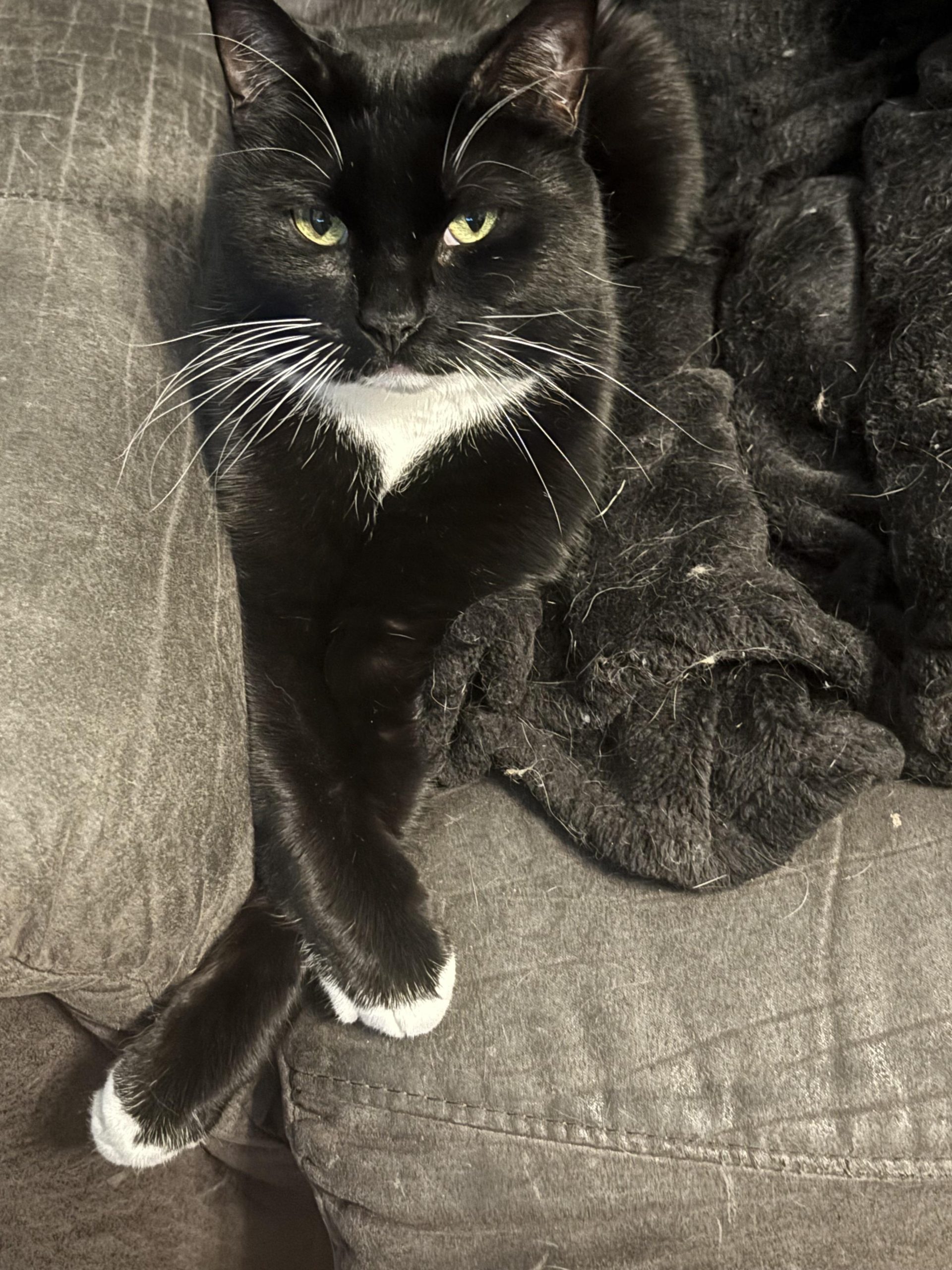
Have you ever watched your cats grooming each other, only to see one suddenly bite the other? It can be confusing and even a little worrying.
Why does your cat bite your other cat during what should be a calm, caring moment? Understanding this behavior can help you keep peace in your furry family and make sure both cats feel safe and happy. Keep reading to discover the surprising reasons behind this biting and what you can do about it.
Cat Grooming Behavior
Cats use grooming as a key way to communicate and care for each other. This behavior goes beyond just cleaning. It helps build relationships and establish trust among cats. Sometimes, grooming can lead to biting. Understanding why cats bite during grooming helps owners manage their pets better.
Purpose Of Grooming
Grooming keeps cats clean and healthy. Cats lick to remove dirt and loose fur. It also helps control parasites like fleas. Grooming spreads natural oils on their fur. This keeps their coat soft and shiny.
Grooming is calming for cats. It lowers stress and creates comfort. Cats often groom themselves to relax. Grooming another cat can have the same soothing effect.
Social Bonding Through Grooming
Cats groom each other to build strong social bonds. This behavior is called allogrooming. It shows friendship and trust between cats. Grooming helps cats feel safe and connected.
When cats groom each other, they share their scent. This scent marks them as part of the same group. Grooming strengthens their social structure and reduces conflict.
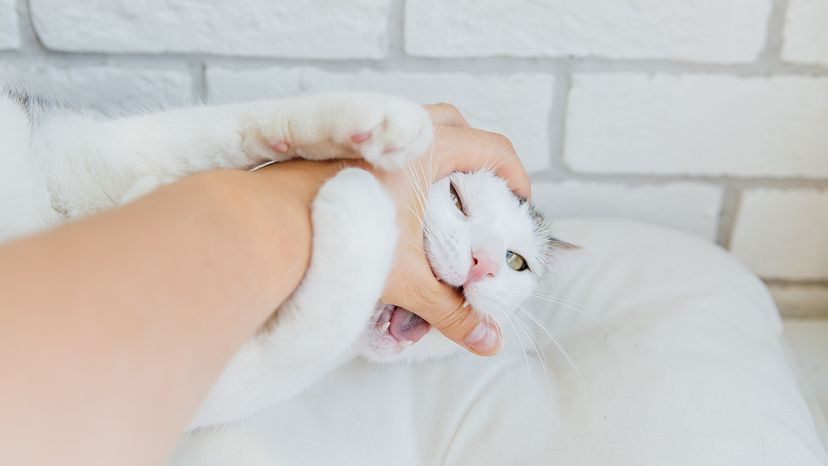
Sometimes a cat may bite during grooming to communicate. It could mean the grooming is too rough or unwanted. Biting can also be a way to set limits while still maintaining the bond.

Credit: www.reddit.com
Reasons For Biting During Grooming
Cats biting each other during grooming can puzzle many pet owners. Understanding the reasons behind this behavior helps you address it effectively and maintain harmony between your cats. It’s not always about aggression; sometimes, it’s a mix of communication and sensory triggers.
Overstimulation And Sensory Overload
Cats have sensitive skin, and grooming involves a lot of tactile stimulation. What starts as a gentle lick can quickly become too intense, causing your cat to bite as a way to say “enough.”
Have you noticed your cat suddenly biting after a few minutes of grooming? This often happens because their nerves get overstimulated. Watching their body language closely can help you spot the signs before biting occurs.
Communication And Boundaries
Cats use biting to communicate limits during grooming sessions. A quick nip might be their way of telling the other cat to slow down or stop in a particular area.
This behavior is a natural way for cats to set boundaries without escalating into a fight. If your cats are biting but still grooming each other afterward, it’s likely a form of communication rather than hostility.
Playful Vs Aggressive Biting
Not all bites have the same meaning. Playful bites tend to be gentle and brief, often accompanied by other playful behaviors like pouncing or chasing.
Aggressive biting is sharper and may come with growling or hissing. Observing the context and body language around the bite can help you understand if your cats are just playing or if there’s a deeper issue to address.
Factors Influencing Grooming Bites
Cats may bite during grooming due to overstimulation or discomfort. Sometimes, biting shows dominance or sets personal boundaries between cats. Understanding their body language helps prevent these bites.
Understanding the factors influencing grooming bites between your cats can help you address this behavior effectively. Cats often groom each other as a sign of affection and bonding. However, sometimes this can lead to unexpected nips or bites. Let’s explore some key factors that might be causing this behavior.Individual Cat Personalities
Just like people, every cat has a unique personality. Some cats are naturally more dominant and assertive. When grooming, these dominant cats may use biting as a way to assert their authority or establish boundaries. On the other hand, more submissive cats might tolerate these bites as a part of their social interaction. Have you noticed if one of your cats often takes the lead in other activities, like choosing sleeping spots or initiating playtime? This could be a clue that their personality is influencing their grooming style. Understanding your cats’ personalities can help you manage their interactions more effectively.Health Issues And Discomfort
Sometimes, grooming bites can be a reaction to discomfort or health issues. If a cat has a sore spot or skin irritation, they might react with a bite when another cat touches that area. Regular veterinary check-ups can help identify any underlying health problems that might be affecting your cat’s behavior. It’s important to observe if your cat reacts differently when touched in specific areas. This can be an indicator of physical discomfort. Addressing health issues promptly can prevent grooming interactions from turning into aggressive encounters.Environmental Stressors
Changes in the environment can also contribute to grooming bites. Cats are sensitive creatures, and even small changes can cause stress. This stress can manifest during grooming sessions, leading to unexpected bites. Consider any recent changes in your home, such as new pets, moving furniture, or changes in your routine. These factors can increase stress levels in your cats, affecting how they interact with each other. Creating a stable environment with plenty of resources like toys, scratching posts, and personal space can help reduce stress and improve their relationship.How To Manage Grooming Bites
Managing grooming bites between your cats requires patience and keen observation. Understanding the reasons behind the biting is essential before you step in to redirect the behavior. Let’s look at practical ways you can ease this tension and keep grooming time peaceful for both cats.
Observing And Reading Cat Body Language
Watch your cats closely during grooming sessions. Signs like flattened ears, twitching tails, or sudden stiffening can signal irritation or overstimulation. Recognizing these early cues helps you intervene before a bite happens.
Have you noticed your cat’s pupils dilating or the fur along their back standing up? These subtle hints often mean your cat is reaching its limit. By tuning into these signals, you can better time your intervention or offer a break.
Providing Safe Spaces
Each cat should have a personal retreat where they feel secure and can escape if things get too intense. This might be a cozy bed, a high perch, or a quiet room. Safe spaces reduce stress and give your cats control over their social interactions.
Consider setting up multiple hideouts to avoid territorial disputes. Your cats will appreciate having their own territory, especially if one is more dominant during grooming. Have you thought about how your home layout influences your cats’ comfort?
Redirecting And Interrupting Biting Behavior
If biting occurs, calmly interrupt the behavior with a gentle noise or by offering a toy. Avoid yelling or punishing, as this can increase anxiety and worsen aggression. Instead, guide your cats’ attention to something positive.
Try engaging them in play after a grooming session to help release any built-up energy. Using interactive toys or treats can shift their focus away from biting. Could redirecting their energy be the key to smoother grooming times?
When To Seek Veterinary Advice
Knowing when to seek veterinary advice is crucial if your cat suddenly starts biting the other cat during grooming. This behavior might signal underlying health issues or discomfort that needs professional attention. Paying close attention to certain signs can help you decide when a vet visit is necessary.
Signs Of Pain Or Illness
If your cat bites while grooming, watch closely for signs that suggest pain or illness. Look for physical symptoms like swelling, redness, or wounds on the groomed cat’s skin. Changes in appetite, limping, or excessive hiding can also indicate that one of your cats is feeling unwell.
Notice if your cat’s grooming becomes rougher or more aggressive suddenly. This might mean they are in discomfort or trying to protect a painful spot on the other cat. Have you seen your cats avoiding each other’s company after grooming sessions? That’s a strong signal something could be wrong.
Behavioral Changes To Watch For
Changes in how your cats interact can reveal stress or health problems. If your usually social cats grow more aggressive, irritable, or fearful, it’s time to pay attention. Your cat might also start grooming themselves excessively or neglect their hygiene altogether.
Watch for new vocalizations like hissing or growling during grooming, which weren’t there before. These shifts in behavior often mean your cats are uncomfortable or in pain. How often do you observe your cats’ interactions? Regular monitoring helps catch issues early and avoid escalation.

Credit: www.reddit.com
Credit: animals.howstuffworks.com
Frequently Asked Questions
Why Do Cats Bite During Grooming Sessions?
Cats may bite while grooming to set boundaries or express overstimulation. It’s their way of communicating discomfort or irritation during close contact.
Is Biting A Sign Of Aggression Between Cats?
Not always. Biting during grooming can be playful or a mild warning, not necessarily aggressive behavior. Context and body language matter.
How Can I Stop My Cat From Biting Others?
Distract with toys or gently separate them when biting starts. Positive reinforcement for calm behavior helps reduce biting over time.
Does Biting Mean One Cat Dislikes The Other?
Biting can indicate discomfort, but not always dislike. It’s often a communication method to signal “enough” during grooming.
Conclusion
Cats may bite during grooming to show dominance or set boundaries. This behavior is normal but should not hurt the other cat. Watch their body language closely to understand their feelings. Provide each cat with space and attention to reduce tension.
If biting becomes too rough, gently separate them. Patience and care help build a peaceful home for your cats. Observing and managing their interactions keeps them happy and safe. Small actions make a big difference in their relationship.


Leave a Reply