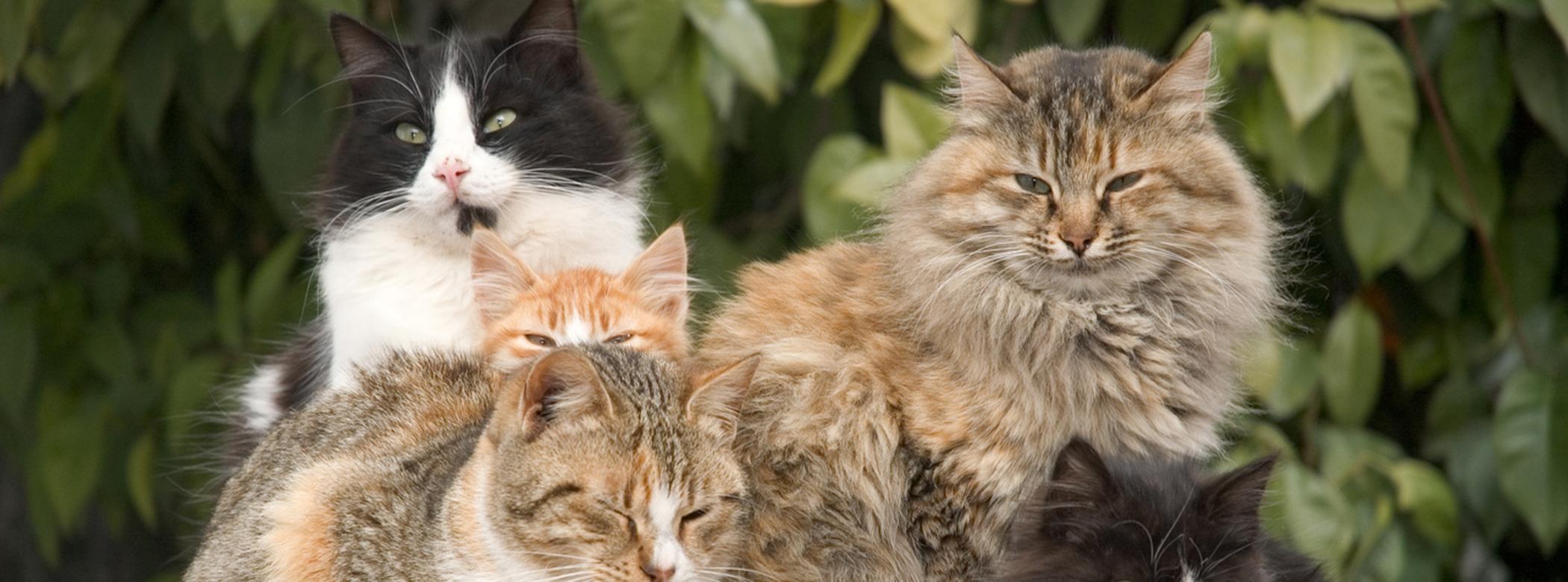
Have you ever wondered which cats are truly giants in the feline world? If you’re curious about the largest breeds of cats, you’re in the right place.
Knowing about these big cats isn’t just interesting—it could change how you think about your own pet or inspire you to meet one of these gentle giants. Keep reading, and you’ll discover surprising facts that will make you see cats in a whole new light.
Ready to find out which breeds stand out by size and personality? Let’s dive in!
Giant Cat Breeds At A Glance
Giant cat breeds attract attention with their impressive size and gentle nature. These cats are much larger than the average housecat. They have strong muscles, broad bodies, and thick fur. Their size does not make them less playful or affectionate. Many of these breeds enjoy human company and adapt well to home life.
Understanding the largest cat breeds helps cat lovers choose the right pet. Each giant breed has unique traits and care needs. Here is a quick look at some of the most popular giant cat breeds.
Maine Coon
The Maine Coon is one of the largest domestic cat breeds. Males can weigh up to 18 pounds or more. They have long, thick fur and tufted ears. Maine Coons are friendly, intelligent, and good with families.
Siberian Cat
Siberian cats come from Russia and have a strong build. Their dense triple coat protects them in cold weather. These cats weigh between 15 and 20 pounds. They are playful, loyal, and adapt well to indoor living.
Norwegian Forest Cat
This breed is famous for its rugged look and large size. Males may weigh 16 pounds or more. Their thick fur keeps them warm in snowy climates. They are independent but enjoy human interaction.
Ragdoll
Ragdolls are large, calm cats that often weigh 15 to 20 pounds. They have striking blue eyes and silky coats. These cats are gentle and love to be held. They get their name from their relaxed body when picked up.
Savannah Cat
Savannah cats are tall and lean with long legs. They can weigh between 12 and 25 pounds depending on generation. This breed is very active and curious. They need plenty of playtime and mental stimulation.
Maine Coon: The Gentle Giant
The Maine Coon stands out as one of the largest and most lovable cat breeds. Known as the “Gentle Giant,” this breed combines impressive size with a friendly and calm nature. If you want a cat that feels like a big, fluffy companion, the Maine Coon might be the perfect match for you.
Physical Traits
Maine Coons are massive compared to most cats. Adult males can weigh between 13 to 18 pounds, while females usually range from 8 to 12 pounds. They have long, tufted ears and bushy tails, which add to their majestic appearance.
Their thick, water-resistant fur helps them handle cold weather. You might notice their fur varies in color and pattern, from solid shades to tabby stripes. Their large paws act like snowshoes, making them agile even on snowy surfaces.
Temperament And Behavior
Maine Coons are known for their calm and gentle temperament. They love human company and often follow their owners around the house. Unlike some cats, they rarely act aggressive or shy away from interaction.
These cats are also quite playful and intelligent. They enjoy puzzle toys and can even learn simple tricks with patience. Have you noticed how your Maine Coon seems to understand your mood? Their social nature makes them great family pets.
Care And Maintenance
Despite their thick fur, Maine Coons don’t require excessive grooming. Brushing them two to three times a week usually prevents mats and tangles. Regular grooming also reduces shedding around your home.
Pay attention to their diet since their large size demands balanced nutrition. Also, provide space for exercise to keep their muscles strong. Do you have enough room for an active, big cat in your living space?
Savannah Cat: The Wild Beauty
Savannah cats are among the largest cat breeds, known for their striking wild appearance. They boast a unique blend of domestic and exotic traits, captivating many with their tall, slender bodies and distinctive spotted coats. These cats bring a touch of the wild into homes, offering a unique pet experience.
The Savannah Cat is a striking breed. It captures attention with its wild beauty. Known for its exotic appearance, it stands out among domestic cats. This breed is a mix of a domestic cat and a serval. Its wild ancestry gives it a unique look and personality.Origins And Breeding
The Savannah Cat originated in the 1980s. Breeders crossed domestic cats with African servals. This crossbreeding aimed to create a cat with wild looks but domestic traits. The breed is recognized for its large size and striking coat patterns. Breeding requires careful planning to maintain these characteristics.Size And Appearance
Savannah Cats are among the largest domestic cats. They can weigh up to 25 pounds. Their bodies are long and lean, resembling their serval ancestors. They have tall ears and long legs. Their coat is usually golden with black spots, adding to their exotic look.Personality And Activity Level
Savannah Cats are active and playful. They enjoy climbing and exploring their surroundings. These cats are intelligent and curious. They often form strong bonds with their families. Despite their wild ancestry, they can be friendly and social.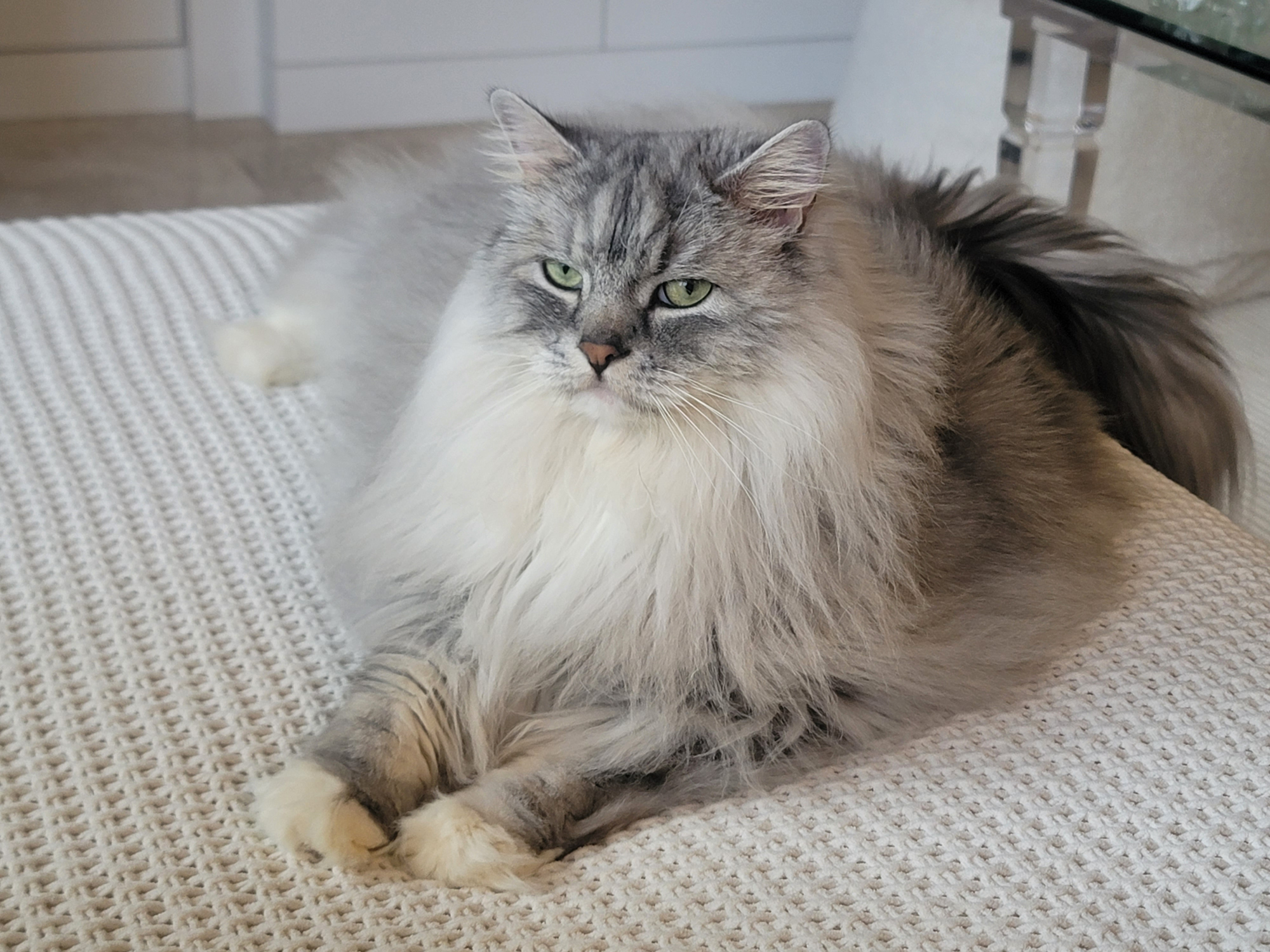
Credit: manypets.com
Ragdoll: The Plush Giant
The Ragdoll stands out as one of the largest and most striking cat breeds you’ll come across. Known for its plush fur and impressive size, this gentle giant often surprises people with its calm and affectionate nature. If you’ve ever met a Ragdoll, you know it’s like having a soft, furry companion who loves to be around you.
Distinctive Features
The Ragdoll is famous for its large size, with males often weighing between 15 to 20 pounds or more. Their semi-long, silky coat feels incredibly soft to the touch, making them irresistible to pet. You’ll notice their beautiful blue eyes and striking color patterns, including points on their ears, face, paws, and tail.
Unlike many large cats, Ragdolls have a sturdy yet graceful build. Their broad chest and muscular frame give them a powerful presence without compromising their gentle appearance.
Temperament
Ragdolls are known for their calm and friendly personalities. They tend to go limp when you pick them up, which is how they got their name. This unique trait makes them feel like a soft doll in your arms.
If you want a cat that follows you from room to room and enjoys being part of family activities, a Ragdoll fits perfectly. They are patient with children and get along well with other pets, making them great for busy households.
Have you ever wondered if a large cat can be as laid-back as a lap cat? Ragdolls prove it’s possible to have the best of both worlds.
Grooming Needs
Despite their long fur, Ragdolls are relatively low-maintenance compared to other fluffy breeds. Their coat resists matting, so brushing once or twice a week is usually enough to keep them looking great.
Regular grooming also helps reduce shedding and keeps your home cleaner. Pay special attention to their ears and eyes during grooming sessions to avoid infections.
Would you believe that a large, plush cat can be this easy to care for? It’s one of the reasons many cat lovers choose Ragdolls as their big, soft companions.
Norwegian Forest Cat: The Nordic Giant
The Norwegian Forest Cat is a majestic breed known for its large size and striking appearance. This Nordic giant has a rich history in Scandinavia, where it thrived in harsh climates. Its robust build and thick coat make it a standout among large cat breeds. This breed blends strength with grace and is a favorite for many cat lovers.
Coat And Build
The coat of the Norwegian Forest Cat is long and dense. It has a water-resistant top layer and a woolly undercoat. This helps keep it warm and dry. The body is muscular and solid, with strong legs and large paws. Its tail is bushy, adding to its impressive look. This breed can weigh between 12 to 16 pounds, sometimes more.
Behavioral Traits
This breed is friendly and social but independent. It enjoys human company but also likes exploring alone. Norwegian Forest Cats are playful and curious. They climb well and love high places. Their calm nature makes them good with children and other pets. They communicate with soft meows and purrs.
Adaptation To Climate
Norwegian Forest Cats are built for cold weather. Their thick double coat protects against snow and rain. The fur on their paws acts like snowshoes. This helps them walk on ice and snow easily. Their strong muscles and large size keep them warm. These cats stay comfortable even in freezing temperatures.
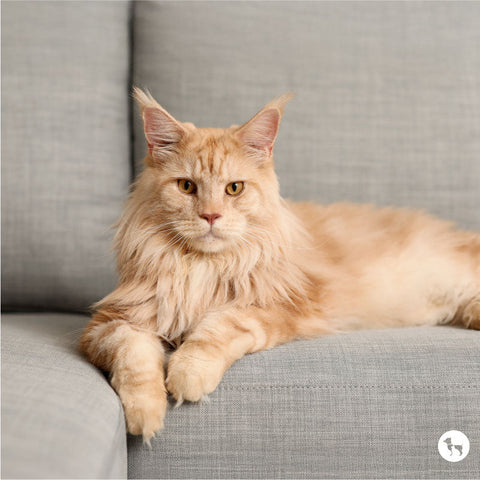
Credit: headsupfortails.com
Chausie: The Exotic Large Breed
The Chausie stands out as one of the most fascinating large cat breeds you can encounter. Known for its striking appearance and impressive size, this breed blends wild heritage with domestic traits. If you’re curious about a cat that carries the spirit of the jungle in your living room, the Chausie might be the perfect fit.
Wild Ancestry
The Chausie’s roots trace back to the wild jungle cat, Felis chaus, native to regions across Asia and the Middle East. This heritage gives the breed a unique, exotic look that’s hard to match. You can often spot their wild instincts in their alertness and agility.
Because of this wild background, Chausies require owners who understand their need for mental stimulation and space. Are you ready to provide an environment where your cat can express its natural behaviors?
Size And Structure
Chausies are considerably larger than typical domestic cats. Males can weigh between 15 to 20 pounds, with long, muscular bodies and strong legs. Their sleek, athletic build supports their active lifestyle and makes them appear even more impressive.
Their size isn’t just about bulk; it’s about power and grace combined. This breed’s structure allows them to leap and climb with ease, making your home their personal playground.
Activity And Social Traits
Expect a Chausie to be highly energetic and playful throughout the day. They thrive on interaction and often seek out company, whether it’s from humans or other pets. Their social nature means they don’t like being left alone for long periods.
If you want a cat that participates actively in your life, this breed will not disappoint. How might your daily routine change with a pet that demands both attention and play?
Factors Influencing Cat Size
Understanding why some cats grow larger than others goes beyond just their breed name. Several factors work together to determine the size of your feline friend. These influences range from inherited traits to daily care, shaping the overall growth and health of cats.
Genetics And Breeding
Genetics play the biggest role in a cat’s size. Some breeds, like the Maine Coon or Savannah, naturally have genes that encourage larger frames and muscular builds.
Selective breeding also impacts size. Breeders often choose cats with desired traits to mate, which can enhance size over generations. Have you noticed how some cat families tend to have consistently larger or smaller members?
Diet And Nutrition
What you feed your cat directly affects its growth potential. A balanced diet rich in protein, vitamins, and minerals supports healthy bone and muscle development.
Underfeeding or poor nutrition can stunt growth, while overfeeding may cause unhealthy weight gain, not true size. Pay close attention to portion sizes and nutrient quality to help your cat reach its ideal size.
Environment And Lifestyle
Active cats with room to play and explore often develop stronger muscles and better overall health. Physical activity encourages natural growth and maintains a healthy weight.
Stress or cramped living conditions may limit a cat’s growth. Think about your cat’s daily routine—does it have enough stimulation and space to thrive physically?

Credit: www.moneycontrol.com
Choosing A Large Cat Breed
Choosing a large cat breed means thinking about your home and lifestyle carefully. Big cats need space and care. They are not just pets but companions who need time and attention. Knowing what to expect helps create a happy life for both of you.
Space And Living Conditions
Large cats need plenty of room to move around. Small apartments may feel tight for them. They enjoy climbing and stretching, so vertical space is a plus. A home with safe outdoor access suits some big breeds well. Think about quiet spots for rest and play areas for exercise.
Time And Attention Required
Big cats often crave more interaction than smaller breeds. They enjoy playtime and mental challenges. Grooming can take longer because of their thick coats. Regular brushing keeps their fur healthy and reduces shedding. Plan daily moments to bond and keep your cat active.
Health Considerations
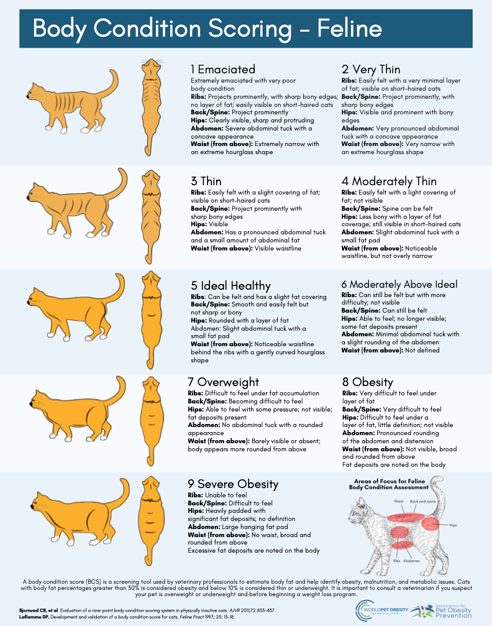
Large cat breeds can have special health needs. Joint problems and heart conditions are common in some breeds. Regular vet visits help catch issues early. Feeding a balanced diet supports their bigger bodies. Knowing breed-specific risks ensures better care and a longer life.
Fun Facts About Giant Cats
Giant cats are fascinating creatures that capture our attention with their size and charm. These large breeds stand out not only because of their impressive weight and height but also due to their unique traits. Their size brings interesting stories and surprising facts that many people do not know.
Discover some fun facts that make giant cats truly special and amazing pets.
Largest Domestic Cat Breed
The Maine Coon holds the title as the largest domestic cat breed. Males can weigh up to 18 pounds or more. Their bodies are long and muscular, with thick fur that keeps them warm.
Gentle Giants
Despite their size, many giant cats are very gentle. They enjoy sitting on laps and being petted. Their calm nature makes them great family pets.
Strong Hunters
Giant cats have powerful hunting skills. Their size gives them an advantage in catching prey. Even big cats like Savannahs show strong hunting instincts.
Unique Vocal Sounds
Some giant cats produce unusual sounds. For example, Maine Coons can chirp and trill. These sounds are rare in smaller breeds.
Fast Growth Rate
Giant cats grow quickly during their first years. Maine Coons can take up to 4 years to reach full size. This slow growth helps their bones and muscles develop properly.
Impressive Leap Distance
Large cats can jump great distances. Despite their weight, they can leap up to five times their body length. This skill helps them explore and hunt.
Frequently Asked Questions
What Is The Largest Cat Breed In The World?
The Maine Coon is the largest domestic cat breed. Males can weigh between 13-18 pounds. They are known for their friendly nature and tufted ears.
How Big Do Savannah Cats Grow?
Savannah cats are large and can weigh 12-25 pounds. They have long legs and a slender, athletic build. Their size varies depending on their generation.
Are Norwegian Forest Cats Considered Large Cats?
Yes, Norwegian Forest Cats are large with thick fur. They weigh between 12-16 pounds. Their strong build helps them adapt to cold climates.
Which Cat Breed Has The Heaviest Weight?
The Maine Coon often holds the heaviest weight record. Some males can reach up to 25 pounds. Their size is complemented by a muscular body.
Conclusion
These large cat breeds show how diverse felines can be. Each breed has its own charm and size. They make great pets for those who love big cats. Remember to give them space and care they need. Enjoy learning about these giant furry friends.
They prove cats come in many sizes and shapes. Choose the breed that fits your home and heart. Big cats, big love.


Leave a Reply