
Are you considering bringing a Persian cat into your home? These beautiful, fluffy companions are known for their gentle nature and striking looks.
But before you welcome one into your life, it’s important to understand the health challenges they might face. Knowing what to expect can help you keep your furry friend happy and healthy for years to come. You’ll discover the common health issues Persian cats are prone to and how you can protect your beloved pet from them.
Keep reading to learn what every Persian cat owner needs to know.
Common Health Problems
Persian cats are beautiful and affectionate pets, but they do have some health concerns that you need to watch for. Knowing the common health problems can help you spot issues early and keep your feline friend comfortable and happy. Let’s look at some typical challenges Persian cats may face.
Respiratory Issues
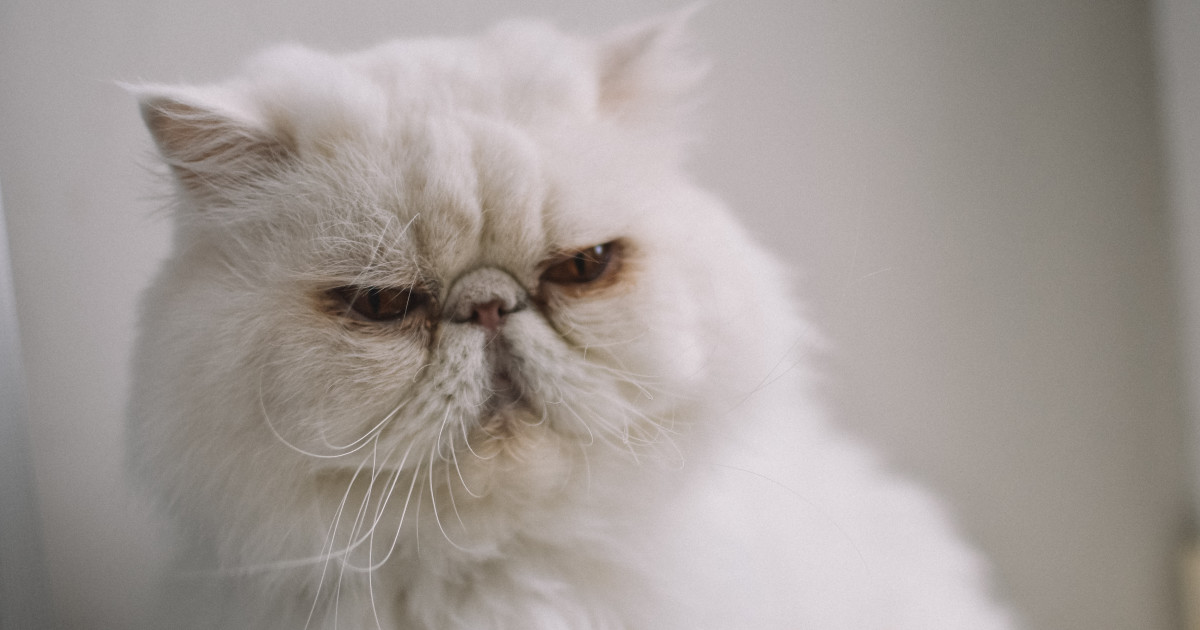
Persians have a flat face, which can cause breathing difficulties. This condition, called brachycephalic airway syndrome, might make your cat snore or struggle during hot weather or exercise.
If your cat frequently breathes loudly or has trouble catching breath, consult your vet. Simple steps like avoiding stress and keeping your home cool can ease their breathing problems.
Eye Conditions
Large, round eyes make Persians prone to tear duct problems and infections. You might notice constant tearing or redness around the eyes.
Regular cleaning with a damp cloth helps reduce irritation. If your cat’s eyes look swollen or discharge increases, it’s time for a vet visit to prevent further damage.
Dental Concerns
Persian cats often face dental issues like overcrowding and gum disease. Their unique jaw structure can trap food, leading to plaque buildup.
Brushing your cat’s teeth regularly and scheduling professional cleanings can prevent painful problems. Watch for bad breath or difficulty eating, which signal dental trouble.
Skin And Coat Problems
With their long, thick fur, Persians can develop skin infections and mats if not groomed properly. Matted fur pulls at the skin, causing discomfort or sores.
Daily brushing prevents tangles and spreads natural oils to keep the coat healthy. Check for redness, scabs, or hair loss that might indicate allergies or parasites.

Credit: worldanimalfoundation.org
Genetic Disorders
Persian cats often face health challenges due to inherited genetic disorders. These conditions can affect their quality of life and require careful attention. Understanding these genetic issues helps owners provide better care and early treatment. Here are some common genetic disorders found in Persian cats.
Polycystic Kidney Disease
Polycystic Kidney Disease (PKD) causes cysts to grow on the kidneys. These cysts reduce kidney function over time. Persian cats with PKD may show signs like weight loss or poor appetite. Early diagnosis through ultrasound can detect PKD before symptoms appear. Responsible breeders test for PKD to reduce its spread.
Hypertrophic Cardiomyopathy
Hypertrophic Cardiomyopathy (HCM) thickens the heart muscles. This makes it harder for the heart to pump blood properly. Persian cats with HCM may have breathing problems or fainting spells. Regular heart check-ups can catch HCM early. Genetic testing is available to identify affected cats.
Progressive Retinal Atrophy
Progressive Retinal Atrophy (PRA) leads to gradual vision loss. It damages the retina, causing blindness over time. Persian cats with PRA might bump into objects or become less active. There is no cure for PRA, but early detection helps manage the condition. Breeders use genetic tests to prevent PRA in litters.
Factors Increasing Risks
Persian cats, known for their beauty, often face health challenges. Various factors increase their risk of health issues. Understanding these factors helps in providing better care.
Breeding Practices
Selective breeding impacts Persian cats’ health. Breeders focus on specific traits, sometimes ignoring health. This can lead to genetic disorders. Breeding for flat faces can cause breathing problems. Ethical breeding practices can reduce health risks. Choose breeders who prioritize cat health over appearance.
Environmental Influences
Environmental factors affect Persian cats’ well-being. Indoor pollutants can harm their sensitive systems. Dust, smoke, and chemicals can cause respiratory issues. Ensure their living space is clean and well-ventilated. Stressful environments can weaken their immune systems, leading to illnesses.
Diet And Nutrition
A balanced diet is crucial for Persian cats’ health. Poor nutrition can lead to obesity and related diseases. Choose high-quality cat food rich in protein and essential nutrients. Avoid overfeeding and monitor their weight regularly. Proper hydration also supports their overall health.
Preventive Care Tips
Taking care of a Persian cat’s health means being proactive. Preventive care helps catch problems early and keeps your furry friend feeling their best. Here are some essential tips to help you support your Persian’s well-being every day.
Regular Vet Checkups
Scheduling vet visits at least twice a year gives you peace of mind. Vets can spot signs of common Persian health issues like respiratory problems or kidney disease before they become serious. You’ll also get tailored advice on vaccinations and dental care specific to your cat’s needs.
Think about this: have you ever noticed subtle changes in your cat’s behavior? A vet check can reveal hidden issues you might miss at home.
Proper Grooming
Persians have thick, long fur that mats easily if not brushed daily. Regular grooming prevents painful tangles and skin infections. Plus, it’s a bonding moment—your cat will appreciate the attention as much as the care.
Don’t forget about eye care. Persians often have tear staining, so gently wiping their eyes daily helps avoid irritation and infections.
Balanced Diet
Feeding your Persian a nutritious diet supports their immune system and keeps their coat shiny. Look for high-quality cat food rich in protein and essential fatty acids. Avoid fillers and artificial additives that can cause allergies or digestive upset.
Have you checked the ingredients on your cat’s food lately? Making small changes can improve energy levels and reduce health risks.
Exercise And Enrichment
Even indoor Persian cats need regular playtime to stay fit and mentally sharp. Interactive toys and short play sessions can prevent obesity and boredom. Try mixing up activities to find what excites your cat the most.
Ask yourself: does your Persian have enough stimulation throughout the day? Keeping them active helps ward off health issues linked to inactivity.
Signs To Watch For
Persian cats are beautiful companions, but their unique features can sometimes make them vulnerable to certain health problems. Knowing the signs to watch for can help you catch issues early and keep your furry friend comfortable and healthy. Here are some key symptoms to be alert to in your Persian cat’s daily behavior and appearance.
Changes In Breathing
Persian cats often have flat faces, which can affect their breathing. If you notice your cat breathing faster than usual, wheezing, or making unusual sounds while breathing, it’s a red flag. These changes might indicate respiratory distress or an underlying condition that needs prompt attention.
Pay close attention if your cat seems to struggle after mild activity or during rest. Does your cat pause frequently, or seem short of breath? These are signs you should discuss with your vet immediately.
Eye Discharge Or Irritation
Persians are prone to tear duct issues, leading to watery or crusty eyes. If you see excessive eye discharge, redness, or your cat frequently pawing at their eyes, it’s a cause for concern.
Regular cleaning can help, but persistent discharge might signal infections or blocked tear ducts. Don’t ignore these symptoms, as untreated eye problems can worsen quickly.
Lethargy And Appetite Loss
A sudden drop in energy or refusal to eat is often one of the first signs of illness in cats. If your Persian seems unusually tired or loses interest in food, it’s time to investigate.
Even if your cat is eating less for a day or two, monitor closely. These symptoms could point to infections, dental pain, or more serious health problems that require veterinary care.
Behavioral Changes
Has your usually social cat become withdrawn or irritable? Changes in behavior can be subtle but important indicators of discomfort or pain.
Watch for hiding, increased aggression, or changes in grooming habits. These shifts may be your cat’s way of signaling that something isn’t right, and early detection can make all the difference.
Credit: pethelpful.com

Credit: www.petsmag.co.uk
Frequently Asked Questions
Are Persian Cats More Prone To Respiratory Problems?
Yes, Persian cats often suffer from respiratory issues due to their flat faces. Their brachycephalic structure can cause breathing difficulties and snoring.
What Common Eye Problems Affect Persian Cats?
Persian cats frequently experience eye issues like excessive tearing, cherry eye, and progressive retinal atrophy. Regular eye care is essential.
Do Persian Cats Have A Higher Risk Of Kidney Disease?
Yes, Persian cats are susceptible to polycystic kidney disease (PKD). Early screening helps manage this inherited condition effectively.
How Can I Prevent Health Issues In My Persian Cat?
Regular vet check-ups, proper grooming, and a balanced diet can reduce health risks. Early detection is key for their wellbeing.
Conclusion
Persian cats can face some health challenges. Regular vet visits help catch problems early. Owners should watch for breathing or eye issues. Good care and attention improve their life. Knowing common risks keeps your cat safe. Love and care make a big difference.
Persian cats deserve a healthy, happy home.


Leave a Reply