Do you want to keep your cat happy and entertained without spending a lot of money? Making fabric cat toys is a simple and fun way to do just that.
You can create safe, colorful toys that your furry friend will love playing with. Plus, you get the satisfaction of knowing you made something special just for your cat. You’ll learn easy steps to make fabric cat toys at home, even if you’re new to sewing.
Ready to see your cat’s eyes light up with joy? Let’s get started!
Choosing The Right Fabric
Choosing the right fabric is a key step in making cat toys that your furry friend will love and that will last. The fabric you pick affects not only how safe the toy is but also how much your cat enjoys playing with it. Think about your cat’s habits and preferences to find materials that match their play style and keep them safe.
Safe And Durable Materials
Safety is the top priority when selecting fabric for cat toys. Avoid materials that shed fibers easily or contain harmful chemicals. Natural fabrics like cotton, felt, and denim are excellent choices because they are non-toxic and strong enough to withstand rough play.
Durability matters since cats often bite and scratch their toys. Fabrics like canvas or twill hold up well over time. You might want to test a small piece by tugging and rubbing it to see if it can handle your cat’s energy before making the whole toy.
Softness And Texture Preferences
Cats have unique texture preferences that influence how much they enjoy a toy. Some cats love soft, plush fabrics that feel cozy under their paws. Others prefer rougher textures that mimic prey, like burlap or corduroy.
Think about your cat’s favorite spots to scratch or cuddle. If your cat loves kneading soft blankets, plush fabric could work well. If they prefer hunting and scratching, tougher, textured fabrics might keep their interest longer.
Essential Tools And Supplies
Creating fabric cat toys needs some simple tools and materials. These supplies make the process smooth and fun. Having the right items helps you craft safe and durable toys your cat will love.
Start by gathering basic sewing tools. Next, choose stuffing and filling options. Finally, add decorative elements for extra charm.
Basic Sewing Tools
- Needles: Hand-sewing needles or a sewing machine needle
- Thread: Strong polyester or cotton thread in various colors
- Fabric scissors: Sharp scissors to cut fabric cleanly
- Pins or clips: To hold fabric pieces together while sewing
- Measuring tape or ruler: For accurate size measurements
- Seam ripper: To fix any sewing mistakes easily
Stuffing And Filling Options
- Polyester fiberfill: Soft, lightweight, and easy to shape
- Fabric scraps: Eco-friendly and adds texture
- Catnip: A natural herb that cats enjoy
- Dried lavender: Provides a calming scent
- Crinkly paper or plastic inserts: Adds fun sound effects
Decorative Elements
- Buttons or felt shapes: For eyes, noses, or patterns
- Embroidery thread: To add small designs or details
- Ribbons or yarn: For tails or whiskers
- Fabric paint or markers: To create colorful designs
- Small bells: To entice playful cats with sound
Simple Toy Designs
Creating fabric cat toys is easy and fun. Choose soft fabric, cut small shapes, and sew them together. Fill with catnip to make toys your cat will love.
Creating fabric cat toys can be a delightful experience that combines creativity with practicality. Simple toy designs not only save you money but also ensure your cat’s playtime is both safe and enjoyable. These designs are easy to make, requiring minimal materials while offering maximum fun for your feline friend. Let’s dive into some adorable and straightforward DIY projects you can try today.Fabric Mice
Fabric mice are a classic favorite among cat owners and their pets. To make them, you need a small piece of fabric, some stuffing, and thread. Cut the fabric into an oval shape, sew it together leaving a small opening, stuff it with catnip or soft filling, and stitch it closed. Add a string or ribbon tail for extra excitement. You can even use fabric scraps from old clothes, adding a personal touch. Watching your cat pounce and bat at these tiny creations can be as rewarding for you as it is fun for them.Knit Balls
If you enjoy knitting, crafting knit balls can be an exciting project. Use leftover yarn to create small, tightly knit balls that are perfect for batting around. The texture of the yarn can be intriguing for cats, engaging their hunting instincts. Consider adding a small bell inside for an auditory element that will capture your cat’s attention. Knit balls are durable and can withstand vigorous play. Plus, they are a fantastic way to practice your knitting skills on a small scale.Feathered Teasers
Feathered teasers are perfect for interactive play sessions with your cat. To make one, attach colorful feathers to a stick or a string. You can use a hot glue gun to secure the feathers, ensuring they don’t easily fall off during play. Wave the teaser in front of your cat to encourage jumping and chasing. This type of toy can stimulate both their mind and body, providing a healthy outlet for their energy. Feathered teasers can also strengthen the bond between you and your feline friend, as you engage in play together. Which of these simple designs will you try first? Each offers a unique way to enhance your cat’s playtime while allowing you to express your creativity.
Credit: www.hgtv.com
Step-by-step Crafting Tips
Creating fabric cat toys can be a fun and rewarding experience, especially when you see your furry friend excited by something you made yourself. The key to a great toy lies in the details of crafting—how you cut, sew, and finish each piece. Let’s dive into some practical tips that will help you craft durable and enticing toys for your cat.
Cutting And Sewing Techniques
Start by choosing a sturdy fabric like cotton or felt, which holds up well to playful bites and scratches. Use sharp scissors or a rotary cutter to make clean, precise cuts—this helps prevent fraying and gives your toy a neat appearance.
When sewing, use a strong thread and double-stitch the seams for extra durability. If you don’t have a sewing machine, hand stitching with a tight backstitch works well. Think about the shape too; simple shapes like rectangles, triangles, or small pillows are easier to sew and stuff evenly.
Adding Catnip Or Treats
Catnip is a classic favorite that instantly grabs your cat’s attention. Place a small pouch inside the toy or sprinkle dried catnip between fabric layers before sealing the seam. If your cat prefers treats, consider adding a small compartment with a Velcro or zipper closure so you can easily replace goodies.
Have you noticed how some cats prefer crunchy treats over catnip? Observing your cat’s preferences before you start can save you time and make your toy a hit right away. You can also mix catnip with silvervine or valerian root to appeal to different tastes.
Finishing Touches
Secure all openings tightly to prevent stuffing or catnip from escaping during play. Adding small details like colorful ribbons or bells can make the toy more engaging, but always ensure they’re sewn on firmly to avoid choking hazards.
Think about texture variety; you might sew in patches of different fabrics to create a multi-sensory experience. Before giving the toy to your cat, give it a gentle tug and squeeze to test the strength of your stitches. This step can save you from quick repairs later.
Safety Considerations For Cat Toys
Keeping your cat safe while making fabric toys is essential. Cats love to chew and bat at toys, so your choices directly affect their health and happiness. Paying attention to safety can prevent accidents and ensure your feline friend enjoys every playtime moment without risks.
Avoiding Small Parts
Small parts like buttons, beads, or tiny bells can easily become choking hazards. Even if they seem securely attached, cats are experts at pulling and swallowing bits that can get stuck in their throat or cause internal damage.
Instead, sew fabric pieces tightly and avoid adding anything detachable. If you want to add sound, try using a crinkly fabric layer inside rather than loose objects. Have you ever seen a cat swallow a button? It’s scary and avoidable with simple design choices.
Choosing Non-toxic Materials
Your cat’s health depends on the materials you use. Some fabrics and fillings contain chemicals or dyes that can irritate your cat’s skin or cause poisoning if chewed.
Opt for natural, untreated fabrics like cotton or felt. Use stuffing labeled as pet-safe or hypoallergenic. Avoid synthetic fibers that shed or materials treated with harsh chemicals.
Think about what your cat might chew on and ask yourself: “Is this safe if swallowed?” Choosing non-toxic materials gives you peace of mind and your cat a safe toy to enjoy.
Customizing Toys For Your Cat
Customizing fabric cat toys lets you create playthings that truly excite your cat. Each feline has unique preferences, so adjusting size, shape, and scent can make a big difference in how much your kitty enjoys the toy. Have you noticed how some toys get ignored while others become instant favorites? Tailoring these elements can help you craft toys your cat won’t want to put down.
Tailoring Size And Shape
Think about your cat’s size and play style before cutting fabric. A tiny kitten might prefer smaller, softer toys easy to carry, while a larger cat could enjoy bigger toys to bat around. Experiment with shapes like mice, balls, or simple knots to see what your cat chases the most.
Don’t hesitate to mix shapes and sizes in one toy. For instance, a long fabric strip tied at both ends can satisfy a cat’s urge to grab and kick. Watching how your cat interacts with different designs will give you clues to create the perfect shape and size.
Incorporating Favorite Scents
Adding scents your cat loves can transform a simple fabric toy into an irresistible treasure. Many cats go crazy for catnip, but some prefer silvervine or valerian root. You can stuff small fabric pouches with these herbs and sew them inside the toy.
Not every cat reacts the same to scents, so try different options and observe their reactions. You might also use a few drops of tuna juice or chicken broth on the fabric for a short-term scent boost. How does your cat respond when their favorite smell is inside the toy? This can guide you in making toys that keep your cat coming back for more.
Maintaining And Cleaning Fabric Toys
Fabric cat toys bring endless joy to your feline friend, but they need care to stay safe and fun. Maintaining and cleaning these toys not only extends their life but also keeps your cat healthy. Dirty or damaged toys can harbor bacteria or pose choking risks, so regular upkeep is essential.
Washing Guidelines
Wash fabric cat toys regularly to remove dirt, fur, and germs. Use mild detergent and cold water to protect the fabric and any fillings inside. Avoid harsh chemicals that could irritate your cat’s skin or cause allergic reactions.
For toys with delicate parts, consider placing them inside a mesh laundry bag before tossing them in the washing machine. Air dry the toys completely to prevent mold or mildew. Have you noticed your cat’s toy smelling off after playtime? That’s a clear sign it’s time for a wash.
Repairing Wear And Tear
Fabric toys often show signs of wear like loose threads or small holes. Don’t toss them out immediately—repairing can save money and reduce waste. Use a needle and thread to stitch up any tears before they get bigger.
Check the toy’s seams and stuffing regularly. Replace any stuffing that’s clumped or missing to keep the toy safe and bouncy. Have you ever seen your cat lose interest in a toy? Sometimes, a quick repair can bring the toy back to life and your cat’s attention.

Credit: www.reddit.com
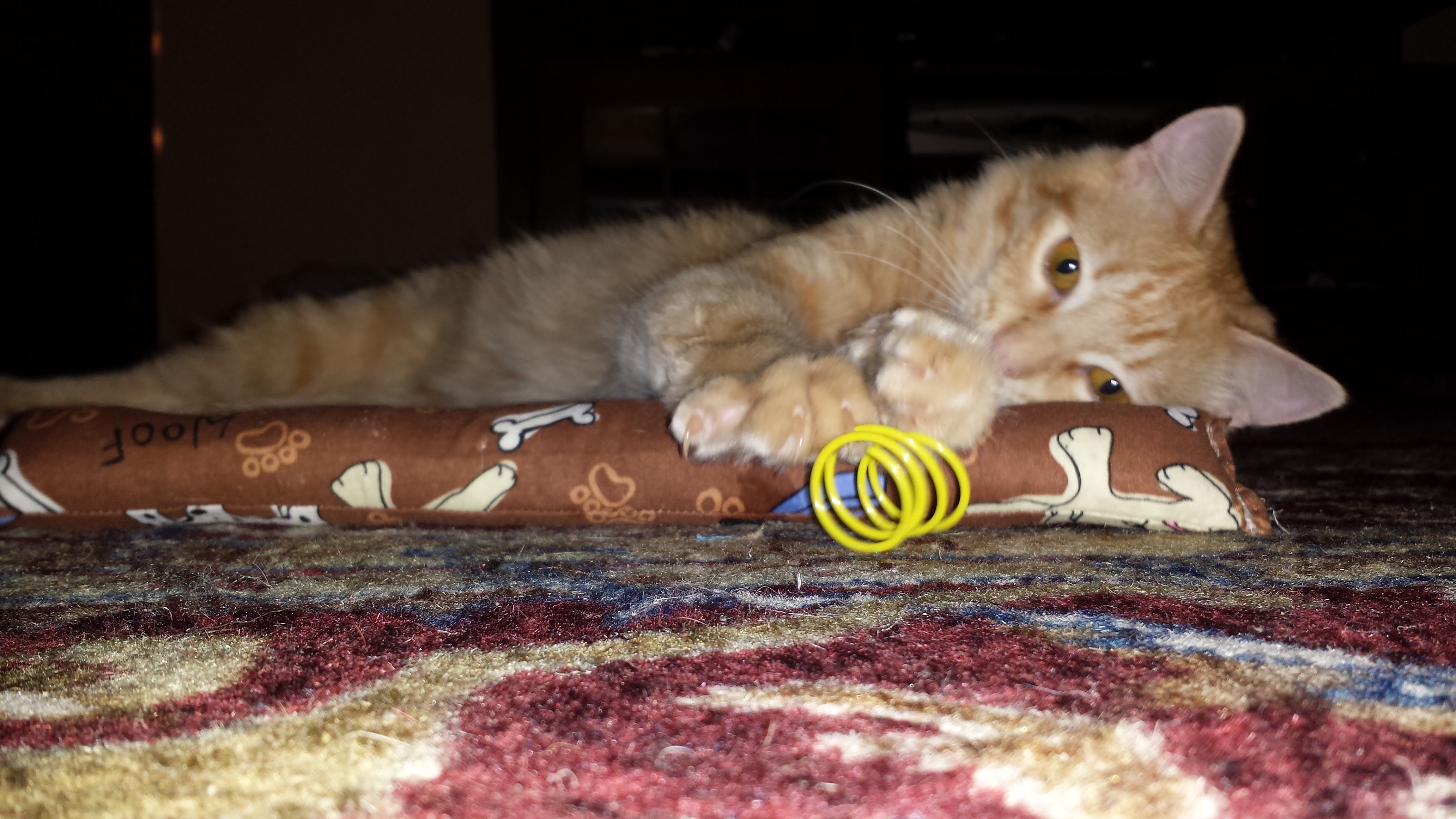
Credit: sewhooked.com
Frequently Asked Questions
What Materials Are Needed To Make Fabric Cat Toys?
You need fabric scraps, stuffing, thread, and cat-safe fillers. Optional items include catnip, bells, or feathers to enhance play.
How Do I Safely Sew Fabric Cat Toys?
Use strong, non-toxic thread and secure all seams tightly. Avoid small parts that cats can swallow or choke on.
What Fabric Types Are Best For Cat Toys?
Choose durable, non-toxic fabrics like cotton, felt, or fleece. Avoid synthetic materials that may irritate your cat’s skin.
Can Homemade Fabric Cat Toys Attract Cats Effectively?
Yes, adding catnip or crinkly materials makes toys more appealing. Cats love toys that stimulate their senses and encourage play.
Conclusion
Making fabric cat toys is simple and fun to do. You only need a few materials and some basic skills. These toys keep your cat happy and active every day. Plus, they save money compared to store-bought options. Try different shapes and fabrics to find what your cat loves most.
Enjoy crafting and watching your cat play with your handmade toys. Keep experimenting and have fun with each new creation. Your cat will thank you with purrs and playful jumps.

Leave a Reply