Have you ever wondered if your cat’s breed affects how it acts? You might notice some cats are playful, while others are calm or even a bit shy.
But is that because of their breed or just their unique personality? Understanding how different breeds behave can help you connect better with your furry friend and make sure their needs are met. Keep reading to discover surprising facts about cat breeds and behavior that could change the way you see your pet forever.
Breed And Personality
Understanding how a cat’s breed affects its personality can help you choose a pet that fits your lifestyle. Different breeds often come with distinct behavioral traits influenced by their genetic background and history. But how much does breed really shape a cat’s character?
Influence Of Genetics
Your cat’s genes carry more than just physical features—they also influence behavior. Certain breeds have been selectively bred for traits like sociability or independence. For example, Siamese cats tend to be vocal and affectionate, while Russian Blues often show reserved and calm behavior.
However, genetics is just one piece of the puzzle. Environment and early experiences also play a big role in shaping personality. Think about how a shy cat might become more outgoing with gentle socialization, regardless of breed.
Temperament Variations
Temperament can vary widely even within the same breed. Two Maine Coons might show very different levels of playfulness or affection. This means you should spend time with individual cats to understand their unique nature.
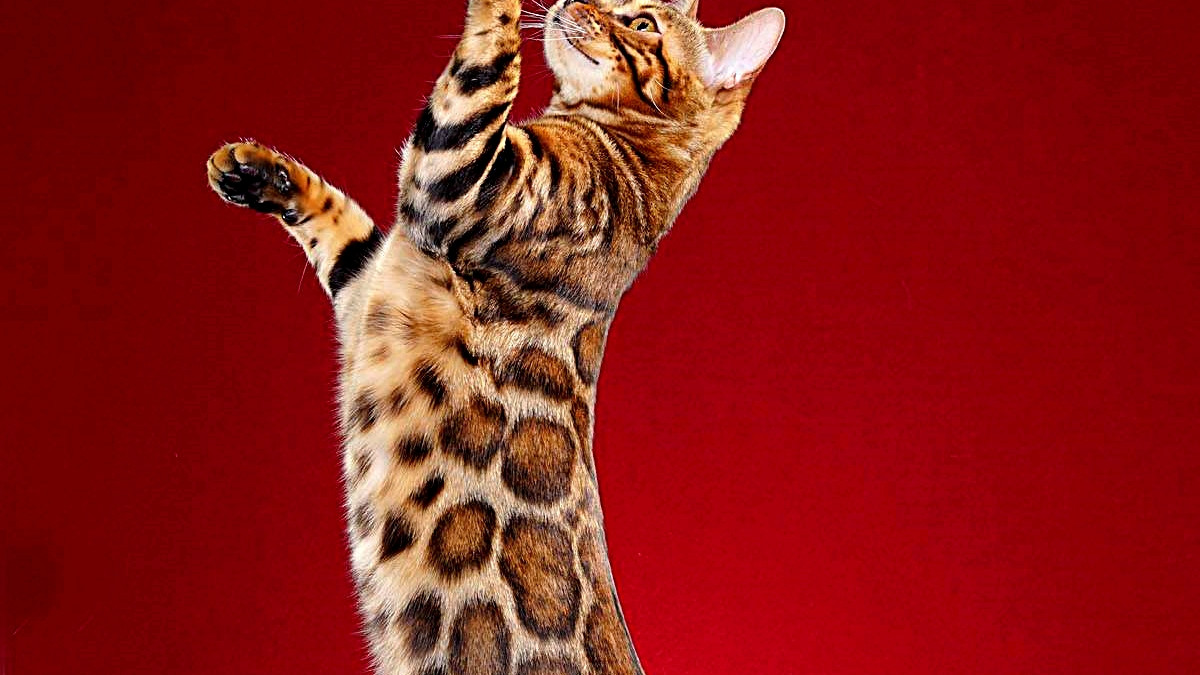
Some breeds are known for traits like curiosity, energy, or loyalty. For example, Bengals are often energetic and playful, while British Shorthairs may be more laid-back. Knowing these tendencies can guide you in meeting your needs and expectations.
- Are you looking for a cat that loves to interact?
- Do you prefer a more independent companion?
Asking these questions helps you match your personality with the right feline friend. Remember, your cat’s behavior is shaped by many factors, but breed clues can be a helpful starting point.
Credit: www.thecatniptimes.com
Social Behavior Across Breeds
Social behavior in cats varies widely across breeds, influencing how they connect with people and other animals. Understanding these differences can help you choose a cat that fits your lifestyle or improve your relationship with your current feline friend. Let’s look closer at how affection, human interaction, and playfulness differ among cat breeds.
Affection Levels
Some breeds are famously affectionate, often seeking out human attention and cuddles. For example, Ragdolls tend to go limp when held, showing their trust and love easily. On the other hand, breeds like the Russian Blue may be more reserved, preferring gentle affection on their own terms.
How does your cat express affection? Watching their unique signals can deepen your bond and respect their personality.
Interaction With Humans
Cats differ in how they engage with people. Siamese cats are known for their vocal nature and often “talk” back, creating a lively dialogue with their owners. Conversely, British Shorthairs may be more independent but still enjoy quiet companionship.
Think about the type of interaction you want. Do you prefer a chatty companion or a calm presence? Matching your energy with your cat’s can make your relationship more satisfying.
Playfulness And Activity
Energy levels vary greatly between breeds. Bengals are highly active and need plenty of stimulation to stay happy, often engaging in fetch or puzzle toys. Meanwhile, Persians are more laid-back, enjoying gentle play sessions followed by long naps.
Providing the right amount of playtime based on your cat’s breed traits can prevent boredom and behavioral problems. What activities does your cat naturally enjoy?
Communication Styles
Cats from different breeds often show unique ways of communicating through body language and sounds. These styles reflect their natural traits and can help owners understand their moods and needs better. Each breed’s behavior adds to the rich world of feline communication.
Cats communicate in unique ways that vary by breed. Each breed has its distinct communication style. Understanding these can help you connect better with your feline friend. Some cats are chatty, while others are more reserved. Their body language also offers clues about their mood.Vocalization Differences
Different cat breeds have unique vocal patterns. Siamese cats, for example, are famously talkative. They often engage in lengthy “conversations” with their owners. Their vocalizations are loud and expressive. In contrast, the Russian Blue is quieter. They prefer subtle sounds and soft purring. Persian cats also tend to be less vocal. They communicate more through body language.Body Language
Cats use their bodies to express emotions. Tail movements can indicate how a cat feels. A high tail usually means confidence or friendliness. A low tail might signal fear or submission. Ears also tell a story. Forward-facing ears show curiosity or interest. Flattened ears can mean anger or anxiety. Some breeds, like the Maine Coon, have expressive eyes. They use them to communicate comfort or annoyance. Understanding these cues helps in knowing your cat’s feelings.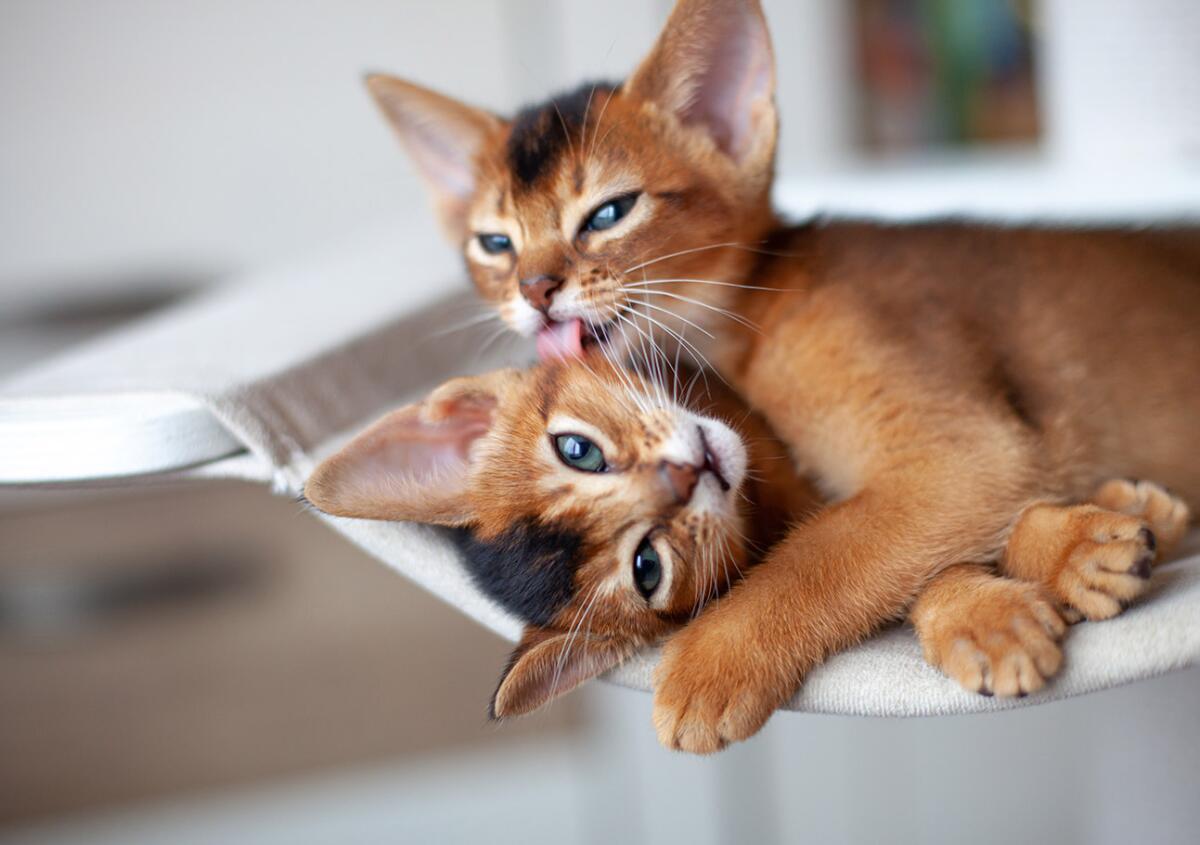
Credit: www.latimes.com
Energy And Exercise Needs
Understanding the energy and exercise needs of different cat breeds can help you provide the right environment for your feline friend. Some cats are natural athletes, requiring lots of playtime and mental challenges. Others prefer a more relaxed lifestyle, needing less vigorous activity but still benefiting from gentle engagement.
High Energy Breeds
Breeds like the Bengal, Abyssinian, and Siamese are known for their high energy levels. They love to climb, jump, and explore every corner of your home. Without enough stimulation, they may become bored or even destructive.
If you have a Bengal, expect to spend time each day playing with interactive toys or setting up obstacle courses. These cats enjoy puzzle feeders and games that challenge their intelligence. Have you noticed your Siamese cat waiting eagerly for playtime? It’s their way of telling you they need to burn off energy.
Calmer Breeds
On the other side of the spectrum, breeds like the British Shorthair, Ragdoll, and Persian tend to be more laid-back. They still appreciate play but usually prefer short bursts of activity followed by long naps. You won’t find these cats racing around the house at full speed.
Providing cozy spots for rest is just as important as offering toys. Even calmer breeds benefit from gentle exercise, which helps keep their muscles toned and minds sharp. Have you observed how your Persian cat softly bats at a toy before curling up again? It’s their way of staying engaged without overexerting themselves.
Adaptability And Environment
Adaptability and environment shape how different cat breeds behave daily. Each breed reacts uniquely to changes in its surroundings. Some cats thrive indoors, while others enjoy the outdoors. Understanding these preferences helps owners provide a happy home. Environment also affects a cat’s stress levels and social behavior. Knowing a breed’s tolerance to change can guide better care and training.
Indoor Vs Outdoor Preferences
Some breeds prefer indoor life. They feel safe and calm inside a home. Breeds like the British Shorthair and Persian usually enjoy quiet indoor settings. They avoid loud noises and busy streets.
Other breeds love exploring outside. Bengals and Maine Coons are examples. They are active and curious. Outdoor spaces offer them exercise and mental stimulation. Supervised outdoor time suits these adventurous cats well.
- Indoor cats need toys and climbing areas.
- Outdoor cats benefit from safe yards or harness walks.
- Breed traits influence these preferences strongly.
Tolerance To Change
Some cats adapt quickly to new environments. Siamese cats, for example, handle moving homes well. They adjust to new people and places fast. Other breeds are sensitive and shy. Scottish Folds may hide or show stress if routines change.
Gradual introductions help sensitive cats cope. Consistent feeding and play schedules reduce anxiety. Owners should watch for signs of stress like hiding or loss of appetite.
| Breed | Change Tolerance | Tips |
|---|---|---|
| Siamese | High | Introduce new places gradually |
| Scottish Fold | Low | Keep routines steady |
| Maine Coon | Medium | Provide safe outdoor access |
Common Misconceptions
Many people believe that each cat breed has a fixed personality. These ideas often shape how people choose their pets. Yet, these beliefs do not always reflect the true nature of cats. Understanding common misconceptions helps us see cats as unique individuals.
Stereotypes About Breeds
Some breeds get labeled as “aloof” or “friendly” without much proof. For example, Siamese cats are often called talkative and demanding. Maine Coons are seen as gentle giants. These labels come from stories and old beliefs rather than facts.
People expect certain behaviors from a breed and may miss signs of the cat’s real personality. This can lead to wrong assumptions about how a cat will act. Stereotypes may limit the bond between a cat and its owner.
Separating Myth From Reality
Personality depends more on the cat’s experience and environment than on breed. Socialization, training, and care shape behavior strongly. Two cats of the same breed can act very differently.
Genetics do play a role, but they don’t tell the whole story. Some traits may be common in a breed, but they are not guaranteed. Watch how a cat behaves over time to understand its true nature.
Choosing a cat by personality, not just breed, leads to better matches. Spend time with different cats before deciding. This approach respects each cat’s unique spirit and helps avoid disappointment.
Choosing A Cat Based On Behavior
Choosing a cat based on behavior helps create a happy home for both owner and pet. Cats of different breeds show unique personality traits. Knowing these traits guides better decisions. It reduces stress and builds strong bonds.
Matching Lifestyle With Breed Traits
Some cats are playful and active. Others prefer calm and quiet environments. A busy person might prefer a low-energy breed. A home with lots of activity suits a lively, social cat.
Consider how much time you can spend with your cat. Active breeds need more play and attention. Quiet breeds can adapt to less interaction. Some cats enjoy being alone more than others.
Think about your living space. Apartments fit smaller, less active cats. Bigger homes can support energetic breeds that need room to run. Choose a cat that fits your daily routine and space.
Considerations For Families
Families with children should choose gentle, patient cats. Some breeds tolerate noise and rough play better. These cats handle the energy of children well.
Allergies matter too. Some breeds cause fewer allergic reactions. This makes them better for sensitive family members.
Introduce the cat to all family members before deciding. Notice how the cat reacts to kids and adults. A good match means less stress for everyone.
Credit: pethelpful.com
Frequently Asked Questions
Do Cat Breeds Have Unique Personality Traits?
Yes, different cat breeds often show distinct personality traits. Some breeds are more social and playful, while others are calm or independent. Breed tendencies can influence behavior, but individual cats may vary.
How Do Siamese Cats Behave Differently?
Siamese cats are known for their vocal, social, and affectionate nature. They enjoy interaction and can be quite playful and curious. They often seek attention more than other breeds.
Are Maine Coon Cats More Friendly Than Others?
Maine Coons are generally very friendly, gentle, and sociable. They often get along well with children and other pets. Their calm demeanor makes them excellent family companions.
Can Breed Affect A Cat’s Activity Level?
Yes, breed influences activity levels. Some breeds like Abyssinians are highly active and curious, while others like Persians tend to be more laid-back and relaxed. Activity varies by breed tendencies.
Conclusion
Cats of different breeds often show unique behaviors and traits. Some breeds are playful, while others are calm and quiet. Understanding these differences helps you choose the right cat for your home. Each cat has its own personality, shaped by breed and experience.
Knowing this makes living with cats more enjoyable. Every cat deserves love and care, no matter the breed. So, pay attention to your cat’s behavior and enjoy the special bond you create together.



Leave a Reply