Are you wondering how much food your adult male cat really needs each day? Feeding your feline friend the right amount is key to keeping him healthy, happy, and full of energy.
Too much or too little can cause problems you don’t want to face. You’ll discover exactly how to find the perfect daily portion for your cat, so you can stop guessing and start caring with confidence. Keep reading to learn simple tips that make feeding time stress-free and effective!
Credit: pethelpful.com
Daily Calorie Needs
Daily calorie needs for an adult male cat vary depending on several factors. Cats require a balance of nutrients and energy to stay healthy and active. Feeding the right amount helps prevent obesity and health problems. Understanding calorie needs allows you to provide proper care and nutrition.
Factors Affecting Calorie Intake
Calorie needs differ for each cat. Age, weight, and health status all play a role. Indoor cats usually need fewer calories than outdoor cats. Neutered males often require less energy. Growth stages and pregnancy increase calorie demands. Always consider your cat’s unique situation when deciding food amounts.
Activity Level And Metabolism
Active cats burn more calories daily. Playful and outdoor cats need extra energy. Less active cats require fewer calories to avoid weight gain. Metabolism speed varies by breed and age. Older cats may have slower metabolisms and eat less. Watch your cat’s activity and adjust feeding amounts accordingly.
Credit: companion-vets.com
Types Of Cat Food
Choosing the right type of food is crucial for your adult male cat’s health. Cats need balanced nutrition to stay active and strong. There are several food types available, each with unique benefits. Understanding these helps you make the best choice for your pet’s diet.
Dry Food Benefits
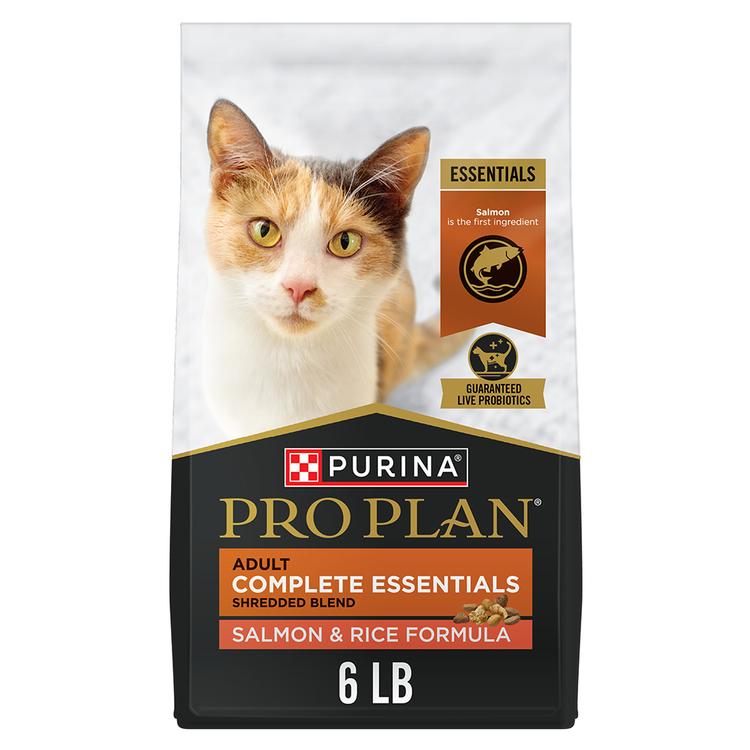
Dry cat food is easy to store and lasts long. It helps keep your cat’s teeth clean by reducing plaque. This food type is usually more affordable than others. Dry food has a higher calorie count, so portion control is important. It also offers a variety of flavors and textures that cats enjoy.
Wet Food Benefits
Wet food contains more moisture, which helps keep cats hydrated. It has a softer texture, making it easier to eat for older cats. Wet food often smells stronger, which can attract picky eaters. It typically has fewer carbohydrates and more protein. This type supports healthy kidneys and urinary tract health.
Raw Diet Considerations
The raw diet includes fresh meat, organs, and bones. It mimics what cats eat in the wild. Raw food can improve coat shine and energy levels. It requires careful handling to avoid bacterial contamination. Consult a vet before switching to a raw diet to ensure safety and balance.
Portion Size Recommendations
Determining the right portion size for an adult male cat is essential for its health and happiness. Overfeeding can lead to obesity, while underfeeding may cause nutrient deficiencies. Portion sizes vary by weight, age, and health status. Understanding these factors helps provide balanced meals that meet your cat’s needs.
Based On Weight
Adult male cats typically eat based on their body weight. A healthy weight usually ranges between 9 to 12 pounds. Cats within this range need about 20 to 30 calories per pound daily.
- For a 9-pound cat: 180 to 270 calories daily
- For a 10-pound cat: 200 to 300 calories daily
- For a 12-pound cat: 240 to 360 calories daily
Check your cat’s food label for calorie content. Divide the daily calorie need by calories per serving to find the portion size. Adjust portions if your cat gains or loses weight.
Age And Health Status
Age affects your cat’s metabolism and activity level. Younger adult cats burn more calories and may require larger portions. Older cats often need fewer calories due to lower activity.
Health issues like diabetes or kidney disease also influence food portions. Cats with health problems might need special diets and controlled portions. Always consult your vet for tailored feeding advice.
Feeding Schedules
Feeding schedules are a key part of managing your male adult cat’s diet. The way you time his meals affects not only his hunger but also his digestion and overall health. Finding the right balance between too many and too few meals can make a noticeable difference in his energy levels and weight.
Free Feeding Vs Scheduled Meals
Free feeding means leaving food out all day, allowing your cat to eat whenever he wants. This works well for some cats who self-regulate, but it can lead to overeating in others.
Scheduled meals give you control over portion sizes and meal times. You can monitor how much your cat eats and adjust portions if he gains or loses weight. Many cat owners find scheduled feeding reduces begging and helps maintain a healthy weight.
Have you noticed your cat tends to snack all day or waits eagerly for meal times? This can help you decide which method fits your cat’s personality and lifestyle better.
Meal Frequency Tips
- Two meals a dayis typical for adult male cats. Feeding in the morning and evening matches their natural hunting instincts.
- Smaller, more frequent meals can prevent overeating and keep your cat energized throughout the day.
- Consistency is key. Try to feed your cat at the same times daily to create a routine he can anticipate.
- If your cat is very active or has a high metabolism, adding a small midday snack may help keep him satisfied.
Think about your daily schedule and how often you can realistically feed your cat. Even a simple two-meal routine can work wonders if you stick to it strictly.
Signs Of Overfeeding
Feeding your adult male cat might seem straightforward, but ensuring he eats the right amount is crucial. Overfeeding can lead to various health problems, some of which might not be obvious at first. Recognizing the signs of overfeeding can help you adjust your feeding habits and keep your feline friend healthy and active.
Weight Gain Indicators
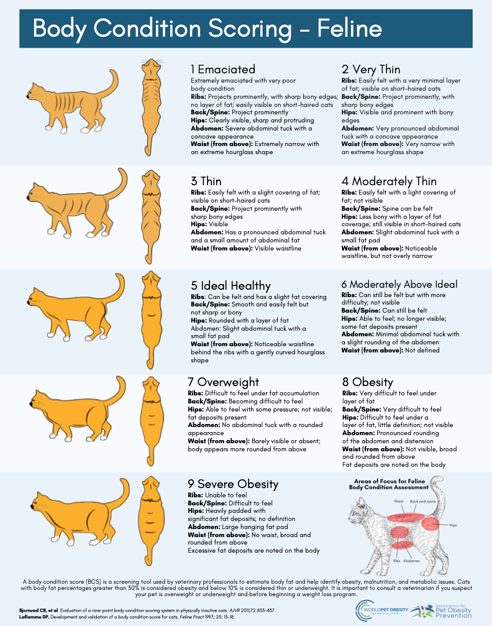
One of the most noticeable signs of overfeeding is weight gain. If your cat starts looking rounder, especially in the belly area, it might be time to reassess his diet. You can also feel his ribs; they should be easily felt but not visible. If you struggle to feel them, your cat might be carrying extra weight.
Have you noticed your cat moving slower or appearing lazier than usual? Weight gain often affects a cat’s activity level. A previously playful cat might become less interested in toys or exploring. Consider these behaviors as red flags.
Behavioral Changes
Cats often vocalize their needs. If your cat meows excessively, especially after meals, it might indicate he’s eating out of boredom rather than hunger. Overfed cats might also show reduced interest in their meals, nibbling at food rather than eating heartily.
Another behavioral change to watch for is increased lethargy. While cats naturally sleep a lot, an overfed cat might show decreased energy levels and sleep even more than usual. This change could be a sign that he’s carrying extra weight, making movement more tiring.
Are you feeding your cat out of love but unintentionally affecting his health? Adjusting portion sizes and monitoring his behavior can make a world of difference. Remember, a healthy weight leads to a happier, more active cat.
Adjusting Food Intake
Adjusting your male adult cat’s food intake is key for his health. Each cat has unique needs based on age, activity, and health. Feeding the right amount helps keep your cat fit and happy. Watch for signs that show if the food amount is correct or needs change.
Monitoring Weight
Check your cat’s weight regularly. Use a small scale or visit a vet for accurate results. Keep a record to see any changes over time. A steady weight means the food amount is right. Sudden gain or loss may mean you need to adjust feeding.
Look for these signs:
- Ribs should be felt but not seen
- Waist should be visible behind ribs
- Energy levels should stay normal
Consulting A Veterinarian
Talk to a vet about your cat’s diet. A professional can recommend the best food amount. They check for health issues that affect feeding needs. Vets can help create a feeding plan for weight control or special diets.
Regular vet visits help keep your cat’s diet on track. Follow their advice for best results. Adjust food slowly based on their guidance to avoid stomach upset.
Credit: www.purina.com
Frequently Asked Questions
How Many Calories Does An Adult Male Cat Need Daily?
Adult male cats typically require 200-300 calories per day. This varies based on age, activity, and health. Proper calorie intake supports weight maintenance and overall health.
What Is The Ideal Daily Food Portion For Male Cats?
An adult male cat usually needs about 200-250 grams of wet food or 50-70 grams of dry food daily. Adjust portions based on the cat’s weight and activity level.
How Often Should I Feed My Adult Male Cat?
Feeding adult male cats twice a day is ideal. This helps regulate metabolism and prevents overeating. Consistent feeding times improve digestion and behavior.
Can I Feed My Male Cat Only Dry Food Daily?
Yes, dry food alone can meet nutritional needs if it’s high quality. Ensure it contains balanced proteins, fats, and essential nutrients for health.
Conclusion
Feeding your adult male cat the right amount matters a lot. Too much food can cause weight gain. Too little can lead to health issues. Watch his body and energy for clues. Adjust food amounts as he changes. Choose quality food that meets his needs.
Regular vet visits help keep him healthy. Balanced feeding makes your cat happy and strong. Keep it simple and consistent every day. This care shows your love in the best way.


Leave a Reply