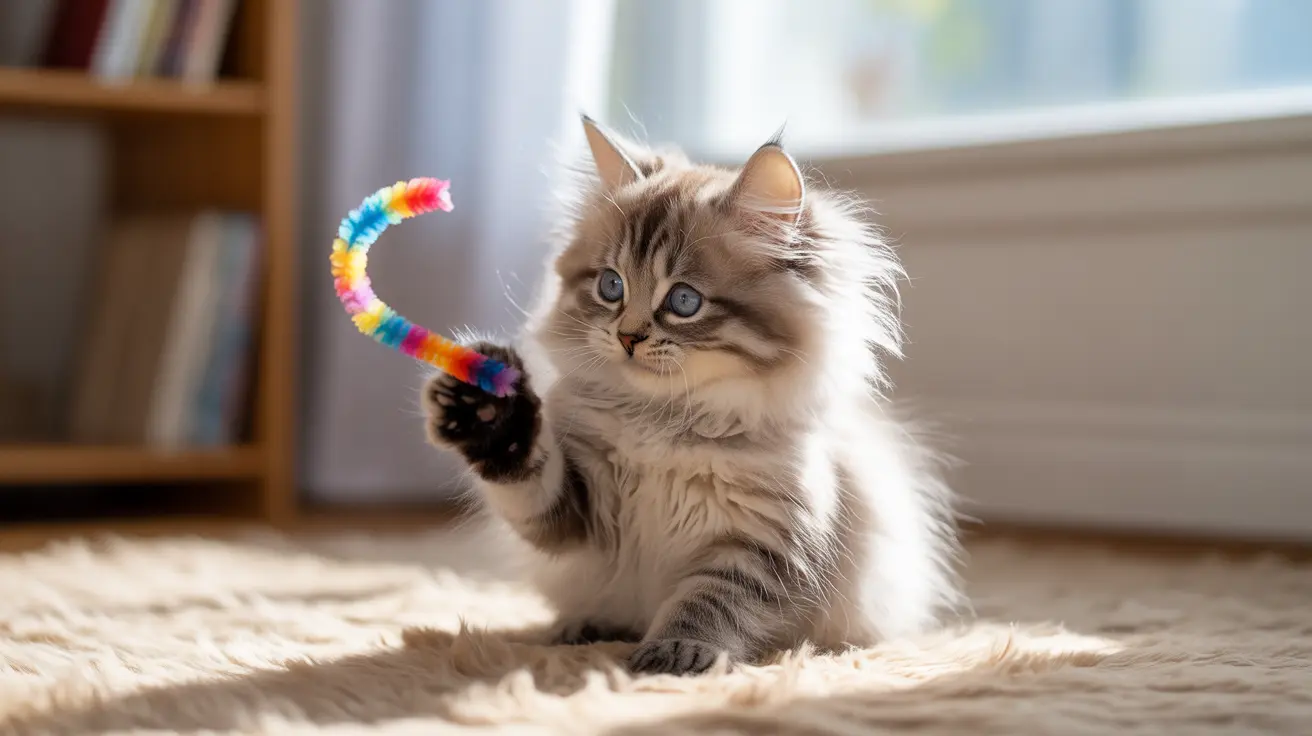
If you’re a cat owner, you know how important it is to keep your furry friend entertained. Pipe cleaner cat toys are popular because they’re cheap, colorful, and easy to make.
But you might be wondering—are these toys really safe for your cat? Before you let your kitty play with them, it’s important to understand the risks and benefits. Keep reading to discover what you need to know to protect your pet while keeping playtime fun and worry-free.
Materials In Pipe Cleaner Toys
Understanding the materials used in pipe cleaner cat toys is crucial for ensuring your pet’s safety. These toys often look harmless, but the components can vary widely. Knowing what’s inside can help you decide if they’re a smart choice for your playful feline.
Types Of Materials Used
Pipe cleaner toys are mostly made from twisted wire wrapped in soft, fuzzy fibers. The wire is usually thin and flexible, allowing easy shaping into fun designs. The fibers can be made from polyester, nylon, or other synthetic materials that add texture and color.
Some pipe cleaners also include glitter or metallic coatings to catch your cat’s eye. While these make the toy more attractive, they can sometimes introduce risks if your cat chews or swallows bits. Always check the label or product description to know exactly what’s inside.
Potential Toxicity Risks
The main concern with pipe cleaner toys is the wire core. If it pokes through the fibers, your cat might get hurt or swallow sharp pieces. This can cause cuts or digestive blockages, which are serious health issues.
Fibers themselves are usually non-toxic, but any added chemicals, dyes, or glitter might not be safe if ingested. If your cat is a heavy chewer, these substances could cause stomach upset or worse. Have you ever noticed your cat eating unusual materials? That habit can turn a harmless toy into a hazard.
Always supervise your cat when playing with pipe cleaner toys and discard them if the wire starts to show. Choosing toys made from pet-safe materials can prevent many common risks. Your cat’s curiosity is natural, but protecting them from hidden dangers is your responsibility.
Credit: www.catster.com
Choking Hazards
Choking hazards are a serious concern when it comes to pipe cleaner cat toys. These toys often have small parts and loose fibers that can easily be swallowed or inhaled by your curious cat. Understanding these risks can help you keep your pet safe while still providing fun playtime.
Small Parts And Loose Fibers
Pipe cleaners are made of thin wires wrapped in fuzzy fibers. Over time, these fibers can come loose or small bits of the wire can break off. These tiny pieces pose a choking risk if your cat chews or swallows them.
Have you noticed your cat pulling off bits from their toys? That’s a red flag. Regularly check pipe cleaner toys for any loose material. If you find any, it’s best to remove the toy immediately to prevent accidental ingestion.
Signs Of Choking In Cats
Recognizing choking signs can save your cat’s life. Look out for coughing, gagging, pawing at the mouth, or difficulty breathing. Your cat might also become restless or panic suddenly.
If your cat shows these symptoms, act fast. Try to gently check their mouth for any visible obstruction. If you can’t remove it easily, seek veterinary help immediately.
Durability And Wear
Pipe cleaner cat toys are popular for their simplicity and fun. But, how durable are they? The durability and wear of these toys matter. Cats love to play rough. They bite, pull, and toss their toys around. This constant play can wear out toys quickly. Understanding how long these toys last is essential for cat owners.
How Long Do They Last?
Pipe cleaner cat toys can vary in lifespan. The duration depends on the quality of the materials. Some pipe cleaners are sturdy. They can withstand weeks of play. Others may not last as long. Frequent biting and scratching can shorten their life. Check the toy regularly. Ensure it remains safe for your cat.
Risks Of Frayed Ends
Frayed ends can pose a risk. They can appear after heavy use. Cats might swallow loose fibers. This can lead to health issues. Always inspect the toys. Look for signs of wear and tear. Replace them if they start to fray. This prevents potential dangers for your cat.
Supervised Play Guidelines
Supervised play is key when using pipe cleaner cat toys. These toys can be fun, but they also pose risks if left alone with your pet. Watching your cat while they play helps prevent accidents and keeps your cat safe. Always make playtime a shared activity to enjoy the moments and protect your furry friend.
Safe Play Practices
- Check the toy for sharp ends before giving it to your cat.
- Use pipe cleaners that are tightly twisted and not easily pulled apart.
- Play with your cat in a calm area to avoid sudden movements.
- Keep play sessions short to maintain your cat’s interest and safety.
- Remove any loose bits of pipe cleaner that could be swallowed.
When To Remove The Toy
- If the pipe cleaner bends out of shape, stop play immediately.
- Remove the toy if your cat chews and breaks it into small pieces.
- Take away the toy if your cat shows signs of distress or discomfort.
- Store pipe cleaners out of reach after playtime ends.
- Replace worn or damaged toys to avoid choking hazards.
Alternatives To Pipe Cleaner Toys
Pipe cleaner toys may look fun but can pose risks for cats. Safe alternatives offer peace of mind and lasting playtime. Choosing the right toys keeps cats happy and healthy. Explore options made for feline safety and engagement.
Commercial Cat Toys
Many commercial toys are designed with cat safety in mind. They often use non-toxic materials and sturdy construction. Options include:
- Soft balls and plush mice
- Interactive wand toys with feathers or ribbons
- Durable rubber or silicone balls
- Catnip-filled toys for extra fun
- Laser pointers for safe chasing games
These toys offer safe stimulation and reduce chewing risks. Always check labels for safety certifications and durability. Replace toys showing damage to avoid choking hazards.
Diy Safe Toy Options
Homemade toys can be safe and budget-friendly. Use materials that do not break apart easily or contain harmful chemicals. Ideas include:
- Paper balls made from crumpled clean paper
- Cardboard tubes from toilet paper rolls
- Fabric strips tied into knots
- Empty plastic bottle caps (supervised play only)
- Simple sock toys filled with catnip
Always supervise DIY toy play to ensure safety. Avoid small parts that cats can swallow. Regularly inspect homemade toys and replace if worn out.

Credit: www.amazon.com
Veterinary Insights
Understanding what veterinarians say about pipe cleaner cat toys can help you make safer choices for your furry friend. These toys might seem harmless, but vets often see the consequences when things go wrong. Listening to their insights gives you a clearer picture of risks and prevention.
Common Injuries From Unsafe Toys
Pipe cleaners can cause several injuries if cats chew or swallow parts of them. Sharp ends may cut your cat’s mouth, gums, or throat, leading to pain and infection.
Some cats swallow small pieces, which might cause choking or blockages in the digestive system. These blockages often require emergency surgery and can be life-threatening.
Vets also warn about the risk of toxic reactions if the pipe cleaners have chemical coatings. Such toxins can upset your cat’s stomach or cause more serious health issues.
Advice From Cat Health Experts
Most vets advise against using pipe cleaners as cat toys because of these safety concerns. They recommend choosing toys made specifically for cats, which are designed to be safe and durable.
If you still want to use pipe cleaners, make sure to supervise your cat at all times. Remove the toy immediately if you see any signs of wear or if your cat starts chewing aggressively.
Regularly check your cat’s mouth and behavior for any signs of injury or discomfort. Early detection can prevent serious problems and save you from costly vet visits.
Have you noticed your cat chewing on unsafe objects before? How did you handle it? Your experience could help others keep their pets safe too.

Credit: www.youtube.com
Frequently Asked Questions
Are Pipe Cleaner Cat Toys Safe For Kittens?
Pipe cleaner toys can be risky for kittens. They may swallow small pieces, causing choking or digestive issues. Always supervise playtime and choose safer alternatives for young cats to prevent accidents and ensure their safety.
What Are The Risks Of Pipe Cleaner Cat Toys?
Pipe cleaners can unravel and break into small parts. Cats might ingest these pieces, leading to choking or intestinal blockages. Additionally, sharp ends can cause mouth or paw injuries, making these toys potentially hazardous without supervision.
How To Make Pipe Cleaner Toys Safer For Cats?
To enhance safety, twist pipe cleaners tightly and avoid sharp ends. Supervise your cat during play and inspect toys regularly for damage. Consider combining pipe cleaners with other materials to reduce risk and increase durability.
Are There Safer Alternatives To Pipe Cleaner Cat Toys?
Yes, safer options include fabric toys, rubber balls, and interactive laser pointers. These alternatives are durable and less likely to break apart, reducing choking hazards and injury risks while keeping your cat entertained.
Conclusion
Pipe cleaner cat toys can be fun but carry risks. Cats may swallow small pieces, causing harm. Always watch your pet while they play. Choose toys made from safe, durable materials instead. Regularly check for damage and throw away broken toys.
Keeping your cat safe is the top priority. Playtime should be enjoyable and worry-free for both of you. Safe toys help your cat stay happy and healthy. Remember, careful supervision makes all the difference.

Leave a Reply