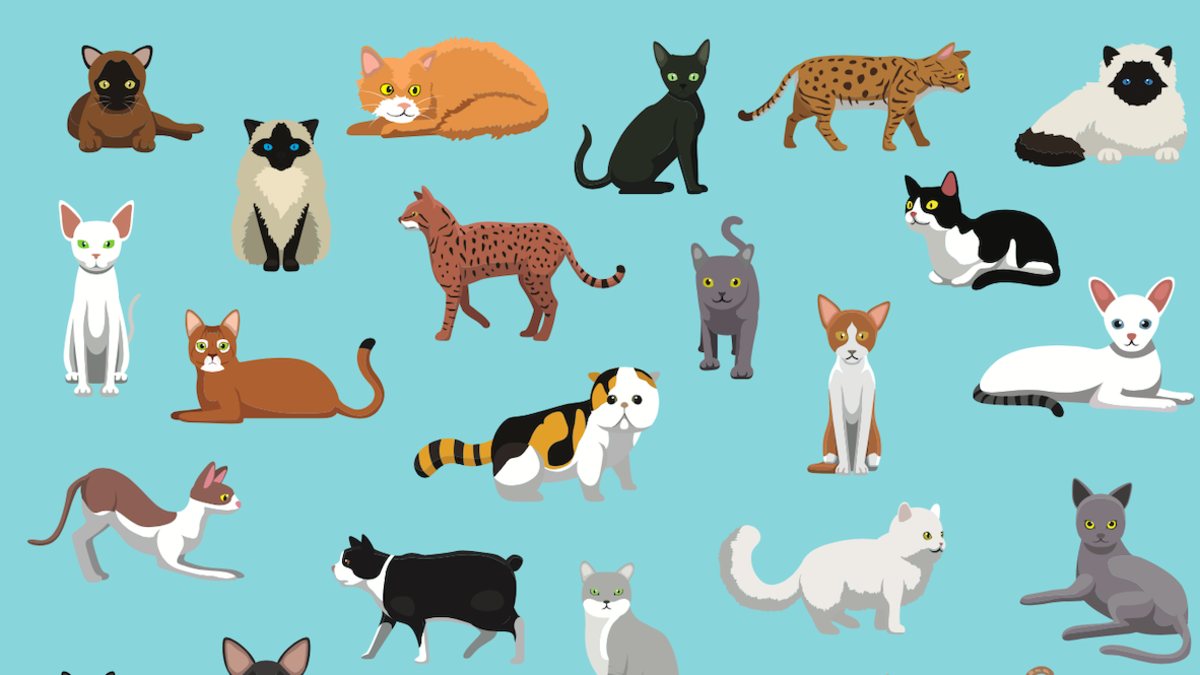
Have you ever wondered just how many different types of cats exist? If you’re curious about the variety of feline friends out there, you’re in the right place.
Knowing the number of cat breeds can help you understand your own pet better or guide you if you’re thinking about adopting a new one. By the end of this article, you’ll discover surprising facts about cat breeds that might change the way you see these charming creatures.
Ready to find out how many known cat breeds there really are? Let’s dive in!
Cat Breed Classification
Cat breed classification helps organize the many types of cats worldwide. It groups cats based on their physical traits, history, and genetics. This system guides breeders, judges, and cat lovers in identifying and appreciating different breeds. Understanding these classifications clarifies how many breeds exist and their unique features.
International Cat Associations
Several international cat associations set the rules for breed classification. They work globally to promote and protect cat breeds. Each association may recognize different breeds or have varied standards. Some well-known associations include:
- The Cat Fanciers’ Association (CFA)
- The International Cat Association (TICA)
- The Fédération Internationale Féline (FIFe)
These organizations hold cat shows and maintain breed registries. They help keep breed information accurate and up to date.
Breed Standards And Recognition
Breed standards describe the ideal features of a cat breed. These include size, coat color, eye shape, and personality traits. Standards help judges decide if a cat fits its breed. Recognition means a breed is officially accepted by an association.
New breeds must meet strict criteria before recognition. This process ensures breed purity and consistency. Over time, breed standards may evolve with new discoveries or changes.
Popular Cat Breeds Worldwide
Cat breeds have captured the hearts of people around the world. Each breed brings unique traits and charm. Some cats are popular for their friendly nature. Others stand out with their beautiful looks or playful spirit. Understanding popular cat breeds helps in choosing the right companion.
Top Domestic Breeds
Domestic cat breeds are common in many homes. They often have gentle temperaments and adapt well to families.
- Siamese:Known for striking blue eyes and vocal nature.
- Persian:Famous for long fur and calm personality.
- Maine Coon:Large size and friendly, gentle behavior.
- Ragdoll:Soft coat and relaxed, affectionate attitude.
- British Shorthair:Round face and dense fur with easygoing nature.
Exotic And Rare Breeds
Exotic breeds appeal to those seeking something unique. These cats may have special appearances or rare origins.
- Bengal:Wild leopard-like spots and energetic personality.
- Sphynx:Hairless with wrinkled skin and social behavior.
- Scottish Fold:Folded ears and charmingly curious.
- Turkish Van:Known for swimming skills and distinctive markings.
- Peterbald:Sleek, hairless or short-coated with elegant looks.
Breed Origins And History
Cats have a rich history that dates back thousands of years. Their breeds tell stories of ancient civilizations and modern breeding efforts. Understanding the origins helps appreciate the diversity seen today. Each breed carries traits shaped by geography, culture, and purpose.
Ancient Cat Breeds
Some cat breeds have existed for centuries. These cats often come from regions where humans first domesticated them. For example, the Egyptian Mau is linked to ancient Egypt. It has a spotted coat and graceful build. Another is the Siamese cat, originating in Thailand. These breeds show early human influence on cats.
Ancient breeds typically adapted naturally to their environment. Their features helped them survive and thrive. People valued these cats for hunting or companionship. They often appear in historical art and stories, proving their long-standing role with humans.
Modern Breed Development
Modern cat breeds emerged through careful breeding in the last two centuries. Breeders aimed to create specific looks and temperaments. This process involves selecting cats with desired traits and mating them over generations.
Examples include the Persian, known for its long fur and flat face, and the Maine Coon, famous for its size and friendly nature. New breeds continue to develop as breeders experiment with traits. This creates a growing number of recognized cat breeds worldwide.
Physical Traits Of Cat Breeds
Physical traits define each cat breed’s unique charm and personality. These traits help you recognize breeds at a glance and understand their care needs better. From fluffy coats to sleek bodies, every detail tells a story about a cat’s heritage and lifestyle.
Coat Types And Colors
Cat breeds show a stunning variety in coat types and colors. Some have short, dense fur like the British Shorthair, while others boast long, flowing locks such as the Maine Coon. The texture can range from silky smooth to coarse or even curly, as seen in the Cornish Rex.
Colors also vary widely. You might find solid black coats, striking tabby stripes, elegant calico patterns, or rare color points like those on a Siamese. Did you know that certain colors can be linked to breed-specific traits? For example, the Russian Blue is famous for its shimmering blue-gray coat, which adds to its mystique.
Size And Body Structure
Size differences between cat breeds can surprise you. The tiny Singapura may weigh just 4 pounds, while the hefty Maine Coon can exceed 18 pounds. Body shapes differ too — some breeds have muscular builds, others are slender and agile, and a few have distinctive features like the Scottish Fold’s folded ears.
Your choice of cat might depend on the size and structure that fits your living space or lifestyle. A compact, playful breed might be perfect for apartment living, while a larger, more relaxed cat could thrive in a house with room to roam. How does your environment influence the breed you connect with?
Temperaments Across Breeds
Every cat breed carries its own unique personality, shaping how they interact with you and their environment. Understanding these temperaments can help you find a feline friend that fits your lifestyle perfectly. Whether you want a lively playmate or a gentle companion, the variety in cat temperaments is vast and fascinating.
Playful And Energetic Cats
Some breeds are known for their boundless energy and curiosity. They love to chase toys, explore every nook, and engage in interactive play. This makes them ideal if you enjoy an active cat that keeps you entertained.
- Bengal:Known for their high energy and intelligence, Bengals require plenty of stimulation and playtime.
- Abyssinian:These cats are agile and curious, often seeking new adventures around the house.
- Oriental Shorthair:Very vocal and lively, they thrive in homes where they get lots of attention and activity.
Have you ever noticed how a playful cat can brighten even the dullest days? Their energy can be contagious, encouraging you to stay active and engaged too.
Calm And Affectionate Breeds
Other breeds offer a more relaxed, loving presence. They enjoy cuddling and sitting quietly by your side, making them perfect for calm households or those who want a soothing companion.
- Ragdoll:Famous for their gentle nature, they often go limp when held and love being close to their humans.
- British Shorthair:These cats have a calm demeanor and are usually very patient and affectionate.
- Scottish Fold:Known for their sweet and quiet nature, they often bond closely with their owners.
Do you prefer a cat that follows you around quietly rather than one that demands constant play? Choosing the right temperament can transform your daily experience with your feline friend.

Credit: www.petbook-magazine.com
How New Breeds Emerge
New cat breeds form through careful breeding of unique traits. Today, over 70 recognized breeds show the variety in cats worldwide. Each breed has special features that make it stand out.
Understanding how new cat breeds emerge can be a fascinating journey into genetics and creativity. Cat breeders and enthusiasts around the world are continually discovering and developing new breeds. This evolutionary process involves both intentional efforts and natural occurrences that lead to the unique breeds we see today.Selective Breeding
Selective breeding is one of the most common ways new cat breeds come into existence. Breeders carefully choose parent cats with specific traits to produce offspring with desirable characteristics. This can include attributes like coat color, pattern, body structure, or even temperament. Imagine you want a cat with a luxurious, long-haired coat and a calm demeanor. Through selective breeding, you can pair cats that exhibit these qualities, enhancing these traits in future generations. It’s a meticulous process that requires patience and understanding of genetics. But selective breeding isn’t just about aesthetics. Breeders also focus on health, ensuring that new breeds are robust and free from genetic issues. This balance between beauty and health is what makes selective breeding both an art and a science.Natural Mutations
Sometimes, nature takes the lead in creating new breeds through natural mutations. These spontaneous genetic changes can result in unique traits that weren’t previously present in a breed. Once a mutation appears, breeders might decide to preserve and enhance it, giving rise to a new breed. Think of the Sphynx cat, known for its hairless body. This breed originated from a natural mutation in domestic cats. Breeders saw potential in this unique feature and worked to develop the Sphynx as a distinct breed. Natural mutations can be unpredictable, but they add diversity to the feline world. They remind us that while humans can guide the process, nature often has its own plans. Have you ever thought about what unique traits your cat might have due to natural mutations? By understanding both selective breeding and natural mutations, you can appreciate the diversity of cat breeds and the intricate processes behind their emergence. Whether you’re a cat lover or a budding breeder, these insights might just inspire you to explore the feline world further.Challenges In Counting Cat Breeds
Counting the exact number of cat breeds is not simple. Different cat registries and organizations recognize different breeds. This variety causes confusion about how many breeds truly exist. Experts and cat lovers often disagree on breed lists. The challenge grows because new breeds develop over time. Some breeds may be rare or less known, which adds to the difficulty. Understanding these challenges helps explain why breed counts vary widely.
Variations In Recognition
Different cat associations have their own breed standards. Some recognize only well-established breeds. Others accept newer or experimental breeds. This leads to differences in breed counts. For example, the Cat Fanciers’ Association lists about 45 breeds. The International Cat Association recognizes over 70 breeds. Recognition depends on criteria like genetics, appearance, and history. Some breeds meet strict rules, while others do not. This variation makes it hard to agree on one number.
Hybrid And Mixed Breeds
Hybrid cats result from crossing two different breeds. Mixed breeds have ancestry from multiple breeds or unknown origins. These cats often do not fit official breed categories. Some hybrids gain recognition over time as new breeds. Others remain unclassified or labeled as “domestic.” The presence of hybrids and mixed cats blurs breed boundaries. This factor further complicates counting how many breeds exist.

Credit: www.threads.com
Resources To Explore Cat Breeds
Exploring the world of cat breeds is a fascinating journey. Various resources help uncover the unique traits and histories of each breed. These tools make learning about cats easy and fun. They suit beginners and those who already love cats.
Resources include books packed with detailed information. Online databases offer quick access to breed facts. Both types provide trustworthy knowledge to guide cat enthusiasts.
Books And Guides
Books about cat breeds often feature beautiful photos and clear descriptions. They explain breed origins, personality traits, and care tips. Some popular titles include:
- “The Complete Cat Breed Book” – a comprehensive guide with breed histories.
- “Cat Breeds of the World” – focuses on breed standards and characteristics.
- “The Cat Encyclopedia” – offers detailed breed profiles and care advice.
These guides serve as great references for anyone wanting to deepen their cat knowledge. They are available in libraries, bookstores, or online.
Online Breed Databases
Online databases provide fast, easy access to breed information anytime. Many sites list recognized breeds with photos and facts. Features often include:
- Search tools by breed name or traits.
- Comparisons between different cat breeds.
- Information on health, behavior, and grooming.
Examples of reliable databases are The International Cat Association (TICA) and the Cat Fanciers’ Association (CFA). These websites stay updated with the latest breed standards and discoveries.
:format(jpeg):quality(75))
Credit: manypets.com
Frequently Asked Questions
How Many Recognized Cat Breeds Exist Worldwide?
There are approximately 70 to 75 recognized cat breeds worldwide. Different cat associations may list slightly varying numbers based on breed standards.
Which Cat Breed Is The Most Popular Globally?
The Persian cat is one of the most popular breeds globally. Its long fur and calm personality attract many cat lovers.
How Do Cat Breeds Differ From One Another?
Cat breeds differ in size, coat length, color, personality, and origin. These traits define each breed’s unique characteristics.
Are New Cat Breeds Still Being Discovered?
Yes, new cat breeds are occasionally developed through breeding programs. They combine unique traits to meet breed standards.
Conclusion
Cat breeds vary widely, with many unique types recognized worldwide. Each breed has special features and personalities. Knowing the number of breeds helps cat lovers understand diversity. This knowledge can guide choices for pet owners and fans. Exploring cat breeds brings fun and learning together.
Keep discovering to find the perfect cat match for you. The world of cats is full of surprises and charm.


Leave a Reply