Knowing exactly when to switch your cat to adult food can feel confusing. You want to give your furry friend the best nutrition at every stage of life.
But how do you tell when kitten food is no longer enough? And why does the timing matter so much for your cat’s health? You’ll discover clear signs to look for and smart tips to make the transition smooth and stress-free.
Keep reading to ensure your cat stays happy and healthy as they grow.

Credit: www.tippaws.com
Signs Your Cat Is Ready
Knowing when to switch your cat to adult food is important for their health. Cats grow and change quickly. Watching for certain signs helps make this change smooth. These signs show your cat’s body and habits are ready for adult nutrition.
Age Milestones
Kittens usually start to eat adult food around one year old. Some cats may be ready a little earlier, at nine months. Small breeds might transition sooner than large breeds. Check your cat’s breed and size as a guide. Age is a simple but key factor in deciding the switch.
Behavioral Changes
Your cat’s eating habits may shift as they grow. They might seem less playful and more independent. Appetite can increase or stabilize as they mature. Notice if your cat finishes kitten food quickly or shows interest in adult meals. These behavior changes hint at readiness for adult food.
Growth Patterns
Watch your cat’s weight and body shape closely. Growth slows down as they near full size. Muscle development becomes more noticeable. If your cat looks more filled out and less fragile, they are likely ready. Healthy growth patterns show your cat needs adult food nutrients.
Choosing The Right Adult Food
Choosing the right adult food for your cat is essential for their health and happiness. It’s not just about picking any bag off the shelf. You need to consider their unique needs and preferences to ensure they thrive as they grow.
Nutritional Needs
Your cat’s nutritional needs change as they transition from kitten to adult. Adult cat food should have the right balance of protein, fats, and essential vitamins to support their metabolism and maintain muscle mass.
Look for foods with high-quality animal protein listed as the first ingredient. Cats are obligate carnivores, so they need meat to stay healthy. Avoid foods with too many fillers like corn or wheat, which provide little nutritional value.
Wet Vs. Dry Food
Deciding between wet and dry food can be tricky. Wet food helps keep your cat hydrated and often tastes better, which can be great if your cat is a picky eater.
Dry food is convenient, less messy, and can help keep your cat’s teeth cleaner. Many cat owners find a mix of both works best. Have you noticed your cat’s preference or any digestion changes when switching food types?
Special Dietary Requirements
Some cats need special diets due to allergies, sensitivities, or health issues like kidney disease or obesity. If your cat has any of these conditions, consult your vet before choosing adult food.
There are formulas designed to support specific health needs, such as grain-free, low-calorie, or limited ingredient diets. Paying attention to these can make a big difference in your cat’s comfort and longevity.
How To Transition Smoothly
Transitioning your cat from kitten to adult food is crucial. It ensures they get the right nutrients as they grow. A smooth transition minimizes stress and digestive issues. Here’s how you can make the change seamless for your feline friend.
Gradual Mixing Techniques
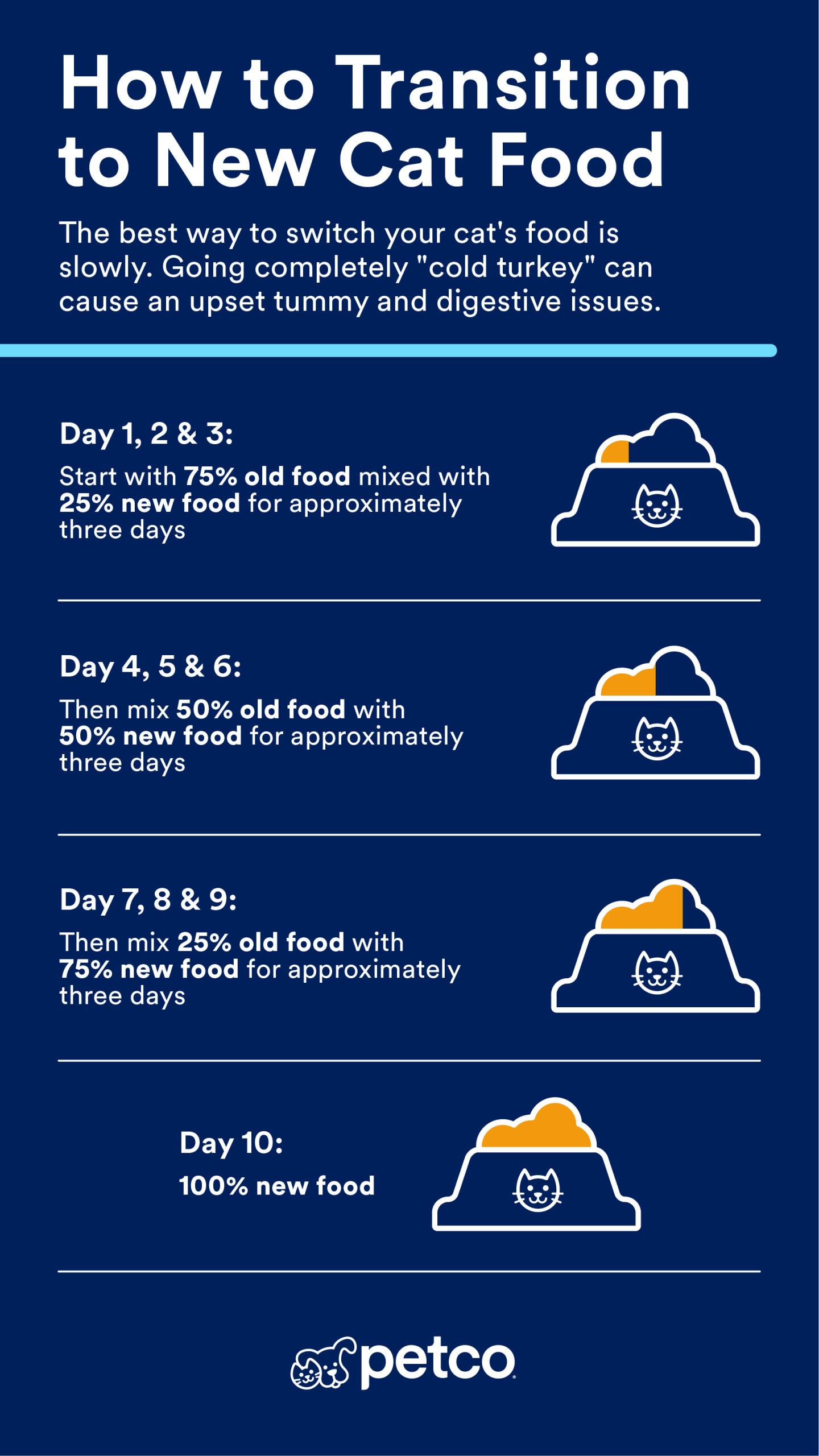
Begin by mixing a small amount of adult food with their current food. Over seven to ten days, gradually increase the adult food. This allows your cat’s digestive system to adjust. A slow transition helps avoid stomach upset.
Monitoring Appetite And Digestion
Watch your cat’s appetite during the transition. Ensure they are eating well and not refusing meals. Look for any signs of digestive issues. Vomiting or diarrhea can indicate a problem. If issues arise, slow down the transition.
Adjusting Portion Sizes
Adult cats need different portion sizes than kittens. Check the feeding guidelines on the adult food package. Adjust portions based on your cat’s weight and activity level. Too much food can lead to obesity. Too little can cause nutritional deficiencies. Balance is key.

Credit: www.tippaws.com
Common Challenges And Solutions
Transitioning a cat to adult food can bring some challenges. Each cat reacts differently to changes in diet. Understanding common issues helps pet owners manage this phase smoothly. Addressing problems early ensures your cat stays healthy and happy.
Picky Eating
Some cats refuse new food at first. They may prefer the taste or texture of kitten food. Patience is key. Try mixing small amounts of adult food with kitten food. Gradually increase the adult food over several days. Warm the food slightly to enhance aroma. Avoid sudden changes to prevent stress. Consistency helps cats accept new meals.
Digestive Upset
Switching foods can cause stomach upset. Symptoms include vomiting, diarrhea, or gas. Introduce adult food slowly to reduce risk. Offer plenty of fresh water. Monitor your cat’s bathroom habits closely. If problems last more than a few days, consult a vet. A vet may suggest a special diet or supplements to soothe digestion.
Allergic Reactions
Some cats develop allergies to new ingredients. Watch for itching, redness, or swelling. Other signs include sneezing or coughing. If allergies appear, stop the new food immediately. Consult a veterinarian for allergy testing. They may recommend hypoallergenic food options. Switching to limited-ingredient diets can also help avoid allergens.
When To Consult Your Veterinarian
Transitioning your cat to adult food is an important step. Sometimes, it requires expert advice to ensure your cat stays healthy. Consulting your veterinarian helps you make the right decision for your cat’s diet. They can guide you based on your cat’s specific needs and health status.
Health Concerns
Some cats may have underlying health issues that affect their diet. Your veterinarian can check for problems like digestive troubles or allergies. They can suggest the best food options to avoid worsening these issues. Early detection of health concerns leads to better dietary choices.
Special Health Conditions
Cats with special conditions need tailored diets. Conditions like kidney disease or diabetes require careful food selection. Your vet can recommend foods that support these health needs. This prevents complications and helps maintain your cat’s wellbeing.
Professional Dietary Advice
Veterinarians know which foods meet your cat’s age and lifestyle. They consider factors like activity level and growth rate. Professional advice ensures balanced nutrition during the transition. This helps your cat grow strong and stay active.

Credit: www.reddit.com
Frequently Asked Questions
When Is The Best Age To Switch To Adult Cat Food?
Most cats transition to adult food between 12 and 18 months. This timing matches their slowing growth and changing nutritional needs.
What Signs Show My Cat Needs Adult Food?
Look for slowed growth, reduced activity, and changes in weight. These signs indicate your cat’s diet should shift to adult formulas.
Can I Mix Kitten And Adult Food During Transition?
Yes, gradually mixing kitten and adult food over 7-10 days helps your cat adjust smoothly to new nutrition.
Why Is Switching To Adult Food Important For Cats?
Adult food has balanced nutrients for maintenance, supporting overall health and preventing obesity or nutrient excess common in kittens.
Conclusion
Transitioning your cat to adult food is an important step. Watch for signs that your kitten is growing. Usually, cats switch foods between 9 and 12 months old. Gradually mix adult food with kitten food to avoid stomach upset. Pay attention to your cat’s weight and energy.
Healthy eating supports a long, happy life. Keep your cat’s needs in mind. This change helps them stay strong and active. Take your time and be patient. Your cat will thank you with purrs and play.



Leave a Reply