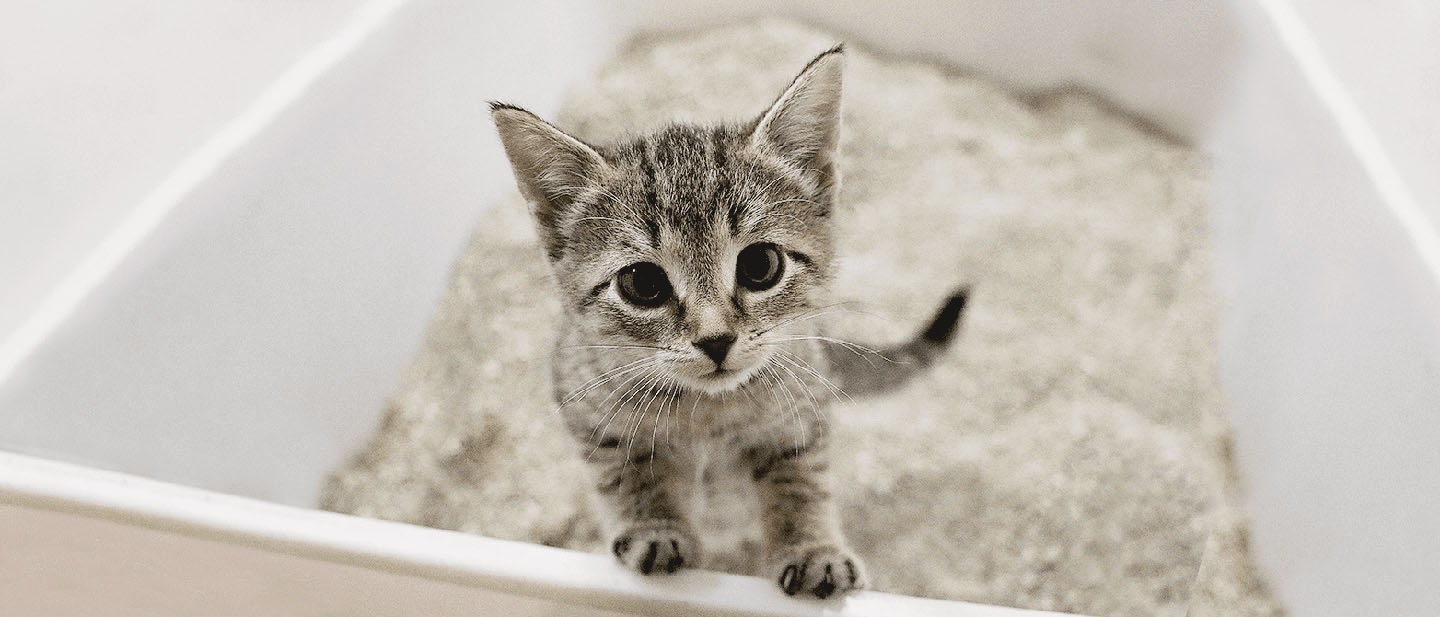
If you’re tired of constantly cleaning up after your cat or dealing with messy litter boxes, learning how to potty train your cat to use a litter box can be a real game-changer. Imagine a cleaner home and a happier pet, without the stress of accidents or odors.
In this guide, you’ll discover simple, effective steps that anyone can follow to help your cat develop good bathroom habits quickly. Keep reading, and you’ll find out exactly how to make this process easy and stress-free for both you and your furry friend.
Choosing The Right Litter Box
Choosing the right litter box is a crucial step in potty training your cat. The right box encourages your cat to use it consistently, making the training process smoother for both of you. Understanding the types of litter boxes, their size, placement, and the litter you select can make a big difference in your cat’s comfort and hygiene habits.
Types Of Litter Boxes
There are several types of litter boxes available, and each suits different cats and living spaces. Open litter boxes are simple and easy to clean but may not contain odors well. Covered boxes help reduce smell and provide privacy, but some cats might dislike the enclosed space.
Self-cleaning litter boxes are convenient but can be noisy or intimidating for shy cats. Consider your cat’s personality and preferences. Have you noticed if your cat prefers privacy or open spaces?
Size And Placement Tips
The litter box should be large enough for your cat to move around comfortably. A good rule is to choose a box at least one and a half times your cat’s length from nose to tail. If the box is too small, your cat might avoid it.
Placement matters just as much. Cats prefer quiet, low-traffic areas away from their food and water. Avoid placing the box near loud appliances or in cramped corners. Do you have a calm spot in your home where your cat can feel safe and undisturbed?
Selecting Cat-friendly Litter
Not all cat litter is created equal. Cats tend to prefer fine-grained, unscented litter that feels soft on their paws. Clumping litter is popular because it’s easy to scoop and keeps the box cleaner longer.
Avoid heavily scented litters as they can repel your cat or cause allergies. You might need to try a few types to find what your cat likes best. What kind of litter has your cat responded to in the past?
Credit: drpashu.com
Preparing Your Cat
Getting your cat ready for litter box training is the key to success. Cats don’t always come with an instruction manual, but they do show signs when they’re ready to learn. Paying attention to these signals helps you know the right moment to introduce the litter box.
Recognizing Readiness Signs
Watch your cat’s behavior closely. Are they sniffing around corners or digging in unusual spots? This curiosity often means they’re ready to use a designated bathroom area.
Look for signs such as:
- Squatting or scratching on the floor or carpet
- Showing interest in your own bathroom habits
- Spending time in quiet, hidden spots
These actions suggest your cat is trying to communicate a need. Have you noticed your cat acting restless or searching for a place to relieve itself? That’s your cue to start the training process.
Introducing The Litter Box Gradually
Don’t rush your cat into using the litter box. Start by placing it in a quiet, accessible spot without forcing your cat to interact with it immediately.
Try this approach:
- Put the box where your cat already likes to go
- Allow your cat to explore the box at their own pace
- Use a small amount of litter at first, adding more gradually
When your cat is near the box, gently encourage them by placing them inside for short periods. Have you tried rewarding your cat with treats or gentle praise after they use the box? Positive reinforcement builds good habits faster.
Training Techniques
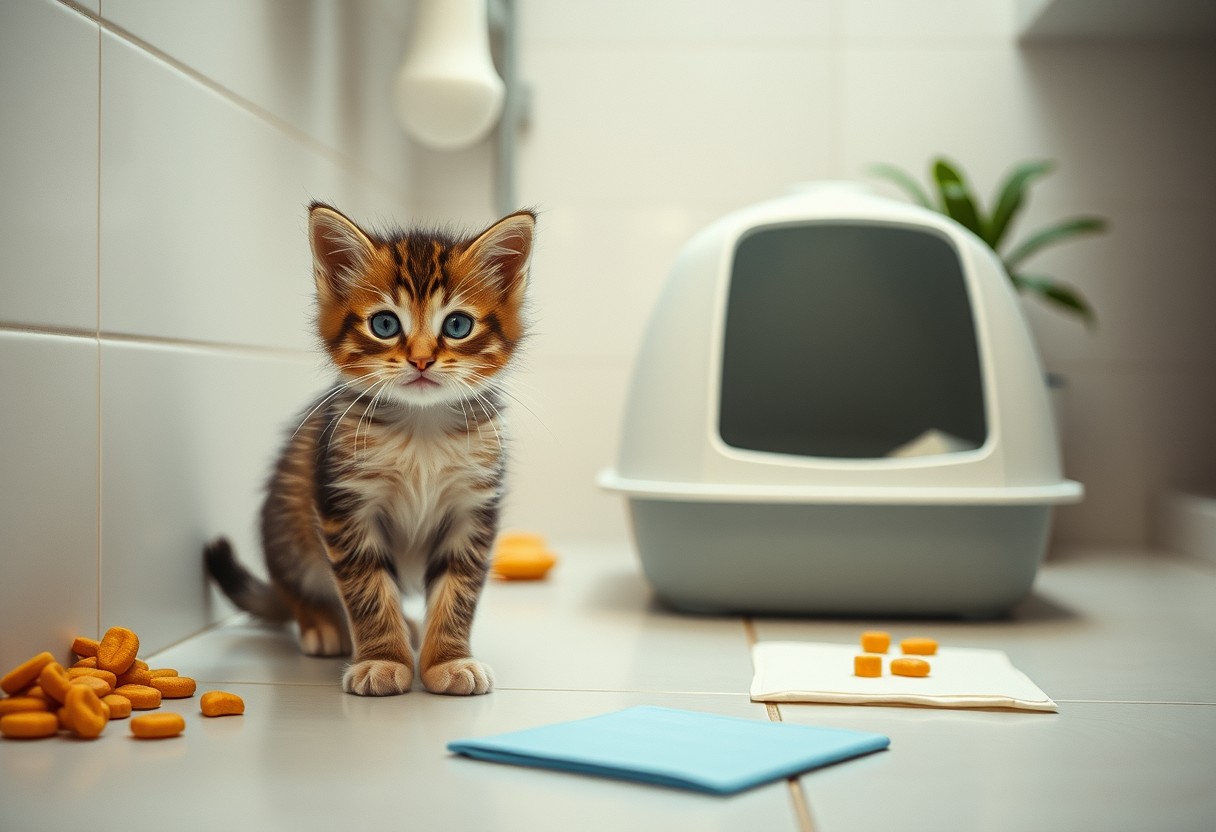
Place the litter box in a quiet, accessible spot to encourage use. Gently guide your cat to the box after meals and naps, praising them when they use it. Keep the box clean to maintain your cat’s interest and comfort.
Potty training a cat can seem daunting, but with the right techniques, it becomes manageable. Understanding your cat’s behavior is key. Consistency and patience are your allies in this process. Let’s explore some effective training techniques to ensure success.Using Positive Reinforcement
Cats respond well to rewards. Each time your cat uses the litter box correctly, reward them. Use treats, gentle praise, or petting. Make sure the reward is immediate. This helps your cat associate the litter box with positive experiences. Avoid punishing mistakes. Negative reactions can cause stress and setbacks.Establishing A Routine
Cats thrive on routine. Establish a regular schedule for feeding and bathroom breaks. Place your cat in the litter box after meals and naps. This mimics natural elimination times. Consistent timing helps your cat understand expectations. Keep the litter box clean and accessible. A clean environment encourages use.Handling Accidents Properly
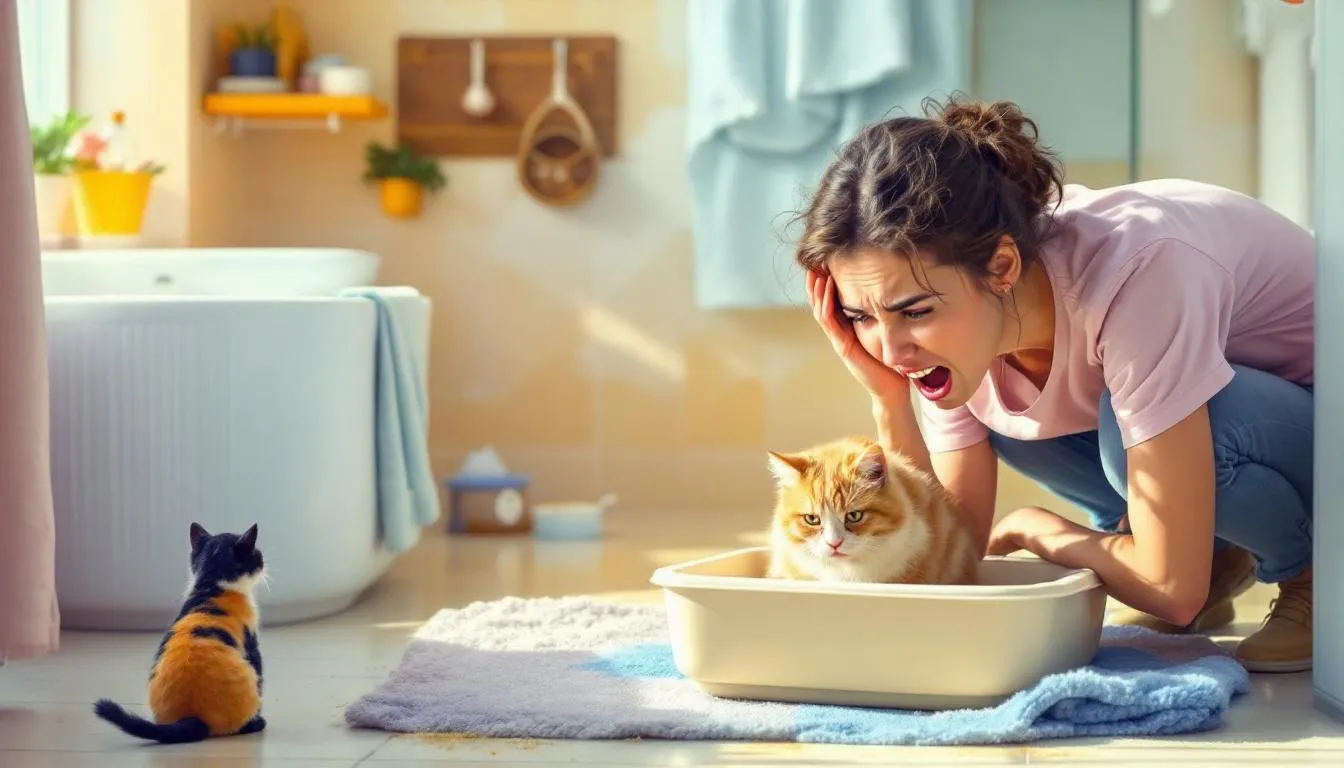
Accidents happen. Stay calm and avoid scolding your cat. Clean the area with an enzymatic cleaner. This removes odors that attract repeated mistakes. Observe patterns in accidents to identify triggers. Adjust routines or location of the litter box if needed. Remember, patience is crucial in the training process.
Credit: www.amazon.com
Troubleshooting Common Issues
Troubleshooting common issues helps maintain a clean and stress-free litter box routine. Cats may resist using their litter box for many reasons. Identifying these reasons early improves training success. Understanding your cat’s behavior and health plays a big role. This section covers ways to resolve common challenges.
Dealing With Litter Box Aversion
Some cats avoid the litter box due to discomfort or fear. Dirty litter boxes repel cats. Clean the box daily to encourage use. Choose unscented, clumping litter for better acceptance. Place the box in a quiet, low-traffic area. Avoid sudden changes in litter type or location. Use positive reinforcement when your cat uses the box correctly.
Addressing Health Concerns
Health problems often cause litter box issues. Urinary tract infections or constipation can make cats avoid the box. Watch for signs like straining or frequent urination outside the box. Schedule a vet visit if you notice unusual behavior. Treating health issues improves litter box habits quickly. Keep the litter box accessible during recovery.
Managing Multiple Cats
Multiple cats can create litter box challenges. Each cat needs its own litter box plus one extra. This reduces territorial disputes and stress. Place boxes in different locations around the house. Clean each box regularly to prevent odor build-up. Observe interactions between cats near the boxes. Separate cats temporarily if conflicts arise around the litter box.
Maintaining Good Habits
Maintaining good habits is key to keeping your cat happy and comfortable with the litter box. Consistent care helps prevent accidents and keeps your home smelling fresh. It also ensures your cat trusts the litter box and uses it regularly.
Cleaning And Odor Control
Clean the litter box daily by scooping out waste. Replace the litter completely at least once a week. Use unscented, clumping litter to make cleaning easier. Wash the box with mild soap and warm water. Avoid strong chemicals that can repel your cat. Place the box in a quiet, well-ventilated spot to reduce odors.
Monitoring Behavior Changes
Watch for changes in your cat’s litter box habits. Skipping the box or hiding can signal stress or illness. Note if your cat urinates outside the box or scratches excessively. Early detection helps address problems quickly. Consult a vet if your cat shows sudden behavior changes. Keep a record of any unusual litter box activity for reference.
Credit: vetic.in
Frequently Asked Questions
How Long Does Cat Litter Box Training Take?
Most cats learn litter box habits within one to two weeks. Consistency and patience speed up the process. Younger cats often adapt faster than older ones.
What Litter Type Is Best For Training Cats?
Unscented, clumping clay litter is ideal for training. It absorbs odors well and is easy for cats to dig in. Avoid scented litters as they may deter cats.
How To Encourage A Cat To Use The Litter Box?
Place the box in a quiet, accessible area. Keep it clean by scooping daily. Reward your cat with treats and praise after use to reinforce good behavior.
Can I Use Multiple Litter Boxes For Training?
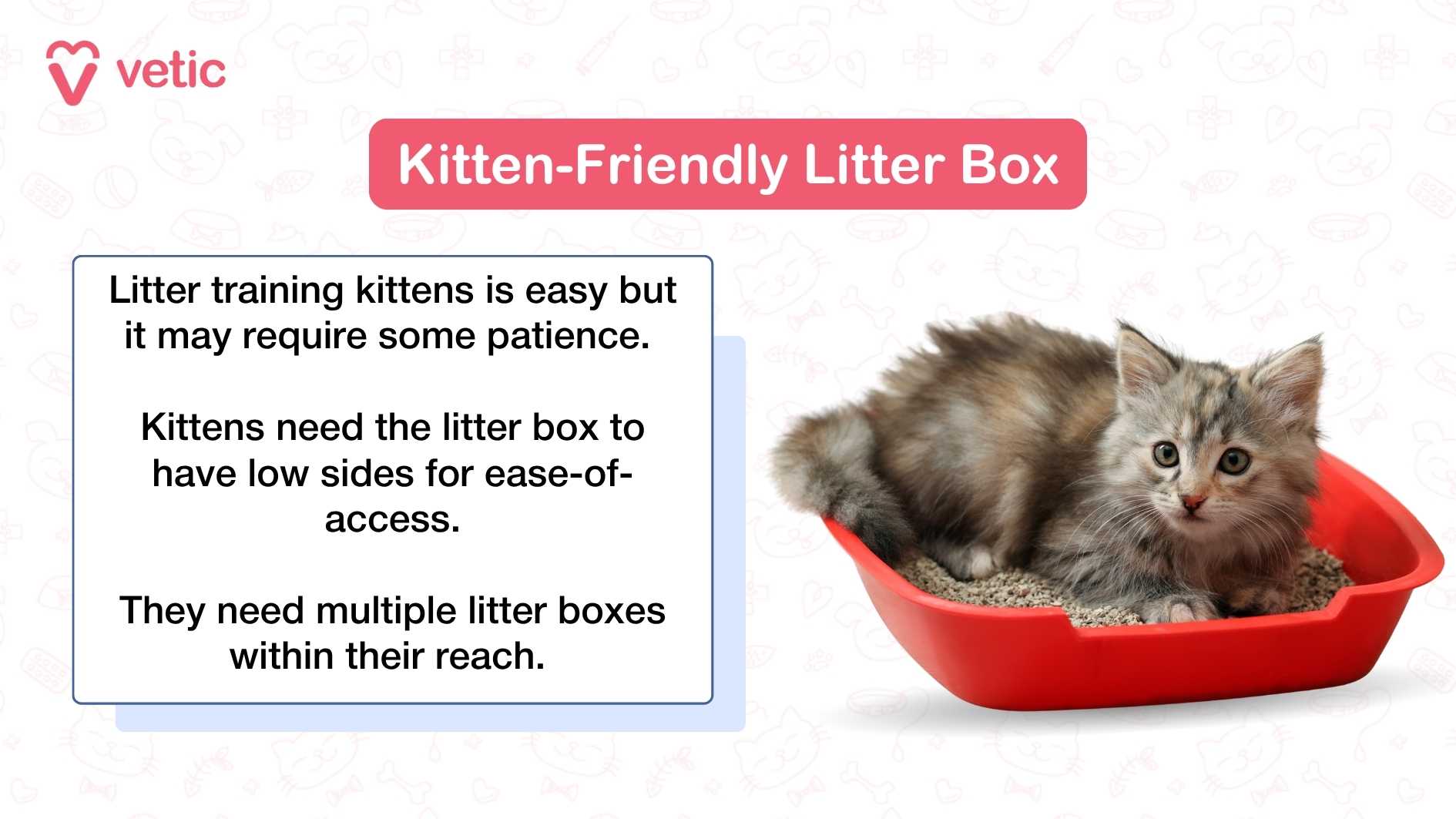
Yes, having multiple boxes reduces accidents and eases access. Place boxes in different rooms to accommodate your cat’s preferences. Clean all boxes regularly to maintain hygiene.
Conclusion
Potty training your cat with a litter box takes patience and care. Start with a clean, quiet spot for the box. Show your cat where it is and praise good behavior. Keep the box clean to encourage use every day.
Watch your cat’s habits and adjust as needed. Most cats learn quickly with consistent guidance. Enjoy a cleaner home and a happy pet. Small steps lead to big success. Keep trying, and your cat will get it soon.

Leave a Reply