
Have you ever noticed your cat meowing while playing with her toy and wondered why? It’s a curious behavior that can leave you puzzled.
Your furry friend isn’t just making noise for no reason—there’s something important she’s trying to tell you. Understanding this unique way your cat communicates can bring you closer and make playtime even more special. Keep reading to discover the surprising reasons behind your cat’s meows during play and how you can respond to make her happier.
Cat Vocalizations And Toys
Have you ever noticed your cat meowing while playing with her toy? This behavior can be puzzling but it actually reveals a lot about how cats communicate and interact with their environment. Understanding the different vocal sounds your cat makes during playtime can give you insight into her feelings and needs.
Types Of Cat Meows
Cats use meows in various ways to express themselves. Some common types you might hear include:
- Short meows:These are quick and often mean your cat wants attention or is simply greeting you.
- Drawn-out meows:These can show excitement or a strong desire for something, like playtime or food.
- Repeated meows:When your cat meows repeatedly, she may be trying to get your focus on her or the toy she’s playing with.
- Chirping or trilling meows:These are softer and often signal happiness or curiosity, especially during play.
Recognizing these types helps you respond better to your cat’s mood and build a stronger bond.
Sounds Cats Make With Toys
Besides meowing, cats produce other sounds when interacting with toys. You might hear:
- Purring:Often a sign of contentment, purring can happen when your cat enjoys her toy or feels safe.
- Chattering:This rapid clicking sound usually happens when your cat is excited or frustrated, like when she spots a toy moving quickly.
- Growling or hissing:Occasionally, your cat might growl or hiss at a toy, especially if it resembles prey or triggers her hunting instincts.
One time, my cat started chattering while batting at a feather toy. It was clear she was mimicking a real hunting experience. Have you noticed your cat’s unique sounds during play? Paying attention to these can help you choose toys that truly engage her instincts and keep her happy.
Hunting Instincts And Play
Cats have strong hunting instincts that shape their play behavior. Toys act as a way for cats to practice and express these natural drives. Through play, cats mimic hunting actions which keeps their skills sharp and minds engaged.
Playtime becomes more than fun; it is a form of training. Cats use their toys as pretend prey, practicing stalking, pouncing, and capturing. This behavior helps satisfy their need to hunt in a safe and controlled way.
Simulating Prey Behavior
Cats treat their toys like real prey. They paw, bite, and chase to mimic hunting. Movement of the toy triggers their instinct to stalk and attack. This simulates the unpredictable actions of small animals in nature.
Playing with toys that move or make noise heightens their excitement. It challenges their senses and reflexes. This play feels very close to actual hunting for a cat.
Meowing As A Hunting Signal
Some cats meow during play to communicate their focus. Meowing can express excitement or alert others to their “catch.” It may also signal frustration if the prey (toy) escapes.
This vocalization mimics how cats communicate during real hunts. It helps them stay connected to their natural behaviors. Meowing while playing shows how deeply hunting instincts influence their actions.
Seeking Attention From Owners
Cats often meow with their toys to catch their owner’s attention. This behavior shows they want to play or share their excitement. It’s their way of asking for interaction and care.
Cats have a unique way of seeking attention from their owners. If you’ve ever noticed your cat meowing while holding a toy, it’s likely she’s trying to communicate something specific to you. Understanding these behaviors can enhance the bond you share with your feline friend.Using Toys To Communicate
Cats often use toys as a medium to express themselves. When your cat carries a toy around, she might be showcasing her hunting prowess. The meow that accompanies this act is her way of inviting you to acknowledge her achievement. Have you ever seen your cat drop a toy at your feet and meow? This behavior isn’t random. It’s a form of communication, almost like she’s saying, “Look what I’ve caught for us!” This is her way of sharing and seeking validation from you.Meows As Requests For Interaction
Your cat’s meow, coupled with her toy, can be a clear request for playtime. She’s not just playing alone; she’s inviting you to join in on the fun. This interaction can be a delightful bonding experience for both of you. Consider how often you’ve responded to her meows with a game of fetch or tug-of-war with the toy. Notice her reaction when you engage with her. Does she purr and seem content? This mutual engagement helps strengthen your relationship and fulfills her need for attention. So, next time your cat meows with her toy, think of it as her way of initiating a conversation. What will you say back?
Credit: moderncat.com
Expressing Excitement Or Frustration
Cats use meowing as a way to communicate their feelings, especially during playtime with their toys. Sometimes, the sound can express pure joy and excitement. Other times, it might reveal frustration when things don’t go as expected.
Positive Vocalizations
When your cat meows happily while playing, it often means she’s thrilled and engaged. These vocalizations usually come with energetic movements like pouncing or chasing. You might notice a higher-pitched, playful meow that signals she’s enjoying herself.
Have you ever seen your cat carry a toy around while softly meowing? That’s her way of sharing her excitement with you. It’s almost like she’s inviting you to join the fun or showing off her “prize.” Recognizing these sounds helps you understand her positive emotions better.
Signs Of Play Frustration
Sometimes, a cat’s meow changes when she feels stuck or annoyed during play. If the toy moves too fast or she can’t catch it, her meow might become louder or more insistent. This vocalization signals frustration rather than happiness.
You might also see other signs like swatting without pouncing, twitching tail, or ears flattening. These are clear indicators your cat is struggling to reach her goal. Paying attention to these cues can help you adjust playtime to keep it fun and stress-free.
Next time your cat meows with her toy, ask yourself: is she inviting you to play or telling you she needs a break? Understanding these vocal cues deepens your bond and makes playtime more rewarding for both of you.
Territorial And Possessive Behavior
Cats often use meowing to express their feelings, and when it comes to toys, this behavior can reveal a strong sense of territory and possession. Your cat’s vocalizations around her favorite toy might be her way of marking it as hers and warning others to stay away. Understanding this behavior can help you manage your pet’s interactions with toys and other pets in your home.
Claiming Toys As Property
Your cat may meow at her toy to show ownership. This vocal claim is similar to how cats mark territory in the wild, but instead of scent marking, she uses sound. When she meows while holding or near a toy, she’s telling you—and any other pets—that this item belongs to her.
Think about how your cat reacts when you try to take the toy away. Does she meow more loudly or even swat at you? This is a clear sign of possessiveness, indicating she values that toy highly and wants to keep it for herself.
Vocal Warnings To Other Pets
If you have multiple pets, you might notice your cat meowing with her toy when others come close. This isn’t just random noise; it’s a warning to keep their distance. The meow serves as a boundary signal, telling other animals that this toy is off-limits.
Have you seen your cat’s body language change alongside the meowing? Raised fur, a fixed stare, and a stiff posture often accompany these vocal warnings. Recognizing these signs lets you intervene before conflicts arise and helps maintain peace in your multi-pet household.
Credit: www.rd.com
Health And Emotional Factors
Cats meow with their toys for many health and emotional reasons. These sounds can show how they feel inside. Sometimes, meowing means your cat is stressed or anxious. Other times, it may hint at health issues that need attention. Understanding these signs helps you care better for your cat.
Stress And Anxiety Indicators
Your cat’s meowing with a toy can signal stress or anxiety. Changes in the environment, like new pets or loud noises, can cause this. Cats may vocalize to express discomfort or seek comfort. Watch for other signs:
- Hiding or avoiding people
- Changes in eating habits
- Excessive grooming or scratching
- Restlessness or pacing
Meowing with toys might be your cat’s way to cope with stress. It can be a way to self-soothe or seek attention. Providing a calm space and routine helps reduce their anxiety.
When To Consult A Vet
Persistent or unusual meowing can indicate health problems. If your cat seems in pain or behaves oddly, consult a vet. Other signs to watch:
- Loss of appetite or weight
- Difficulty moving or limping
- Changes in bathroom habits
- Sudden aggression or withdrawal
A vet can check if illness or injury causes your cat’s vocal behavior. Early care improves your cat’s health and comfort.
Tips To Encourage Positive Play
Encouraging positive play helps your cat stay happy and healthy. Playtime builds trust and strengthens your bond. It also keeps your cat active and sharp. Here are some tips to make playtime fun and rewarding.
Choosing The Right Toys
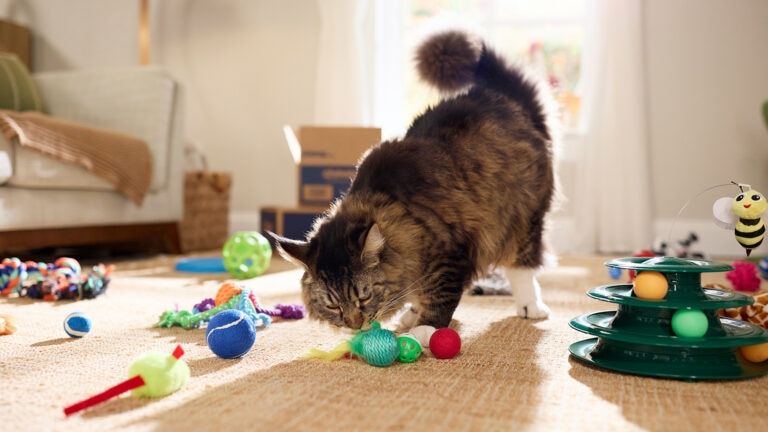
Select toys that match your cat’s natural instincts. Toys that mimic prey, like small mice or feather wands, work well. Soft toys your cat can carry and meow at are great for interaction. Avoid toys with small parts that can be swallowed. Rotate toys regularly to keep your cat interested. Variety keeps play exciting and prevents boredom.
Engaging With Your Cat Effectively
Use toys to invite your cat to play. Move toys like real animals to trigger hunting instincts. Let your cat catch and carry the toy sometimes. Praise your cat gently during play. Keep sessions short but frequent, around 10 to 15 minutes. Stop play if your cat shows signs of stress or disinterest. This keeps playtime positive and fun for both of you.

Credit: moderncat.com
Frequently Asked Questions
Why Does My Cat Meow While Playing With Toys?
Cats meow with toys to communicate excitement or invite interaction. It’s their way of expressing joy or seeking attention during playtime.
Is My Cat Trying To Tell Me Something With Toy Meows?
Yes, meowing with toys can indicate your cat wants you to join play. It shows they feel playful and social.
Does Meowing With Toys Mean My Cat Is Stressed?
Not usually. Meowing with toys often signals happiness, not stress. However, observe other behaviors to confirm your cat’s mood.
Can Meowing With Toys Indicate Hunting Instincts?
Yes, cats mimic hunting behaviors when playing. Meowing may simulate calls or signals used during hunting in the wild.
Conclusion
Cats meow with their toys to communicate and express feelings. They may want attention, show excitement, or share their playtime joy. Understanding this behavior helps build a stronger bond with your cat. Watching your cat play closely reveals their unique personality.
Enjoy these moments—they bring happiness to both you and your pet. Keep listening and learning from your cat’s meows during play. It’s a simple way to connect and care for them better.

Leave a Reply