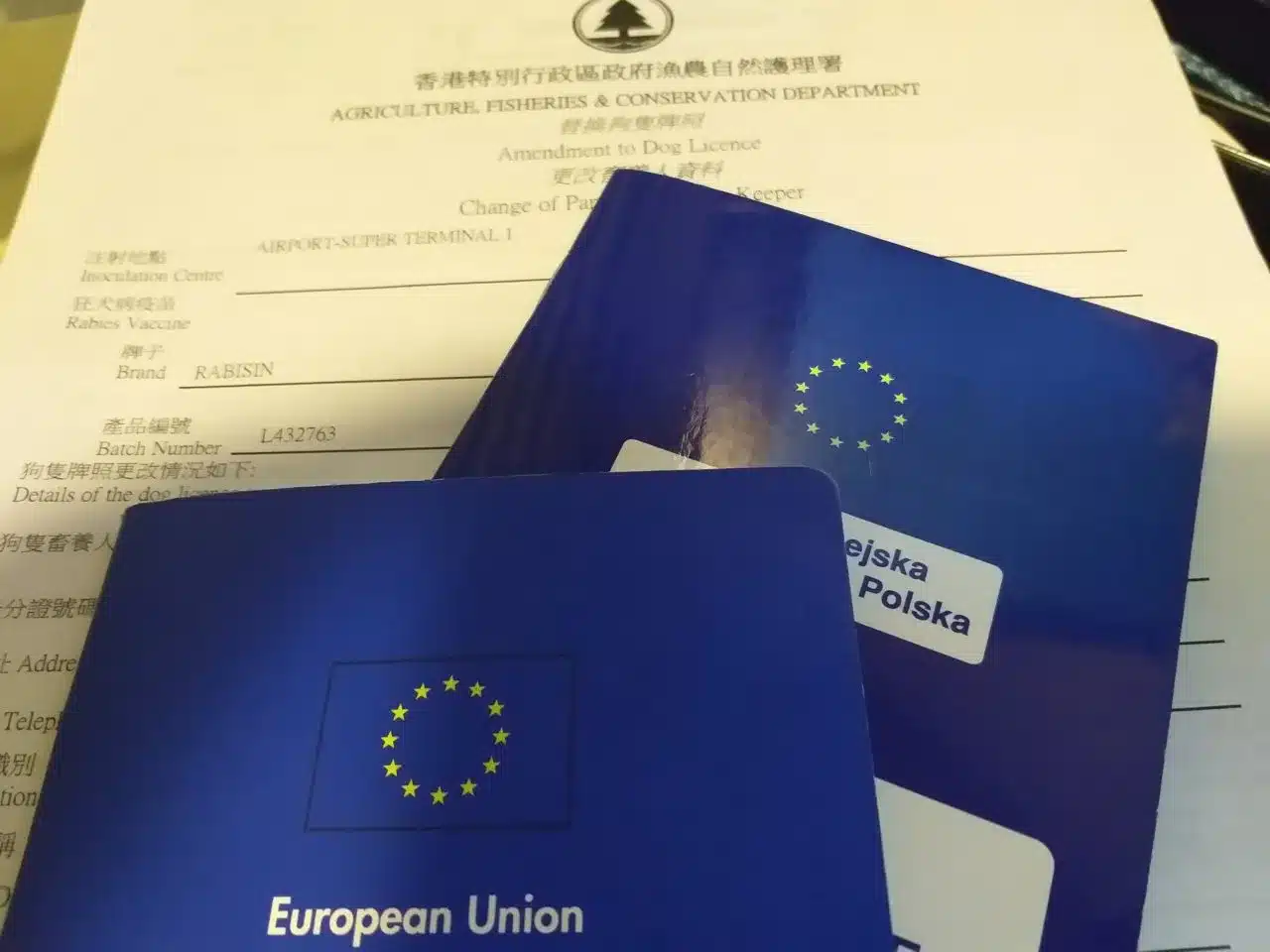
Are you wondering if you can write a health certificate for your own cat? It’s a question many pet owners ask, especially when preparing for travel or vet visits.
You want what’s best for your furry friend and need clear answers. This article will guide you through what a health certificate really means, who can issue it, and what steps you need to take. Keep reading to make sure your cat’s health paperwork is done right and avoid any surprises along the way.
Legal Rules For Health Certificates
Understanding the legal rules around health certificates for pets is crucial before you attempt to handle any paperwork yourself. These rules ensure your cat’s health status is accurately documented and accepted by authorities or travel services. Ignoring these regulations can lead to serious consequences for both you and your cat.
Who Can Issue Health Certificates
Only licensed veterinarians have the authority to issue official health certificates for cats. These professionals conduct thorough examinations and confirm vaccinations, making the certificate valid for travel, adoption, or other official purposes.
Even if you are very familiar with your cat’s health, you cannot legally sign off on a health certificate yourself. The certificate must reflect a professional evaluation, which protects all parties involved.
Legal Risks Of Self-issuing
Writing a health certificate for your own cat without proper authorization can lead to legal trouble. Authorities may reject the certificate, causing delays or bans on travel or adoption.
In some cases, falsifying a health certificate may result in fines or penalties. More importantly, it could put your cat’s well-being at risk if the health information is inaccurate or incomplete.
Have you ever considered the true value of an official health certificate beyond just paperwork? It’s a safeguard for your cat’s health and your peace of mind.
When A Health Certificate Is Needed
A health certificate for your cat is an official document from a veterinarian. It confirms your pet’s health status. This certificate is often required in specific situations. Knowing when you need one helps avoid delays or problems. Below are common cases when a health certificate becomes necessary.
Travel Requirements
Many airlines and countries require a health certificate before travel. It proves your cat is free from contagious diseases. The certificate also shows vaccinations are up to date. Without it, your pet may be denied boarding or entry. Some destinations have strict rules about pet travel. Always check the rules before planning a trip with your cat.
Adoption And Sale
Sellers and adopters often need a health certificate. It ensures the cat is healthy at the time of transfer. Buyers want confirmation that the cat has no hidden illnesses. This document builds trust between the parties. It also protects both sides from future disputes. Many adoption centers require a health certificate for all cats.
Medical Procedures
Veterinarians may ask for a health certificate before surgery or treatment. It confirms your cat’s current health condition. This helps the vet plan safe medical care. The certificate may include recent test results or vaccinations. It ensures your cat is fit for the procedure. Some clinics will not perform treatments without this document.
Veterinarian’s Role In Certification
A veterinarian is the only person authorized to write a health certificate for your cat. They check your pet’s health and confirm it meets travel or adoption requirements. Owners cannot issue these certificates themselves.
The role of a veterinarian in certifying your cat’s health is crucial and multifaceted. You might wonder if you can write a health certificate for your own cat. However, the process involves specific responsibilities and expertise that only a licensed veterinarian can fulfill. Let’s explore why a vet’s role is indispensable in this process.Examination Process
The examination process is the foundation of any health certificate. A veterinarian conducts a thorough physical exam to assess your cat’s overall health. This includes checking vital signs, examining the coat, eyes, ears, and teeth, and ensuring vaccinations are up to date. This examination is more than just a routine check-up. It’s a comprehensive assessment that identifies any underlying health issues that could affect your cat’s well-being during travel. As a pet owner, you might miss subtle signs that a trained veterinarian can detect.Document Accuracy
Ensuring document accuracy is critical in the certification process. A veterinarian meticulously records the findings of the examination, including vaccination details and any identified health concerns. This documentation provides an official record of your cat’s health status. Accuracy in these documents is essential because they are often required by airlines, international travel authorities, or boarding facilities. An error in the health certificate can lead to travel delays or denied entry. Trusting a veterinarian ensures that the documentation meets all legal requirements.Official Authorization
Official authorization is another key aspect of the veterinarian’s role. Only a licensed veterinarian can provide the necessary signature and stamp that validate the health certificate. This authorization indicates that a qualified professional has verified the cat’s health. Consider this: what would happen if you presented a self-written certificate without proper authorization? It would likely be rejected, causing unnecessary stress and potentially halting your travel plans. A veterinarian’s signature carries the weight of professional credibility and compliance with legal standards. By understanding the veterinarian’s role in certifying your cat’s health, you ensure that your feline friend is ready for safe and smooth travels.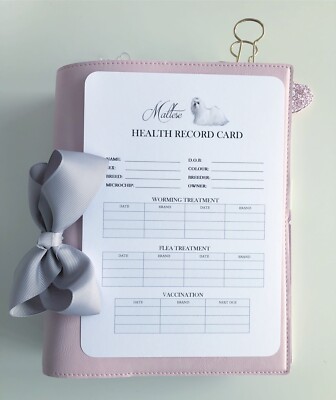
Credit: www.ebay.co.uk
Alternatives To Self-issuing
Writing a health certificate for your own cat is not allowed in most places. Only licensed veterinarians can issue these official documents. Luckily, there are simple alternatives to get a valid health certificate without leaving home or stressing your pet.
These options provide professional care and save time. They also ensure your cat’s health is properly checked before travel or other needs.
Using Telemedicine Services
Telemedicine lets you consult a vet through video calls. You can show your cat and discuss symptoms or concerns live. Some vets provide health certificates after a virtual exam if rules allow.
This option works well for minor checks or follow-ups. It saves travel time and keeps your cat calm at home. Make sure the vet is licensed and accepts telemedicine for certificates.
Mobile Vet Visits
Mobile vets come to your home with all necessary tools. They examine your cat in a familiar setting, reducing stress. After the check-up, they can provide a health certificate on the spot.
This service is great for cats that dislike clinics or have mobility issues. Mobile vets offer thorough exams and professional care. You get a valid certificate without leaving your house.
Consequences Of Invalid Certificates
Using an invalid health certificate for your cat can lead to serious consequences that affect both you and your pet. It’s not just a matter of paperwork; the risks extend to legal troubles and your cat’s wellbeing. Understanding these consequences helps you avoid unnecessary stress and potential harm.
Legal Penalties
Issuing a health certificate yourself, without proper authority, is often illegal. Authorities may impose fines or even criminal charges if you present a fake or invalid certificate. This can complicate travel plans or pet adoptions, causing delays or refusals at checkpoints.
Imagine arriving at the airport with your cat, only to be stopped because your certificate isn’t recognized. You could face detention of your pet or even be banned from future travel with them. These legal penalties are designed to protect public health and ensure animal safety.
Health Risks For Your Cat
A health certificate reflects your cat’s true medical condition and vaccination status. If you write it yourself, you might unintentionally miss signs of illness or skip important vaccinations. This puts your cat at risk of spreading or contracting diseases during travel or in new environments.
Consider the stress your cat might endure if they become ill far from home due to inadequate health checks. This can lead to costly vet visits or worse health outcomes. Are you willing to gamble with your pet’s health for the sake of convenience?
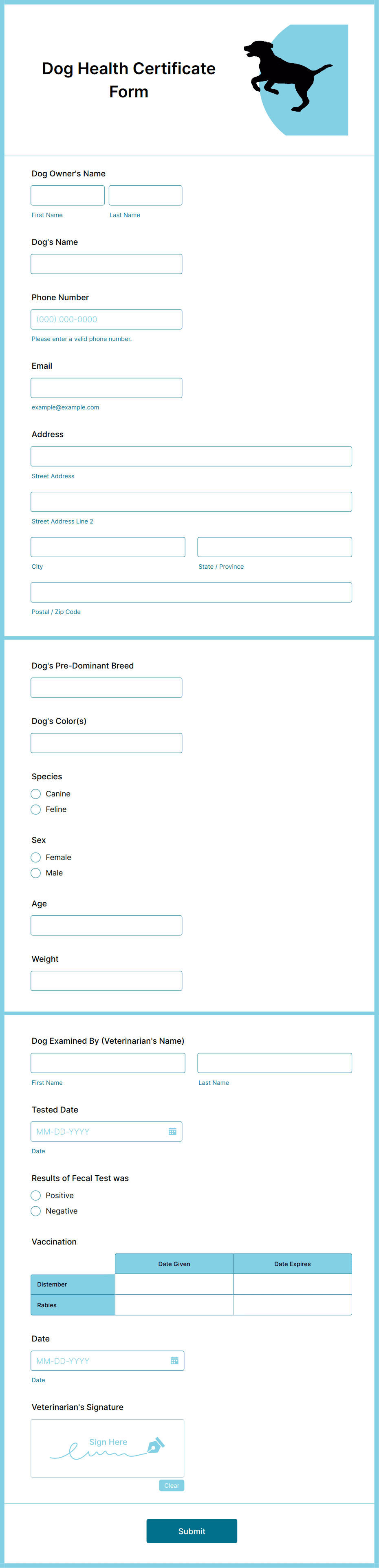
Credit: www.jotform.com
Tips For Getting A Valid Health Certificate
Getting a valid health certificate for your cat is more than just a formality. It ensures your furry friend is healthy and ready for travel or other activities that require official proof. Knowing how to prepare and schedule your vet visit can make the entire process smoother and stress-free for both you and your cat.
Preparing Your Cat For The Vet
Start by helping your cat get used to the carrier. Leave it open at home with some favorite toys or treats inside. This small step can reduce anxiety when it’s time to travel to the vet.
Next, keep your cat calm before the visit. Gentle petting and quiet talk can make a big difference. Avoid feeding your cat right before the appointment if your vet suggests fasting for certain tests.
Bring your cat’s medical records and vaccination history. This information helps the vet provide an accurate and complete health certificate. Have you ever noticed how a calm cat makes the vet’s job easier?
Scheduling In Advance
Book your appointment well ahead of time. Many vets get busy, especially during travel seasons, so early scheduling ensures you get a spot that fits your timeline.
Ask the vet what specific tests or vaccinations are required for the certificate. Knowing this in advance helps you prepare and avoid last-minute surprises. It also gives you time to handle any health issues before the certificate is issued.
Consider the timing of the certificate’s validity. Some health certificates are only good for a limited number of days. Scheduling your appointment close to your travel or event date can save you from needing a new certificate.

Credit: www.goodshepherd-hs.org
Frequently Asked Questions
Can I Write A Health Certificate For My Own Cat?
No, only licensed veterinarians can issue valid health certificates for cats. Owners cannot legally write these documents themselves.
Why Do I Need A Health Certificate For My Cat?
A health certificate proves your cat is healthy and free of contagious diseases. It’s required for travel and some boarding facilities.
How Long Is A Cat Health Certificate Valid?
Typically, a cat health certificate is valid for 10 days to 30 days, depending on travel or facility requirements.
What Information Is Included In A Cat Health Certificate?
It includes your cat’s identification, vaccination status, health condition, and the veterinarian’s signature and license details.
Conclusion
You cannot write a health certificate for your own cat. Only a licensed veterinarian can issue it. This certificate proves your cat’s health for travel or events. Always visit the vet to keep your pet safe. Doing this helps avoid problems and delays.
Taking care of your cat’s health is very important. Trust professionals to provide accurate and legal documents. Your cat deserves proper care and valid certificates. Keep your pet healthy and happy with expert help.


Leave a Reply