Are you wondering if it’s okay to feed your curious kitten the same food you give your adult cat? You want to make sure your little furball grows up healthy and strong, but the choices can be confusing.
Feeding your kitten the right food is more important than you might think—it affects their growth, energy, and overall well-being. Keep reading to find out why adult cat food might not be the best option for your kitten and what you should do instead to give your pet the best start in life.
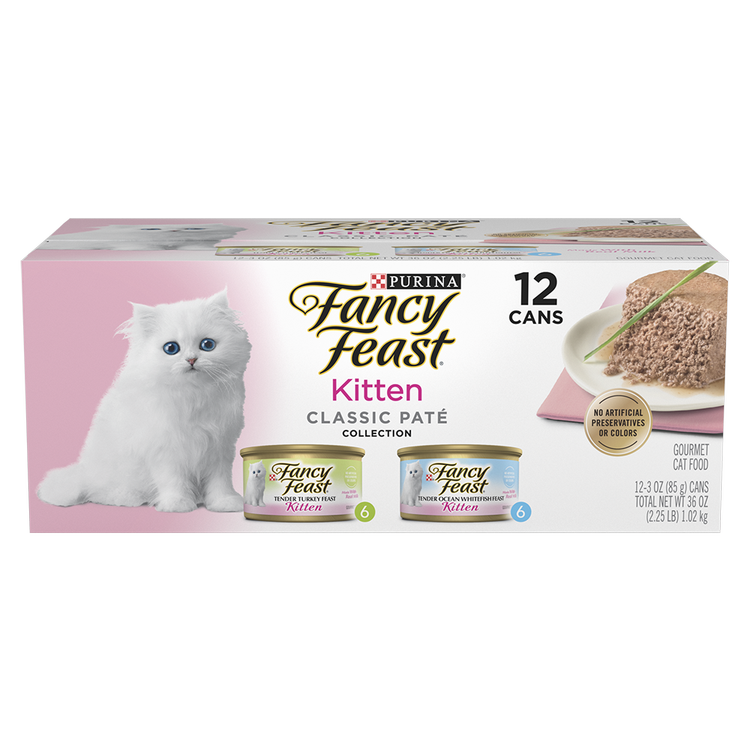
Credit: www.purina.com
Nutritional Needs Of Kittens
Kittens have very specific nutritional needs that differ greatly from adult cats. Their bodies are in a rapid phase of growth and development, which means they require a diet that supports these intense changes. Understanding these needs helps you make the best feeding choices for your kitten’s health and vitality.
Growth Requirements
Kittens grow quickly, sometimes doubling their weight in just a few weeks. This rapid growth demands a higher calorie intake compared to adult cats.
They need food that supports not only weight gain but also muscle and bone development. Feeding your kitten properly now sets the stage for a healthy adult life.
Key Nutrients For Development
Proteins are the building blocks for your kitten’s muscles and organs. High-quality animal protein sources like chicken or fish are essential.
Fat provides energy and helps absorb vitamins. Kittens also need specific vitamins and minerals such as calcium and phosphorus for strong bones and teeth.
Don’t forget important fatty acids like DHA, which support brain and vision development. Are you sure your kitten’s food covers all these vital nutrients?
Differences From Adult Cats
Unlike adult cats, kittens require more protein and fat in their diet. Adult cat food often lacks the concentration of nutrients needed for growing bodies.
Kittens also benefit from more frequent meals throughout the day to maintain energy levels. Adult cat food may not be designed to support such frequent feeding schedules.
Feeding adult cat food to kittens might leave them undernourished or slow their development. Have you checked if your kitten’s food is truly formulated for their stage of life?

Credit: www.petscare.com
Adult Cat Food Composition
Understanding the composition of adult cat food is key when deciding if it’s suitable for your kitten. Adult cat food is designed with different nutritional priorities compared to kitten food. Let’s look closely at what’s inside and why those differences matter for your growing pet.
Protein And Fat Levels
Adult cat food usually contains moderate protein and fat levels tailored for maintenance, not growth. Kittens need higher protein and fat to support rapid development and energy demands. Feeding adult food might leave your kitten without enough nutrients to build strong muscles and maintain healthy skin and coat.
Have you noticed how your kitten seems more energetic after switching to kitten-specific food? That extra protein and fat can make a big difference in their vitality.
Vitamin And Mineral Content
Vitamins and minerals in adult cat food focus on keeping adult cats healthy rather than supporting new growth. Kittens require more calcium, phosphorus, and certain vitamins like A and D to develop strong bones and immune systems. Adult food often lacks these extra boosts, which might slow your kitten’s development.
Think about it: would you try to build a house with fewer bricks than needed? Your kitten’s body needs the right amount of these nutrients to build a strong foundation.
Calorie Density
Adult cat food generally has fewer calories per serving compared to kitten food. Growing kittens burn more energy and need calorie-dense food to fuel their active lifestyle. Feeding adult food might mean your kitten isn’t getting enough calories, leading to slower growth or weight loss.
Have you ever tried running on a low-energy snack? Your kitten’s body feels the same when calorie intake is too low.
Risks Of Feeding Adult Food To Kittens
Feeding adult cat food to kittens can cause nutritional gaps and slow their growth. Kittens need extra protein and calories for healthy development. Using adult food may lead to weak bones and poor energy levels.
Feeding kittens is an essential aspect of ensuring they grow into healthy adult cats. However, many new pet owners might wonder if they can simply give their kittens the same food they provide to their adult cats. While it might seem convenient, this approach can lead to several risks that could affect your kitten’s health and development.Potential Nutritional Deficiencies
Kittens have unique nutritional needs that differ significantly from adult cats. They require higher protein levels and essential nutrients like taurine, DHA, and vitamins to support their rapid growth and brain development. Feeding them adult cat food, which lacks these crucial nutrients, might lead to deficiencies, impacting their overall well-being. Imagine trying to grow on a diet meant for maintenance rather than development. Wouldn’t you want to ensure your kitten gets the best start possible?Impact On Growth And Health
The growth phase is critical for kittens as their bones, muscles, and organs develop. Adult cat food isn’t formulated to support this intense growth period. Without the right nutrients, kittens could face stunted growth or developmental issues. Think of it like building a house without the right materials; the foundation might not be strong enough to support future growth. Is that a risk you’re willing to take with your furry friend?Digestive Concerns
Kittens have sensitive digestive systems, and adult cat food might be too rich or harsh for them to process. This can lead to digestive upset, including diarrhea or vomiting, which can further deprive them of essential nutrients. A friend once learned this the hard way when her kitten ended up with a tummy ache after eating adult cat food. The lesson? Always opt for food specifically designed for kittens to keep those little tummies happy and healthy. Could a simple food choice make a big difference in your kitten’s comfort and health?When Adult Food Might Be Acceptable
There are moments when feeding adult cat food to kittens might be more than just a quick fix. Understanding these situations helps you make the best choice for your kitten’s health without risking nutritional gaps.
Short-term Feeding Scenarios
If you run out of kitten food and can’t get more immediately, giving adult cat food for a day or two is usually safe. Adult formulas lack some nutrients essential for growth, but a short break won’t cause harm.
Think of it as a temporary bridge, not a long-term diet. Keep an eye on your kitten’s appetite and energy, and switch back as soon as possible.
Emergency Situations
In emergencies where kitten food is unavailable, adult cat food can prevent hunger and keep your kitten stable. This might include unexpected travel, sudden moves, or supply shortages.
While not ideal, feeding adult cat food is better than letting your kitten go without food. Just remember, it should only be a stopgap until proper nutrition is restored.
Consulting A Veterinarian
Before deciding to feed adult cat food regularly, talk to your vet. They can assess your kitten’s specific needs and may recommend adult food in special cases like certain health conditions.
Your vet can also suggest supplements if adult food must be used temporarily. This ensures your kitten gets all the nutrients required for healthy growth and development.
Choosing The Right Kitten Food
Choosing the right food for kittens is very important for their growth. Kittens need more nutrients than adult cats. Their food should support strong bones and a healthy immune system. Feeding adult cat food to kittens can miss key nutrients they need.
Kitten food is specially made to provide the right balance of proteins, fats, and vitamins. It helps kittens grow healthy and strong. Let’s explore how to choose the best food for your kitten.
Reading Labels Effectively
Check the label for key nutrients. Look for high protein content from animal sources. Protein helps build muscles and organs. Fat is also important for energy and brain development.
Make sure the food says it is suitable for kittens or all life stages. Avoid foods with too many fillers like corn or wheat. They provide little nutrition and fill the stomach without benefits.
Wet Vs Dry Food Options
Wet food has more moisture, which helps keep kittens hydrated. It also tends to be tastier and easier to chew. Dry food is good for dental health and easy to store. Many owners feed a mix of both for balance.
Wet food can prevent urinary tract problems by increasing water intake. Dry food supports healthy teeth by reducing plaque. Watch how your kitten reacts to each type. Choose what fits their taste and health best.
Brand Recommendations
- Royal Canin Kitten – Great for balanced nutrition and digestibility.
- Hill’s Science Diet Kitten – Known for quality ingredients and vet approval.
- Blue Buffalo Healthy Growth Kitten – Includes natural ingredients and antioxidants.
- Purina Pro Plan Kitten – Offers good protein levels and easy digestion.
Choose brands with clear ingredient lists and positive reviews. Avoid generic or unknown brands with vague labels. Quality matters for your kitten’s health and happiness.
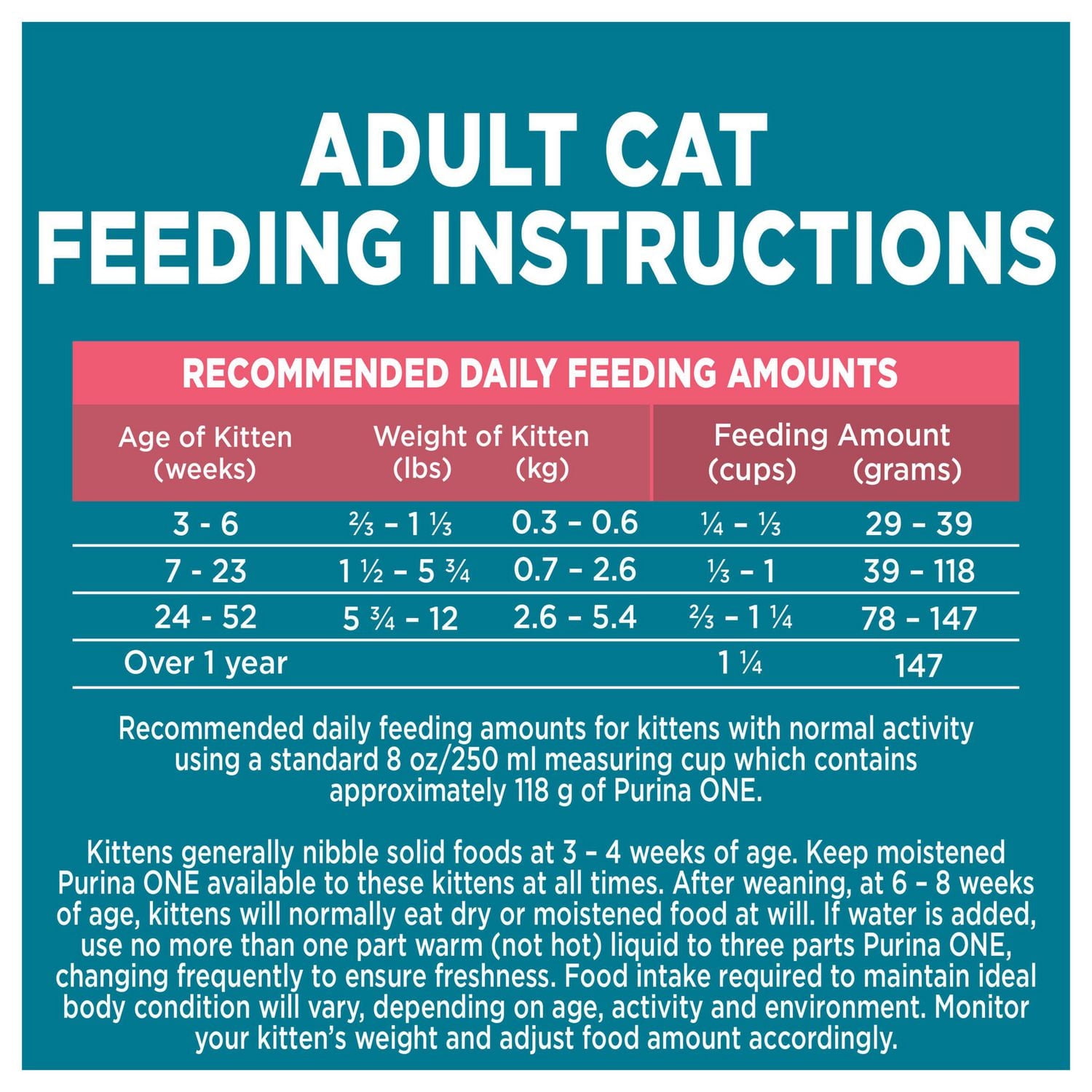
Credit: www.walmart.ca
Transitioning From Kitten To Adult Food
Transitioning a kitten from kitten food to adult cat food is an important step in their growth. The right timing and approach help maintain their health. Sudden changes can upset their digestion or reduce nutrient intake. This process requires care and attention to avoid any problems.
Optimal Timing For Switch
Kittens usually start the transition at about one year old. Their growth slows down, and their nutritional needs change. Adult cat food suits their new energy and protein requirements better. Switching too early can leave them lacking vital nutrients. Switching too late may cause obesity or other health issues.
Gradual Introduction Tips
Mix a small amount of adult food with kitten food. Increase the adult food portion slowly over 7 to 10 days. Watch if your kitten accepts the new food. Avoid giving only adult food at once. This method helps prevent stomach upset or refusal to eat.
- Start with 25% adult food and 75% kitten food
- Gradually change to 50/50 after a few days
- Move to 75% adult food and 25% kitten food
- Finally, offer 100% adult food
Monitoring Health Changes
Observe your kitten’s energy levels and stool quality. Look for signs like vomiting, diarrhea, or loss of appetite. Healthy weight and shiny coat indicate good nutrition. Visit a vet if any problems appear. Regular checks ensure the transition is smooth and safe.
Frequently Asked Questions
Can Kittens Eat Adult Cat Food Safely?
Kittens should not eat adult cat food regularly. Adult food lacks essential nutrients for growth. Kitten food supports their development with higher protein and fat.
What Happens If Kittens Eat Adult Cat Food?
Kittens may miss vital nutrients needed for healthy growth. This can lead to slower development, weak immunity, and nutritional deficiencies. It’s best to feed them kitten-specific food.
When Can Kittens Switch To Adult Cat Food?
Kittens can gradually switch to adult food around one year old. At this age, their growth slows, and nutritional needs align with adult cats.
Is Adult Cat Food Nutritionally Sufficient For Kittens?
No, adult cat food is not nutritionally sufficient for kittens. Kittens need higher calories, protein, and essential vitamins for proper growth and brain development.
Conclusion
Kittens need special food to grow strong and healthy. Adult cat food lacks some nutrients kittens require. Feeding only adult food may cause health issues. Small amounts might be okay for a short time. Always choose kitten food for the best results.
Keep your kitten’s diet balanced and nutritious. Healthy food helps kittens develop bones and muscles. Consult a vet for the right feeding advice. Proper feeding supports a happy, active kitten life.


Leave a Reply