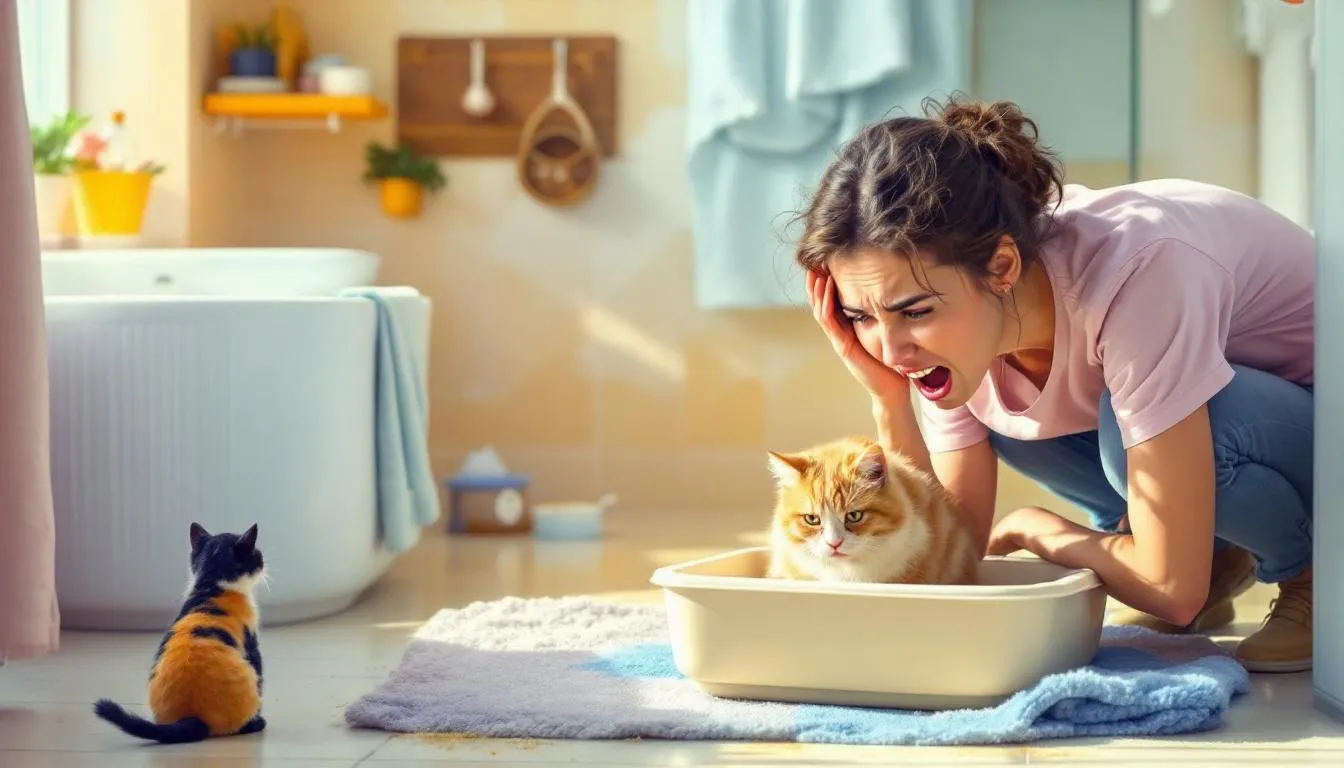
Have you ever wondered if breathing in cat pee could harm your health? If you have a cat or have been around one, you might have noticed the sharp, strong smell that lingers in the air.
It’s not just unpleasant—it could be more serious than you think. Understanding what happens when you inhale those fumes is important for you and your family’s well-being. Keep reading to discover the hidden dangers and what you can do to protect yourself.
Credit: www.whiskas.com.ph
Cat Pee Composition
Understanding what makes up cat pee is key to knowing why its smell can be so strong and why breathing it in might affect your health. Cat urine is a complex mixture of chemicals, some of which are harmless, but others can be quite potent. Let’s break down the main components that make up cat pee and what causes that unmistakable odor.
Chemical Components
Cat urine contains a variety of substances, including:
- Water:The largest part, usually about 95%.
- Urea:A waste product formed when the body breaks down protein.
- Creatinine:Another waste product from muscle metabolism.
- Ammonia:Formed when urea breaks down, especially as urine ages.
- Uric Acid:A key compound that cats excrete in higher amounts than humans.
- Various salts and minerals:These affect the urine’s pH and smell.
One surprising fact is that cats produce more uric acid than many other animals, which contributes to the strong smell. Have you noticed your cat’s pee smell worse than other pets? This is why.
Odor-causing Elements
The distinct smell of cat pee comes from several elements working together:
- Ammonia:This is the sharp, pungent scent that hits your nose first.
- Thiols and Sulfur Compounds:These produce a rotten, sulfur-like smell.
- Volatile Organic Compounds (VOCs):These evaporate quickly and are responsible for the lingering odor.
- Felinine:A sulfur-containing amino acid unique to cats, which breaks down into smelly compounds.
These compounds increase in intensity as the urine sits and breaks down. Have you ever walked into a room hours after a cat had an accident and still noticed a strong smell? That’s these odor-causing elements at work.
Knowing what’s inside cat pee can help you understand why it’s important to clean it quickly and properly. The longer it lingers, the stronger and more harmful these chemicals can become when inhaled.

Credit: www.outdoorbengal.com
Health Risks Of Inhaling Cat Urine
Breathing in cat urine is more than just an unpleasant experience—it can actually pose serious health risks. The chemicals and bacteria in cat pee release fumes that can irritate your body in different ways. Understanding these risks helps you protect yourself and maintain a healthier living space.
Respiratory Issues
The ammonia in cat urine is a strong irritant to your lungs and airways. If you breathe in these fumes regularly, you might develop symptoms like coughing, wheezing, or shortness of breath. People with asthma or other lung problems often find their symptoms get worse around cat urine.
Have you noticed difficulty breathing or persistent coughing after cleaning a litter box? That’s your body reacting to harmful vapors. It’s important to ventilate the area and clean up promptly to reduce these risks.
Allergic Reactions
Cat urine contains proteins that can trigger allergic reactions in some people. These reactions might show up as sneezing, itchy eyes, or skin rashes after exposure. Even if you don’t have a known allergy, repeated exposure can sensitize your immune system over time.
Think about how you feel around other pet odors—does your throat itch or do you start sneezing? These are signs your body is fighting off allergens in the urine. Using air purifiers and cleaning with enzyme-based products can help reduce allergens effectively.
Toxic Effects
Besides ammonia, cat urine can carry bacteria and parasites like Toxoplasma gondii, which can be harmful if inhaled or touched. This risk is especially high if the urine is old or dried, as particles can become airborne. Pregnant women and people with weakened immune systems should be particularly cautious.
Have you ever wondered why some litter boxes smell stronger after a few days? That smell indicates bacterial growth that can affect your health. Regular cleaning and using sealed litter boxes can minimize these toxic effects and keep your home safer.
Long-term Exposure Concerns
Breathing in cat pee over time may cause irritation to the lungs and worsen breathing problems. Prolonged exposure can lead to headaches, nausea, and allergic reactions in some people. Small children and those with asthma are especially at risk.
Long-term exposure to cat pee can pose significant health concerns that might not be immediately apparent. While a quick whiff of cat urine might just make you wrinkle your nose, prolonged inhalation can lead to more serious issues. Understanding these potential risks can help you take proactive steps to protect your health and that of your family.Chronic Respiratory Problems
Breathing in cat pee over extended periods can lead to chronic respiratory issues. Ammonia, a compound found in cat urine, can irritate your airways. You might start noticing persistent coughing or a nagging sense of breathlessness. People with pre-existing conditions like asthma may find their symptoms worsening. Even those without respiratory issues might develop new problems. It’s crucial to address these symptoms early to prevent more severe health complications.Impact On Vulnerable Groups
Certain groups are more susceptible to the harmful effects of cat urine. Young children, for instance, are often closer to ground level, where ammonia concentrations can be higher. Their developing respiratory systems make them particularly vulnerable. Elderly individuals and those with weakened immune systems are also at greater risk. The effects of ammonia can exacerbate existing health conditions, leading to more frequent doctor visits. Have you ever noticed how a cat’s litter box can become a health hazard if not properly managed? Keeping your home ventilated and maintaining a clean living environment is crucial. Simple actions can significantly reduce the risks associated with long-term exposure to cat urine. Would you risk your health for the convenience of avoiding cleaning the litter box regularly? Taking proactive steps not only benefits your health but also creates a more pleasant living space for everyone.
Credit: soykitty.com
Preventing Exposure
Preventing exposure to cat pee is essential for maintaining good health. The strong smell comes from ammonia and other chemicals. These substances can irritate your lungs and eyes. Taking proper steps reduces health risks and keeps your home fresh. Simple habits and safety measures make a big difference.
Cleaning Tips
Clean cat pee quickly to stop odors and germs. Use enzyme-based cleaners that break down urine molecules. Avoid ammonia-based products; they can worsen the smell. Blot the area with paper towels before applying cleaner. Rinse the spot with water and let it dry. Dispose of used towels safely to prevent spread.
Ventilation Importance
Good airflow helps remove harmful gases from cat urine. Open windows and doors during and after cleaning. Use fans to increase air movement in the room. Ventilation lowers the concentration of ammonia in the air. Keep vents and air filters clean for better indoor air quality. Fresh air reduces the risk of respiratory problems.
Protective Measures
Wear gloves to protect your skin from bacteria and chemicals. Use a mask to avoid breathing in strong fumes. Avoid touching your face while cleaning cat pee. Wash your hands thoroughly afterward. Keep children and pets away from the area until it is clean. Use disposable cleaning tools to limit contamination.
When To Seek Medical Help
Breathing in cat pee can cause irritation and discomfort, but when does it become a serious health concern? Knowing when to seek medical help can protect you from potential complications. Pay close attention to how your body reacts and don’t hesitate to get professional advice if symptoms worsen or persist.
Symptoms To Watch
Notice if you experience persistent coughing, wheezing, or shortness of breath after exposure to cat urine fumes. These symptoms might indicate respiratory irritation or an allergic reaction. Additionally, watch for headaches, dizziness, or nausea, which can signal a stronger reaction to the ammonia in cat pee.
If your eyes become red, itchy, or watery, or if you develop skin irritation, these are signs that your body is struggling to handle the irritants. People with asthma or pre-existing lung conditions should be especially cautious, as exposure can trigger serious attacks. Ask yourself: Are your symptoms lingering longer than a day or getting worse despite fresh air?
Treatment Options
The first step is to move to fresh air immediately. This helps reduce exposure to harmful fumes. Drinking water can soothe your throat and help flush out toxins.
Over-the-counter antihistamines or inhalers may provide relief if you have mild allergic reactions or breathing difficulties. However, if symptoms like chest tightness, severe shortness of breath, or confusion occur, seek emergency medical care right away.
Medical professionals might recommend nebulizer treatments or prescribe steroids to reduce lung inflammation. They can also run tests to rule out infections or other complications. Don’t wait if you feel your breathing is compromised or if symptoms significantly disrupt your daily life.
Frequently Asked Questions
Is Inhaling Cat Pee Fumes Harmful To Humans?
Yes, inhaling cat pee fumes can cause respiratory irritation. The ammonia in cat urine affects lung function and may worsen asthma or allergies.
Can Cat Urine Cause Long-term Health Issues?
Prolonged exposure to cat urine fumes may lead to chronic respiratory problems. It can trigger asthma, bronchitis, and other lung conditions.
How To Safely Clean Cat Urine Odor?
Use gloves and ventilate the area well. Clean with enzymatic cleaners designed to break down urine compounds effectively.
Does Cat Pee Smell Indicate Health Problems In Cats?
Strong, unusual urine odor might signal infections or kidney issues. Consult a vet if the smell changes or worsens.
Conclusion
Breathing in cat pee can harm your health over time. The strong smell comes from ammonia, which irritates your lungs. This can cause coughing, wheezing, or shortness of breath. People with asthma or allergies may feel worse. It’s important to clean cat urine quickly and well.
Good ventilation helps remove harmful air. Keep your home fresh and safe for everyone. Taking simple steps protects your health and your pets. Don’t ignore the smell; act fast to stay healthy.

Leave a Reply