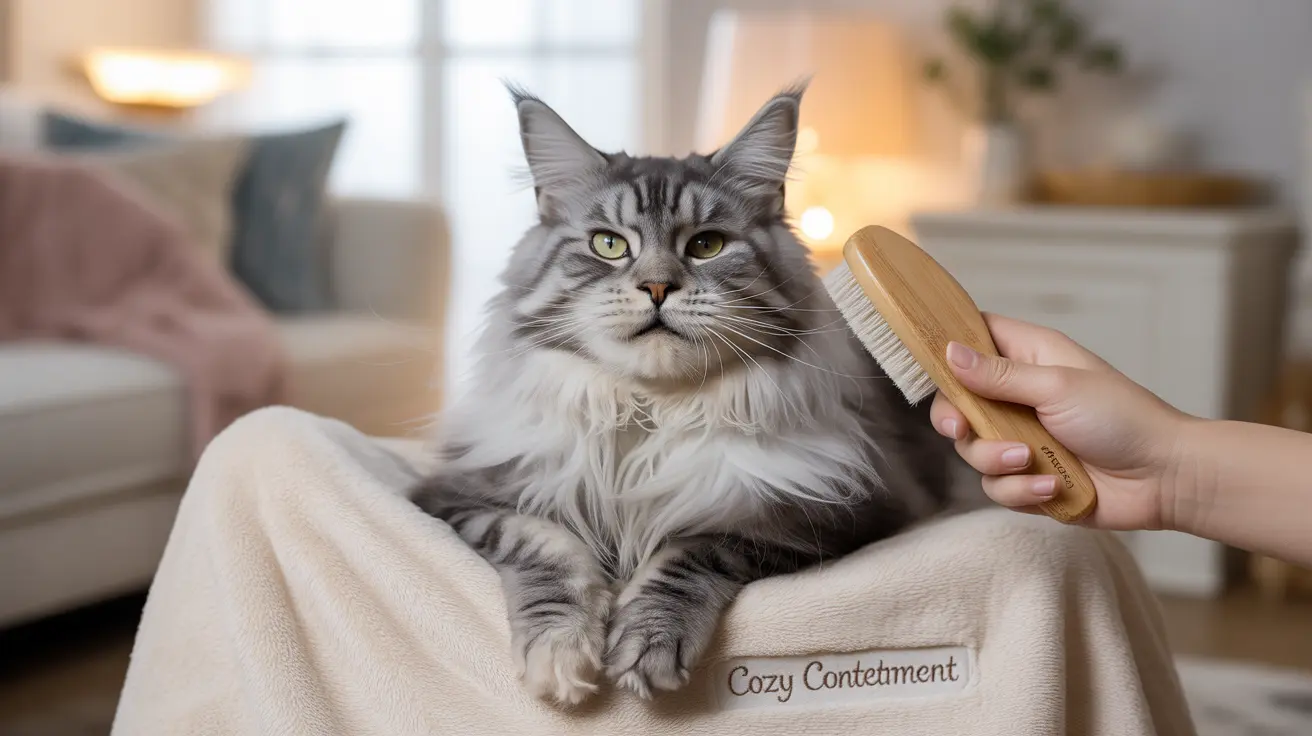
If your cat hates being groomed, you’re not alone—and you don’t have to struggle through it every time. Grooming is essential for your cat’s health and comfort, but when your furry friend fights back, it can feel impossible.
What if you could make grooming easier for both of you? You’ll discover simple, proven ways to calm your cat and get the job done without stress or scratches. Keep reading, and you’ll learn how to turn grooming from a battle into a bonding moment.
Recognizing Cat Grooming Challenges
Grooming a cat that hates the process can feel like a battle. Understanding the root of your cat’s resistance is key to making grooming easier and less stressful for both of you. Recognizing the challenges your cat faces helps you approach grooming with patience and tailored strategies.
Common Reasons Cats Resist Grooming
Cats may resist grooming for several reasons beyond simple dislike. Some cats have sensitive skin that makes brushing uncomfortable or even painful. Others might associate grooming with negative past experiences, such as being restrained too tightly.
Fear of the grooming tools themselves can also play a role. The sound of clippers or the feel of certain brushes might trigger anxiety. Have you noticed your cat flinching or hiding as soon as the grooming kit comes out? That’s a sign they’re uneasy with the process.
Signs Of Grooming Stress In Cats
Recognizing when your cat is stressed during grooming helps you stop before the situation escalates. Common signs include:
- Tail flicking or twitching
- Flattened ears
- Hissing or growling
- Attempting to escape or hide
- Excessive licking or biting at themselves immediately after grooming
These signs indicate your cat is overwhelmed. If you notice any of them, pause and give your cat a break. Could adjusting your approach help your cat feel safer and more comfortable next time?

Credit: baileybrush.com
Preparing For A Calm Grooming Session
Preparing for a calm grooming session is key to helping your cat feel safe and relaxed. Cats that dislike grooming need patience and the right setting. Creating a peaceful atmosphere can reduce stress for both you and your cat. Small steps can lead to better grooming experiences over time.
Creating A Comfortable Environment
Choose a quiet room with few distractions. Soft lighting helps your cat stay calm. Use a cozy blanket or towel for your cat to sit on. Keep the temperature warm but not hot. Avoid loud noises or sudden movements. Speak softly to reassure your cat throughout the session.
Choosing The Right Tools
Select grooming tools designed for sensitive cats. Use a gentle brush or comb that suits your cat’s fur type. Avoid sharp or rough brushes that can hurt. Keep all tools close to avoid interruptions. Clean tools before each use to prevent discomfort or skin issues.
Timing Grooming For Your Cat’s Mood
Observe your cat’s behavior to find the best time. Groom when your cat is calm and not overly energetic. After a nap or meal can be ideal moments. Avoid grooming if your cat shows signs of stress or agitation. Short, frequent sessions work better than long ones.
Gentle Techniques To Ease Grooming
Using soft brushes and gentle strokes helps calm a cat during grooming. Offering treats and breaks can make the process less stressful. Patience and a quiet space encourage trust and cooperation.
Grooming a cat that detests the process can feel like a daunting task. However, with gentle techniques and a patient approach, you can transform grooming time into a more tolerable, even pleasant experience for your furry friend. The key lies in gradually introducing the process and creating a positive environment for your cat.Introducing Grooming Gradually
Start by acclimating your cat to the grooming tools without actually using them. Let them sniff and explore the brush or comb. Begin with short grooming sessions, just a few strokes, while your cat is relaxed. You might find that grooming is easier after a meal or playtime, when your cat is more likely to be calm. Build up the duration slowly. If your cat shows signs of stress, pause and try again later. Consistency is crucial, so aim for daily short sessions to build familiarity and trust.Using Positive Reinforcement
Positive reinforcement can work wonders in easing grooming anxiety. Offer treats and praise during and after grooming sessions. This helps your cat associate grooming with positive experiences. Consider using their favorite toy or a special treat that they only get during grooming. Over time, your cat will begin to look forward to these sessions. Have you ever noticed how your mood improves with a little reward? The same principle applies to your cat.Handling Sensitive Areas With Care
Cats have sensitive spots that require extra care during grooming. Areas like the belly, tail, and legs can be more sensitive and should be approached gently. Use a soft brush and gentle strokes in these areas. If your cat becomes agitated, move to a less sensitive area and return later. Pay attention to their body language; a flicking tail or flattened ears can signal discomfort. Being attuned to these signals will help you adjust your approach and keep grooming sessions peaceful. By incorporating these gentle techniques, you not only improve your cat’s grooming experience but also strengthen the bond you share. How does your cat respond to grooming, and what strategies have you found helpful?
Credit: m.youtube.com
Alternatives To Traditional Grooming
Grooming a cat that dislikes traditional brushing can be tough. Cats may get scared or stressed with combs and brushes. Finding other ways to keep your cat clean helps reduce stress. These alternatives keep your cat comfortable and cared for without the struggle.
Using Grooming Wipes And Sprays
Grooming wipes are gentle and easy to use. They help remove dirt and loose hair without pulling on fur. Choose wipes made especially for cats to avoid irritation. Sprays can also freshen your cat’s coat and reduce odors. Look for waterless shampoos or deodorizing sprays safe for cats.
Professional Grooming Services
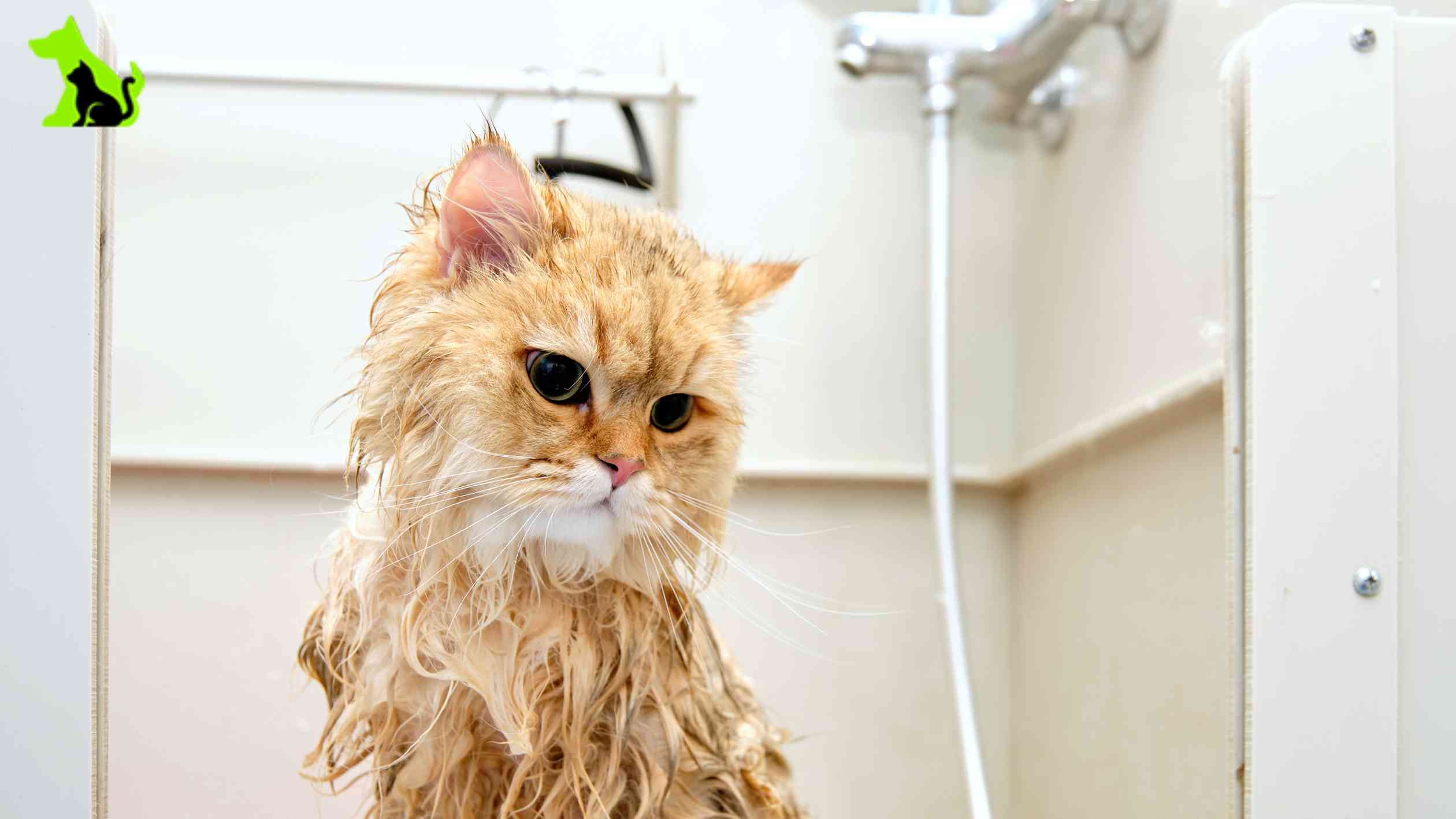
Professional groomers have experience with nervous cats. They use calm techniques and special tools. Groomers can handle nail trims, haircuts, and baths safely. This option saves time and stress for both you and your cat. Find groomers who understand scared or sensitive cats.
Incorporating Play To Distract
Play helps your cat relax during grooming times. Use toys to keep their attention away from grooming tools. Short play sessions before grooming can reduce anxiety. Treats and gentle petting also create positive feelings. Turning grooming into a fun moment makes it easier over time.
Managing Difficult Behaviors
Managing difficult behaviors during cat grooming requires patience and care. Cats that dislike grooming may scratch or bite. These actions are signs of stress or fear. Understanding how to handle these behaviors can make grooming easier for both you and your cat.
Dealing With Scratching And Biting
Scratching and biting are common reactions to discomfort. Protect yourself with long sleeves and gloves. Use gentle but firm handling to reduce fear. Distract your cat with treats or toys. Stop grooming immediately if your cat becomes aggressive. Never punish your cat, as it worsens fear.
Recognizing When To Pause
Watch for signs of stress like growling or hiding. Pausing grooming helps calm your cat. Give your cat time to relax before continuing. Short grooming sessions work better than long ones. Regular breaks prevent overwhelming your cat. Consistency in pauses builds a positive grooming routine.
Building Trust Over Time
Trust grows with gentle, patient care. Start grooming slowly with soft brushes. Reward your cat with treats and praise. Let your cat explore grooming tools without pressure. Spend quiet time near your cat daily. Trust creates a calm environment for grooming sessions.
Credit: hellopetsinc.com
Maintaining Cat Health Beyond Grooming
Maintaining a cat’s health involves more than just grooming. It requires regular attention to their overall well-being. Healthy habits keep cats happy and energetic. Good care helps prevent illness and discomfort. Focus on key areas for lasting health benefits.
Regular Vet Checkups
Schedule vet visits at least once a year. Early detection of health issues saves lives. Vaccinations protect against common diseases. Dental checks prevent painful infections. Discuss any behavior changes with the vet. Routine exams help track your cat’s health progress.
Diet And Hydration Impact
Provide balanced meals tailored to your cat’s needs. Proper nutrition supports strong immunity and energy. Fresh water must always be available. Hydration aids digestion and kidney health. Avoid feeding harmful human foods. Monitor your cat’s weight to prevent obesity.
Keeping Your Cat’s Coat Healthy
A shiny coat signals good health. Use gentle brushes suitable for your cat’s fur type. Regular brushing removes dirt and loose hair. It reduces hairballs and skin problems. Include omega fatty acids in their diet. These nutrients promote soft, glossy fur.
Frequently Asked Questions
How Can I Calm A Cat That Hates Grooming?
Use gentle, slow movements and speak softly to calm your cat. Offer treats and take breaks to reduce stress. Creating a relaxing environment helps make grooming easier and less scary for your cat.
What Tools Work Best For Grooming A Resistant Cat?
Use soft-bristle brushes or rubber grooming gloves for sensitive cats. Avoid metal combs that might hurt or scare your cat. Choose quiet, gentle tools to make grooming more comfortable and effective.
How Often Should I Groom A Cat That Hates It?
Groom your cat briefly every few days to avoid buildup. Short, frequent sessions prevent stress and keep your cat clean. Regular grooming also helps identify skin issues early without overwhelming your cat.
Can I Groom My Cat Without Professional Help?
Yes, with patience and the right tools, you can groom at home. Learn your cat’s preferences and start slowly to build trust. Consult a vet if your cat shows severe fear or aggression.
Conclusion
Grooming a cat that dislikes it takes time and patience. Start slow and keep sessions short. Use gentle touches and calm words to help your cat relax. Offer treats to build trust during grooming. Remember, every cat is different and needs a unique approach.
Stay consistent and watch your cat grow more comfortable. Small steps lead to better grooming experiences. Your cat will thank you with a shiny, healthy coat. Keep trying, and both of you will enjoy the process more.

Leave a Reply