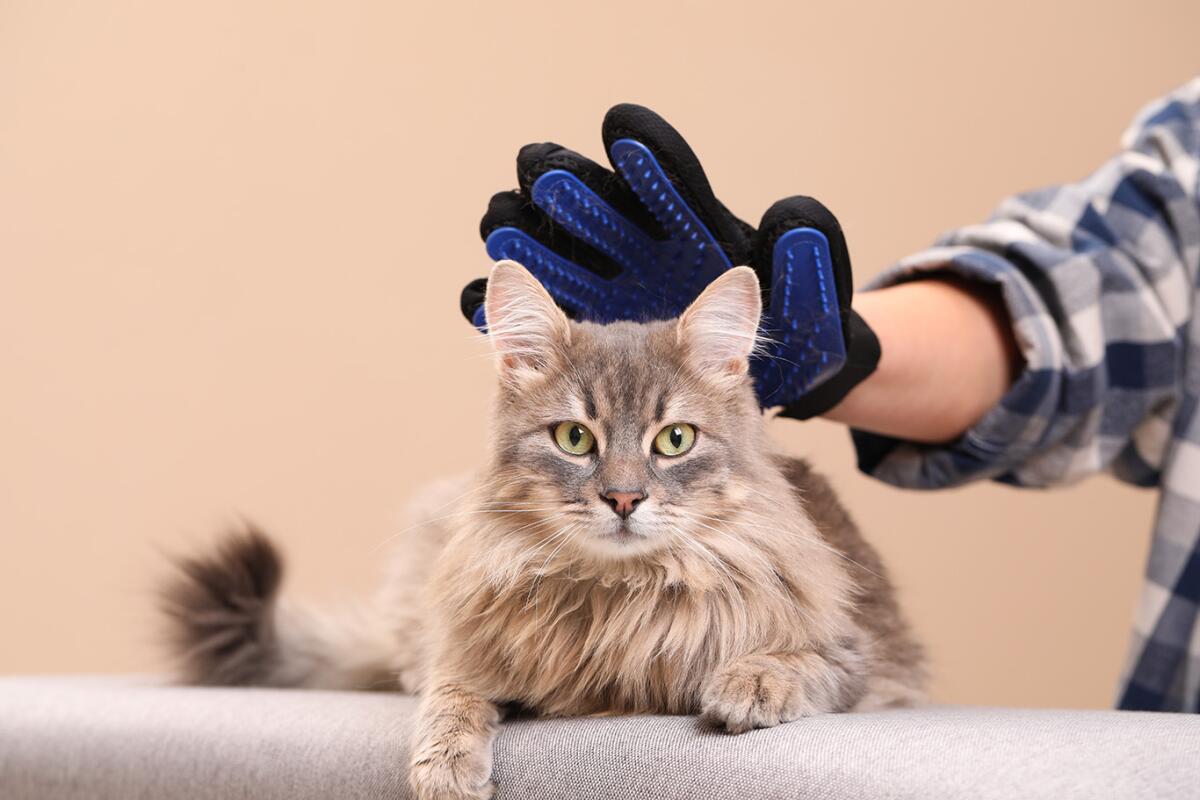
Have you ever wondered if your cat really needs grooming? You might think cats take care of themselves, but there’s more to it than just a quick lick.
Grooming your cat can improve their health, comfort, and happiness in ways you might not expect. If you want to keep your furry friend looking and feeling their best, understanding the importance of grooming is key. Keep reading to discover why grooming matters and how you can make it a positive experience for your cat.
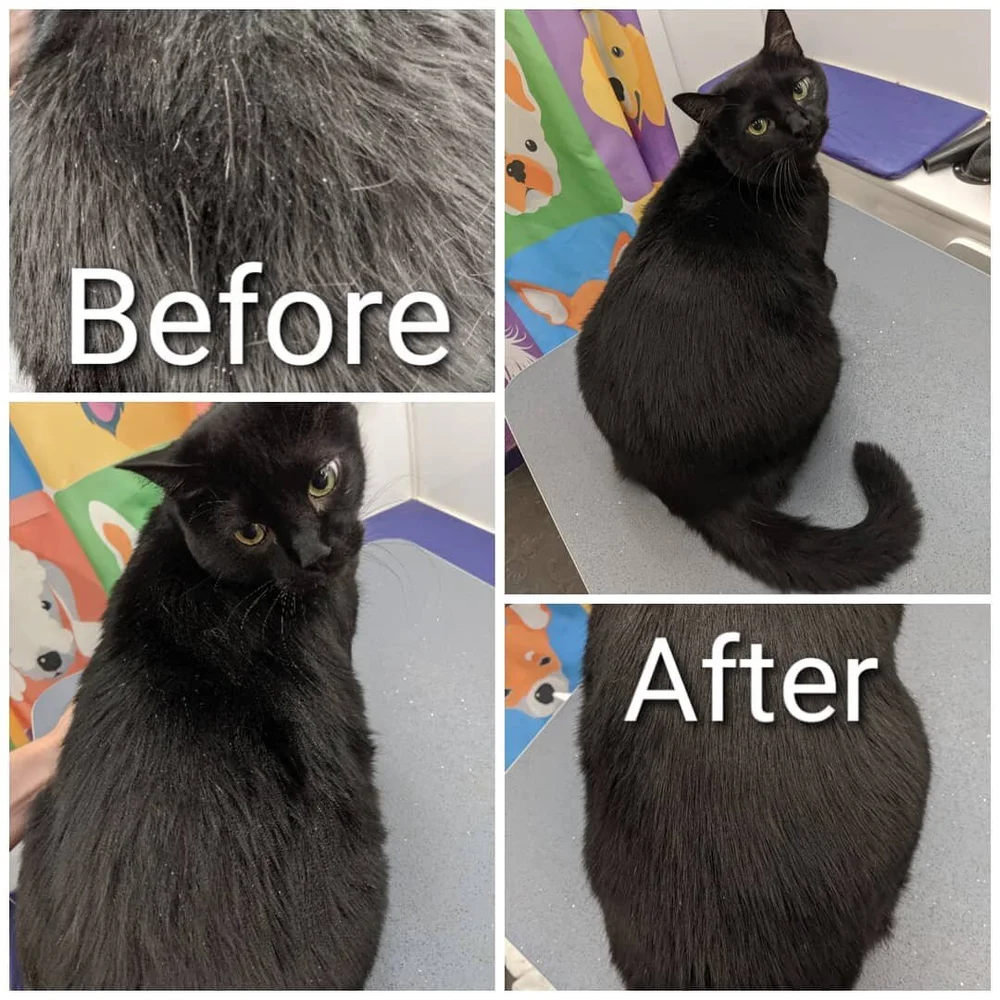
Credit: www.squeakycleangrooming.com
Cat Grooming Basics
Cat grooming is an essential part of keeping your pet healthy and happy. Grooming helps remove dirt, loose hair, and prevents mats. It also lets you check for any skin problems or parasites. Understanding the basics of cat grooming helps you care for your feline friend better.
Natural Grooming Habits
Cats groom themselves by licking their fur. This action cleans their coat and removes loose hair. It also helps regulate body temperature. Grooming spreads natural oils that keep the fur soft and shiny. Most cats spend a good part of their day grooming. This habit is natural and important for their well-being.
Sometimes, cats may not groom well due to illness or age. In those cases, extra grooming from owners is needed. Observing your cat’s grooming habits can show their health status. Changes in grooming behavior may signal a problem.
Breed-specific Needs
Different cat breeds have different grooming needs. Long-haired cats like Persians need more brushing to avoid mats. Their thick coats can easily tangle and trap dirt. Short-haired breeds require less frequent grooming but still benefit from regular brushing.
Some breeds have sensitive skin and require gentle grooming tools. Others may shed more, needing more attention to clean loose fur. Understanding your cat’s breed helps choose the right grooming routine. This care keeps their coat healthy and reduces hairballs.

Credit: tryfurgo.com
Benefits Of Regular Grooming
Regular grooming offers several benefits that go beyond just keeping your cat looking neat. It plays a key role in maintaining your cat’s overall health and comfort. You might be surprised how a simple grooming routine can improve your cat’s daily life and even strengthen the bond between you and your furry friend.
Improved Coat Health
Grooming helps remove dirt, debris, and loose fur from your cat’s coat. This encourages natural oil distribution, which keeps the fur shiny and soft. If you’ve ever brushed your cat and noticed a dull coat beforehand, you’ll understand how much of a difference grooming makes.
Regular brushing also prevents matting, which can cause discomfort or skin problems. A smooth coat means your cat feels better and looks healthier.
Reduced Shedding And Hairballs
Shedding is normal, but grooming can significantly reduce the amount of loose fur around your home. When you brush your cat often, you catch the fur before it falls off naturally.
This simple step also cuts down on hairballs. Cats swallow loose hair when they groom themselves, which can lead to uncomfortable hairballs. By removing excess fur through brushing, you help your cat avoid this common issue.
Early Detection Of Health Issues
Grooming time is a chance to check your cat’s skin for unusual bumps, redness, or parasites. You might find something early that you wouldn’t notice otherwise.
Spotting issues early can save your cat from serious health problems. Have you ever discovered a small lump or sore during grooming that needed a vet visit? It’s a good habit that keeps your cat safe.
Grooming Tools For Cats
Grooming your cat isn’t just about keeping them looking neat; it plays a key role in their health and comfort. Having the right tools makes the process easier and more effective for both you and your feline friend. Let’s look at the essential grooming tools every cat owner should have on hand.
Brush Types And Uses
Different brushes serve different purposes depending on your cat’s coat type. A slicker brush works well for removing loose fur and preventing mats in long-haired cats. Short-haired cats benefit from a bristle brush that gently removes dirt and distributes natural oils.
Have you noticed your cat shedding more during certain seasons? Using a de-shedding tool during these times can drastically reduce hair around your home. Choosing the right brush can also make grooming a bonding moment rather than a struggle.
Nail Clippers And Trimmers
Trimming your cat’s nails is crucial to prevent painful scratches and damage to furniture. Use clippers designed specifically for cats, as they are sized to avoid cutting too deeply. Guillotine-style or scissors-style clippers are popular options; try both to see what feels best for you.
Many owners find that trimming nails every two to three weeks keeps their cats comfortable and safe. If you’re nervous about cutting too much, look for clippers with safety guards or ask your vet for a demonstration. Regular nail care reduces the risk of your cat getting stuck or hurting themselves.
Other Helpful Accessories
Beyond brushes and clippers, several other accessories can enhance grooming sessions. A grooming glove, for instance, lets you pet your cat while removing loose fur. It’s a great tool for shy cats who dislike brushes.
Consider a comb with wider teeth for detangling mats and a flea comb to check for unwanted pests. Having a soft towel nearby can help calm your cat if they get anxious during grooming. What small tool could make your grooming routine smoother and more enjoyable?
Step-by-step Grooming Routine
Grooming your cat is more than just a luxury; it’s essential for their health and happiness. A regular grooming routine can prevent pesky issues like hairballs and matting, while also strengthening the bond between you and your furry friend. With a structured approach, grooming can be a stress-free and enjoyable experience for both you and your cat. Let’s dive into a step-by-step routine to keep your feline looking fabulous.
Brushing Techniques
Brushing your cat regularly helps remove loose fur and reduces shedding. Choose the right brush based on your cat’s coat type. For short-haired cats, a simple rubber brush or bristle brush works wonders. Long-haired cats, like Persians, benefit from a wide-toothed comb and a slicker brush. Always brush in the direction of hair growth to avoid discomfort.
Make it a bonding time by speaking softly and rewarding your cat with treats. Ever noticed how content they look after a good brushing? It’s because it mimics the soothing strokes of their mother’s grooming.
Bathing Tips
Cats are generally self-cleaning, but occasional baths can be necessary. Use a cat-specific shampoo to avoid skin irritation. Fill the tub with a few inches of lukewarm water and gently lower your cat into it. Use a cup to wet their fur slowly, avoiding the face.
Talk to your cat during the bath to keep them calm. Dry them off with a towel as much as possible, and let them finish drying in a warm room. Does your cat hate baths? Many do, so keep it quick and reward them afterward.
Nail Care
Regular nail trimming prevents painful overgrowth and reduces the risk of damage to your furniture. Use cat nail clippers and trim just the tip of the nail. Be cautious not to cut into the quick—the pink part inside the nail—which can be painful and bleed.
Practice makes perfect, and with time, you’ll both get used to this routine. Keep some styptic powder on hand just in case of accidents. Ever tried trimming nails when your cat’s asleep? It’s a sneaky but effective trick.
Ear And Eye Cleaning
Ear cleaning is crucial to prevent infections. Gently wipe the outer ear with a cotton ball dampened with a vet-approved solution. Avoid inserting anything deep into the ear canal. For eyes, use a soft, damp cloth to wipe away any discharge.
Regular checks can catch potential problems early, like mites or infections. Have you ever noticed how much clearer their eyes are after a gentle clean? It’s a small step with a big impact.
Remember, grooming is a team effort between you and your cat. With patience and love, it becomes a rewarding part of your routine. Ready to embrace the challenge?
Handling Common Grooming Challenges
Grooming your cat can sometimes feel like a challenging task, especially when you encounter common issues that make the process stressful for both of you. Understanding how to handle these challenges can turn grooming from a dreaded chore into a smoother, more manageable routine. Let’s look at some practical ways to tackle typical grooming hurdles and keep your cat comfortable and healthy.
Dealing With Matted Fur
Matted fur can cause discomfort and even skin problems for your cat. If you notice tight knots, try using a wide-toothed comb or a special dematting tool to gently work through the tangles.
Be patient and avoid pulling hard, which can hurt your cat and make them resist grooming next time. Regular brushing prevents mats from forming, so try to groom your cat frequently, especially if they have long hair.
Managing Anxious Cats
Many cats get anxious during grooming, making it hard to keep them calm. Speak softly and use slow, gentle movements to help your cat feel safe.
Break grooming sessions into short intervals and offer treats to reward calm behavior. If your cat resists, stop and try again later—forcing it only increases stress for both of you.
When To Seek Professional Help
Sometimes, grooming challenges go beyond what you can handle at home. If your cat’s fur is severely matted or they react aggressively, it might be time to visit a professional groomer or vet.
Professionals have the right tools and experience to manage tough grooming situations safely. Don’t hesitate to get help—it protects your cat’s health and your peace of mind.

Credit: www.latimes.com
Special Grooming Considerations
Special grooming needs exist for certain cats. These needs vary by age, coat type, and health status. Understanding these factors helps keep cats clean and comfortable.
Senior Cats
Older cats groom less often. Their fur can become matted and dirty. Gentle brushing helps remove loose hair and prevent skin problems. Use soft brushes to avoid hurting sensitive skin. Check their nails regularly. Senior cats may need nail trims more often.
Long-haired Breeds
Long-haired cats require daily grooming. Their fur can tangle and form mats easily. Mats cause pain and skin infections. Use wide-tooth combs to detangle knots carefully. Regular baths reduce dirt and shedding. Pay special attention to areas behind ears and under legs.
Cats With Medical Conditions
Cats with health issues need special care. Skin problems may require medicated shampoos. Obese cats often struggle to groom themselves. Help them stay clean by brushing and wiping as needed. Always follow your vet’s advice for grooming these cats.
Frequently Asked Questions
Do Cats Need Regular Grooming Sessions?
Yes, cats need regular grooming to maintain healthy fur and skin. Grooming reduces shedding, prevents mats, and removes dirt.
How Often Should I Groom My Cat?
Most cats benefit from weekly grooming. Long-haired breeds may need daily sessions to prevent tangles and mats.
Can Grooming Improve My Cat’s Health?
Grooming helps spot skin problems early. It also reduces hairballs and promotes better blood circulation in cats.
Is Professional Grooming Necessary For Cats?
Professional grooming is helpful for difficult or long-haired cats. It ensures thorough cleaning and proper nail trimming.
Conclusion
Cats need grooming to stay healthy and clean. Regular brushing helps remove loose fur and dirt. It also prevents hairballs and matting. Grooming time can strengthen your bond with your cat. Some cats groom themselves well, but others need help.
Pay attention to your cat’s coat and skin condition. A healthy grooming routine supports your cat’s comfort and happiness. Keep grooming simple and gentle for best results. Taking care of your cat’s grooming needs is a small effort with big benefits.

Leave a Reply