
Are you wondering if vets groom cats and whether it’s the right choice for your furry friend? Grooming is more than just keeping your cat looking good—it’s essential for their health and comfort.
But can you trust a vet to handle this delicate task? You’ll discover what vet grooming involves, why it might be better than regular grooming, and how it can help your cat stay happy and healthy. Keep reading to learn everything you need to know before booking that appointment.

Credit: www.groomzy.com.au
Vet Grooming Services For Cats
Vet grooming services for cats offer specialized care beyond regular grooming routines. Vets provide safe and thorough grooming tailored to a cat’s unique needs. These services help keep cats clean, healthy, and comfortable. Some cats need expert attention due to health or behavioral reasons.
Types Of Grooming Offered By Vets
- Bathing with gentle, cat-safe shampoos
- Nail trimming and paw pad care
- Ear cleaning and checking for infections
- Hair trimming and mat removal
- Dental cleaning as part of oral care
- Parasite control treatments
- Skin and coat health assessments
Benefits Of Professional Grooming
Vets use tools and techniques designed for cats. They handle nervous or aggressive cats safely. Grooming at the vet helps spot health problems early. It reduces stress and discomfort for the cat. Professionals can treat skin issues during grooming. Regular grooming prevents painful mats and hairballs. It also supports overall hygiene and well-being.
When To Choose Vet Grooming Over Diy
- Cat is very shy or aggressive
- Severe matting that is hard to remove
- Health issues needing gentle handling
- Cat has skin infections or wounds
- Owner lacks grooming experience or proper tools
- Need for parasite treatment during grooming
- Desire for a full health check during grooming
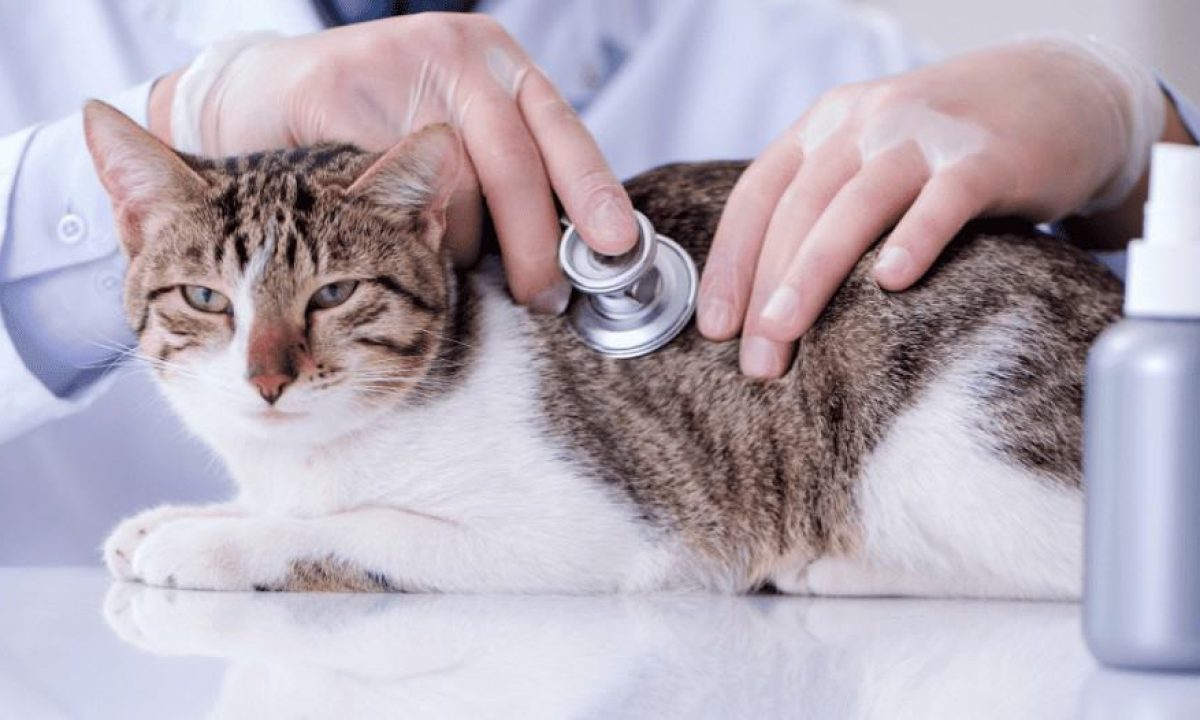
Credit: getodie.com
Cat Grooming Basics
Grooming keeps cats clean and healthy. Regular care helps prevent mats and skin problems. Cats feel more comfortable and look better with proper grooming. Knowing the basics makes grooming easier for both you and your cat.
Essential Grooming Tools
- Brushes: Choose soft or firm bristles based on coat type.
- Combs: Help remove loose hair and detangle knots gently.
- Nail clippers: Keep claws trimmed to avoid scratches and damage.
- Ear cleaner: Use a gentle solution to clean ears safely.
- Shampoo: Pick cat-specific shampoo for safe and effective baths.
- Towels: For drying after baths or cleaning up spills.
Brushing Techniques For Different Coats
Short-haired cats need weekly brushing to remove loose fur.
Long-haired cats require daily brushing to prevent mats and tangles.
Use gentle strokes in the direction of hair growth to avoid discomfort.
Focus on areas prone to knots like under the legs and behind ears.
Bathing Tips For Cats
Use lukewarm water to keep your cat comfortable during baths.
Apply a small amount of cat shampoo and lather gently.
Rinse thoroughly to remove all soap and avoid skin irritation.
Dry your cat with a soft towel and keep them warm afterward.
Health Checks During Grooming
Vets often check a cat’s health during grooming to spot any problems early. They look for skin issues, lumps, or signs of illness while cleaning fur and nails. This helps keep cats healthy and comfortable.
Health checks during cat grooming offer invaluable insights into your pet’s well-being. Regular grooming sessions are more than just a beauty routine. They are opportunities to spot health issues early. A vet’s trained eye can catch subtle signs of health problems. This ensures your cat stays healthy and happy. Let’s explore some key aspects of health checks during grooming.Detecting Skin Issues Early
Grooming helps in early detection of skin problems. Vets look for unusual bumps or redness. They also check for parasites like fleas and ticks. Early detection means prompt treatment. This keeps your cat comfortable and itch-free.Nail Trimming And Paw Care
Nail trimming is crucial for your cat’s comfort. Overgrown nails can cause pain and infections. Vets ensure nails are trimmed safely. They also check paws for injuries or debris. Healthy paws mean a happy, active cat.Ear And Eye Cleaning
Clean ears and eyes are vital for your cat’s health. Vets check for wax buildup or infections. They gently clean the ears and eyes. This prevents discomfort and potential health issues. Regular checks keep infections at bay.Handling Grooming Challenges
Grooming cats can be a tricky task, especially when you face challenges like anxiety, aggression, or tangled fur. Understanding these hurdles helps you approach grooming with confidence and care. Let’s discuss how to handle these common issues effectively so grooming becomes less stressful for both you and your cat.
Dealing With Aggressive Or Anxious Cats
Some cats react strongly to grooming due to fear or discomfort. Recognizing warning signs like hissing, growling, or swatting early can help you pause before things escalate. Try to create a calm environment by speaking softly and moving slowly around your cat.
If your cat is aggressive, consider using a towel wrap to gently hold them without causing harm. Offering treats during and after grooming sessions can build positive associations. Have you tried breaking grooming into short sessions to avoid overwhelming your cat?
Managing Matted Fur Safely
Matted fur is uncomfortable and sometimes painful for cats. Avoid pulling hard on mats as this can hurt your cat’s skin. Instead, use a dematting comb or scissors designed for pet grooming, but be extremely careful.
If mats are severe, it’s safer to ask a vet or professional groomer for help. Regular brushing helps prevent mats from forming, especially in long-haired breeds. What’s your go-to technique to keep your cat’s coat smooth and mat-free?
Tips For Grooming Older Cats
Older cats often have sensitive skin and may have joint stiffness, making grooming more challenging. Use gentle brushes with soft bristles and take extra care when handling their bodies. Watch for signs of discomfort and stop if your cat seems stressed.
Shorter grooming sessions work better for senior cats. They might appreciate extra patience and quiet time during grooming. Have you noticed how your older cat reacts differently to grooming compared to when they were younger?
Owner’s Role In Cat Grooming
Your role as a cat owner goes beyond providing food and shelter. Grooming is an essential part of your cat’s health and happiness, and your involvement can make all the difference. Understanding how to care for your cat’s coat and skin helps prevent problems that might otherwise require a vet’s intervention.
Building A Grooming Routine
Start by setting a regular time for grooming that fits into your daily or weekly schedule. Cats appreciate consistency, and a calm, predictable routine makes grooming less stressful for both of you.
Use gentle brushes suited to your cat’s fur type and keep sessions short at first. You might find your cat enjoys certain areas more than others—focus on those spots to build trust.
Recognizing Signs Your Cat Needs Grooming
Look for mats, tangles, or excessive shedding as clear signs that grooming is overdue. Dull or flaky skin can also indicate your cat needs a bit more attention at home.
If you notice your cat scratching more than usual or developing bald patches, it might mean your cat is uncomfortable or has a skin issue needing a vet’s checkup.
Maintaining Grooming Between Vet Visits
Keep your cat’s nails trimmed and teeth clean to avoid bigger health problems. Regular brushing helps reduce hairballs and keeps the coat shiny.
Consider using grooming wipes or gentle shampoos occasionally, especially if your cat spends time outdoors. Remember, your steady care is the best way to keep your cat comfortable and healthy all year round.

Credit: smart.dhgate.com
Frequently Asked Questions
Do Vets Offer Grooming Services For Cats?
Yes, some vets provide grooming services for cats. They handle basic grooming tasks like nail trimming, ear cleaning, and fur maintenance. Vets ensure grooming is safe and stress-free, especially for cats with medical conditions or anxiety.
Why Choose A Vet For Cat Grooming?
Choosing a vet for cat grooming ensures professional care. Vets understand cat health and can spot medical issues during grooming. They use safe techniques and tools, minimizing risks and providing a comfortable grooming experience for your cat.
How Often Should Cats Be Groomed By Vets?
Cats should be groomed by vets based on their breed and health. Long-haired cats need grooming every 4 to 6 weeks. Short-haired cats may require less frequent grooming, around every 8 to 12 weeks, to maintain coat and skin health.
Can Vets Handle Grooming For Anxious Cats?
Yes, vets are trained to manage anxious cats during grooming. They use gentle handling, calming techniques, and sometimes mild sedation if necessary. This approach reduces stress and ensures the grooming process is safe and comfortable for nervous cats.
Conclusion
Vets can groom cats, but it depends on their services. Some clinics offer full grooming, while others focus on health checks. Grooming by vets ensures safety, especially for shy or sick cats. Regular grooming helps keep cats clean and comfortable.
Pet owners should ask their vet about grooming options. Choose the best care for your cat’s needs. Keep your cat happy and healthy with proper grooming. Simple steps can make a big difference.



Leave a Reply