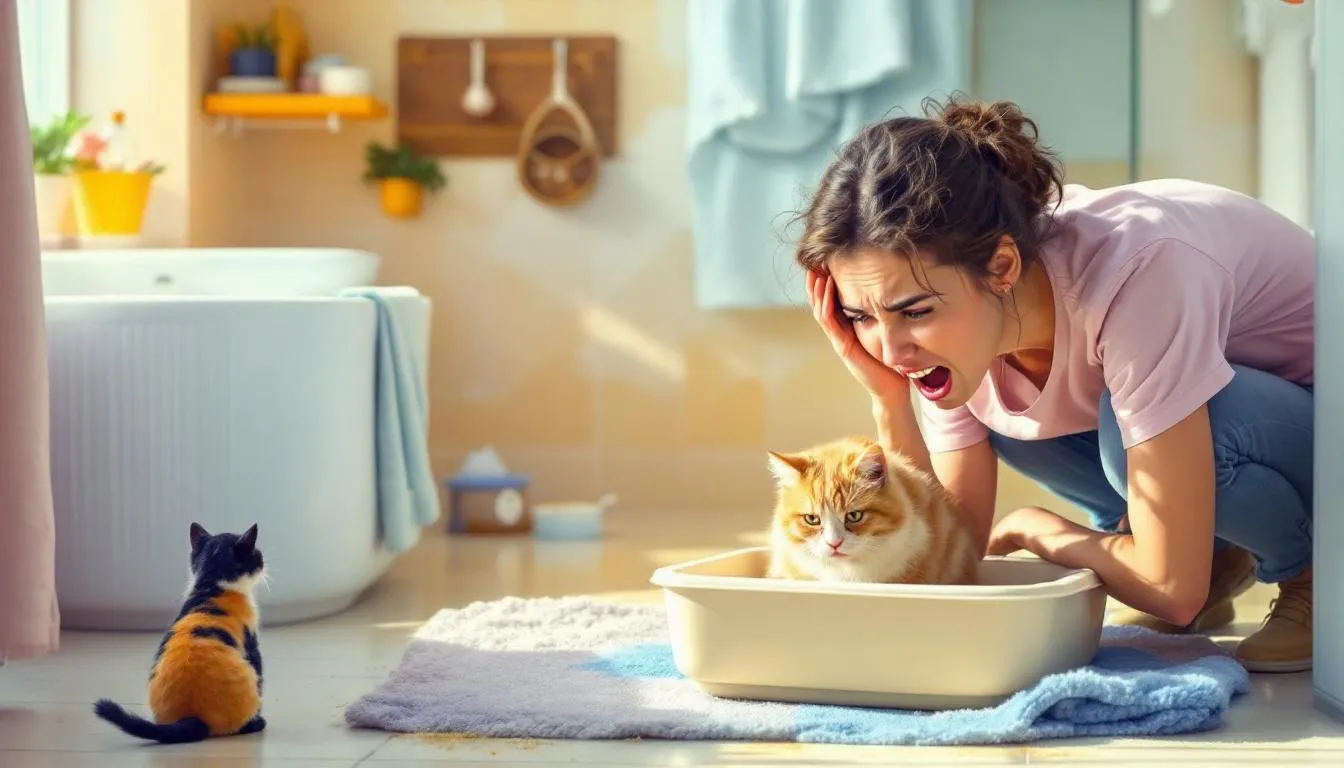
Have you noticed your cat suddenly avoiding the litter box? It’s frustrating and confusing when your furry friend stops using it like they used to.
You might feel worried or even a little annoyed. But don’t worry—there are reasons behind this change, and understanding them can help you fix the problem fast. Keep reading to discover why your cat might be avoiding the litter box and what you can do to bring things back to normal.
Your cat’s comfort and your peace of mind are closer than you think.
Credit: vetic.in
Common Reasons Cats Avoid Litter Boxes
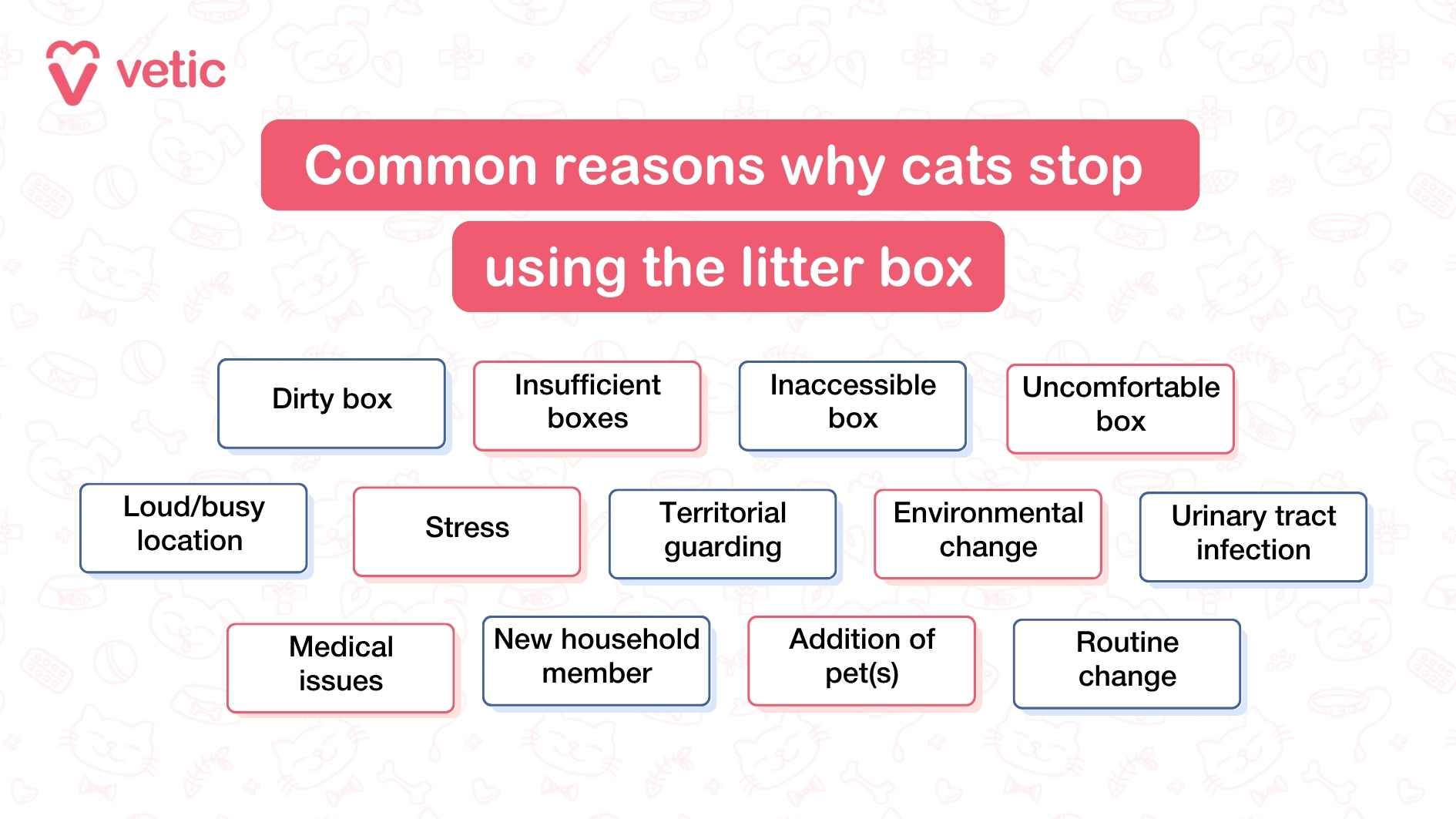
Cats may stop using their litter boxes for many reasons. Understanding these causes helps solve the problem quickly. Cats have sensitive habits and preferences. Changes in their environment or health can affect their litter box use.
Here are some common reasons cats avoid litter boxes.
Medical Issues
Health problems can cause litter box avoidance. Urinary tract infections, bladder stones, or kidney issues make urination painful. Cats may associate pain with the litter box. This leads them to find other places to relieve themselves. A visit to the vet is necessary to rule out illnesses.
Dirty Litter Boxes
Cats dislike dirty or smelly litter boxes. They prefer a clean, fresh place to go. If the box is not scooped daily, cats avoid it. Some cats are pickier than others. Cleaning the litter box regularly encourages proper use.
Stress And Anxiety
Stress affects a cat’s behavior. Loud noises, new pets, or changes in routine cause anxiety. Stressed cats may stop using the litter box. They look for safe, quiet spots instead. Reducing stress helps cats feel secure again.
Litter Box Location
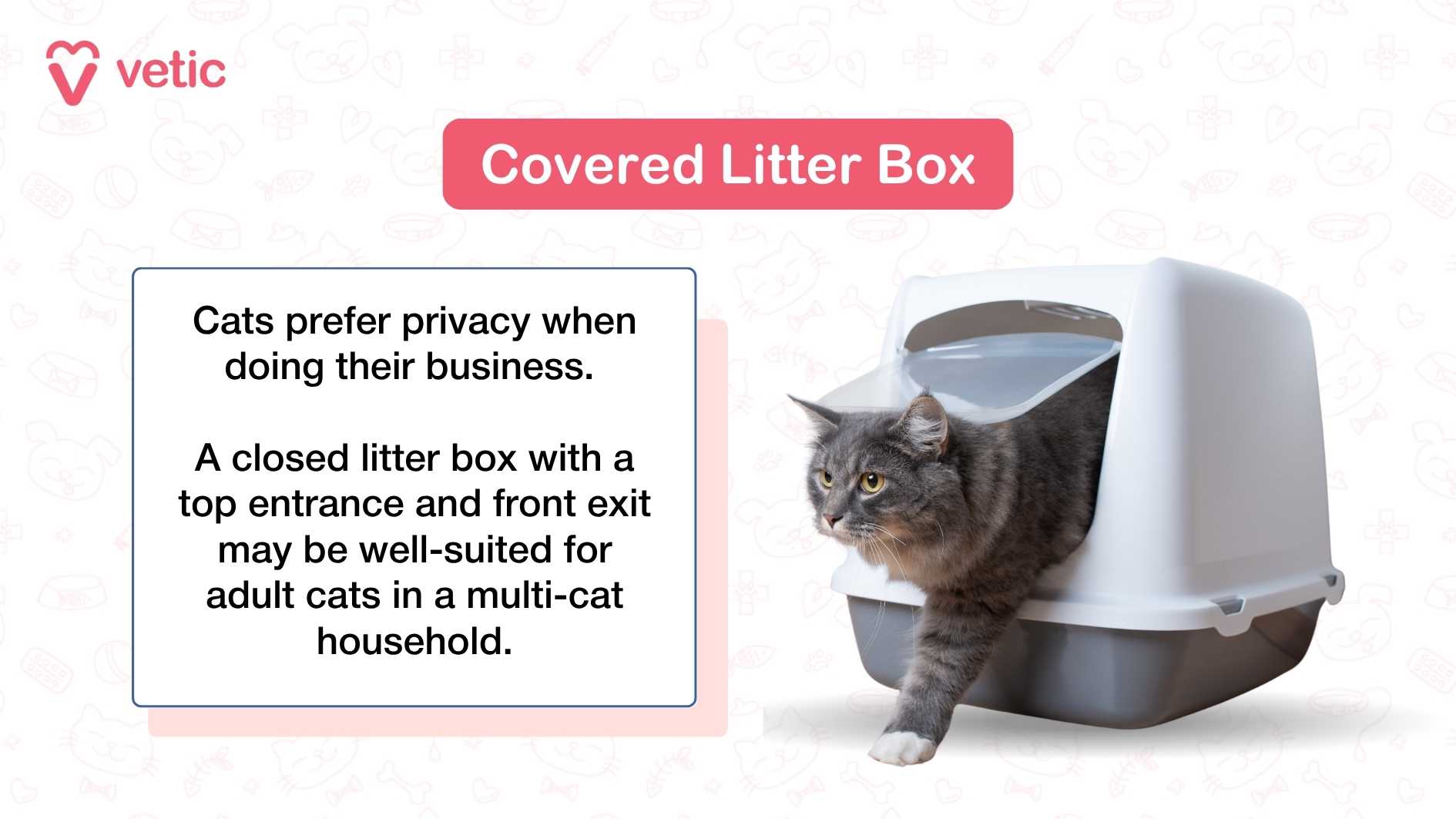
Location matters to cats. A noisy or busy spot scares them away. Boxes near food or water bowls are also unwanted. Cats want privacy. A quiet, calm area encourages litter box use.
Type Of Litter
Cats have litter preferences. Some dislike scented litters or textures. Changing litter brands may confuse or annoy them. Using a familiar, soft litter keeps cats comfortable. Test different types to find what they like.
Changes In Household
New family members or pets disrupt routines. Moving to a new home also causes confusion. Cats may react by avoiding their litter box. Patience and consistent routines help cats adjust.
Territorial Behavior
Cats mark territory by urinating outside the box. This happens if they feel threatened by other cats. Fighting or stress triggers this behavior. Providing multiple litter boxes and safe spaces reduces territorial marking.
Health Problems Affecting Litter Box Habits
Health problems can change how cats use their litter boxes. Pain, discomfort, or illness may cause a cat to avoid the box. Understanding these health issues helps solve the problem faster.
Some conditions make it hard for cats to reach or use the litter box. Others cause accidents outside the box due to urgency or pain. Watching your cat’s behavior closely reveals clues.
Urinary Tract Infections
Urinary tract infections cause pain during urination. Cats may associate the litter box with this pain. This fear can lead to avoiding the box entirely. Frequent or painful peeing outside the box is a warning sign.
Infections also increase the urge to urinate quickly. Cats may not reach the litter box in time. Immediate veterinary care is important to stop the infection and return habits to normal.
Kidney Disease
Kidney disease often leads to frequent urination and thirst. Cats may need to use the litter box more than usual. This can cause accidents if the box is not nearby or clean.
The illness can also cause weakness and confusion. Cats might struggle to find or enter the litter box. Regular vet visits help manage kidney disease and keep litter box habits steady.
Arthritis And Mobility Issues
Arthritis makes moving painful for many cats. Climbing into a high-sided litter box becomes difficult. Cats may avoid the box to escape discomfort.
Older cats with joint pain may choose softer or easier places to go. Lower, open litter boxes or ramps can help. Pain relief from a vet improves mobility and litter box use.
Digestive Problems
Digestive problems cause urgent or painful bowel movements. Cats may not reach the litter box in time. Diarrhea or constipation can also change a cat’s normal routine.
Stress from digestive issues might lead to accidents outside the box. Feeding a proper diet and vet treatment helps restore regular habits. Watch for changes in stool or appetite as warning signs.
Improving Litter Box Cleanliness
Cats avoid dirty litter boxes. Keeping the box clean encourages use and prevents accidents. Regular scooping and fresh litter make a big difference.
Improving Litter Box Cleanliness Keeping your cat’s litter box clean is crucial. A clean box encourages use and ensures a happy cat. Cats are sensitive to smells and textures. A dirty box can deter them. Let’s explore how to improve litter box cleanliness.Daily Scooping
Scoop the litter box daily. It prevents bad smells and keeps your cat healthy. Cats prefer clean spaces. Daily scooping reduces waste buildup. Use a scoop to remove clumps and waste. It only takes a few minutes.Regular Washing
Wash the litter box weekly. Use mild soap and warm water. Rinse thoroughly to remove soap residue. Clean boxes reduce bacteria and odors. Dry the box completely before adding new litter. Regular washing keeps your cat’s environment hygienic.Choosing The Right Litter Box Size
Select the right size for your cat. A spacious box is essential. Cats need room to move and dig. Small boxes can cause discomfort. Measure your cat’s length for the perfect fit. A larger box may encourage regular use.
Credit: vetic.in
Reducing Stress For Your Cat
Stress can cause a cat to stop using the litter box. Cats feel safe when their environment is calm and predictable. Reducing stress helps your cat feel secure and more likely to use the litter box again. Small changes can make a big difference in your cat’s behavior and well-being.
Creating Safe Spaces
Cats need quiet places to relax and hide. Provide cozy beds in calm corners away from noise and busy areas. Use soft blankets or cushions to make these spots inviting. Avoid placing litter boxes near loud appliances or heavy foot traffic. Safe spaces help cats feel protected and lower anxiety levels.
Maintaining Routine
Cats thrive on routine and predictability. Feed your cat at the same times each day. Keep playtime and grooming sessions regular. Sudden changes can stress your cat and cause litter box issues. A steady schedule gives your cat comfort and helps prevent accidents.
Using Calming Products
Calming products can reduce your cat’s anxiety. Try pheromone diffusers that release comforting scents. Use calming collars or sprays designed for cats. These products create a soothing environment and encourage normal behavior. Always choose products made specifically for cats and follow the instructions carefully.
Optimizing Litter Box Setup
Optimizing the litter box setup can help encourage your cat to use it again. Cats need a clean, comfortable, and quiet place to do their business. Small changes in the litter box location, number, or type can make a big difference.
Ideal Placement
Place the litter box in a quiet, low-traffic area. Cats dislike noisy or busy spots. Avoid places near their food or water bowls. Make sure the area is easy for your cat to access at all times.
Number Of Litter Boxes
Provide enough litter boxes for your home’s cat population. The rule is one box per cat plus one extra. This prevents competition and stress. It also reduces accidents outside the box.
Litter Type Preferences
Choose a litter type your cat prefers. Some like clumping clay, others prefer natural or crystal litter. Avoid scented litters, as many cats find the smell off-putting. Keep the litter clean by scooping daily to maintain freshness and encourage use.
Handling Behavioral Issues
Dealing with a cat that suddenly stops using the litter box can be frustrating. Often, the issue is behavioral rather than medical. Understanding and managing these behaviors can help you guide your cat back to good habits without stress for either of you.
Territorial Marking
Cats are naturally territorial, and changes in their environment can trigger marking behaviors. If your cat is spraying or urinating outside the box, it might be their way of saying, “This is my space.”
Try to identify any new scents or animals that could have disturbed your cat’s sense of security. Cleaning marked areas thoroughly and using pheromone diffusers can calm their territorial instincts. Have you noticed if your cat marks more when visitors come over or when the neighborhood cat is nearby?
Introducing New Pets
Bringing a new pet into the home can stress your cat and disrupt their litter box routine. Your cat might feel threatened and react by avoiding the box or marking territory.
Give your cat time and space to adjust. Keep the litter box in a quiet, accessible spot and maintain a consistent routine. You can also try scent swapping by exchanging bedding between pets to help them get used to each other gradually.
Training Techniques
Sometimes, a cat stops using the litter box because they need a refresher on proper habits. Reinforcing positive behavior can be very effective.
- Reward your cat immediately after they use the litter box with treats or affection.
- Clean the box regularly to keep it inviting.
- Consider adding an extra litter box in different areas of your home if space allows.
Have you tried observing your cat’s preferences for litter type or box style? Small adjustments can make a big difference in encouraging consistent use.
When To Consult A Veterinarian
Noticing your cat suddenly avoiding the litter box can be frustrating and worrying. Sometimes, this behavior points to an underlying health issue that needs professional attention. Knowing when to consult a veterinarian can save your cat from discomfort and prevent more serious problems.
Recognizing Warning Signs
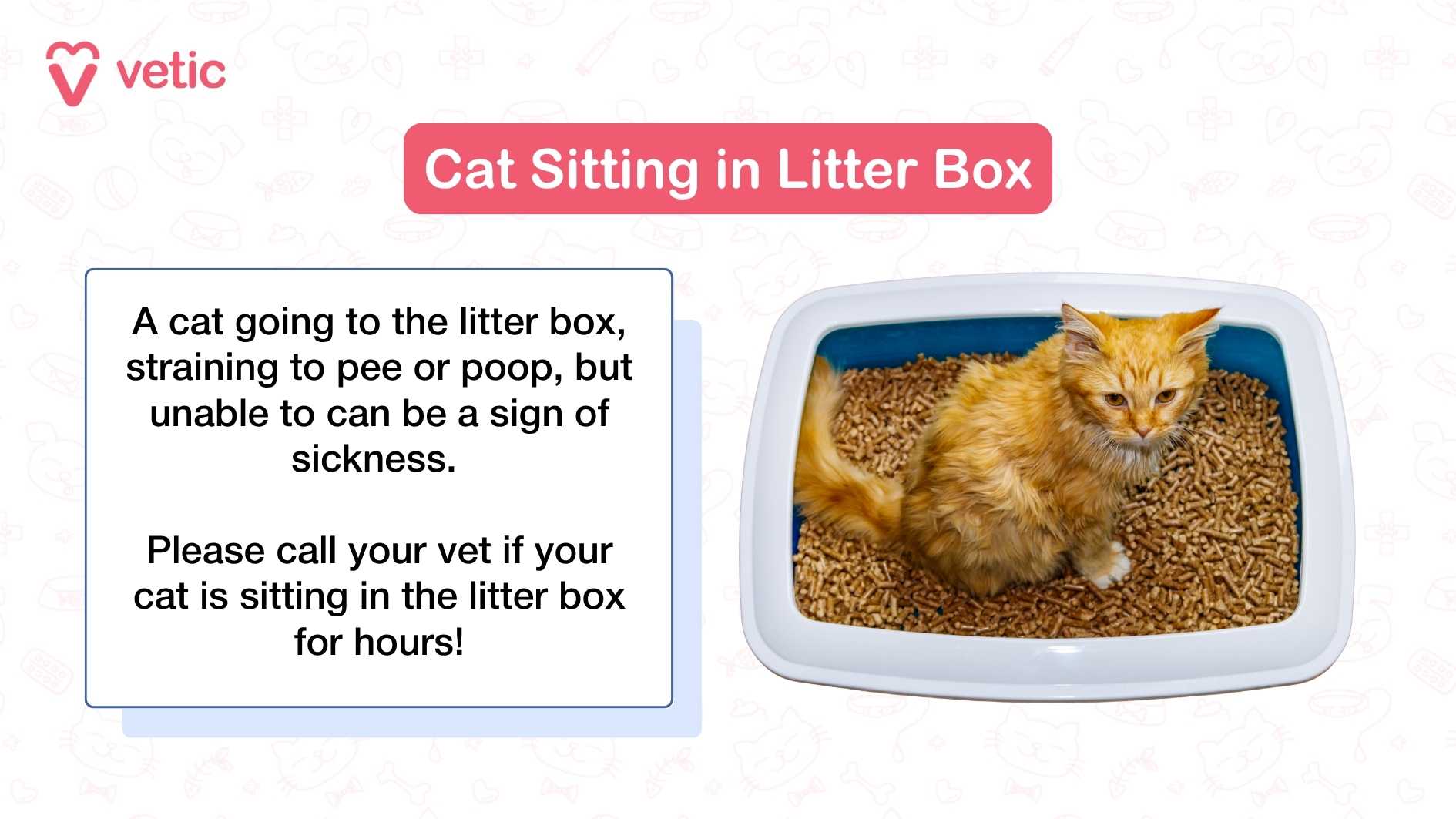
Look for changes beyond just litter box habits. Is your cat straining to urinate or defecate, or are they producing small amounts of urine? Are they licking their private areas excessively or showing signs of pain when using the litter box?
Other warning signs include:
- Sudden aggression or hiding more than usual
- Loss of appetite or vomiting
- Frequent vocalizing, especially during urination
If you notice any of these, your cat might be trying to tell you something serious is wrong.
Diagnostic Tests
When you bring your cat to the vet, expect a thorough physical exam first. The vet may suggest tests such as:
- Urinalysis to check for infections or crystals
- Blood tests to evaluate kidney and liver function
- X-rays or ultrasound to detect bladder stones or tumors
These tests help pinpoint the exact cause of your cat’s litter box avoidance. The sooner you act, the quicker your cat can get relief.
Treatment Options
Treatment depends on what the vet finds. For urinary tract infections, antibiotics are commonly prescribed. If bladder stones are the culprit, your vet might recommend a special diet or surgery.
Sometimes, behavior issues require environmental changes or medication. Your vet can guide you on managing pain, stress, or anxiety that might affect your cat’s litter box habits. Have you considered how small changes at home could support your cat’s recovery?
Credit: vetic.in
Frequently Asked Questions
Why Does My Cat Suddenly Stop Using The Litter Box?
Cats may stop using the litter box due to stress, illness, or dirty litter. Changes in their environment or a medical issue like a urinary tract infection can cause this behavior. Ensure the litter box is clean and consult a vet to rule out health problems.
How Can I Encourage My Cat To Use The Litter Box Again?
Keep the litter box clean and in a quiet, accessible place. Use unscented, clumping litter and scoop daily. Reward your cat with praise or treats when they use it. If problems persist, consult your vet for medical or behavioral advice.
Could Health Issues Cause My Cat’s Litter Box Avoidance?
Yes, health issues like urinary tract infections, bladder stones, or arthritis can cause litter box avoidance. Pain or discomfort may make your cat avoid the box. A vet visit is essential to diagnose and treat any medical condition promptly.
Does The Type Of Litter Affect My Cat’s Usage?
Yes, cats can be picky about litter texture and scent. Unscented, clumping litter is usually preferred. Avoid strong fragrances or dusty litters, as they can deter your cat. Experiment with different types to find your cat’s favorite.
Conclusion
A cat avoiding the litter box can signal many issues. Health problems, stress, or a dirty box often cause this behavior. Watch your cat closely and keep the litter box clean. Try changing the type of litter or box location.
Patience and care help your cat feel comfortable again. If problems continue, consult a vet for advice. A happy cat means a happy home. Keep trying; your cat will come back to the litter box.

Leave a Reply