
If you have two cats at home, you might wonder: can they share a litter box? It sounds simple, but the answer can affect your cats’ health and happiness.
You want to make sure your furry friends feel comfortable and clean. Understanding how cats use their litter boxes can save you time, money, and even stress. Keep reading to discover what experts say about sharing litter boxes and how to keep both of your cats happy and healthy.
Cat Litter Box Basics
Caring for a cat’s litter box is essential for their health and comfort. Understanding the basics helps keep your home clean and your cat happy. Proper litter box care can prevent many common issues like odors and accidents.
Types Of Litter Boxes
Several types of litter boxes suit different cats and homes. Open litter boxes are simple and easy to clean. Covered litter boxes provide privacy and help contain odors. Self-cleaning litter boxes save time but need regular maintenance. Choosing the right type depends on your cat’s habits and your lifestyle.
Choosing The Right Litter
Litter choice affects odor control and your cat’s comfort. Clumping litter makes cleaning easier by forming solid clumps. Non-clumping litter absorbs moisture but can be harder to clean. Some litters are scented, but unscented is better for sensitive cats. Natural litters, like corn or wood, are eco-friendly options. Test a few types to see what your cat prefers.
Litter Box Size And Placement
Size matters for your cat’s comfort. The box should be large enough for your cat to turn around freely. Place the litter box in a quiet, low-traffic area. Avoid spots near food or water bowls. Good ventilation helps reduce odors. Multiple boxes may be needed for multiple cats to prevent conflicts.

Credit: www.prettylitter.com
Behavioral Traits Of Cats
Cats have unique behaviors that affect how they use their litter boxes. Understanding these traits helps answer if two cats can share one box. Their actions often come from instincts and social habits. These shape how they feel about sharing spaces.
Territorial Instincts
Cats are naturally territorial animals. They mark areas with scent to claim ownership. A litter box is part of their territory. Sharing this space can cause stress or conflict.
Some cats may tolerate sharing if they have strong bonds. Others may guard the box to keep it just for themselves. This behavior can lead to litter box avoidance or accidents.
Social Behavior Among Cats
Cats show different social behaviors based on their personalities. Some enjoy close contact and share resources easily. Others prefer solitude and clear boundaries.
In multi-cat homes, social cats might accept a shared litter box. Less social cats need separate boxes to feel safe. Watching how cats interact helps decide the best litter box setup.
Sharing Challenges
Sharing a litter box can cause stress and health issues for cats. Some cats accept it, but many prefer their own space. Providing separate boxes helps keep cats happy and clean.
Sharing a litter box can pose challenges for cats, who are naturally territorial creatures. While some cats might adjust to sharing, others may face stress or conflicts. Understanding these challenges can help you create a more harmonious environment for your feline friends.Common Issues With Shared Boxes
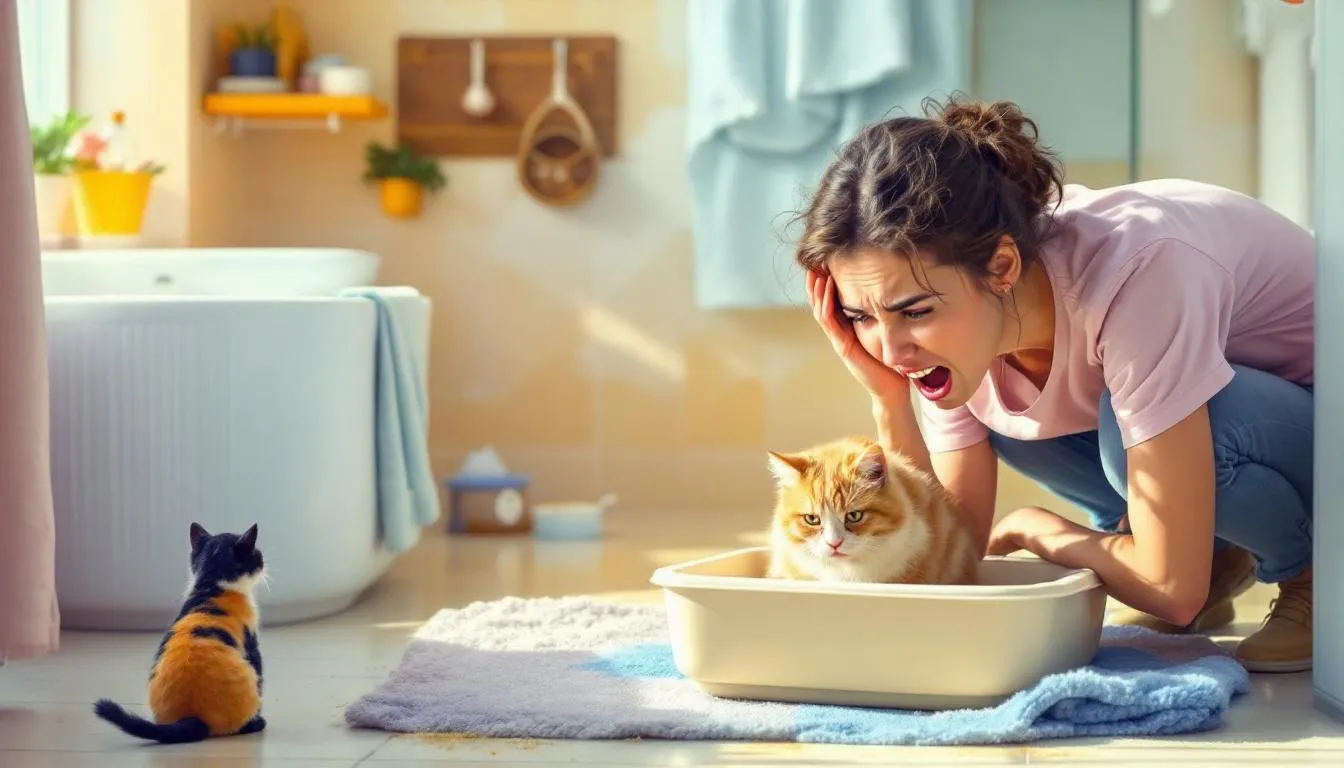
When two cats share a litter box, issues like territorial disputes can arise. Cats may feel the need to mark their territory, leading to inappropriate elimination outside the box. Hygiene can also become a concern, as a shared box fills up quickly, requiring more frequent cleaning to prevent odor and health problems. Some cats may be more dominant, limiting access for the other cat. This can result in one cat holding in waste, which can lead to urinary tract issues or constipation. If you notice litter scatter or one cat avoiding the box, it could be a sign of a problem.Signs Of Stress Or Conflict
Cats often communicate stress through behavior changes. If one cat begins to spray or eliminates outside the box, it may be stressed from sharing. Increased aggression, such as hissing or swatting near the litter box, is another red flag. Watch for signs of anxiety, like excessive grooming or changes in eating habits. A timid cat may hide more often, avoiding confrontations. Pay attention to these behaviors, as they can indicate a need for a separate box to ensure both cats feel comfortable and secure. Have you noticed any of these signs in your home? Addressing them promptly can make a big difference in your cats’ well-being. Consider the benefits of providing multiple litter boxes to ease these challenges and keep peace in your home.
Credit: www.reddit.com
Tips For Successful Sharing
Getting two cats to share a litter box can be tricky, but it’s doable with the right approach. The key is to make the experience comfortable and stress-free for both cats. Here are some practical tips to help your cats share a litter box successfully.
Number Of Boxes Needed
Rule of thumb: one litter box per cat, plus one extra. So if you have two cats, aim for three boxes. This gives them options and prevents territorial disputes.
Think about your cats’ personalities. If one is shy or dominant, having more boxes can reduce stress. You might notice your cats prefer different locations or types of boxes—observe and adapt accordingly.
Cleaning And Maintenance
Keep the boxes spotless to encourage use. Scoop waste at least twice a day and change litter weekly. Dirty boxes can quickly turn cats away.
Use unscented, clumping litter that both cats like. Some cats are picky, so watch for signs of avoidance. Clean boxes reduce odors and help prevent health issues like urinary infections.
Introducing Cats To Shared Boxes
Introduce the boxes gradually if your cats are new to sharing. Place multiple boxes in different spots first. Let your cats explore at their own pace.
Watch for signs of discomfort or aggression near the boxes. If one cat guards a box, separate them temporarily. Patience is key—forcing sharing can backfire and cause litter box avoidance.
When To Provide Separate Boxes
Knowing when to provide separate litter boxes is key for happy cats. Sharing one box may work in some cases. But sometimes, separate boxes are better for health and peace. Watch your cats closely for signs that separate boxes are needed.
Health Concerns
Separate litter boxes help prevent illness from spreading. Cats with infections or parasites should have their own box. This stops germs moving between cats. Also, older cats or those with medical issues may need their own box. Clean boxes reduce risks of urinary problems and infections.
Personality Conflicts
Cats have different personalities and habits. Some cats feel stressed sharing a box. Signs include avoiding the box or going outside it. Aggressive or dominant cats may scare others away. Separate boxes reduce fights and anxiety. Place boxes in quiet, safe spots to keep cats calm.
Monitoring And Adjusting
Sharing a litter box between two cats can work well, but it requires careful monitoring and adjustments. Cats are sensitive creatures with unique habits and preferences. Watching their behavior closely helps catch problems early. Adjusting the litter box setup keeps both cats comfortable and healthy.
Observing Cat Behavior
Watch for signs of stress or discomfort around the litter box. Notice if one cat blocks the other from using it. Look for changes in bathroom habits or accidents outside the box. Pay attention to how long each cat spends inside. Observe body language—tail flicks, growls, or avoidance. These clues show if the sharing arrangement works or needs change.
Adapting Litter Box Setup
Make changes based on what you observe. Add an extra litter box if cats avoid sharing. Place boxes in quiet, separate areas to reduce tension. Choose litter types both cats prefer. Clean boxes frequently to keep them fresh and inviting. Adjust box size or style to fit each cat’s needs. Small changes improve comfort and reduce conflicts.

Credit: www.amazon.com
Frequently Asked Questions
Can Two Cats Share One Litter Box?
Yes, two cats can share one litter box, but it’s not ideal. Sharing may cause stress and hygiene issues. It’s best to have one litter box per cat plus one extra to ensure cleanliness and reduce territorial conflicts.
How Many Litter Boxes Do Two Cats Need?
Two cats need at least three litter boxes. This rule helps prevent territorial disputes and keeps the area clean. More litter boxes mean less stress and a lower chance of inappropriate elimination.
What Are Signs Cats Dislike Sharing Litter Boxes?
Cats may avoid a shared litter box if they show stress, urinate outside, or scratch excessively. Territorial behavior, such as guarding or blocking the box, also indicates dislike. Providing multiple boxes usually resolves these issues.
Can Sharing Litter Boxes Cause Health Problems?
Yes, sharing litter boxes can increase the risk of infections and parasites. Bacteria and parasites spread more easily in shared spaces. Multiple litter boxes help maintain hygiene and reduce health risks for cats.
Conclusion
Two cats can share a litter box, but it needs care. Clean the box often to keep it fresh and smell-free. Watch for signs of stress or litter box problems. Giving each cat their own box is usually best. This helps avoid fights and keeps cats happy.
Pay attention to your cats’ habits and needs. A clean, quiet place helps cats use the litter box well. Sharing can work, but many cats prefer their own space. Keep their comfort and health as your top priority.

Leave a Reply