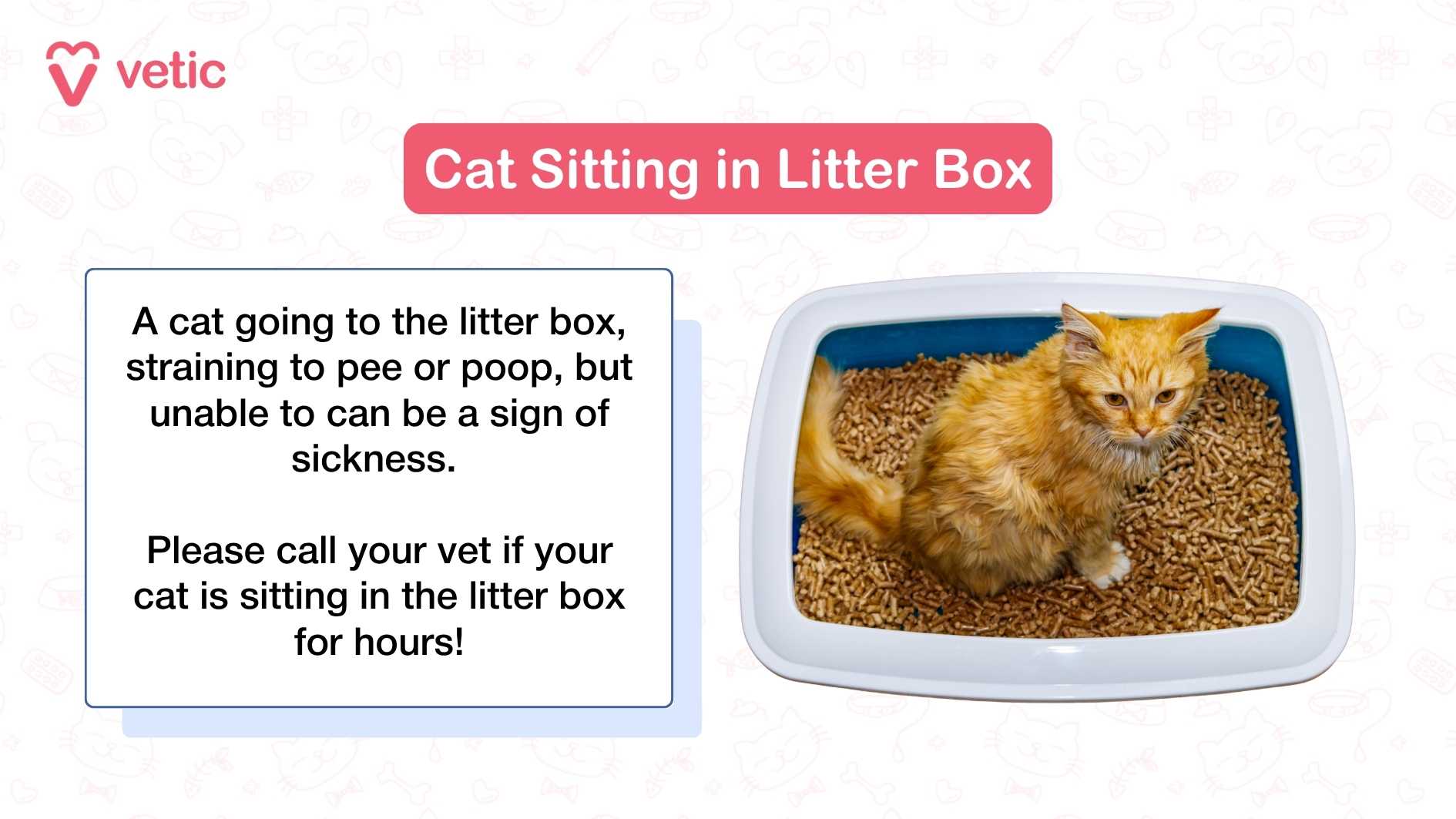
Have you ever found your cat sitting in their litter box and wondered, “Why is my cat doing that?” It’s a strange sight that can leave you feeling confused or even worried. Your furry friend might be trying to tell you something important about their health or comfort.
Understanding the reasons behind this behavior can help you keep your cat happy and healthy. Keep reading, and you’ll discover what’s really going on when your cat chooses to sit in the litter box.
Credit: deskcatnest.com
Common Cat Behaviors In Litter Box
Cats spend a lot of time in their litter boxes. It is normal for them to sit there for different reasons. Understanding their behaviors helps to know if they are healthy or need help. Some behaviors are usual, while others show discomfort or illness.
Normal Sitting Habits
Cats often sit in the litter box before or after using it. They may sit quietly to cover their waste. Sometimes, cats sit simply to rest or feel safe. The box is a private place for them. Sitting calmly in the box is a sign of comfort and normal routine.
- Waiting to urinate or defecate
- Sitting to scratch the litter surface
- Taking a moment to relax in a quiet spot
- Checking the litter box before use
Signs Of Discomfort
When cats sit in the litter box for a long time, it may signal a problem. They might show pain or stress. Signs include frequent sitting without elimination or straining. Loud meowing or restless behavior can indicate discomfort. These signs often mean a health issue like a urinary infection.
- Repeated attempts to urinate without success
- Excessive licking of the genital area
- Hunched posture or trembling while sitting
- Avoiding the litter box after sitting for long
Health Issues Behind Litter Box Sitting
When your cat suddenly starts spending a lot of time sitting in the litter box, it’s a signal worth paying attention to. This unusual behavior often points to underlying health problems that your cat might be struggling with. Understanding the possible health issues can help you act quickly and prevent more serious complications.
Urinary Tract Problems
One common reason cats linger in the litter box is discomfort from urinary tract issues. Cats with urinary tract infections or blockages may associate the box with pain and try to relieve it by frequent visits. You might notice your cat straining or crying while trying to urinate, which is a clear sign something is wrong.
Ignoring these symptoms can lead to severe complications like bladder rupture or kidney damage. Have you noticed your cat spending more time in the box but producing little to no urine? This should prompt an immediate vet visit to avoid life-threatening problems.
Digestive Disorders
Digestive problems can also make your cat cling to the litter box. Conditions like constipation or diarrhea cause discomfort that makes your cat reluctant to leave the box. They might appear restless or try to pass stool repeatedly without success.
Sometimes, cats with inflammatory bowel disease or food intolerances exhibit this behavior as well. If your cat is sitting in the litter box and seems uncomfortable or strained, keep a close eye on their eating habits and stool consistency. These details will help your vet diagnose the issue.
Pain And Discomfort
Beyond specific illnesses, general pain or discomfort can cause this odd behavior. Cats with arthritis or injuries might find it easier to sit in the litter box because it offers a quiet, confined space. This might be your cat’s way of coping with pain or stress.
Have you observed your cat avoiding jumping or moving much before spending time in the box? This could indicate physical pain. Providing a comfortable resting area and a vet check-up can make a big difference in your cat’s well-being.
Stress And Anxiety Factors
Cats often sit in their litter box due to stress and anxiety. This behavior can indicate discomfort or fear. Understanding these factors helps address the issue effectively.
Environmental Changes
Changes at home can unsettle a cat deeply. New furniture, loud noises, or visitors may cause stress. Cats find comfort in familiar surroundings. The litter box becomes a safe spot for them to retreat.
Territorial Stress
Cats feel strong about their territory. Other pets or new animals nearby can cause tension. They may sit in the litter box to mark their space. This behavior signals they want to keep control of their area.
Separation Anxiety
Cats form strong bonds with their owners. Being left alone for long periods may cause anxiety. Sitting in the litter box can be a coping mechanism. It offers a sense of security during lonely times.
Litter Box Preferences And Problems
Cats are known for their particular habits, especially when it comes to their litter boxes. Sometimes, your cat might sit in the litter box instead of just using it for its intended purpose. Understanding your cat’s litter box preferences and problems can help you solve this puzzling behavior.
Box Size And Type
A litter box that’s too small can make your cat uncomfortable. Cats need enough space to turn around and dig without feeling cramped.
Have you noticed your cat trying to squeeze into a tiny box or avoiding it altogether? Switching to a larger box or one with lower sides could make a big difference.
Some cats prefer covered boxes for privacy, while others feel trapped by them. Watch how your cat reacts to different types and adjust accordingly.
Litter Material Issues
The type of litter you use can affect your cat’s behavior. Some cats dislike scented litters, which can irritate their sensitive noses.
Others may find certain textures unpleasant. If your cat sits in the box without eliminating, it might be testing the litter’s feel.
Try experimenting with unscented, clumping, or natural litters to find one your cat prefers. Your cat’s choice can tell you a lot about what makes them comfortable.
Cleanliness Concerns
Cats are clean animals and often avoid dirty litter boxes. If the box isn’t scooped frequently, your cat may sit in it out of confusion or stress.
Have you kept the litter box as clean as possible? Even a little odor or mess can drive your cat to strange behaviors.
Regularly cleaning and fully changing the litter can encourage your cat to use the box properly. Consider adding an extra box if you have multiple cats to reduce competition and stress.
Behavioral Reasons For Sitting
Cats may sit in the litter box for reasons beyond just using it. Their behavior can tell us a lot about their feelings and needs. Understanding why a cat chooses to sit in the litter box helps in caring for them better. Some reasons are linked to their natural instincts and emotions.
Marking Territory
Cats use scent to mark their space. Sitting in the litter box spreads their scent in a safe zone. It signals to other animals that this area belongs to them. This behavior is common in multi-cat homes. It helps reduce conflicts and keeps peace.
Seeking Comfort
The litter box can feel like a quiet, private spot. Cats may sit there to calm down or feel secure. Stress or changes in the home can lead them to seek this comfort. The familiar smell of their own scent adds to the feeling of safety.
Attention-seeking Actions
Sometimes cats sit in the litter box to get your attention. They may feel ignored or want more interaction. This behavior can be a way to communicate needs or discomfort. Watching for other signs can help understand their message.

Credit: us.feliway.com
When To See A Veterinarian
Noticing your cat spending unusual time in the litter box can be worrying. Sometimes, this behavior signals a health issue that needs prompt attention. Knowing when to see a veterinarian can make a big difference in your cat’s comfort and recovery.
Warning Signs To Watch For
Pay close attention if your cat is sitting in the litter box for long periods or repeatedly entering without producing much urine. Signs like straining, crying out, or blood in the litter can indicate pain or infection.
Also, watch for changes in appetite, lethargy, or excessive grooming around the genital area. These symptoms often accompany urinary tract problems or other medical issues.
Diagnostic Tests
Your vet will likely start with a physical exam and ask about your cat’s behavior and litter box habits. A urine test is common to check for infections, crystals, or stones.
Sometimes, blood tests and X-rays are needed to get a complete picture. These tests help identify underlying problems like kidney disease or bladder stones that might cause litter box sitting.
Treatment Options
Treatment depends on the diagnosis but often involves antibiotics for infections or special diets to dissolve bladder crystals. Pain relief may be necessary to help your cat feel better quickly.
In some cases, surgery might be required if there are physical blockages. Your vet will guide you through the best options and how to monitor your cat’s progress at home.
Preventive Measures And Tips
Keeping the litter box clean and quiet helps your cat feel safe and comfortable. Watch for stress signs and provide a cozy, calm space nearby. Regular vet visits can catch health issues early, preventing litter box sitting due to pain or illness.
Preventive Measures and Tips Cats are mysterious creatures, and their behavior often leaves us puzzled. If you’ve found your feline friend lounging in the litter box, you might wonder why. Understanding preventive measures can help ensure your cat is comfortable and healthy.Maintaining Litter Box Hygiene
Cleanliness is key. Cats are naturally clean animals and a dirty litter box can be a major turn-off for them. Make sure to scoop the box daily and replace the litter at least once a week. Consider the type of litter you’re using. Some cats are picky about texture or scent. Switching to a different brand might encourage your cat to use it for its intended purpose.Managing Stress
Stress can drive cats to unusual behaviors, including spending excessive time in the litter box. Have there been any recent changes in your home? New furniture, a different routine, or even a new pet can unsettle your cat. Create a calm environment. Provide your cat with cozy spaces and interactive toys to reduce stress levels. Sometimes, just offering a little more attention can help your cat feel secure.Regular Health Checkups
Health issues can also prompt this behavior. Conditions like urinary tract infections or constipation might make your cat associate the litter box with relief. Schedule regular vet visits. This ensures any potential health problems are caught early. Your vet can offer valuable advice tailored to your cat’s needs, keeping them happy and healthy.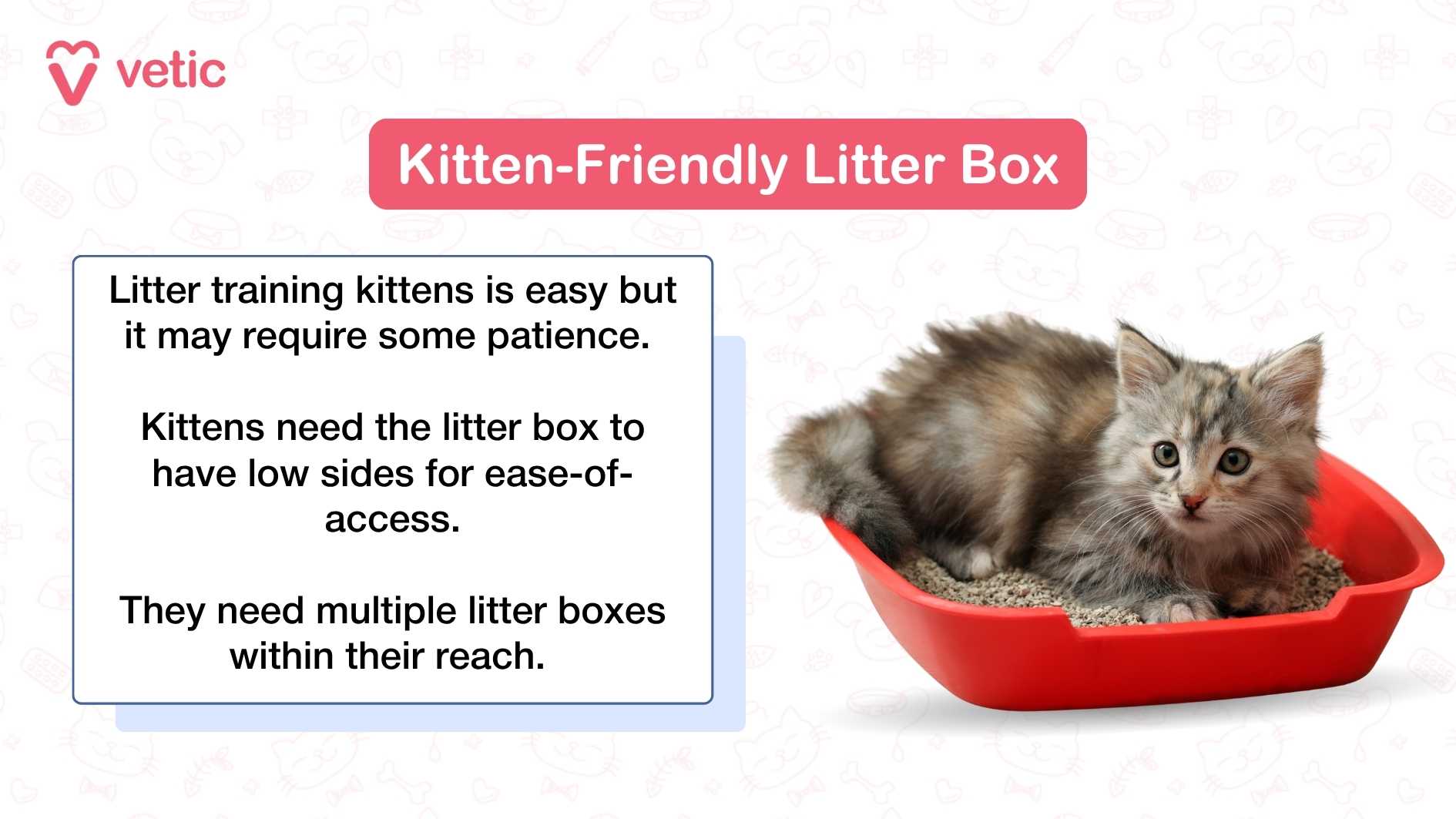
Credit: vetic.in
Frequently Asked Questions
Why Does My Cat Sit In The Litter Box Often?
Cats sit in the litter box due to stress, illness, or marking territory. It may signal urinary issues or anxiety. Observing behavior and consulting a vet can help diagnose the cause and ensure your cat’s health and comfort.
Can Sitting In The Litter Box Indicate Health Problems?
Yes, frequent litter box sitting often signals urinary tract infections or bladder pain. It’s important to watch for other symptoms and seek veterinary care promptly to prevent complications.
Is Stress A Reason For My Cat’s Litter Box Behavior?
Stress can cause cats to sit in the litter box. Changes in environment, new pets, or loud noises may trigger this. Reducing stressors and providing a calm space helps improve their behavior.
How Can I Stop My Cat From Sitting In The Litter Box?
Ensure the litter box is clean, accessible, and in a quiet area. Address health issues with a vet and reduce stress by maintaining routine and providing enrichment for your cat.
Conclusion
Cats may sit in the litter box for many reasons. Sometimes, they feel sick or stressed. Other times, they want a quiet, safe place to rest. Watch your cat’s behavior closely. Clean the litter box often to keep it fresh.
If your cat sits there a lot, visit the vet. Understanding this habit helps keep your cat happy and healthy. Stay patient and caring to support your furry friend.



Leave a Reply