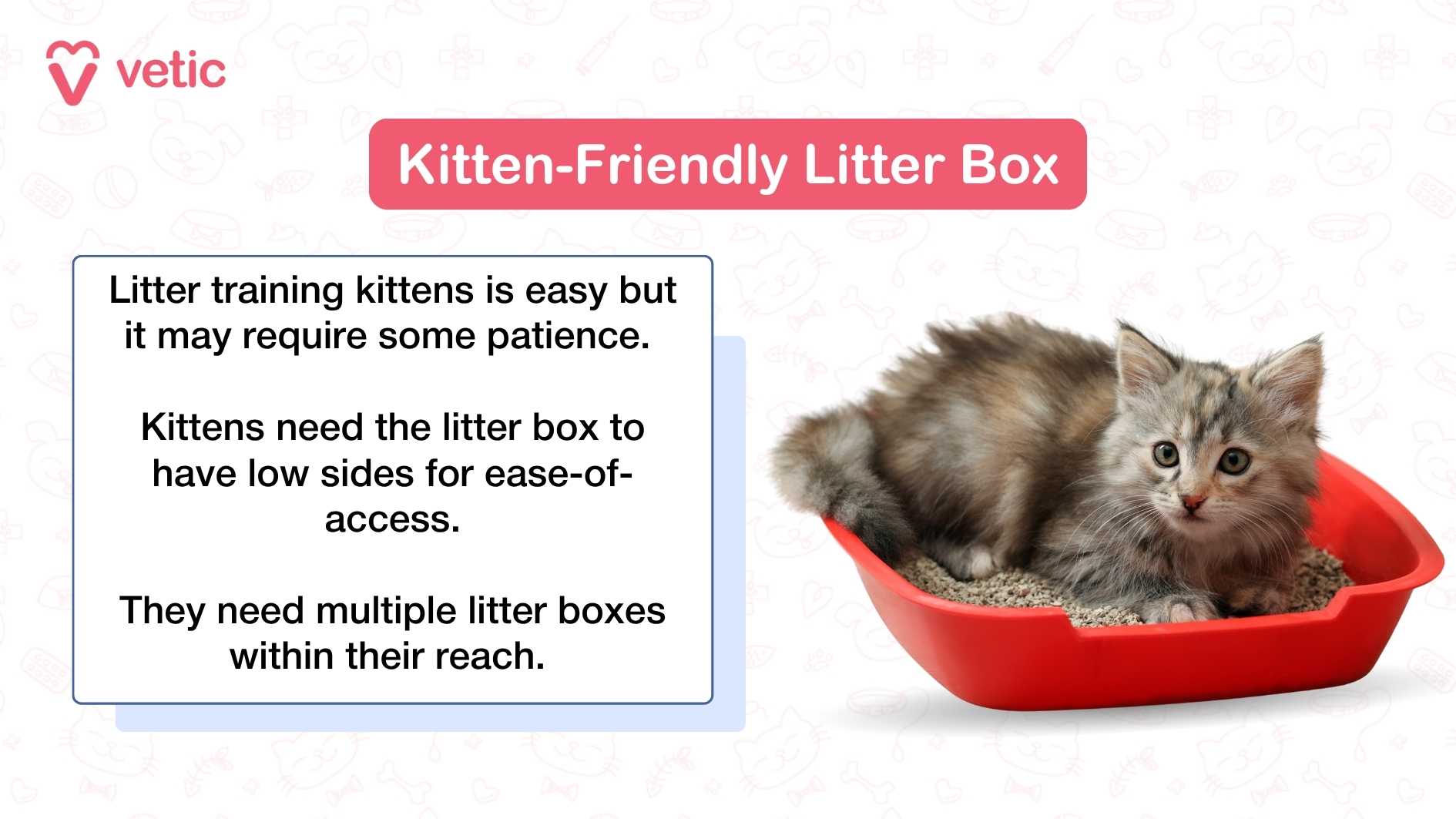
Teaching your cat to use a litter box might seem tricky, but it doesn’t have to be. Imagine having a clean, odor-free home where your furry friend knows exactly where to go.
You’re just one simple step away from making that happen. Whether you have a new kitten or a cat that’s never used a litter box before, this guide will give you clear, easy tips to get your cat comfortable and confident.
Keep reading, and you’ll discover how to turn your cat into a litter box pro—quickly and stress-free.

Credit: cats-magazine.com
Choosing The Right Litter Box
Choosing the right litter box is crucial to helping your cat feel comfortable and confident during their litter training journey. It’s not just about picking any box; the size, type, and placement all play a big role in your cat’s willingness to use it consistently. Let’s dive into what you need to consider to make this choice easier and more effective.
Size And Type Options
Your cat’s size and personality influence the kind of litter box that will work best. If you have a large or long-haired cat, a bigger box with higher sides can prevent litter scatter and provide enough space for movement.
Consider the box type too. Covered boxes offer privacy, which some cats prefer, but others feel trapped and avoid them. Open boxes are easier to clean and allow your cat to feel less confined. You might want to try both and see what your cat prefers.
- Standard rectangular box – great for most cats
- Top-entry box – helps reduce litter tracking but may not suit kittens or older cats
- Self-cleaning box – convenient but can be noisy and intimidating for shy cats
Ask yourself: Does your cat like privacy, or do they prefer an open space? Observing their habits can guide your choice.
Placement Tips
Where you put the litter box can make or break your training efforts. Cats want a quiet, low-traffic spot where they feel safe but not isolated.
Avoid placing the box near their food and water bowls, as cats dislike eliminating near their eating area. Also, steer clear of noisy appliances or busy hallways that could startle them.
- Choose a calm corner with easy access
- Ensure good ventilation to control odors
- Place multiple boxes if you have more than one cat or a large home
Have you noticed where your cat naturally tends to go when they need to relieve themselves? That spot might be a perfect location for the box.
Selecting The Best Litter
Choosing the right litter is a crucial step in teaching your cat to use the litter box. The type of litter you select can influence your cat’s comfort and willingness to use the box consistently. Paying attention to your cat’s preferences can save you time and frustration.
Types Of Cat Litter
There are several types of cat litter available, each with unique qualities. Clay-based litters are popular because they clump well and are easy to scoop. However, they can be dusty and heavy to carry.
Natural litters, made from materials like corn, wheat, or pine, offer an eco-friendly alternative. They tend to be lighter and less dusty but might not clump as tightly. Crystal litter absorbs moisture well and controls odor but some cats may dislike its texture.
- Clumping Clay:Easy to clean but can be dusty.
- Non-Clumping Clay:Absorbs moisture but requires full box changes more often.
- Natural/Plant-Based:Biodegradable and lighter.
- Crystal Silica:Controls odor, low dust, but different texture.
Scent And Texture Preferences
Cats are sensitive to both scent and texture in their litter. Some litters come scented, but many cats prefer unscented varieties because strong smells can deter them. Have you noticed your cat avoiding the box after you changed the litter scent?
Texture is equally important. Some cats like fine, soft granules that feel gentle on their paws, while others prefer coarser litter. If your cat shows hesitation, try testing a few types side by side to see which they choose.
Remember, your cat’s comfort with the litter affects how quickly they learn to use the box. Observing their behavior and being willing to adjust can make all the difference in success.
Preparing The Area
Choose a quiet, easy-to-access spot for the litter box. Keep the area clean and free from distractions to help your cat feel safe and comfortable.
Preparing the area for your cat’s litter box is an essential step in ensuring your feline friend learns where to go. The right environment can make all the difference in how quickly and easily your cat adapts to using the litter box. A well-prepared area can also help prevent accidents and keep your home clean and odor-free.Creating A Comfortable Space
Cats are particular creatures, and they appreciate a space that feels secure and peaceful. Choose a location that is quiet and free from heavy foot traffic. This could be a spare bathroom, a laundry room, or a quiet corner of the house. Ensure the space is easily accessible for your cat. You don’t want your cat to have to navigate obstacles or stairs to reach the litter box. Consider the lighting. A dimly lit area might feel more private and appealing, but make sure it’s not too dark for your cat to feel uneasy.Keeping The Area Clean
Maintaining cleanliness in the litter box area is crucial for encouraging consistent use. Cats are clean animals, and a dirty litter box can quickly become a deterrent. Scoop the litter box daily to keep it fresh and inviting. A clean litter box signals to your cat that this is the right place to go. Regularly wash the litter box with mild soap and water. Avoid strong-smelling cleaners as cats have sensitive noses, and the lingering scent might discourage them from using the box. Do you have any personal tricks for maintaining a clean litter box area? Sharing your insights could help fellow cat owners create the perfect environment for their pets.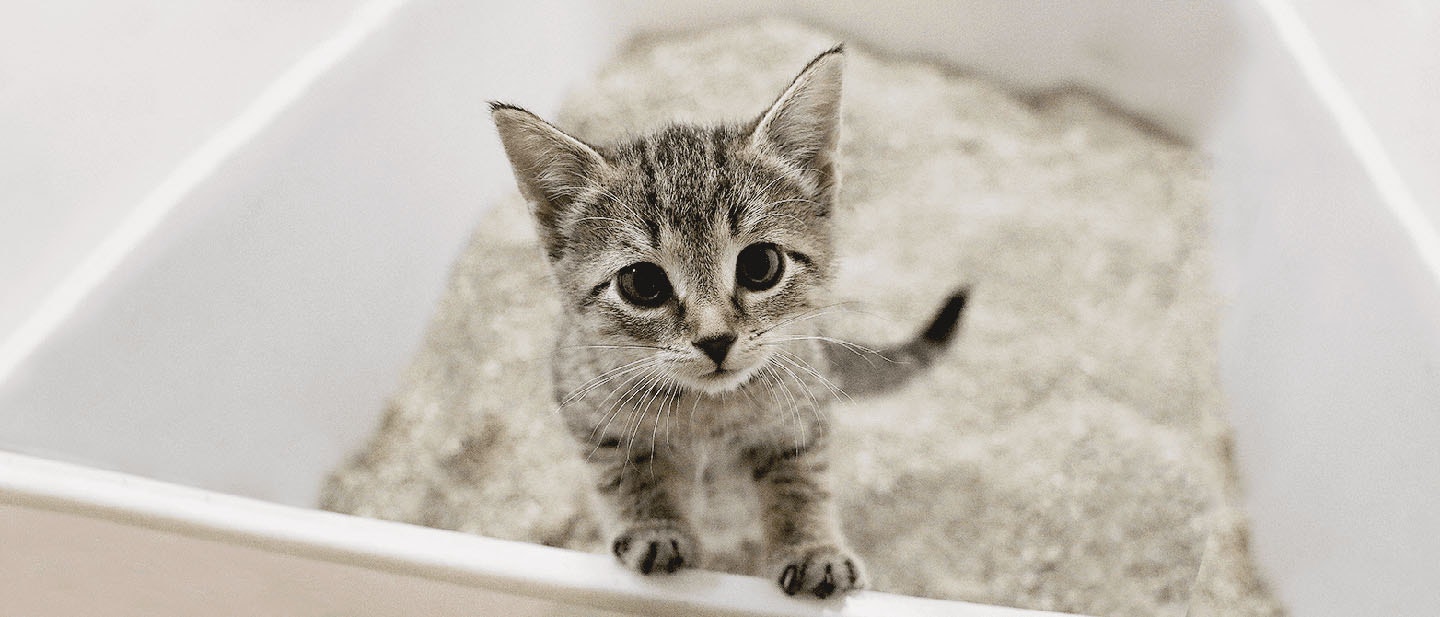
Credit: www.whiskas.com.ph
Introducing Your Cat To The Box
Introducing your cat to the litter box is a crucial part of their training journey. It sets the foundation for good bathroom habits and helps avoid accidents. Your goal is to make the litter box a familiar and comfortable spot without overwhelming your cat.
Initial Exposure
Start by placing the litter box in a quiet, accessible area. Avoid high-traffic zones or places with loud noises that can scare your cat. Let your cat see the box from a distance first—no need to rush them inside immediately.
Gently place your cat near the box after meals or naps, when they naturally feel the urge to go. If your cat sniffs or shows curiosity, praise them softly to encourage positive feelings. Keep the lid off and the sides low so they can easily jump in and out.
Encouraging Exploration
Allow your cat to explore the litter box at their own pace. You can gently scratch the litter surface with your fingers to show them its texture. This often sparks their interest and helps them understand the box’s purpose.
If your cat seems hesitant, try placing some treats or toys near the box. This creates a positive association without pressure. Ask yourself: how can you make the litter box feel like a safe space rather than a strange new object?
Remember, patience is key. Every cat is different, and some may take longer to get comfortable. Keep the box clean and fresh, as cats are very particular about hygiene and this can impact their willingness to use it.
Encouraging Proper Use
Encouraging your cat to use the litter box properly takes patience and good habits. Cats respond well to clear signals about what you want them to do. Creating a positive and clean environment helps your cat feel safe and confident. Consistency is key to making litter box training successful.
Positive Reinforcement
Reward your cat when it uses the litter box correctly. Use gentle praise and small treats to show approval. Cats learn fast when good behavior brings rewards. Avoid punishing your cat for mistakes, as it can cause fear and confusion. Make the litter box a pleasant place by keeping it clean and quiet.
Handling Accidents
Accidents are normal during training. Clean the area well to remove any smell that might attract your cat again. Use enzyme cleaners to break down urine odors completely. Never rub your cat’s nose in the mess or shout. Instead, calmly guide your cat back to the litter box. Watch for signs that your cat needs to go and gently place them in the box.
Maintaining Good Habits
Maintaining good habits is key to keeping your cat comfortable with their litter box. Consistency helps your cat know what to expect. Cleanliness and attention to behavior ensure long-term success. These habits create a healthy environment for your cat and home.
Regular Cleaning Routine
Clean the litter box daily to remove waste. Scoop out clumps and replace dirty litter. Washing the box with mild soap every week keeps smells away. Cats prefer a fresh, clean spot for their bathroom. Avoid strong-smelling cleaners that can scare your cat.
Place the box in a quiet, private area. This helps your cat feel safe and relaxed. Keep extra litter nearby for quick refills. A clean box encourages your cat to use it regularly.
Monitoring Behavior Changes
Watch your cat for changes in litter box use. Sometimes, health issues cause accidents outside the box. Look for signs like avoiding the box or frequent urination. Early detection helps address problems quickly.
Note any stress triggers, such as new pets or loud noises. Stress can affect your cat’s bathroom habits. Keep a calm, stable environment to support good litter box use. Contact a vet if problems persist or worsen.
Troubleshooting Common Issues
Troubleshooting litter box issues can feel frustrating, but understanding the root causes helps you solve problems effectively. Many cats struggle with litter boxes due to simple fixable reasons. Identifying these early prevents bad habits and keeps your home clean.
Avoiding Litter Box Aversion
Has your cat suddenly stopped using the litter box? Litter box aversion often happens when cats dislike the box or its location.
Check if the box is clean enough—cats prefer a spotless spot. Scoop daily and wash the box weekly with mild soap. Also, consider the type of litter; some cats reject scented or clumpy litters.
Try moving the box to a quiet, low-traffic area. Cats hate disturbances when they go. Multiple boxes in different spots help, especially if you have more than one cat.
Remember, stress can cause avoidance too. Changes in your home or routine might unsettle your cat. Provide a calm environment and observe if the problem eases.
Addressing Medical Concerns
Health issues often cause litter box problems. If your cat suddenly stops using the box or strains while going, a vet visit is essential.
Common medical causes include urinary tract infections, kidney problems, or arthritis. These can make using the box painful or difficult.
Watch for signs like frequent attempts, blood in urine, or excessive licking. Early diagnosis prevents discomfort and stops accidents.
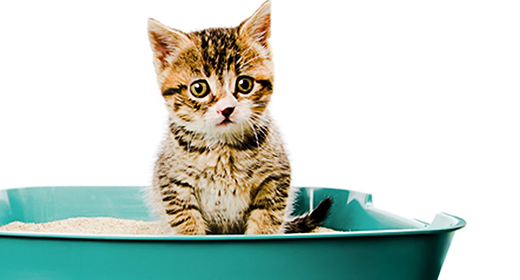
After treatment, support your cat by maintaining a clean, accessible litter box. Sometimes, switching to a low-sided box helps cats with mobility issues.
Credit: www.iams-india.com
Frequently Asked Questions
How Long Does It Take To Litter Train A Cat?
Litter training usually takes one to two weeks. Consistency, patience, and positive reinforcement speed up the process. Every cat learns at its own pace.
What Type Of Litter Is Best For Cats?
Unscented, clumping litter is ideal. It absorbs moisture well and controls odor. Avoid strong fragrances, as cats dislike them.
Where Should I Place The Litter Box?
Place the litter box in a quiet, accessible area. Avoid noisy or high-traffic spots. Cats prefer privacy when using their box.
How Often Should I Clean The Litter Box?
Clean the litter box daily by scooping waste. Change all litter weekly to maintain hygiene. A clean box encourages regular use.
Conclusion
Teaching a cat to use the litter box takes patience and care. Keep the box clean and in a quiet place. Praise your cat when it uses the box correctly. Watch for signs if your cat avoids the box. Small steps lead to good habits.
Your cat will learn with time and kindness. A happy cat means a happy home. Keep trying, and soon it will be easy.



Leave a Reply