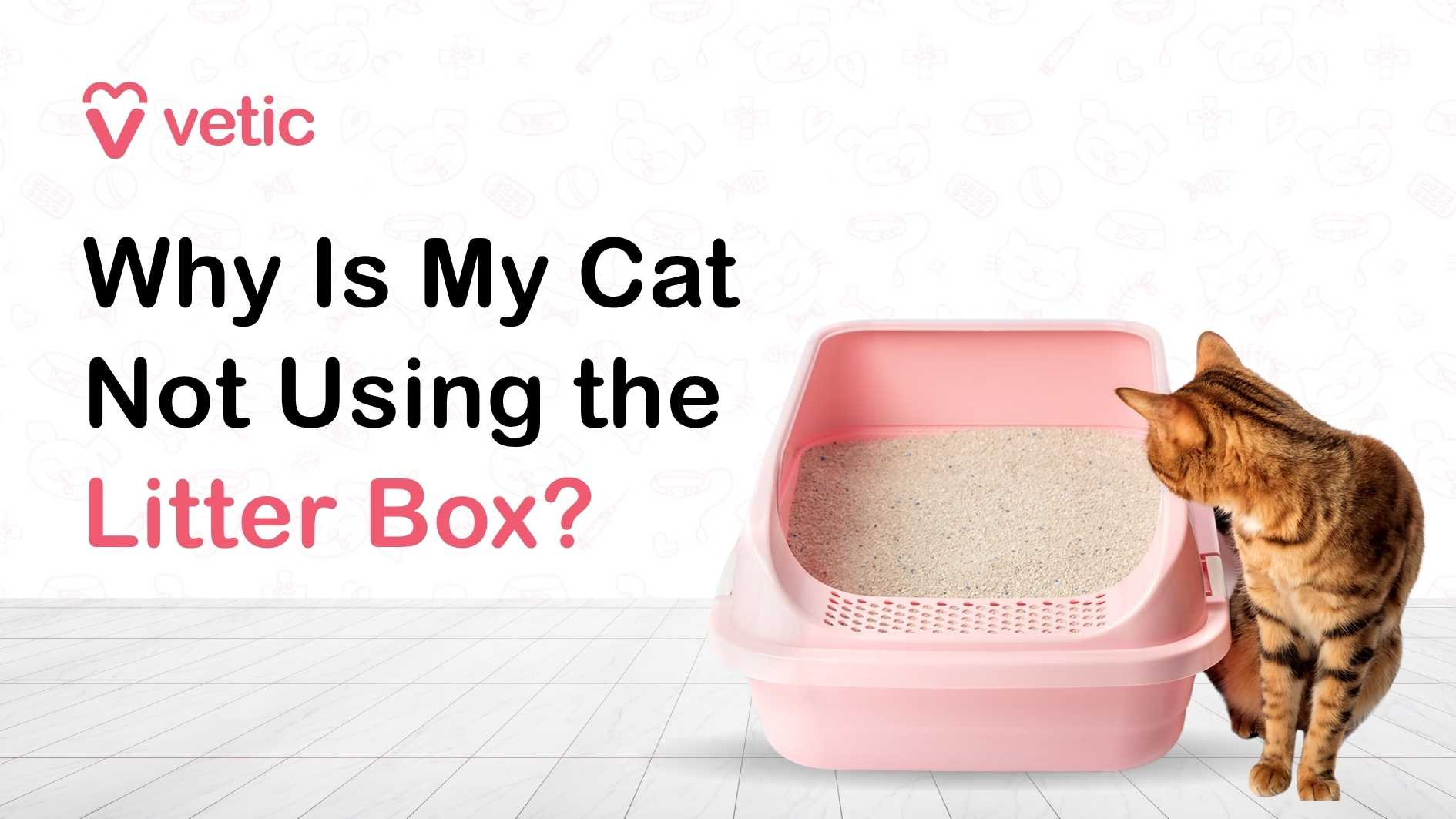
Have you noticed your cat suddenly avoiding the litter box? It’s frustrating and confusing, especially when you can’t figure out why.
When your furry friend stops using the litter box, it’s not just a bad habit – it often signals that something is wrong. You might worry about your cat’s health, your home’s cleanliness, or both. Keep reading to discover the surprising reasons behind this behavior and how you can fix it quickly.
Understanding these signs can save you stress and keep your cat happy and comfortable.
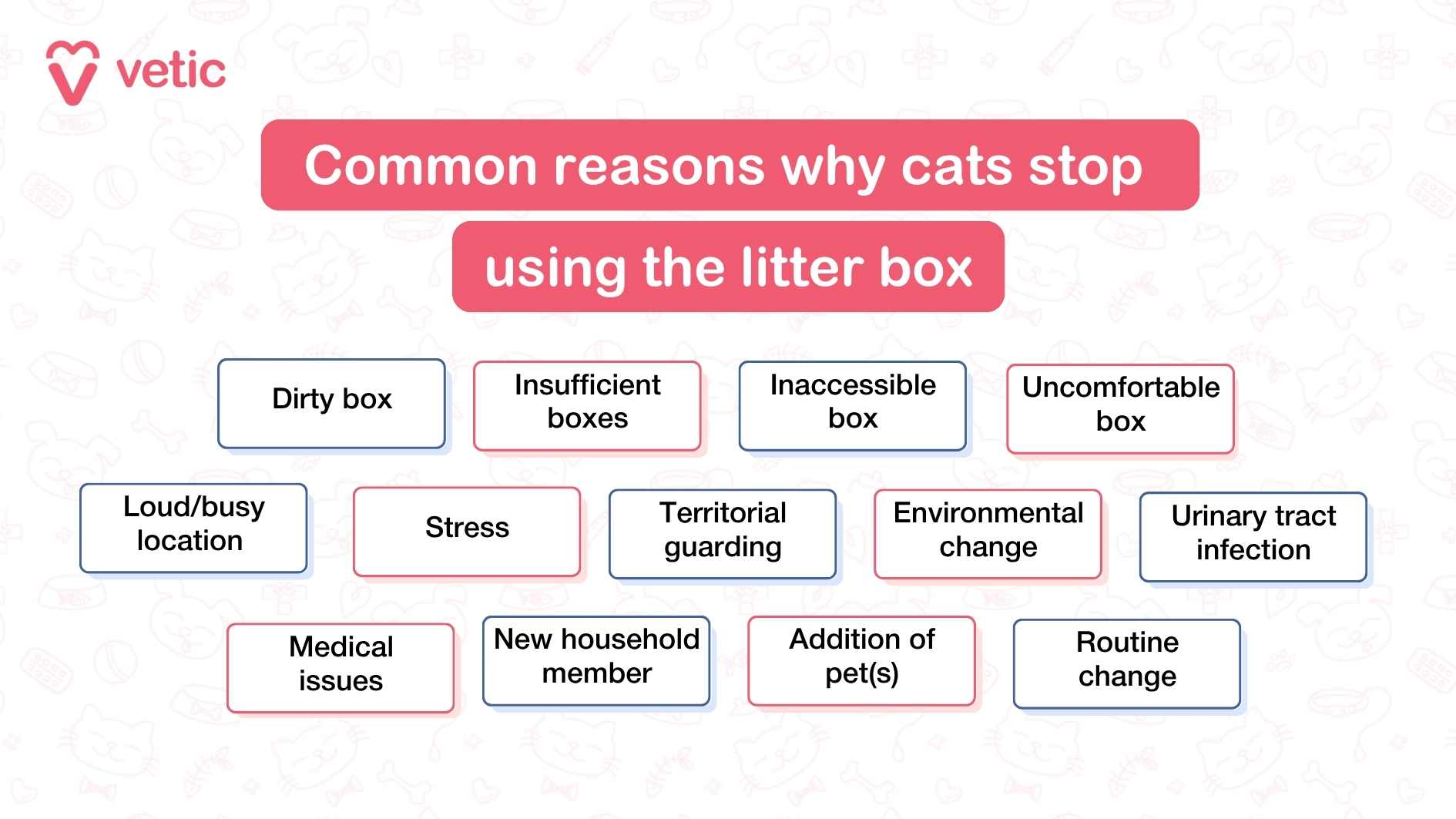
Common Reasons Cats Avoid Litter Boxes
Cats may stop using their litter boxes for many reasons. Understanding these reasons helps solve the problem quickly. Some causes are health-related, while others involve behavior or environment. Paying attention to these factors keeps your cat happy and your home clean.
Medical Issues
Health problems often cause cats to avoid the litter box. Urinary tract infections, bladder stones, or kidney issues make urination painful. Cats may associate the pain with the litter box and avoid it. Arthritis or injuries can make entering or exiting the box difficult. A vet checkup is important to rule out medical causes.
Stress And Anxiety
Stress changes a cat’s behavior quickly. Loud noises, new pets, or visitors can upset them. Moving to a new home or changing routines adds anxiety. Cats may stop using the litter box as a response. Creating a calm environment helps reduce stress and encourages proper litter box use.
Litter Box Cleanliness
Cats like a clean place to do their business. Dirty litter boxes can repel them. Clumps, odors, or waste left too long make the box unpleasant. Regular scooping and washing keep the box inviting. Clean litter boxes encourage consistent use.
Litter Type Preferences
Not all cats like the same litter. Some prefer fine, soft litter while others like coarser textures. Fragrances or additives may bother sensitive cats. Experimenting with different litter types helps find the best fit. Using the right litter improves box acceptance.
Location Problems
The litter box location matters a lot. Boxes placed in noisy, busy, or hard-to-reach areas discourage use. Cats want privacy and quiet when they go. Avoid placing boxes near food or water bowls. A calm, accessible spot encourages litter box visits.
Changes In Household
Adding new family members or pets affects cats’ habits. New babies, guests, or pets cause stress or territorial behavior. Changes in furniture or routines can confuse cats. These changes may lead to litter box avoidance. Gradual introductions and maintaining routines help cats adjust.
Credit: vetic.in
Medical Conditions Affecting Litter Box Use
Medical conditions often play a significant role when a cat suddenly stops using its litter box. Understanding these health issues can help you identify the root cause and seek the right treatment promptly. Ignoring these signs might lead to worsening symptoms and more litter box problems.
Urinary Tract Infections
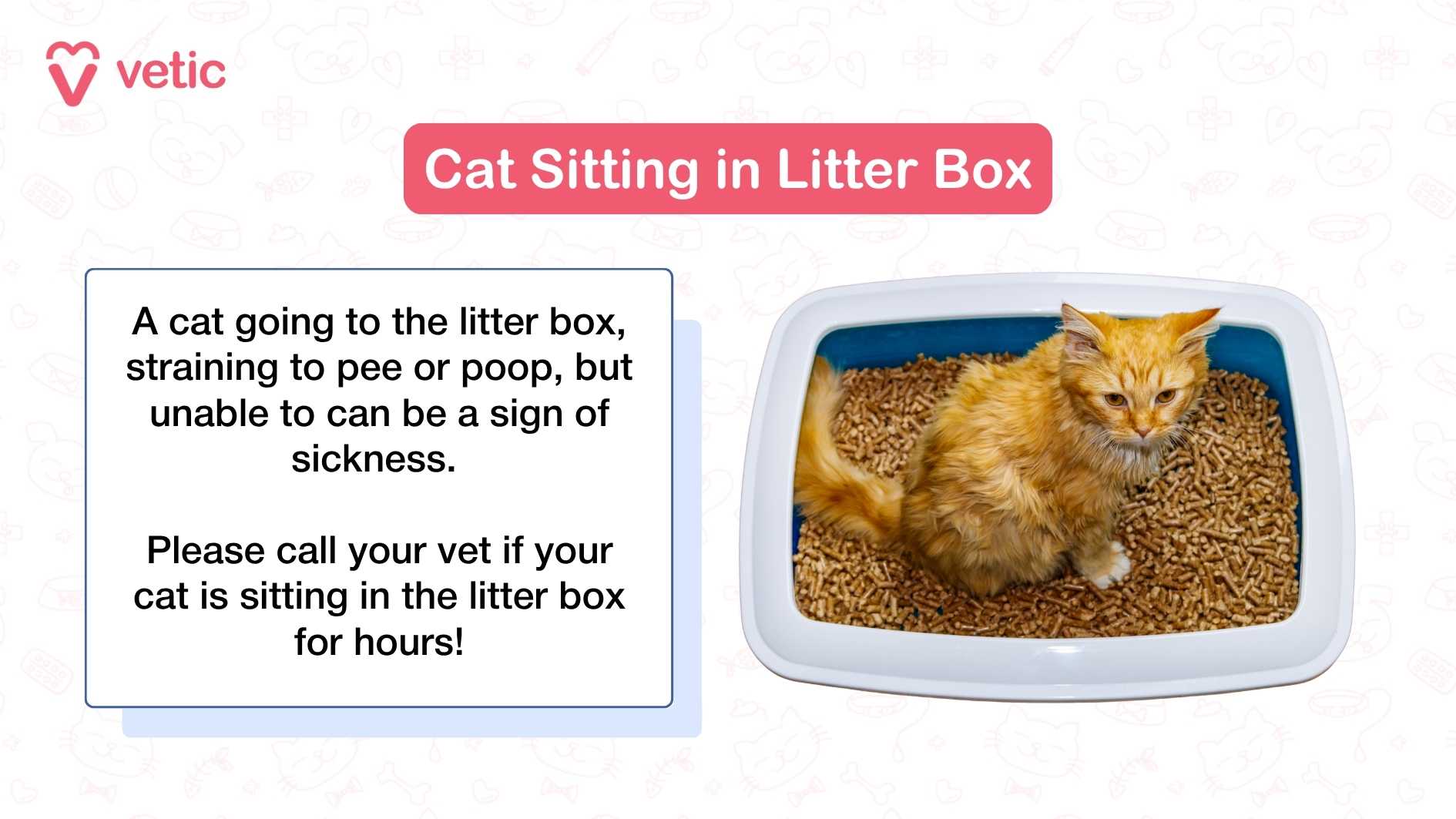
Urinary tract infections (UTIs) are a common reason cats avoid their litter box. The pain and burning sensation during urination can make your cat associate the litter box with discomfort. You might notice your cat straining, crying out, or going outside the box because it’s easier to avoid the pain.
If your cat suddenly starts urinating in odd places, consider a vet visit to check for UTIs. Early treatment usually resolves the issue quickly and helps your cat return to normal litter box habits.
Kidney Problems
Kidney disease can alter your cat’s bathroom habits significantly. Cats with kidney problems often urinate more frequently and in larger amounts. This urgency can lead to accidents if the litter box isn’t nearby or easily accessible.
Have you noticed your cat drinking more water or losing weight? These could be signs of kidney issues affecting litter box use. A vet can perform blood tests to confirm the diagnosis and recommend treatment options.
Arthritis And Mobility Issues
Older cats or those with arthritis may find it painful to climb into or move around the litter box. This discomfort can discourage them from using the box altogether. You might see your cat avoiding the box or choosing softer surfaces to relieve joint pain.
Try switching to a litter box with lower sides or providing ramps. Small changes can make a big difference in comfort and encourage your cat to return to regular litter box use.
Gastrointestinal Disorders
Digestive problems like constipation or diarrhea can disrupt your cat’s litter box routine. A cat with diarrhea might have accidents outside the box due to urgency or discomfort. Constipation can cause straining, making the litter box experience unpleasant.
Has your cat’s litter box behavior changed alongside changes in appetite or stool consistency? This could signal a gastrointestinal issue needing veterinary attention. Proper diagnosis and treatment can restore both health and good litter box habits.
Behavioral Causes Behind Litter Box Avoidance
Understanding why your cat has stopped using the litter box can be a challenging puzzle. Often, the reasons are behavioral and can be addressed with some detective work and patience. Knowing these behavioral causes can help you restore peace to your home and ensure your feline friend is comfortable and stress-free.
Territorial Marking
Cats are instinctively territorial creatures. They may stop using the litter box to mark their territory, especially if there are changes in their environment. New pets, babies, or even rearranged furniture can trigger this behavior.
Consider if your household dynamics have shifted recently. Sometimes, just adding an extra litter box can provide a new space for your cat to claim as their own.
Negative Associations
Have you ever noticed how cats can be quite particular? A single bad experience can create a lasting impression. If your cat associates the litter box with something negative, like a loud noise or a painful medical issue, they might avoid it.
Reflect on recent events that might have unsettled your cat. Ensuring the litter box is in a quiet, accessible area can help rebuild trust.
Boredom And Attention Seeking
Cats, like all of us, crave interaction and stimulation. A cat might stop using the litter box if they feel neglected or bored, using their behavior to grab your attention. Are you spending enough quality time with them?
Engage with your cat through play and affection. Regular play sessions can not only alleviate boredom but also reinforce positive behaviors.
Have you experienced any of these challenges with your cat? Observing their behavior closely and making small changes can often lead to big improvements. Addressing these behavioral causes can help you and your cat find harmony again.
Credit: vetic.in
Improving Litter Box Experience
Improving your cat’s litter box experience can help stop them from avoiding it. Cats are picky about their bathroom habits. Small changes in the litter box setup can make a big difference. Understanding what your cat likes helps keep them comfortable and clean.
Choosing The Right Litter
Cats prefer litter that feels soft on their paws. Unscented clumping litter often works best. Avoid strong fragrances that can scare your cat. Test different types to find what your cat likes. Keep the litter depth around 2 to 3 inches.
Maintaining Cleanliness
Clean the litter box daily to prevent odors and discomfort. Scoop out waste at least once a day. Wash the box with mild soap weekly. Avoid harsh chemicals that can irritate your cat. Clean boxes encourage regular use and reduce accidents.
Optimal Box Placement
Place the litter box in a quiet, low-traffic area. Avoid spots near noisy appliances or busy rooms. Make sure the location is easy for your cat to access. Avoid places near their food or water bowls. Good placement helps your cat feel safe and private.
Number Of Litter Boxes Needed
Provide enough boxes for all your cats. The rule is one box per cat, plus one extra. More boxes reduce competition and stress. Spread boxes across different rooms if possible. This setup encourages proper litter box use.
Managing Stress And Anxiety In Cats
Stress and anxiety can cause cats to stop using their litter box. Cats feel safe in calm places. Changes in the home or loud noises can upset them. Managing stress helps keep cats happy and healthy. It also encourages good litter box habits.
Creating Safe Spaces
Give your cat quiet places to hide and rest. Use soft bedding and low lighting. Small, cozy areas feel safe to cats. Avoid placing litter boxes near noisy spots or busy rooms. Safe spaces reduce fear and stress.
Using Calming Products
Calming sprays and diffusers release natural scents. These scents help cats relax and feel secure. Soft music designed for cats also soothes nerves. Talk to your vet about calming supplements. These products can ease anxiety and improve litter box use.
Routine And Environmental Enrichment
Cats thrive on routine. Feed and play with your cat at regular times daily. Add toys and scratching posts for mental and physical activity. Changing environments often can cause stress. Keep surroundings stable to encourage comfort and good habits.
When To Consult A Veterinarian
Knowing when to consult a veterinarian is crucial if your cat suddenly stops using the litter box. It’s not just about bad habits—underlying health issues often cause this behavior. Acting quickly can save your cat from discomfort and prevent more serious problems.
Identifying Warning Signs
Look out for sudden changes in your cat’s bathroom habits, especially if they start urinating or defecating outside the litter box. Signs like frequent attempts to urinate, straining, or crying while using the box indicate pain. If your cat seems lethargic, loses appetite, or has blood in their urine or stool, these are urgent red flags.
Have you noticed your cat hiding or acting withdrawn? Behavioral changes combined with litter box avoidance often point to medical issues. Don’t ignore these signs—they signal your cat needs professional help.
Diagnostic Steps
When you visit the vet, expect a thorough physical exam and questions about your cat’s habits and environment. The vet will likely recommend urine and blood tests to check for infections, kidney problems, or diabetes. Imaging tests like X-rays or ultrasounds might be needed to spot bladder stones or tumors.
Understanding these diagnostic steps helps you prepare for the visit and ask informed questions. Remember, the vet’s goal is to find the root cause, not just treat symptoms.
Treatment Options
Treatment depends on the diagnosis. Urinary tract infections may require antibiotics, while bladder stones might need a special diet or surgery. If stress or anxiety triggers the litter box issues, your vet can suggest behavioral therapy or calming products.
Don’t wait to see if your cat improves on its own. Early treatment often leads to faster recovery and prevents complications. How quickly you act can make a big difference in your cat’s comfort and health.
Credit: vetic.in
Frequently Asked Questions
Why Does My Cat Suddenly Stop Using The Litter Box?
Cats may stop using the litter box due to stress, illness, or dirty litter. Changes in environment or litter type can also cause avoidance. It’s important to check your cat’s health and keep the litter box clean and accessible.
Can Health Issues Cause Litter Box Problems?
Yes, urinary tract infections, kidney disease, and arthritis can cause litter box avoidance. Pain or discomfort makes it hard for cats to use the box. A vet visit is essential to diagnose and treat any medical problems.
How Can I Encourage My Cat To Use The Litter Box?
Keep the litter box clean and placed in a quiet, accessible area. Use unscented, clumping litter and provide multiple boxes if you have several cats. Positive reinforcement and patience help encourage proper litter box habits.
Does Litter Box Type Affect My Cat’s Behavior?
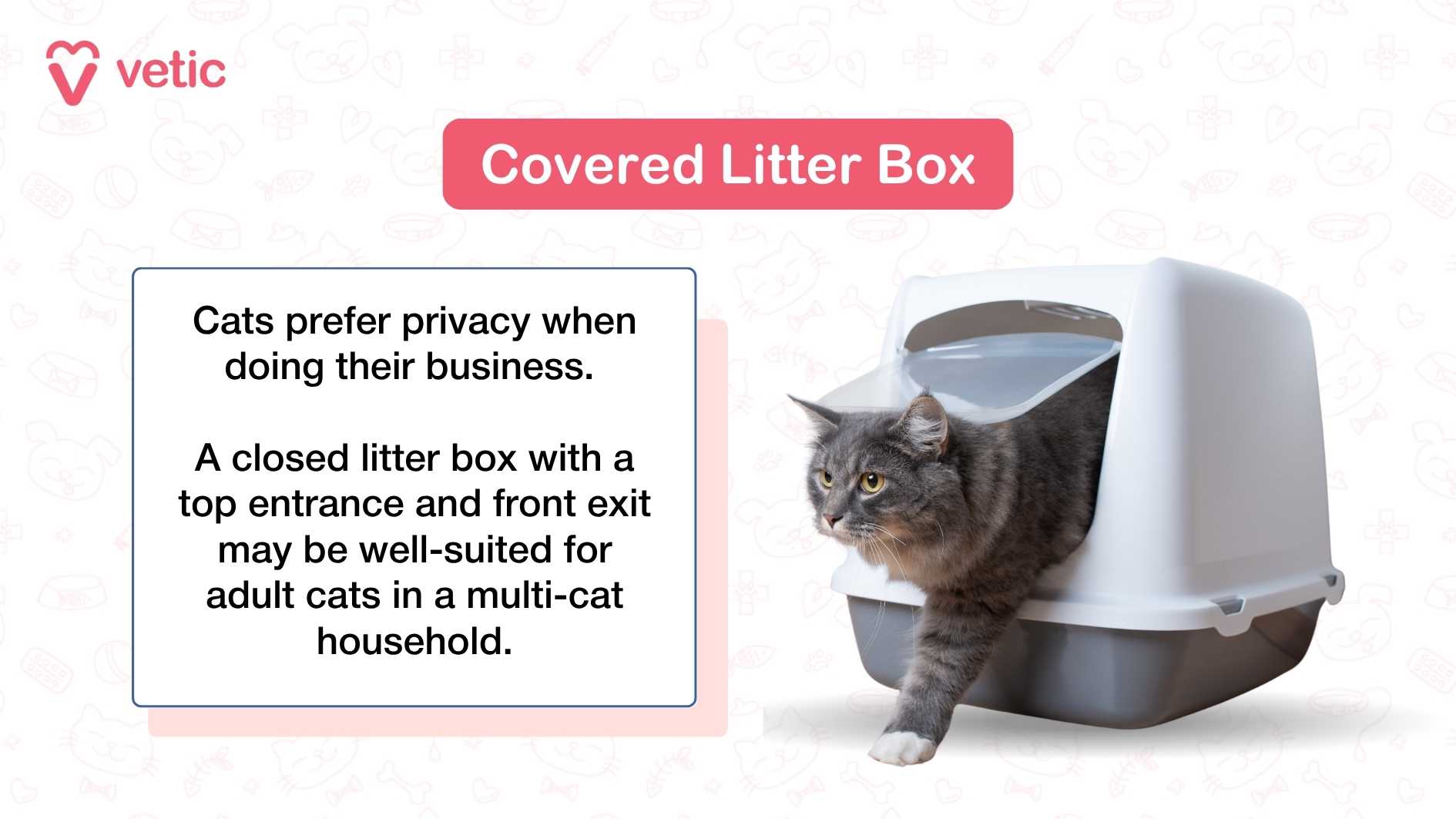
Yes, cats can be picky about litter box size, style, and litter texture. Covered boxes may trap odors, deterring use. Experiment with different types to find what your cat prefers to encourage consistent use.
Conclusion
Cats stop using the litter box for many reasons. Health problems, stress, or a dirty box can cause this behavior. Watch your cat closely to find the cause. Keep the litter box clean and in a quiet place. Visit a vet to rule out illness.
Patience and care help your cat feel safe again. Understanding your cat’s needs makes a big difference. Small changes can bring big results. Your cat will return to good habits with time.



Leave a Reply