Have you ever come home to find your cat has left a surprise outside the litter box? It’s frustrating, confusing, and can leave you wondering what went wrong.
If your furry friend suddenly starts defecating outside their usual spot, you’re not alone—and there’s a reason behind this behavior. Understanding why your cat is avoiding the litter box is the first step to fixing the problem. Keep reading to discover the common causes and simple solutions that can help you and your cat live happily without those unwanted messes.
Common Reasons For Outdoor Defecation
Understanding why your cat chooses to defecate outside the litter box is key to solving this frustrating issue. Several common reasons might explain this behavior, ranging from physical health concerns to emotional stress. Identifying the root cause helps you address the problem effectively and keep your home clean and your cat comfortable.
Health Problems
Sometimes, your cat’s litter box aversion is a cry for help. Health issues like urinary tract infections, constipation, or digestive problems can make using the litter box painful or difficult.
If your cat suddenly starts defecating outside the box, consider a vet visit. Catching health problems early can prevent ongoing accidents and relieve your cat’s discomfort.
Litter Box Issues
Your cat might reject the litter box if it’s dirty or not to their liking. Cats are picky about cleanliness and litter type—unscented and soft litter is often preferred.
Think about the box size and location too. Is it too small, in a noisy area, or near their food? Adjusting these can make a big difference.
Stress And Anxiety
Changes in your household can unsettle your cat. New pets, moving furniture, or loud noises can trigger anxiety, causing them to avoid the litter box.
Observe your cat’s environment and try to minimize stressors. Providing quiet, safe spaces might encourage them to return to the box.
Territorial Behavior
Cats mark territory with scent, and defecating outside the box can be a way to claim space. This is common in multi-cat homes where competition over territory exists.
Addressing territorial disputes by providing multiple litter boxes and separate resources can help reduce this behavior. Have you noticed if your cat targets specific areas or objects?
Health Issues Affecting Litter Box Use
Cats may stop using their litter box due to health problems. These issues can cause discomfort or pain. The cat might associate the litter box with pain and avoid it.
Recognizing health-related reasons helps to address the problem correctly. Early treatment improves your cat’s comfort and behavior.
Urinary Tract Infections
Urinary tract infections (UTIs) cause pain and urgency during urination. Cats with UTIs might urinate outside the litter box. They try to find softer or cooler places to relieve discomfort. Watch for signs like frequent attempts to urinate or blood in the urine.
Digestive Disorders
Digestive problems can cause diarrhea or constipation. Cats with these issues may avoid the litter box due to pain or urgency. Sudden changes in diet or stress can worsen digestive health. Monitor your cat’s stool and behavior closely for signs of distress.
Pain And Mobility Problems
Pain from arthritis or injuries makes reaching the litter box hard. Cats with mobility problems may avoid the box if it is difficult to access. Low-sided boxes or ramps can help cats with limited movement. Keep the litter box near their favorite resting spots for easy access.
Litter Box Factors That Matter
Cats may avoid the litter box due to its cleanliness, size, or location. Stress or health issues can also cause this behavior. Understanding these factors helps prevent accidents and keeps your cat comfortable.
Cats defecating outside the litter box can be a puzzling and frustrating issue for cat owners. Understanding the litter box factors that matter can help prevent this behavior and ensure a harmonious living environment for both you and your feline friend. These factors, often overlooked, play a crucial role in your cat’s bathroom habits.Cleanliness And Maintenance
Cats are fastidious creatures who appreciate a clean environment. A dirty litter box is a common reason cats may choose to go elsewhere. Regularly scooping out waste and changing the litter at least once a week can make a big difference. If you notice an unpleasant odor or see that the litter is clumping excessively, it’s time for a change. Would you want to use an unclean toilet? Neither does your cat. Maintaining a clean litter box is essential for keeping your cat content.Litter Type Preferences
Not all litters are created equal in the eyes of your cat. Some cats prefer fine-grained clumping litter, while others may favor non-clumping or even natural options like pine or paper pellets. Experimenting with different types can help you discover your cat’s favorite. Consider the litter’s texture and scent. A strong fragrance might be off-putting to your cat. Opt for unscented or lightly scented options to keep your cat happy and willing to use the box.Box Size And Location
The size and placement of the litter box can greatly influence your cat’s willingness to use it. A cramped box might feel uncomfortable for larger cats, while a box that’s too open might lack the privacy they crave. Ensure the box is spacious enough for your cat to move around comfortably. Location is equally important. Place the litter box in a quiet, low-traffic area where your cat feels safe. Would you feel comfortable using the bathroom in a busy hallway? Neither does your cat. A well-placed litter box can encourage proper usage and prevent accidents elsewhere in the home.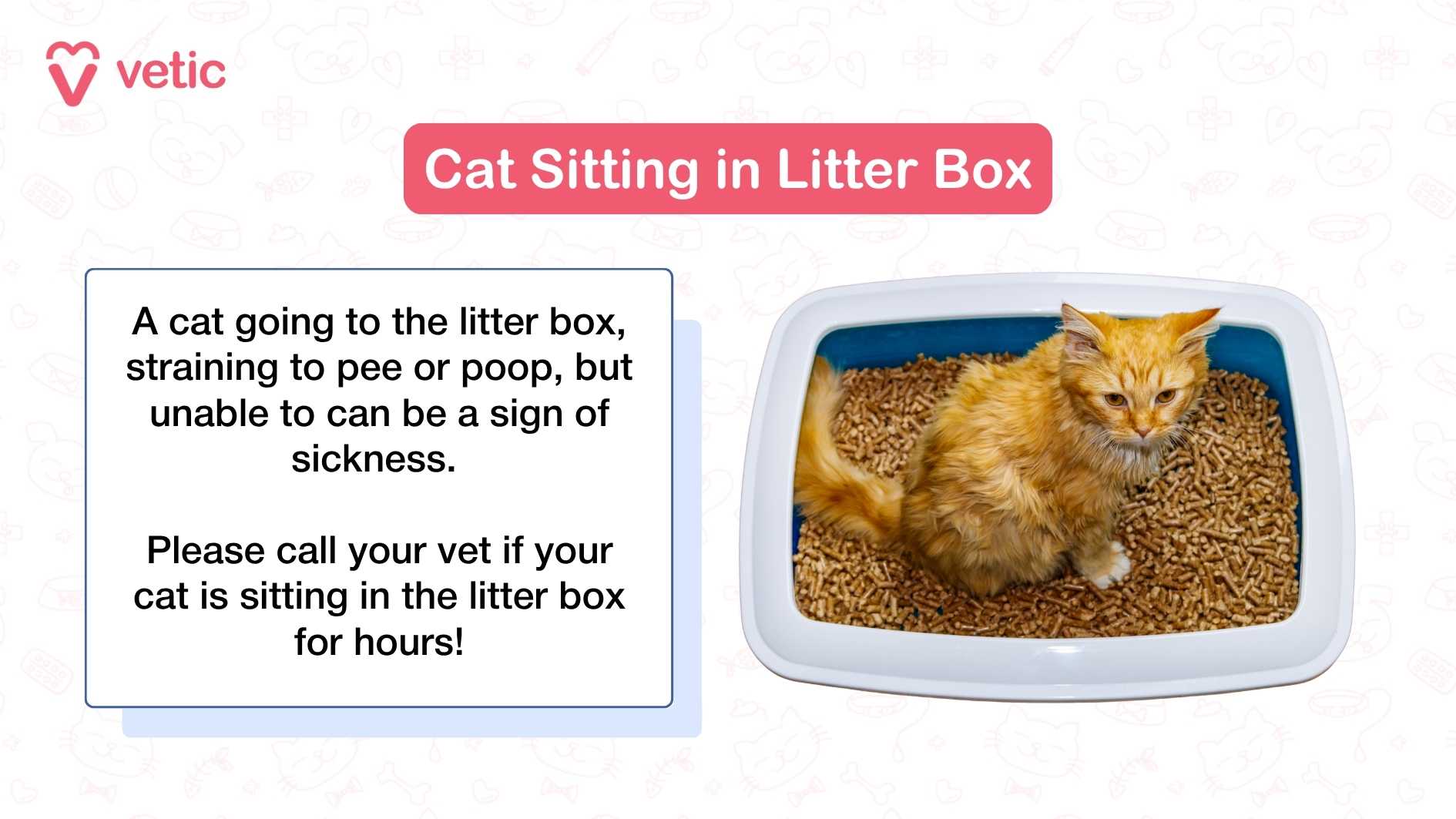
Credit: vetic.in
Environmental And Behavioral Causes
Cats are sensitive to changes in their environment and behavior. These changes can confuse or stress them. Such stress often causes cats to defecate outside the litter box. Understanding these causes helps owners fix the problem quickly. The cat’s surroundings and daily routine affect its bathroom habits a lot.
Changes In Household
Moving to a new home or rearranging furniture can unsettle cats. They rely on familiar places for comfort. New smells or sounds may make them nervous. This anxiety can lead to litter box avoidance. Even small changes in the house can confuse cats. Keeping their litter box in a quiet, stable spot helps.
New Pets Or Family Members
A new pet or baby changes the house dynamic. Cats may feel threatened or jealous. This stress can cause them to mark territory outside the litter box. They might also seek attention in other ways. Introducing new members slowly can ease tension. Giving the cat its own safe space reduces stress.
Outdoor Attractions
Sometimes cats prefer outdoors for bathroom needs. The soil and natural scents attract them. They may find the litter box less appealing. Cats that spend time outside might choose a spot in the yard. Providing a clean litter box with appealing litter can help. Watching for outdoor distractions is important.
How To Encourage Proper Litter Box Use
Encouraging proper litter box use is key to keeping your home clean and your cat happy. Cats may avoid the box for many reasons. Fixing these issues helps your cat return to good habits quickly. Small changes in the litter box area can make a big difference.
Improving Litter Box Setup
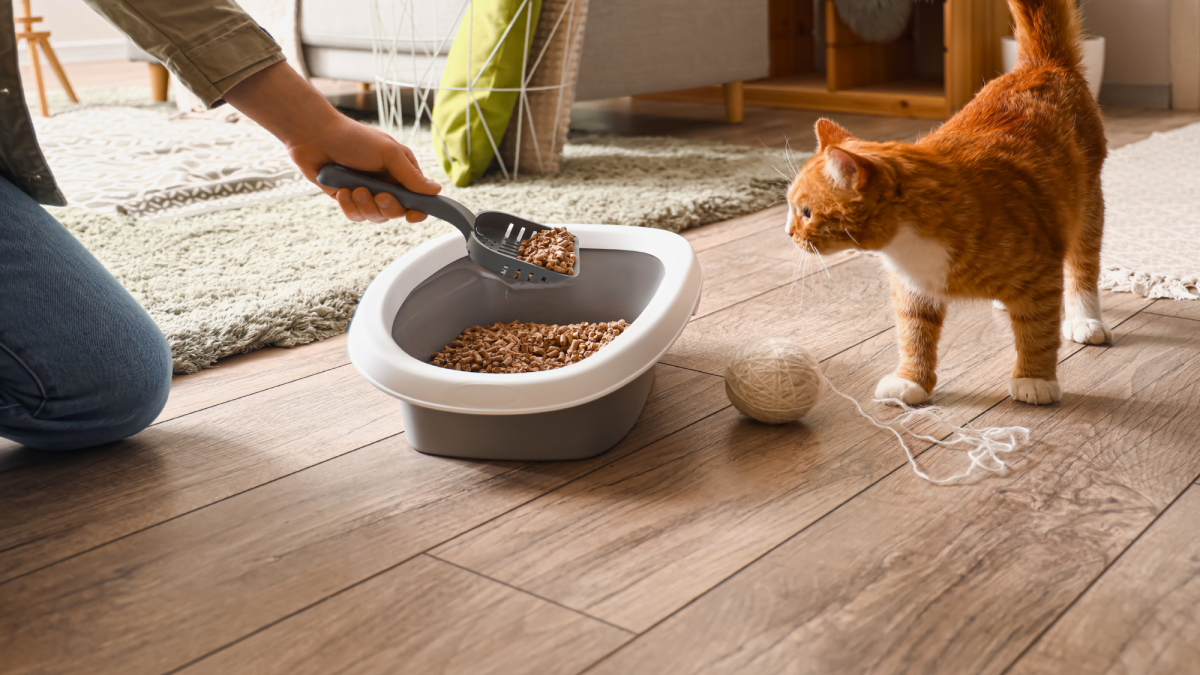
Choose the right size litter box for your cat. Bigger boxes give them more space to move. Keep the box in a quiet, easy-to-reach place. Avoid busy or noisy areas that might scare your cat.
Use unscented, clumping litter that feels soft under paws. Scoop the box daily to keep it clean. Wash the box with mild soap once a week. Having one box per cat plus one extra helps reduce problems.
Addressing Medical Issues
Medical problems often cause litter box avoidance. Urinary tract infections and digestive issues can make cats uncomfortable. Watch for signs like straining or blood in urine. Take your cat to the vet for a checkup if needed.
Treating health problems can stop accidents outside the box. Keep up with regular vet visits to catch issues early. A healthy cat is more likely to use the litter box properly.
Reducing Stress Triggers
Stress can cause cats to avoid their litter box. Changes like new pets, loud noises, or moving can upset them. Provide a calm, safe area where your cat feels secure. Keep a routine feeding and playtime schedule.
Use pheromone sprays or diffusers to calm anxious cats. Give your cat extra attention and gentle play to reduce stress. A relaxed cat is more likely to use the litter box regularly.
Credit: pethelpful.com

Credit: www.aol.com
Frequently Asked Questions
Why Do Cats Avoid Using The Litter Box Sometimes?
Cats may avoid the litter box due to stress, illness, or dirty litter. Changes in environment or type of litter can also cause avoidance. Ensuring cleanliness and comfort encourages proper use.
Can Health Issues Cause Cats To Defecate Outside?
Yes, health problems like infections, constipation, or digestive issues can make cats avoid the litter box. A vet checkup is essential if behavior changes suddenly.
How Does Litter Box Cleanliness Affect Cat Behavior?
Dirty litter boxes discourage cats from using them. Cats prefer clean, odor-free boxes. Regular cleaning helps maintain good litter habits and prevents accidents.
Does The Litter Box Location Matter For Cats?
Yes, cats prefer quiet, private, and easily accessible litter box locations. Placing boxes in noisy or high-traffic areas can cause avoidance.
Conclusion
Cats may avoid the litter box for many reasons. Stress, illness, or a dirty box can cause this behavior. Pay attention to your cat’s habits and health. Clean the litter box often and place it in a quiet spot. Consult a vet if the problem continues.
Understanding your cat’s needs helps keep your home clean. Patience and care make a big difference. Small changes can lead to better habits. Keep trying, and your cat will feel more comfortable.



Leave a Reply