Is your cat suddenly choosing to poop outside the litter box? It can be frustrating and confusing to find little surprises in places you never expected.
You might be wondering why your usually tidy pet is acting this way. Understanding the reasons behind this behavior is key to solving the problem quickly. You’ll discover the common causes and simple solutions to help your cat get back on track.
Keep reading to find out how you can restore harmony in your home and keep your furry friend comfortable.
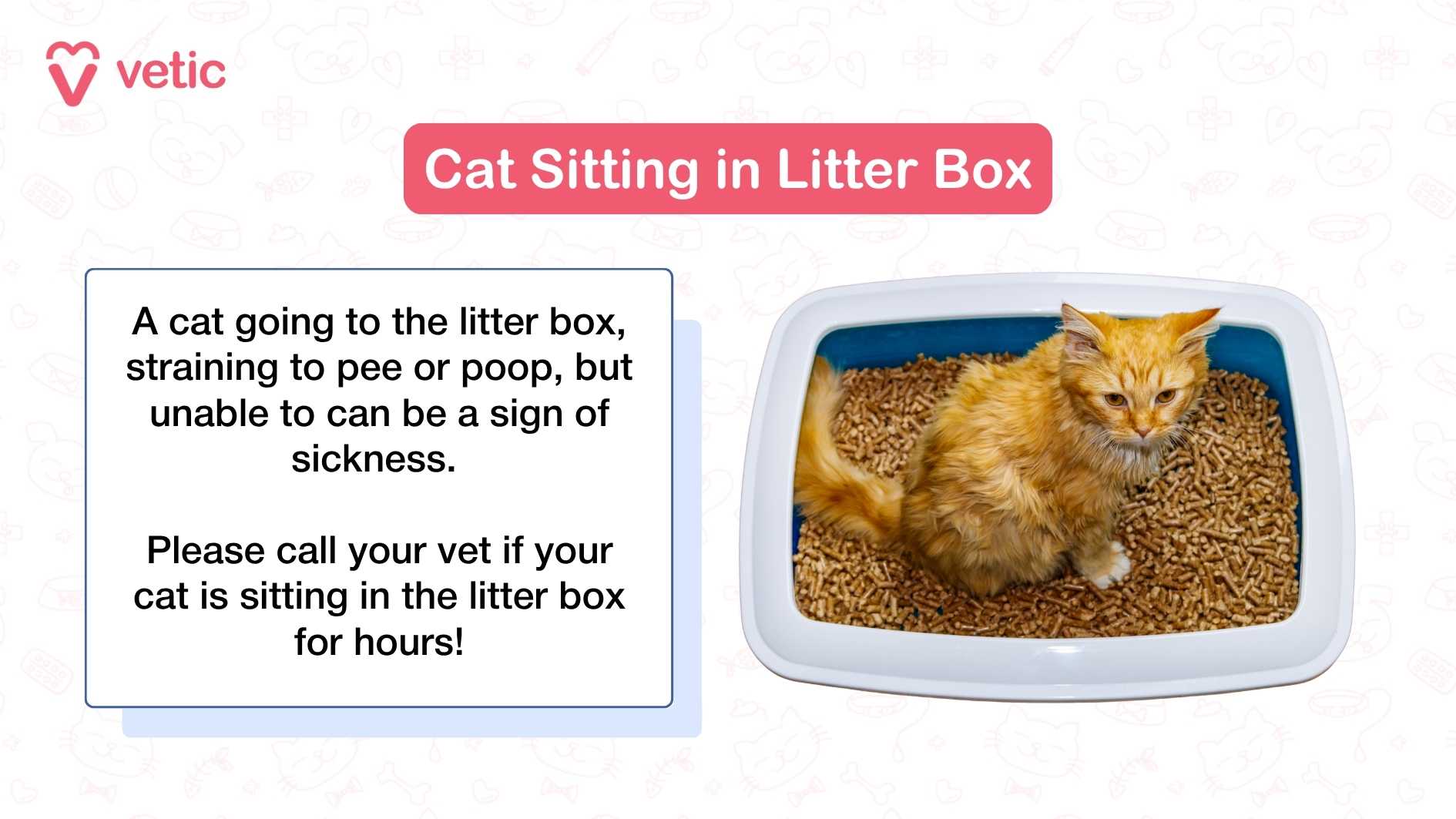
Credit: vetic.in
Common Reasons Cats Avoid Litter Boxes
Cats may avoid the litter box for many reasons. Understanding these helps solve the problem quickly. Cats are very particular about their bathroom habits.
Sometimes small changes in their environment cause big issues. Owners often miss simple signs that upset their cats. Addressing these common reasons can bring back good litter box habits.
Litter Box Cleanliness Issues
Cats dislike dirty litter boxes. They prefer a clean, fresh place to do their business. A box with waste left too long smells bad and feels uncomfortable. Regular scooping and full litter changes keep cats happy. Dirty boxes often lead cats to find other spots.
Litter Type Preferences
Not all cats like the same litter. Some prefer clumping, others non-clumping. Texture matters too—soft or coarse can make a difference. Cats may avoid the box if the litter feels strange. Experimenting with types can find the best fit for your cat.
Box Location Problems
The litter box should be in a quiet, private place. Loud noises or busy areas scare cats away. Too close to their food or water is also a turn off. Easy access is important, especially for older cats. Poor placement leads cats to choose other places.
Stress And Anxiety Factors
Cats feel stress from changes at home. New pets, visitors, or moving furniture can cause anxiety. Stress makes cats avoid their litter box. Providing a calm environment helps reduce this behavior. Sometimes extra hiding spots or playtime eases their nerves.
Medical Conditions
Health issues often cause litter box avoidance. Urinary tract infections or constipation make using the box painful. Arthritis or mobility problems affect access. A vet check can uncover hidden illnesses. Treating medical problems restores normal litter box use.

Credit: www.aol.com
Behavioral Causes Behind Litter Box Avoidance
Understanding why your cat avoids the litter box often means looking beyond physical health and into behavior. Cats use their environment to communicate, and their litter box habits can reveal a lot about their emotional state and social interactions. Identifying behavioral causes can help you address the root of the issue and create a more comfortable space for your feline friend.
Territorial Marking
Cats are territorial animals. When they poop outside the litter box, it can be a way to mark their territory, especially if they feel threatened by other pets or changes around them.
Your cat might be signaling to other animals—or even to you—that this is their space. If you notice multiple pets in your home, your cat’s behavior could be a response to competition or insecurity.
Changes In Household Dynamics
Have you recently introduced a new pet, moved furniture, or experienced visitors? Cats are sensitive to changes in their environment.
Even minor shifts can stress your cat, leading to litter box avoidance. Your cat might associate the box with anxiety if the household feels unpredictable.
Negative Litter Box Experiences
Sometimes, your cat’s litter box becomes linked to unpleasant experiences. If the box is dirty, too small, or located in a noisy area, your cat may avoid it.
Think about whether your cat had a scare or discomfort while using the box. A sudden loud noise or pain during elimination can cause your cat to look for alternative spots.
Solutions To Encourage Proper Litter Box Use
Is your cat avoiding the litter box? This behavior can be frustrating. But don’t worry, there are solutions. Encouraging proper litter box use involves several factors. From cleanliness to the right litter type, each plays a role. Let’s explore these solutions to help your cat feel comfortable again.
Improving Litter Box Hygiene
Cats are clean animals. A dirty litter box can drive them away. Scoop the box daily to remove waste. Replace the litter entirely once a week. Wash the box with mild soap and water. Avoid strong chemicals that can irritate your cat. A clean box encourages regular use.
Choosing The Right Litter
Not all litters are the same. Cats have preferences too. Try different types like clumping or non-clumping. Some cats prefer unscented options. Pay attention to your cat’s reactions. The right choice can make a big difference.
Optimizing Box Placement
Location matters for your cat’s litter box. Choose a quiet, low-traffic area. Avoid placing it near loud appliances. Ensure easy access for your cat. A comfortable spot promotes use. Consider having multiple boxes if you have more than one cat.
Addressing Stress And Anxiety
Cats can be sensitive to stress. Changes in their environment can affect them. New pets or household changes can cause anxiety. Provide a calm and stable environment. Spend quality time with your cat. Offer toys and playtime for relaxation.
Medical Checkups And Treatments
Sometimes, health issues cause litter box problems. Conditions like urinary tract infections can be painful. If behavior changes persist, consult a vet. Regular checkups ensure your cat’s health. Early detection of issues can prevent discomfort.
Tips For Managing Multiple Cats
Managing multiple cats can be tricky, especially when it comes to litter box habits. Each cat has its own personality and preferences, which can cause unexpected challenges. Understanding how to create a harmonious environment helps reduce litter box issues and keeps your home cleaner.
Providing Enough Litter Boxes
One common rule is to have one litter box per cat, plus an extra. If you have three cats, aim for four litter boxes scattered around your home. This prevents competition and gives each cat a private spot to do their business.
Place boxes in quiet, low-traffic areas. Cats value privacy, so avoid putting litter boxes near noisy appliances or busy doorways. I once added an extra box in a hidden corner, and my shy cat started using the litter box consistently again.
Separating Territorial Cats
Territorial disputes often cause cats to avoid shared litter boxes. If you notice one cat guarding a litter box or blocking others, try separating the cats during bathroom time. You can set up barriers or use baby gates to create separate litter zones.
Observe if certain cats prefer specific boxes. Sometimes, simply giving each cat their own space reduces stress and stops accidents outside the box. Have you noticed your cats’ body language around the litter area? This can tell you a lot about their comfort levels.
Monitoring Group Dynamics
Cats form social hierarchies that affect how they interact with litter boxes. Watch for signs of bullying or exclusion, like a cat waiting outside a box or hiding after attempts to use it. These behaviors can lead to avoidance of the litter box altogether.
Try to identify any changes in your cats’ relationships. New pets, changes in routine, or health issues can disrupt group harmony. Addressing these changes quickly helps prevent litter box problems before they start.
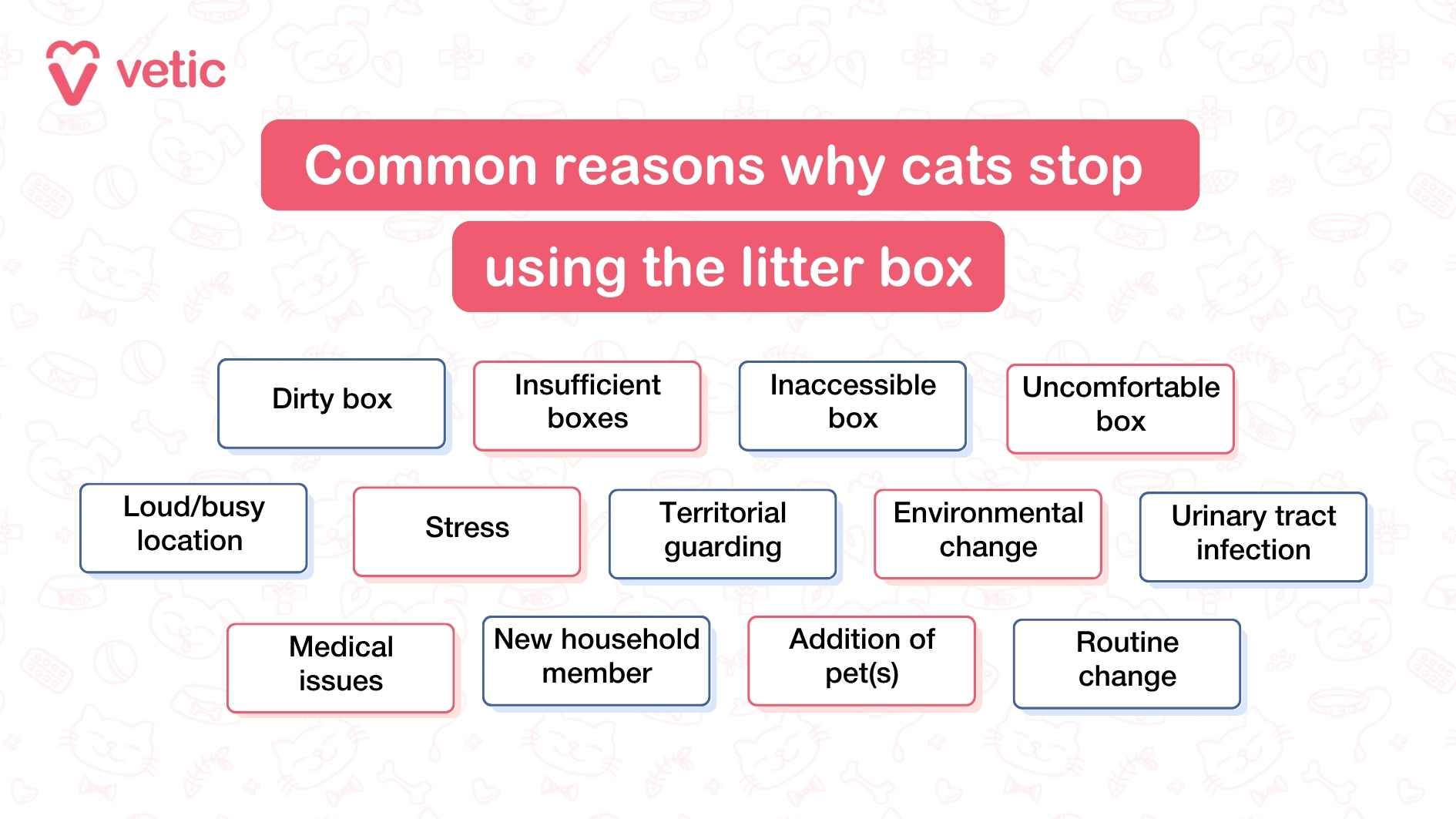
Credit: vetic.in
Frequently Asked Questions
Why Does My Cat Suddenly Poop Outside Litter Box?
Sudden changes in litter habits often indicate stress, illness, or litter box issues. Check for medical problems first. Ensure the box is clean and accessible. Changes in environment or new pets can also cause this behavior.
How Can I Stop My Cat Pooping Outside Litter Box?
Keep the litter box clean and odor-free. Use unscented, clumping litter preferred by cats. Place boxes in quiet, private areas. Address any health issues with a vet. Reward your cat for using the box correctly.
Can Health Problems Cause Cats To Poop Outside Litter Box?
Yes, medical issues like infections, constipation, or digestive problems can cause this. Always consult a veterinarian to rule out illnesses. Early diagnosis helps treat the problem and restore normal litter habits.
Does Litter Box Size Affect Cat’s Pooping Behavior?
Yes, cats prefer large, spacious litter boxes. Small or covered boxes can cause discomfort and avoidance. Provide a box at least 1. 5 times the cat’s length for comfort and better use.
Conclusion
Cats may poop outside the litter box for many reasons. Stress, health problems, or a dirty box can cause this. Watch your cat’s behavior closely. Keep the litter box clean and in a quiet place. Visit a vet to rule out any illness.
Patience and care help your cat feel safe. Fixing the problem takes time but is possible. Your cat will soon return to good habits. Understanding your cat makes a happy home for both of you.



Leave a Reply