Have you ever come home to find that your cat didn’t use the litter box? It’s frustrating, confusing, and sometimes even upsetting.
You might wonder, “Why does my cat poop outside the litter box? ” Understanding the reasons behind this behavior is the first step to solving the problem. You’ll discover the common causes and simple solutions that can help you keep your home clean and your furry friend happy.
Keep reading to find out what’s really going on and how you can fix it.
Credit: pethelpful.com
Common Reasons For Litter Box Issues
Understanding why a cat poops outside the litter box can be tricky. Many factors cause this behavior. Identifying common reasons helps solve the problem quickly. Cats need a clean, comfortable space to do their business. Any change can make them avoid the box.
Medical Problems
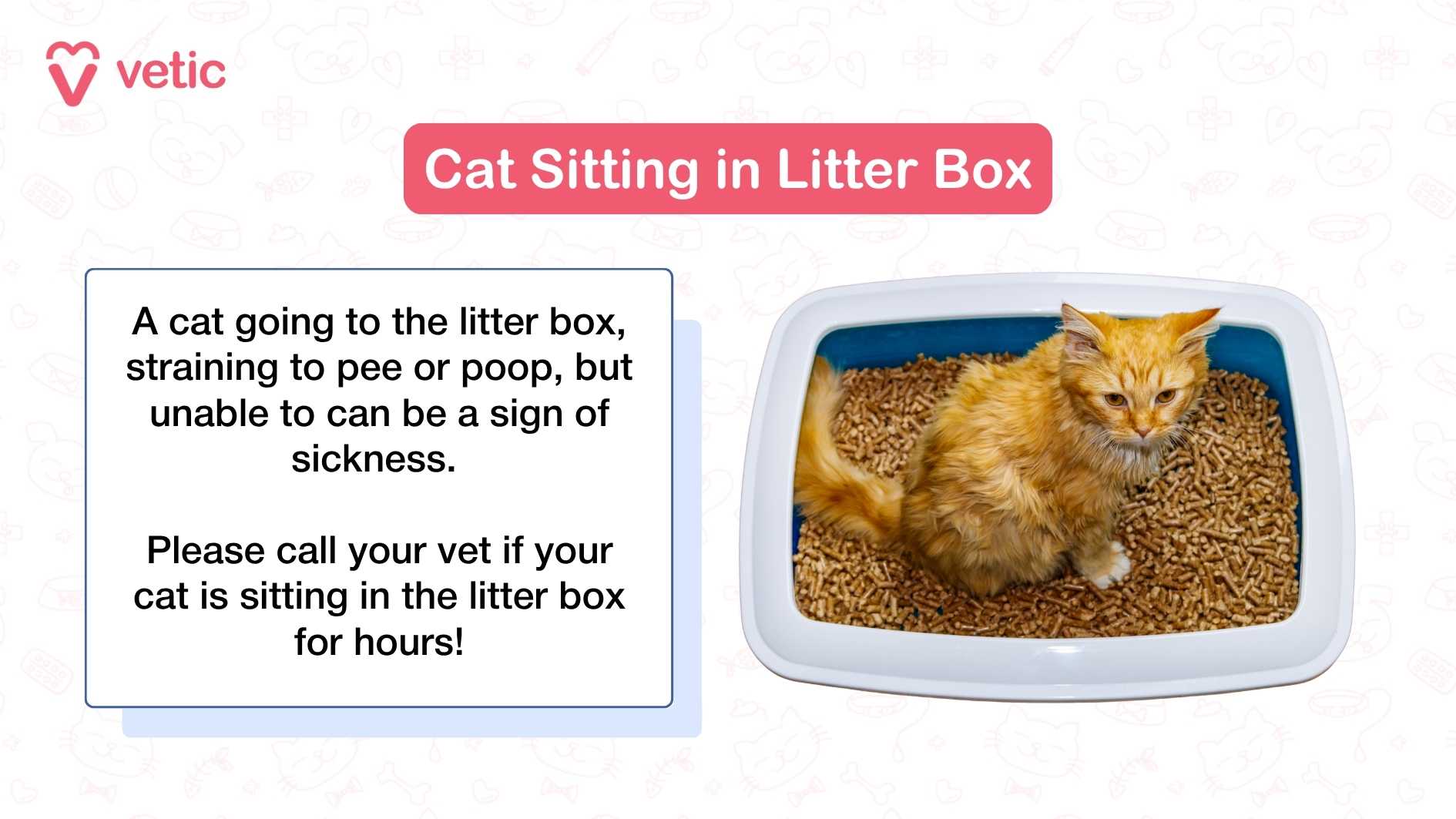
Health issues often cause litter box problems. Urinary tract infections can make cats avoid the box. Digestive troubles may cause sudden accidents. Arthritis or pain can make getting into the box hard. A vet check-up is important to rule out illness.
Litter Box Cleanliness
Cats are clean animals. A dirty litter box repels them. Clumps and waste should be scooped daily. Full litter boxes cause cats to find other spots. Clean boxes encourage regular use and comfort.
Litter Type And Texture
Cats prefer certain litter types and textures. Some dislike strong smells or rough textures. Fine-grain litter feels soft on their paws. Changing litter suddenly can confuse a cat. Use unscented, soft litter for better results.
Box Location And Accessibility
Location matters a lot for cats. Boxes in noisy or busy areas cause stress. Hard-to-reach boxes discourage use. Older cats may struggle with high-sided boxes. Place the box in quiet, easy-to-access spots for comfort.
Credit: vetic.in
Behavioral Causes
Behavioral causes often explain why cats poop outside the litter box. Cats are sensitive creatures. Their habits can change due to feelings and surroundings. Understanding these behaviors helps solve the problem effectively.
Stress And Anxiety
Stress can make cats avoid their litter box. Loud noises, new people, or other pets cause anxiety. This stress disrupts their normal bathroom routine. Cats may seek quiet, hidden spots instead.
Stress also affects their digestion and comfort. A cat feeling uneasy might refuse to use the box. Reducing stress can improve their behavior quickly.
Territorial Marking
Cats mark territory by leaving waste outside the box. This behavior is common in multi-cat homes. They want to show dominance or protect their space. Marking helps them feel secure in their environment.
Unneutered males and females in heat mark more frequently. Providing enough litter boxes and quiet areas reduces marking. This stops cats from pooping outside the box.
Changes In Environment
Changes at home upset cats. Moving furniture, new pets, or moving house can cause confusion. Cats dislike sudden changes and may refuse the litter box.
Even small changes can affect their habits. Cats need time to adjust. Keeping a stable environment helps them feel safe. Patience and consistency can bring back normal litter box use.
Litter Box Setup Mistakes
Cats may avoid the litter box if it is dirty or placed in a noisy area. Using the wrong type of litter or a box that is too small can also cause accidents outside the box.
Cats are creatures of habit. When they start pooping outside the litter box, it’s often due to litter box setup mistakes. Understanding these common errors can help solve the problem. Let’s explore some frequent litter box setup mistakes.Inappropriate Box Size
Cats need space to move comfortably. A small litter box can make them feel cramped. Choose a box that allows them to turn and dig freely. A larger box is often better, especially for bigger cats. Ensure your cat can enter and exit easily. A suitable size can prevent accidents outside the box.Number Of Litter Boxes
Too few litter boxes can cause issues. The rule is one box per cat, plus one extra. This prevents territorial disputes among cats. It also ensures a clean box is always available. Multiple boxes can reduce stress and improve hygiene. They should be in different locations in your home.Type Of Litter Box
The type of litter box matters. Covered boxes can trap odors and feel confining. Some cats prefer open boxes for better airflow. Self-cleaning boxes can be noisy and scare cats. Consider your cat’s preferences. Test different types to see what they like. Choosing the right box can make a big difference.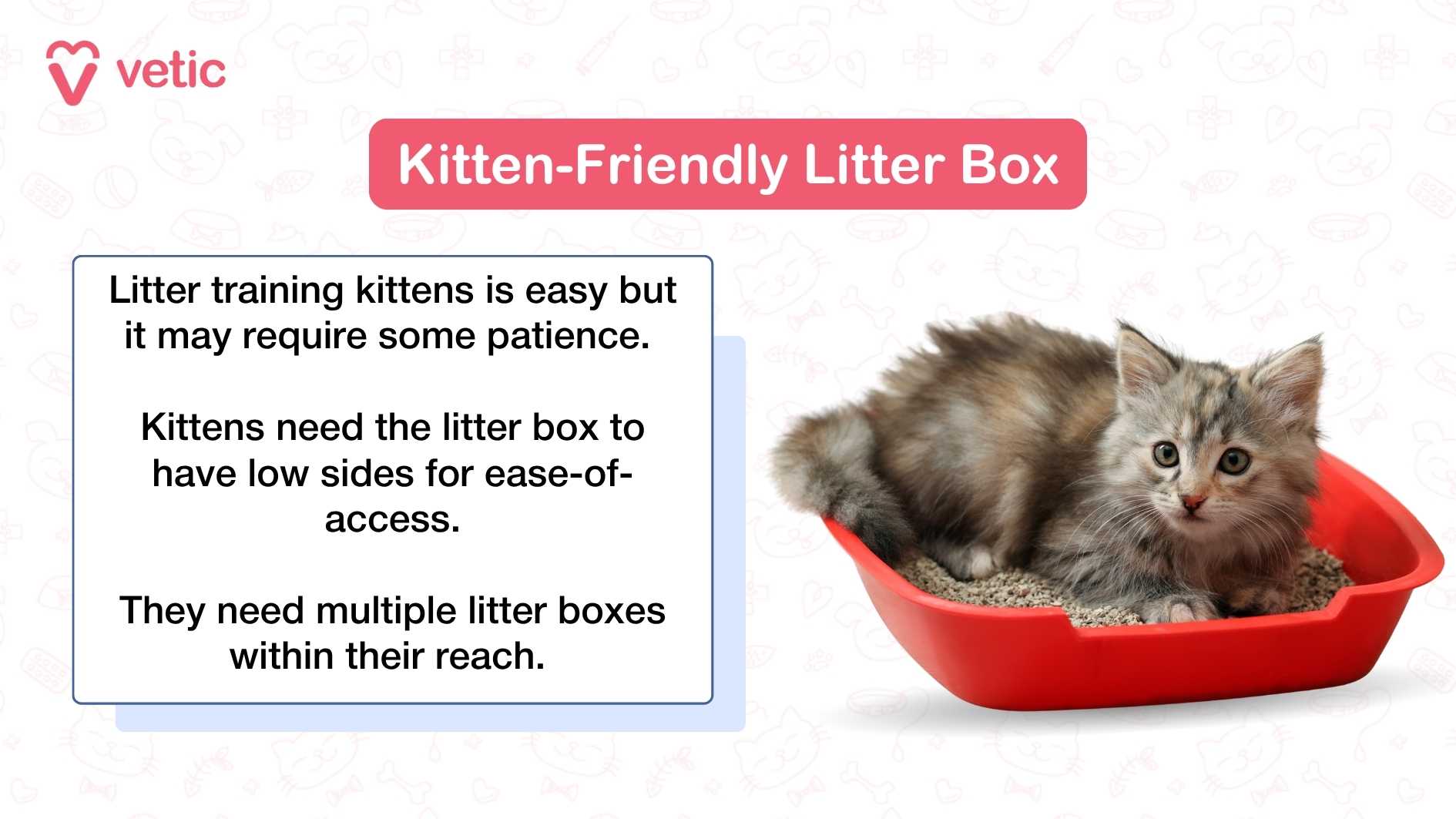
Credit: vetic.in
How To Encourage Proper Litter Use
Encouraging your cat to use the litter box properly requires attention to several key factors. Understanding their preferences and needs can make a big difference. Let’s look at practical ways you can support your cat in developing good litter habits.
Cleaning Tips
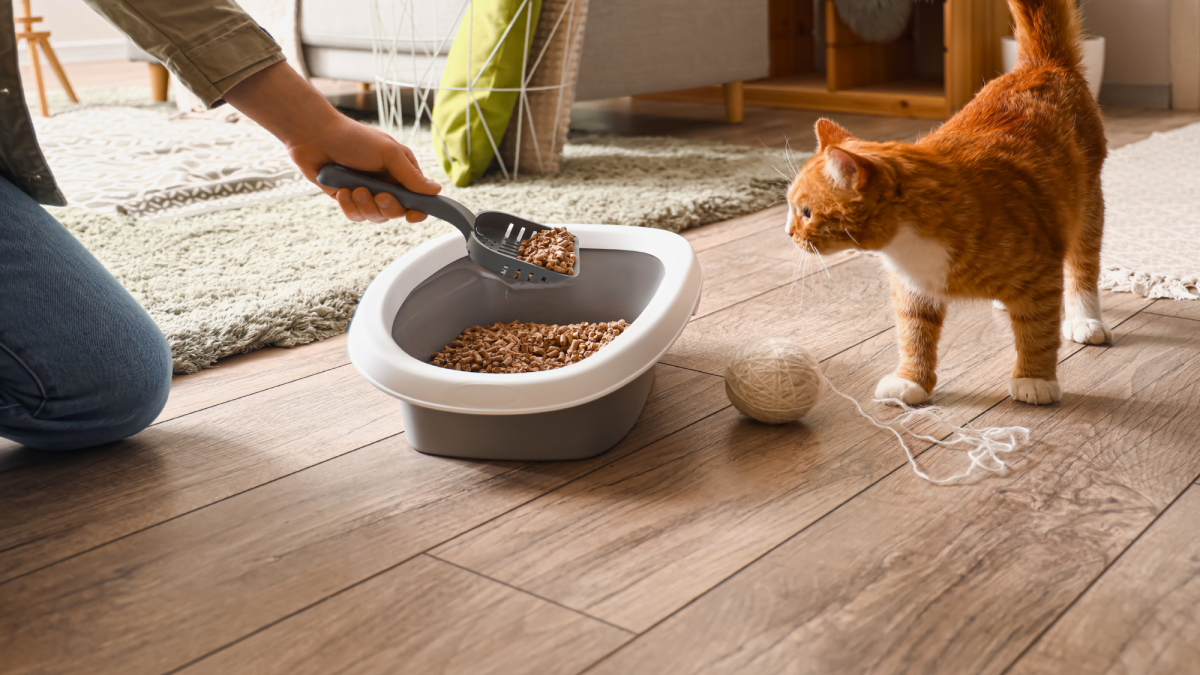
Keeping the litter box clean is one of the most important steps. Cats dislike using a dirty box, so scoop waste daily and change the litter completely at least once a week.
Use mild, unscented cleaners to wash the box, avoiding harsh chemicals that can deter your cat. Have you noticed your cat avoiding the box after a cleaning? Sometimes residue from strong cleaners can cause this behavior.
Choosing The Right Litter
Your cat’s litter preference might surprise you. Some cats prefer clumping litter, while others like non-clumping or natural materials like corn or wheat-based litter.
Try offering different types to see which your cat prefers. Also, consider the texture—cats often avoid litter that’s too coarse or dusty. Have you tried switching litters when problems arise?
Creating A Calm Environment
Stress can cause cats to avoid the litter box. Place the box in a quiet, low-traffic area where your cat feels safe and undisturbed.
Provide multiple boxes if you have more than one cat, and keep them in different locations. Your cat might also prefer an uncovered box for easy access and ventilation.
Veterinary Checkups
Sometimes, litter box issues are linked to health problems like urinary tract infections or digestive issues. A vet visit can rule out or treat any underlying medical conditions.
Don’t ignore sudden changes in your cat’s litter habits—it might be a sign they need medical attention. Have you noticed any other changes in your cat’s behavior or health alongside the litter box problems?
Frequently Asked Questions
Why Does My Cat Poop Outside The Litter Box?
Cats may poop outside the litter box due to stress, illness, or a dirty box. They might dislike the litter type or box location. Identifying the cause helps fix the behavior and keeps your cat healthy and happy.
Can Medical Issues Cause Cats To Avoid Litter Boxes?
Yes, health problems like urinary tract infections or digestive issues can cause litter box avoidance. Always consult a vet if your cat suddenly stops using the box to rule out medical concerns.
How Can I Stop My Cat From Pooping Outside?
Keep the litter box clean and in a quiet spot. Use the right litter type and provide enough boxes. Address stress and medical issues promptly to encourage proper litter box use.
Does Litter Box Cleanliness Affect Cat’s Bathroom Habits?
Absolutely. Cats prefer clean litter boxes. A dirty box can deter them from using it, leading to accidents elsewhere. Scoop daily and change litter regularly to maintain cleanliness.
Conclusion
Cats may poop outside the litter box for many reasons. Stress, illness, or a dirty box can cause this behavior. Understanding your cat’s needs helps solve the problem. Keep the litter box clean and in a quiet spot. Watch your cat’s health and habits closely.
Patience and care make a big difference. Your cat will feel safe and comfortable again. Small changes can stop unwanted accidents. Stay calm and keep trying. Your cat will thank you with good behavior.

Leave a Reply