Are you wondering if your cat really needs a litter box? You might think it’s obvious, but the truth is, not every cat uses one naturally.
Understanding why a litter box is important can save you from messy surprises and keep your home fresh. If you want to make life easier for both you and your furry friend, this article will clear up all your questions about litter boxes.
Keep reading to discover what your cat truly needs and how you can create the perfect bathroom spot for them.
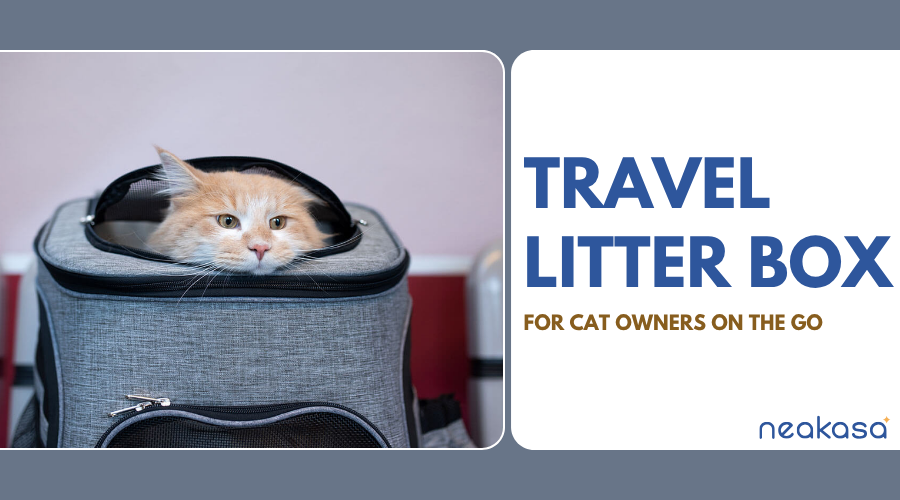
Credit: neakasa.com
Why Cats Use Litter Boxes
Cats naturally seek a clean and safe spot to relieve themselves. Using a litter box aligns with their instincts and keeps their living space tidy. Understanding why cats use litter boxes helps owners provide the best care and environment.
Natural Instincts
Cats have a strong instinct to bury their waste. This behavior protects them from predators and keeps their territory clean. In the wild, cats cover their droppings with dirt or sand to hide their scent. Indoor cats continue this habit by using litter boxes filled with similar materials. The texture and smell of litter mimic the natural environment cats prefer. This makes litter boxes a natural choice for cats to do their business.
Benefits Of Indoor Litter Boxes
- Provide a designated, clean area for cats to relieve themselves.
- Help control odors inside the home.
- Prevent accidents on floors, carpets, and furniture.
- Make it easier to monitor a cat’s health through waste observation.
- Offer privacy and comfort for cats while they eliminate waste.
- Keep homes hygienic and reduce the spread of bacteria.
Types Of Litter Boxes
Choosing the right litter box is important for your cat’s comfort and your home’s cleanliness. There are different types of litter boxes available. Each type has its benefits and suits different needs. Understanding these options helps you pick the best one for your cat.
Open Vs Covered Boxes
Open litter boxes are simple trays without a lid. They offer easy access and good ventilation. Cats often prefer them because they feel less trapped. Cleaning is faster with open boxes.
Covered litter boxes have a lid or hood. They help contain odors and litter scatter. Some cats like the privacy, while others feel confined. Covered boxes can reduce mess but may need more cleaning.
Self-cleaning Options
Self-cleaning litter boxes use sensors or timers to remove waste automatically. They save time and keep the box fresh. These boxes are pricier but reduce daily scooping. Some cats need time to adjust to them.
Size And Placement
Size matters for your cat’s comfort. Larger cats need bigger boxes to move easily. Kittens and small cats do well with smaller boxes.
Place the litter box in a quiet, low-traffic area. Avoid noisy or busy spots. Easy access encourages regular use and reduces accidents.
Choosing The Right Litter
Choosing the right litter for your cat can make a significant difference in both your cat’s comfort and your cleaning routine. With a myriad of options available, finding the ideal litter can feel overwhelming. Let’s break down the choices to help you decide what’s best for your feline friend.
Clumping Vs Non-clumping
Clumping litter forms solid clumps around waste, making it easy to scoop and clean. This can help keep the litter box fresh and reduce odors. However, non-clumping litter might be more cost-effective and can absorb larger quantities of liquid, though it requires more frequent complete changes.
Scented Vs Unscented
Scented litters can mask unpleasant odors, but some cats might find them overwhelming or irritating. Unscented options are generally more natural and are often preferred by sensitive cats. It’s essential to consider your cat’s preference since a strong scent might deter them from using the litter box altogether.
Eco-friendly Alternatives
If you’re environmentally conscious, eco-friendly litters made from materials like recycled paper, wood, or corn might be appealing. These options are biodegradable and can minimize your carbon footprint. While they may be slightly pricier, they offer a sustainable alternative to traditional clay litters.
Have you tried different types of litter to see which your cat prefers? Observing your cat’s behavior and comfort can be a helpful guide in making the best choice. After all, a happy cat often leads to a happy owner.
:max_bytes(150000):strip_icc()/iprimio-enclosed-stainless-steel-xl-litter-box-8ef5bfe20a8348c98cc1f668c7a41ca7.jpg)
Credit: people.com
Training Your Cat To Use The Litter Box
Training your cat to use the litter box is an important part of pet care. Cats learn quickly, but they need clear guidance. Patience and consistency help your cat understand where to go. Start with a clean, accessible box in a quiet place. Watch your cat’s behavior and encourage good habits. Avoid punishment to keep your cat comfortable and confident.
Introducing The Box
Place the litter box in a quiet, easy-to-reach area. Show your cat the box by gently placing them inside. Let your cat explore the box on their own time. Use a litter type that feels natural to your cat. Keep the box clean to invite regular use.
Handling Accidents
Accidents happen, especially with young or new cats. Clean accidents immediately with an enzyme cleaner to remove odors. Avoid scolding your cat after an accident. Observe if the box location or type might be the problem. Provide extra boxes if you have multiple cats.
Reinforcing Good Habits
Praise your cat softly when they use the box correctly. Offer treats or gentle pets to encourage repeat behavior. Keep the litter box clean and fresh at all times. Replace or scoop litter regularly to maintain interest. Notice changes in your cat’s litter habits and adjust if needed.
Common Litter Box Problems
Many cat owners face challenges with litter boxes. Problems can cause stress for both cats and owners. Understanding common issues helps keep cats happy and clean.
Some cats avoid their litter boxes. Others may fight over them or develop health problems. Recognizing these issues early prevents bigger problems.
Avoiding Litter Box Aversion
Cats can refuse the litter box if it is dirty or uncomfortable. Clean the box daily to keep cats using it. Use unscented, soft litter that cats prefer. Place the box in a quiet, private area. Avoid loud noises or busy spots near the box.
Dealing With Multiple Cats
Multiple cats need multiple boxes to avoid fights and stress. Use one litter box per cat plus one extra. Place boxes in different areas of the house. Some cats prefer covered boxes, others open. Watch their behavior to see what they like best.
Health Issues To Watch For
Changes in litter box habits can signal health problems. Frequent urination or straining may mean infection or bladder issues. Avoiding the box might show pain or arthritis. Consult a vet if cats suddenly stop using the box or show unusual behavior.
Maintaining A Clean Litter Box
Maintaining a clean litter box is essential for your cat’s health and comfort. Cats prefer a tidy space to do their business. A dirty litter box can cause them stress or make them avoid it altogether. Keeping the box clean helps prevent odors and keeps your home fresh. It also reduces the chance of infections for your pet.
Daily Cleaning Tips
Remove clumps and solid waste every day. Use a scoop with small holes to catch clean litter. Stir the litter to keep it fresh. Wipe the edges and sides of the box with a damp cloth. Add a little fresh litter to replace what you remove. This keeps the box inviting for your cat.
When To Change Litter Completely
Change all the litter once a week or every two weeks. Empty the box completely before adding new litter. Wash the box with mild soap and warm water. Avoid strong cleaners that may harm your cat’s paws. Dry the box well before adding fresh litter. This prevents bacteria build-up and keeps odors low.
Odor Control Methods
Use unscented clumping litter for best results. Avoid strong smells that can bother your cat. Place the litter box in a well-ventilated area. Sprinkle baking soda under the litter to absorb odors. Clean the surrounding area regularly to prevent smells. A clean box means a happy cat and fresh home.
Alternatives To Traditional Litter Boxes
Cats do not always need traditional litter boxes. There are several alternatives that suit different lifestyles and home setups. These options can help keep your home clean and your cat happy. Exploring them can also offer a fresh approach to cat care.
Outdoor Options
Some cats prefer to go outside for elimination. A secure backyard or garden can serve as a natural toilet. This option reduces indoor odors and litter mess. Ensure the outdoor area is safe and free from harmful plants or chemicals.
Outdoor options include:
- Designated digging spots with soft soil
- Gravel or sand patches
- Covered cat patios or enclosed yards
Training For Outdoor Elimination
Training a cat to eliminate outdoors takes patience and consistency. Start by placing the cat near the chosen spot after meals or naps. Reward your cat with treats or praise for using the area. Keep the outdoor spot clean to encourage frequent use. Avoid punishment, as it can cause stress and confusion.
Innovative Products
New products offer alternatives to traditional litter boxes. Self-cleaning boxes reduce the need for daily scooping. Disposable pads and trays provide an easy cleanup solution. Some mats help trap litter and keep floors clean. These products can save time and keep your home tidy.
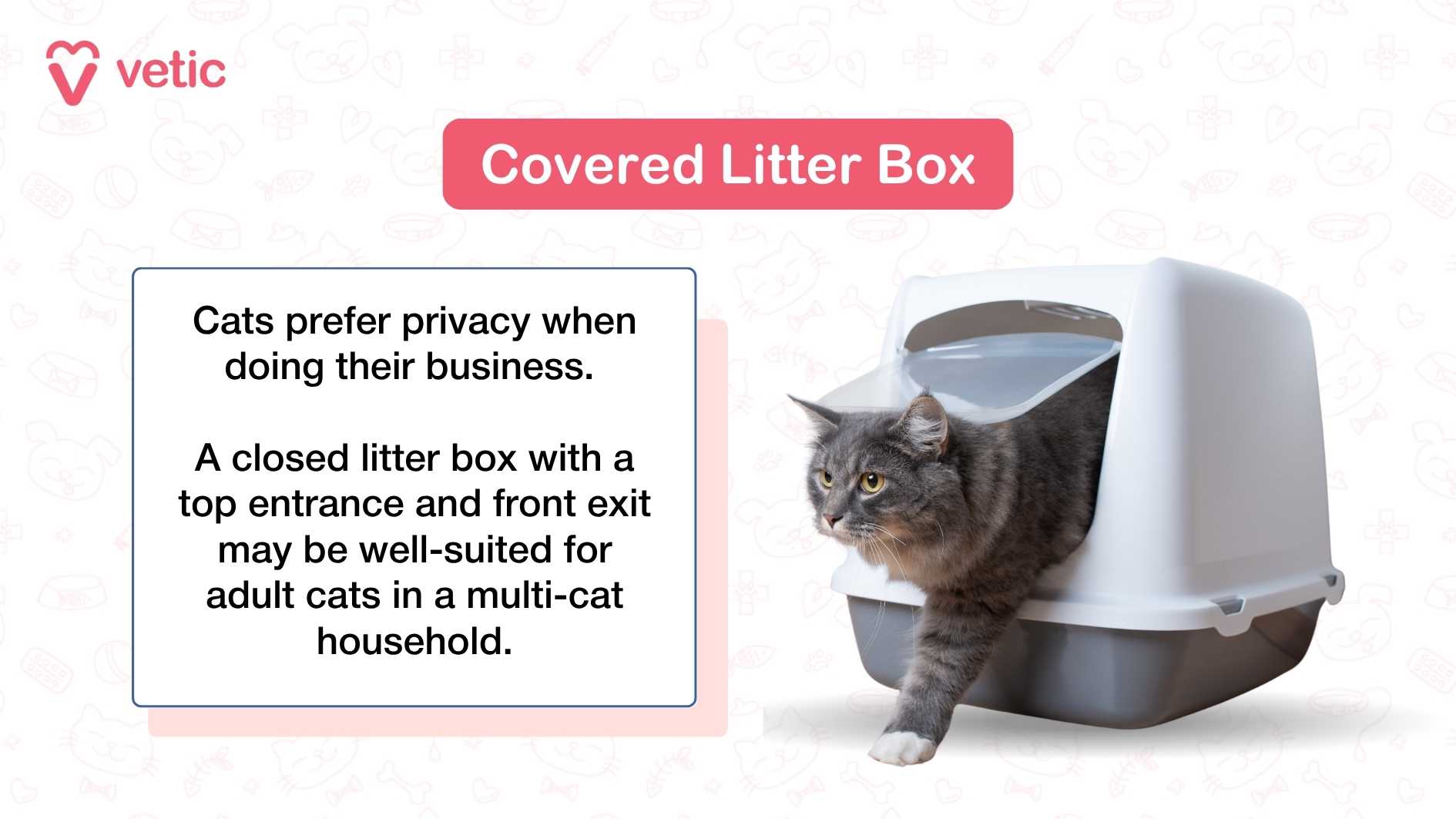
Credit: vetic.in
Frequently Asked Questions
Do All Cats Need Litter Boxes Indoors?
Yes, most indoor cats need litter boxes for proper hygiene. It helps contain waste and prevents accidents inside the home.
How Many Litter Boxes Does A Cat Need?
Cats typically need one litter box per cat, plus one extra. This ensures cleanliness and reduces territorial disputes between cats.
Can Cats Use Outdoor Areas Instead Of Litter Boxes?
Some cats prefer outdoor elimination, but indoor cats rely on litter boxes for convenience and hygiene. Outdoor use depends on the cat’s habits.
What Types Of Litter Boxes Suit Different Cats?
Cats vary in preferences; covered boxes offer privacy, while open boxes provide ventilation. Choose based on your cat’s comfort and behavior.
Conclusion
Cats need litter boxes to stay clean and healthy. They use them to relieve themselves indoors. Without a litter box, cats may choose other places. This can cause mess and stress for owners. Providing a clean litter box helps cats feel safe.
It also keeps your home fresh and odor-free. Choose the right box and clean it often. Your cat will appreciate a tidy space. A simple litter box can make life easier for both. Easy care, happy cat, peaceful home.



Leave a Reply