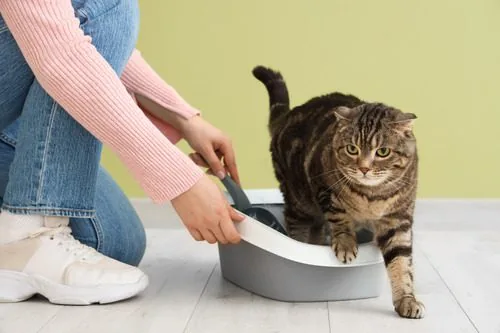
Is your cat suddenly pooping outside the litter box? It can be frustrating and confusing.
You might wonder what’s causing this change and how to fix it. Understanding why your cat is acting this way is the first step to solving the problem quickly. Keep reading to discover the common reasons behind this behavior and learn simple tips that can help you and your furry friend feel comfortable again.
Don’t let this issue stress you out—help is just a few paragraphs away.
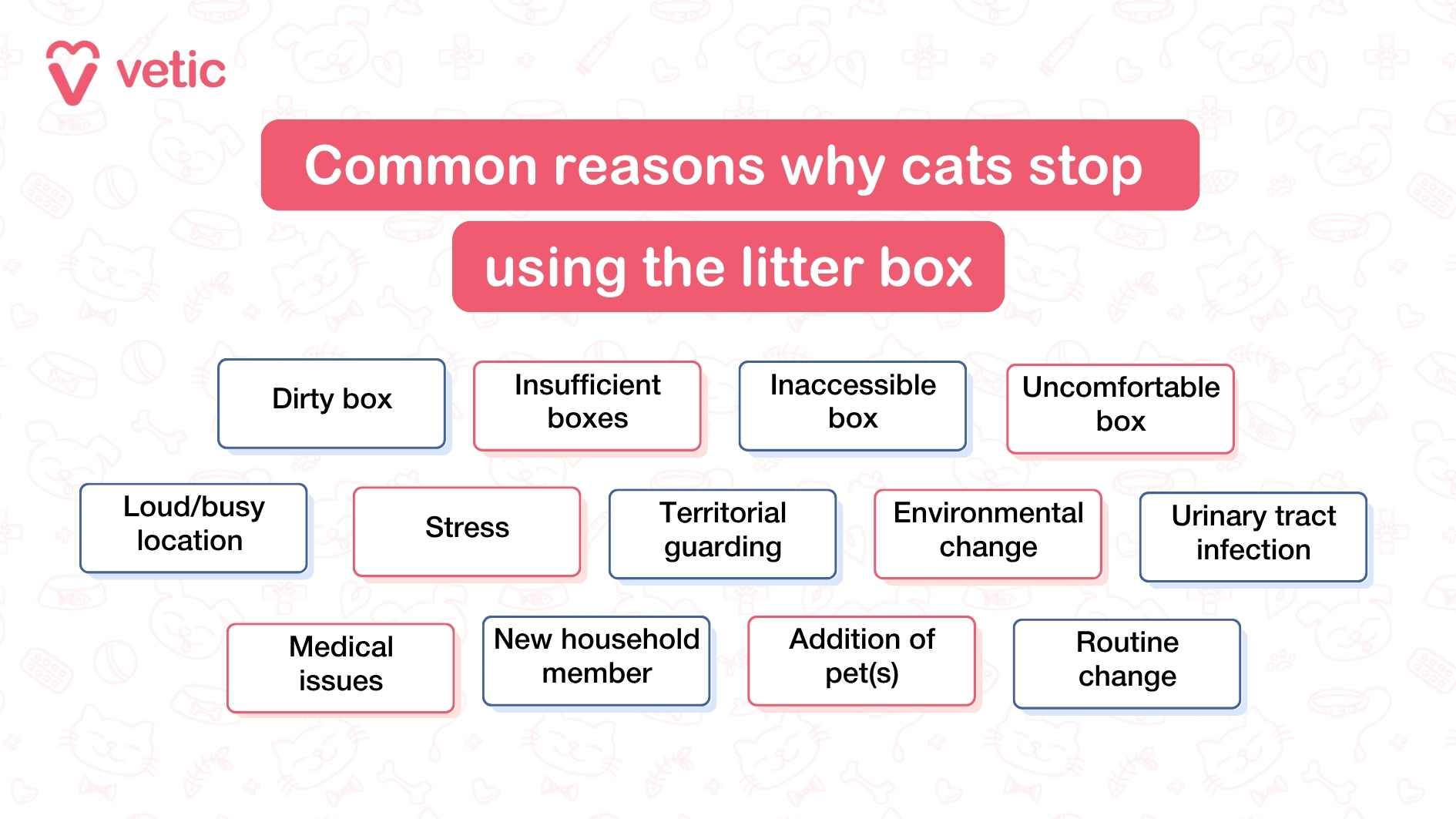
Common Reasons Cats Avoid The Litter Box
Cats may stop using the litter box for many reasons. It can be confusing and frustrating. Understanding common causes helps solve the problem quickly. Often, the issue is not about bad behavior. It usually points to health, environment, or comfort concerns.
Medical Issues To Watch For
Illness can cause cats to avoid the litter box. Urinary tract infections, constipation, or digestive problems make toileting painful. Cats may associate pain with the box and avoid it. Always check with a vet for sudden changes in habits.
Stress And Anxiety Factors
Stress affects cats deeply. New pets, moving homes, or loud noises cause anxiety. Cats may stop using the litter box to express discomfort. A calm, stable environment helps them feel safe and relaxed again.
Litter Box Cleanliness
Dirty litter boxes repel cats. They prefer clean, fresh spaces to do their business. Scoop waste daily and wash the box regularly. A smelly or dirty box makes cats choose other places.
Litter Type Preferences
Cats can be picky about litter texture and smell. Some dislike strong scents or rough materials. Experiment with unscented, clumping, or natural litter types. Find the one your cat likes best to encourage use.
Territorial And Behavioral Causes
Marking territory can lead cats to poop outside the box. Conflicts with other pets cause stress and avoidance. Older cats may have trouble reaching the box. Observe behavior and adjust placement or add more boxes.
Credit: vetic.in
How To Address Medical Problems
Medical issues often cause cats to poop outside their litter box. Addressing these problems quickly can help your cat feel better. Understanding signs of illness and knowing when to seek help is important. Proper treatment improves your cat’s health and behavior.
Recognizing Symptoms
Watch for changes in your cat’s bathroom habits. Signs include:
- Straining or crying while pooping
- Diarrhea or very soft stools
- Blood or mucus in the stool
- Frequent attempts to use the litter box without success
- Lethargy or loss of appetite
These symptoms may mean your cat is in pain or has an infection.
When To See A Vet
Take your cat to a vet if symptoms last more than a day. Immediate vet care is needed if your cat:
- Shows severe pain or distress
- Stops eating or drinking
- Has continuous diarrhea or vomiting
- Has blood in urine or stool
- Is very weak or unresponsive
Early vet visits can prevent serious health problems.
Treatment Options
The vet will diagnose the cause of the problem. Treatment may include:
- Medications for infections or parasites
- Special diet to ease digestion
- Fluid therapy for dehydration
- Pain relief medicines
- Behavior advice if stress is involved
Follow the vet’s instructions closely for the best results.
Reducing Stress And Anxiety
Stress and anxiety can cause cats to avoid their litter box. Changes in the environment or health issues may increase their discomfort. Providing a calm space helps reduce their fear and encourages proper bathroom habits.
Reducing stress and anxiety can significantly help manage your cat’s litter box habits. Cats are creatures of habit, and changes in their environment or routine can lead to stress. This stress often manifests in undesirable behaviors, like pooping outside the litter box. Addressing anxiety might be the key to solving this puzzling behavior.Creating A Calm Environment
Creating a tranquil space for your cat can greatly reduce their anxiety levels. Ensure your home has quiet areas where your cat can retreat and feel safe. Consider the placement of the litter box; it should be in a low-traffic area where your cat won’t be startled by sudden noises or commotion. Decorate your cat’s space with soft bedding and some of their favorite toys. This not only makes the area more inviting but also gives your cat a sense of ownership and security. Remember, a calm cat is a happy cat.Introducing Changes Gradually
Cats may resist sudden changes in their environment or routine. If you need to alter your home setup or their schedule, do it slowly. Whether you’re moving the litter box or introducing new furniture, gradual changes allow your cat to adjust without feeling overwhelmed. Think about times you’ve faced abrupt changes—how did it make you feel? Your cat experiences similar emotions. By introducing changes step by step, you give your cat the time they need to adapt comfortably.Using Pheromone Products
Pheromone products can be a fantastic tool for easing your cat’s anxiety. These products mimic the natural pheromones cats produce, helping them feel more secure and relaxed. Spray or plug-in options are available, making it easy to integrate into your home. Have you ever tried these products? Many cat owners find that they make a noticeable difference in their pet’s behavior. Using pheromone products can create an atmosphere of calm and stability, encouraging your cat to return to using the litter box as intended.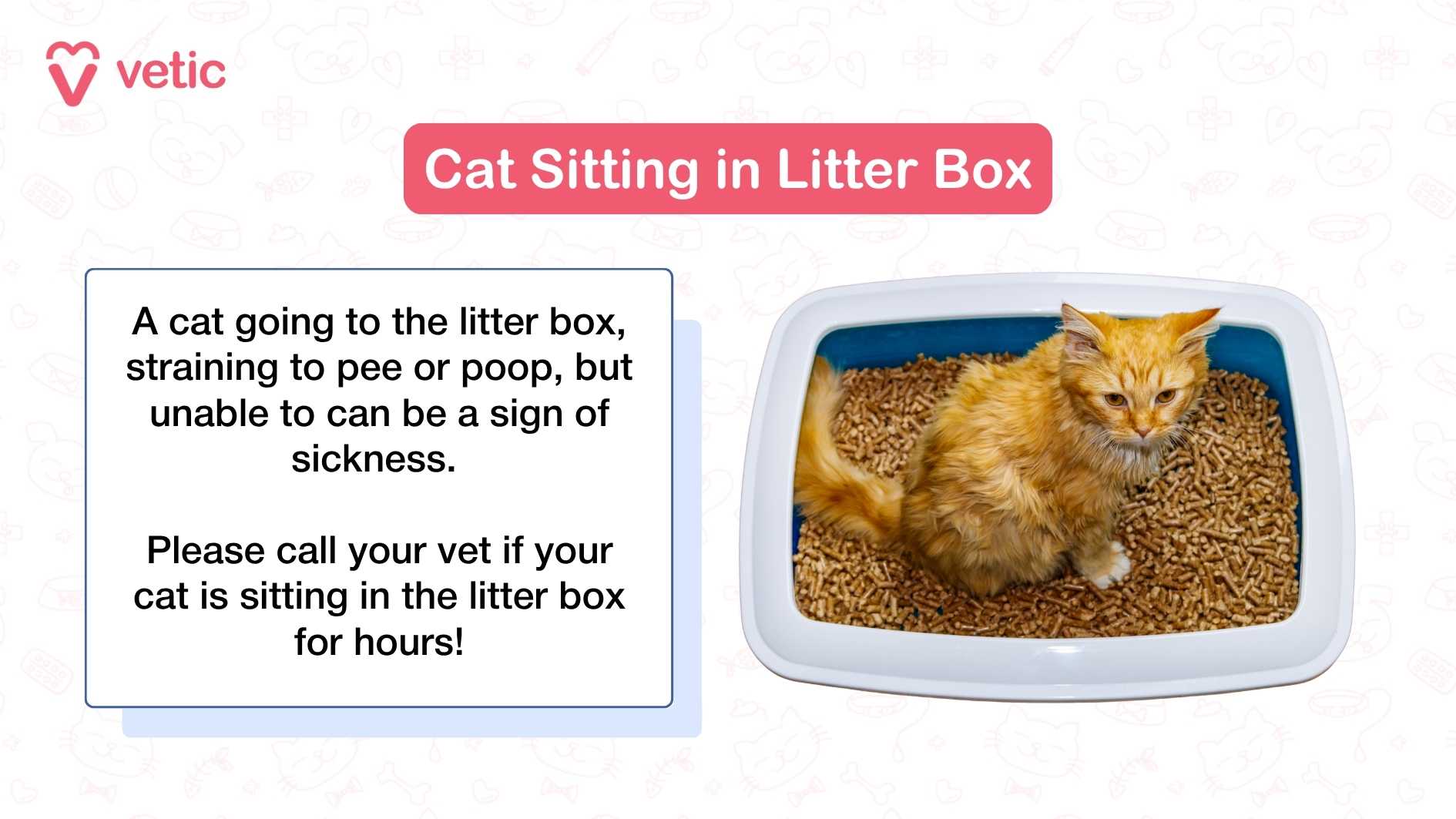
Credit: vetic.in
Improving Litter Box Setup
Improving the litter box setup is key to stopping your cat from pooping outside the box. Small changes can make a big difference. Cats are picky about their bathroom spots. Creating a comfortable and clean area encourages them to use the litter box consistently.
Choosing The Right Litter
Pick a litter your cat likes. Unscented, clumping litter is often best. Avoid strong smells that can repel your cat. Soft textures are easier on their paws. Experiment with different types to find the favorite. Keep the litter fresh by changing it regularly.
Optimal Box Placement
Place the litter box in a quiet, low-traffic spot. Avoid noisy areas or places near your cat’s food. Cats need privacy to feel safe. Make sure the location is easy for your cat to reach. Avoid spots near loud appliances or busy hallways.
Number Of Litter Boxes Needed
Provide enough boxes for your household. The rule: one box per cat, plus one extra. More boxes reduce competition and stress. Spread boxes across different rooms. This helps if your cat avoids certain areas.
Maintaining Cleanliness
Clean the litter box daily. Scoop out waste and clumps to keep it fresh. Wash the box with mild soap weekly. Avoid strong cleaners that leave odors. A clean box invites your cat to use it every time.
Behavioral Training Tips
Addressing your cat’s litter box issues often requires a focus on behavior. Cats react to their environment and experiences, so understanding how to guide their habits can make a big difference. Behavioral training tips offer practical ways to encourage your cat to use the litter box consistently.
Positive Reinforcement Techniques
Reward your cat immediately when they use the litter box correctly. Use treats, gentle petting, or soft praise to show them this is the right behavior. Positive reinforcement helps your cat associate the litter box with good things.
Have you noticed your cat responds better to certain rewards? Adjust your approach based on what motivates your cat most. This tailored encouragement makes training faster and more effective.
Discouraging Unwanted Spots
Identify where your cat tends to go outside the box and make those areas less appealing. You can try placing aluminum foil, double-sided tape, or citrus-scented sprays, which cats usually dislike. This helps redirect their bathroom habits back to the litter box.
Be careful not to punish your cat; negative reactions can increase anxiety and worsen the problem. Instead, focus on gently guiding them away from unwanted spots while reinforcing positive behavior.
Consistency And Patience
Stick to a regular cleaning schedule for the litter box to keep it inviting. Cats dislike dirty boxes and may avoid them if not cleaned often. Keeping the environment fresh shows your commitment to their comfort.
Remember, changing behavior takes time. Stay patient and consistent with your training efforts. Have you seen gradual progress even if it’s slow? That’s a sign you’re on the right track.
When To Seek Professional Help
When your cat starts pooping outside the litter box, it can be frustrating and confusing. Sometimes, simple changes at home solve the problem quickly. But if the issue persists, it’s important to know when professional help is needed.
Ignoring the problem might make things worse. Your cat could be signaling deeper health or emotional issues that require expert attention. How do you decide it’s time to call in a specialist?
Behavioral Specialists
Behavioral specialists focus on your cat’s habits and environment. If your cat’s litter box issues seem linked to stress, anxiety, or sudden changes at home, these experts can help.
They will observe your cat’s behavior and identify triggers. Maybe your cat is reacting to a new pet, loud noises, or even the type of litter you use. A behavioral specialist can suggest practical changes tailored to your cat’s personality.
Have you tried simple fixes but still see accidents? This might be a sign to seek a behavioral specialist’s advice. They offer strategies that you might not have considered, turning frustration into progress.
Veterinary Behaviorists
Veterinary behaviorists are veterinarians with special training in animal behavior. If you suspect your cat’s litter box issues are linked to medical problems or complex behavioral disorders, they are the right professionals to consult.
These experts combine medical knowledge with behavioral science. They can diagnose if pain, infections, or neurological conditions cause your cat’s avoidance of the litter box.
One cat owner I know struggled for months until a veterinary behaviorist found a hidden urinary tract infection. After treatment, the accidents stopped. Could your cat’s problem be more than just behavior?
Seeking help from a veterinary behaviorist ensures your cat receives a thorough check-up with behavior-focused treatment plans. Don’t wait if you notice blood in the litter, excessive licking, or sudden changes in behavior alongside the litter box issues.
Credit: www.petmd.com
Frequently Asked Questions
Why Is My Cat Avoiding The Litter Box Suddenly?
Cats avoid litter boxes due to health issues, stress, or dirty boxes. Check for infections, clean the box daily, and reduce stressors around your cat.
Can Litter Box Problems Signal Medical Issues?
Yes, conditions like urinary tract infections or constipation can cause litter box avoidance. Consult a vet to rule out health problems promptly.
How Can I Stop My Cat From Pooping Outside?
Ensure a clean, accessible litter box, try different litter types, and place boxes in quiet locations. Positive reinforcement helps encourage proper use.
Does Litter Box Size Affect My Cat’s Behavior?
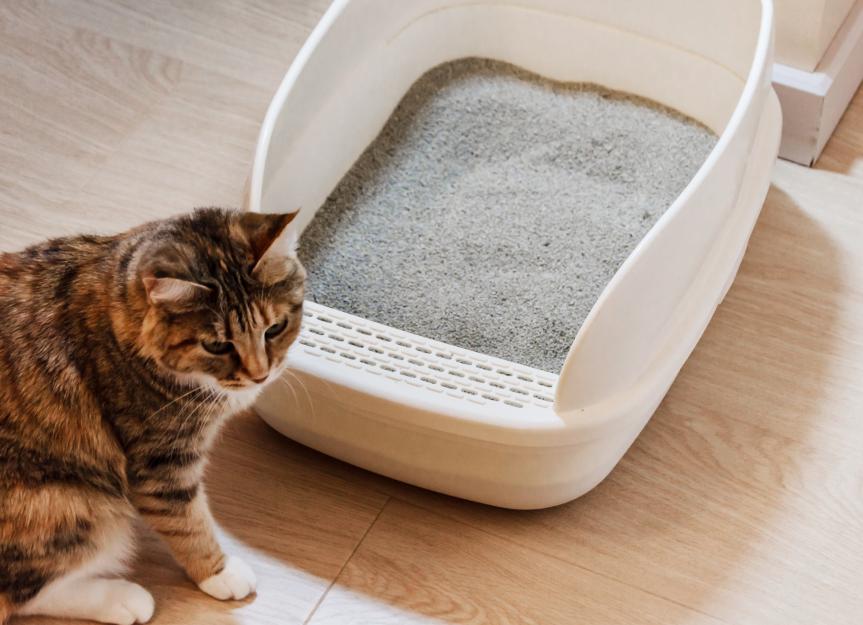
Yes, too small or uncomfortable boxes deter cats. Use a box large enough for your cat to turn easily and dig comfortably.
Conclusion
Cats pooping outside the litter box can be frustrating. It often signals stress, health, or litter issues. Watch your cat’s behavior closely. Clean the litter box regularly to keep it inviting. Try different types of litter or boxes. Visit a vet to rule out medical problems.
Patience and care help your cat feel safe. A happy cat uses the litter box. Small changes make a big difference. Keep trying, and your cat will improve.



Leave a Reply