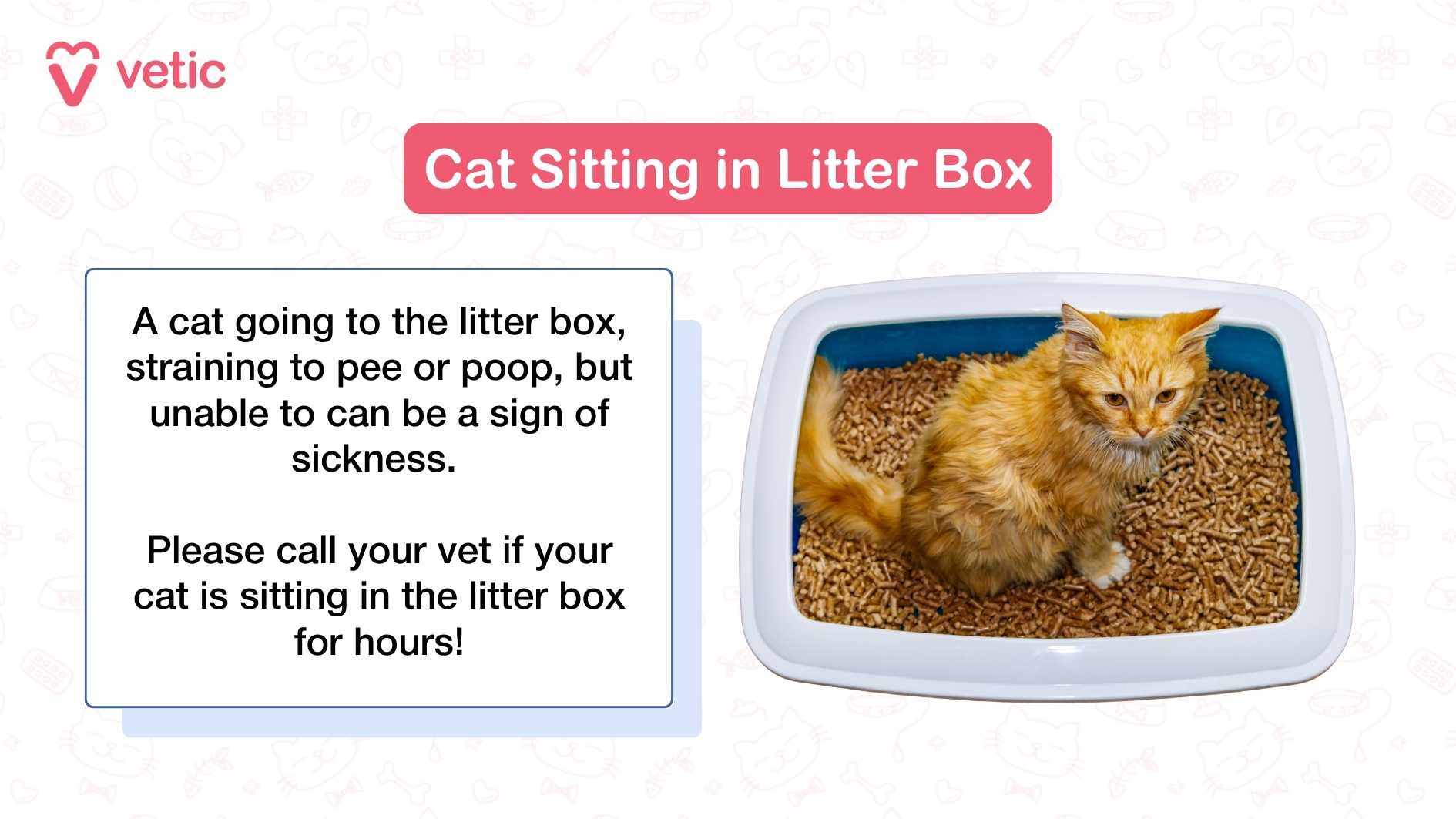
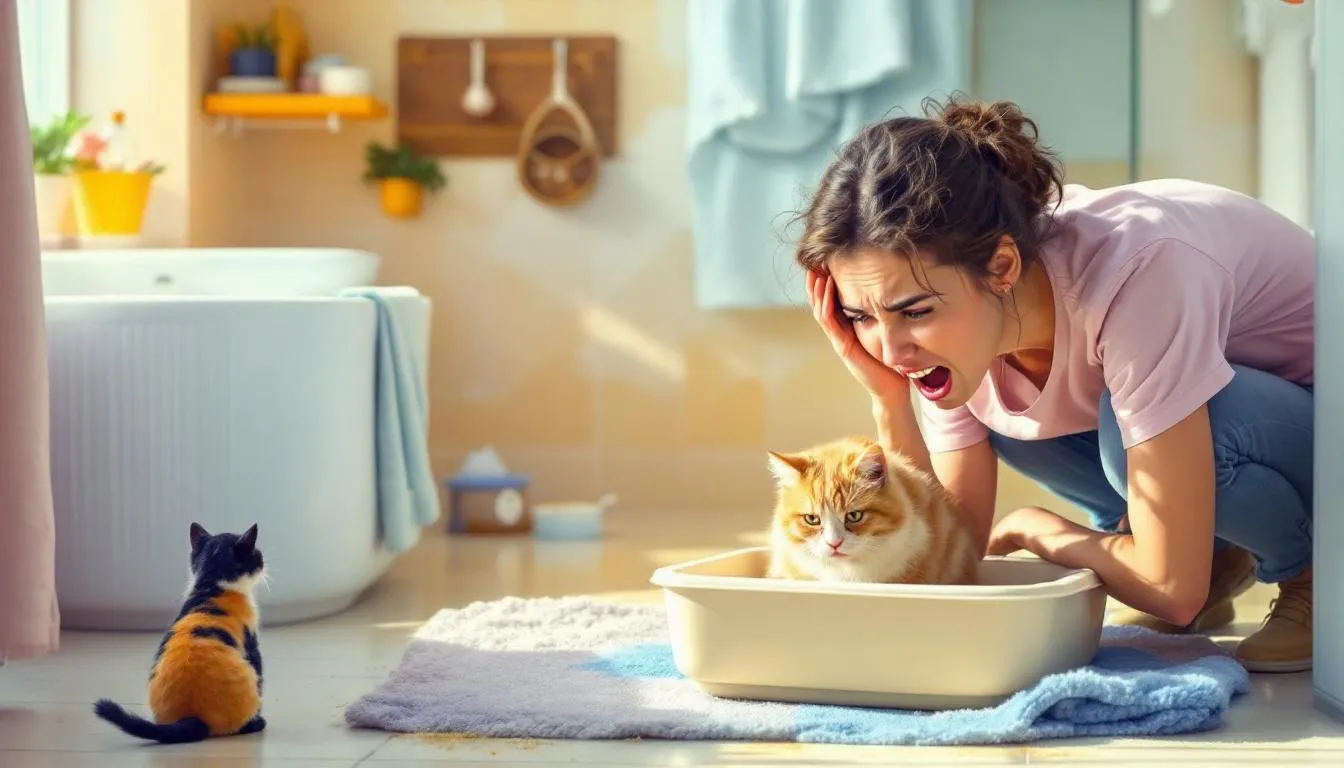
Is your cat suddenly ignoring the litter box? It can be frustrating and confusing when your furry friend starts making messes outside their usual spot.
You might wonder what’s going wrong and how to fix it fast. Understanding why your cat is not using the litter box is the first step to solving this problem and keeping your home clean. You’ll discover the common reasons behind this behavior and simple ways to help your cat get back on track.
Keep reading—you’ll find answers that make a real difference for both you and your cat.
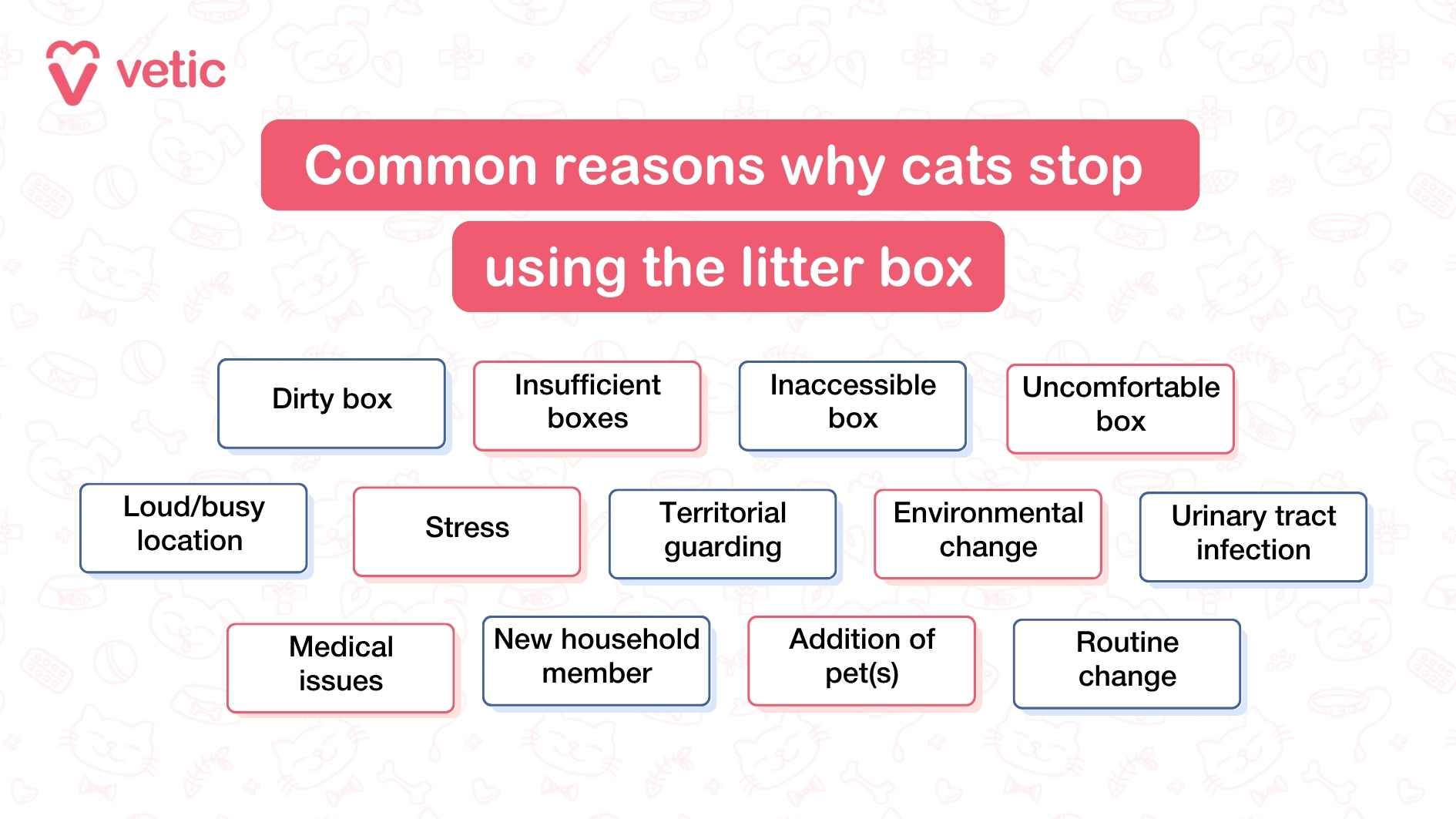
Common Reasons Cats Avoid Litter Boxes
Cats may avoid their litter boxes for many reasons. Understanding these reasons helps solve the issue quickly. Some causes relate to health, others to the box itself or the cat’s feelings. Identifying the exact reason improves your cat’s comfort and hygiene.
Medical Issues
Health problems often cause litter box avoidance. Urinary tract infections, bladder stones, or arthritis make using the box painful. Cats hide pain well, so look for subtle signs. A vet visit can rule out or treat these conditions.
Litter Box Cleanliness
Dirty litter boxes repel cats. Cats prefer clean, fresh boxes. Scoop waste daily and change litter weekly. A dirty box creates a bad smell and discomfort. Cleanliness encourages regular use.
Litter Type Preferences
Cats have litter texture preferences. Some dislike strong scents or rough textures. Experiment with unscented, fine-grain litter. A suitable litter type makes the box inviting.
Box Location Problems
Location matters for cats. Boxes in noisy or busy spots cause stress. Avoid placing boxes near food or water bowls. Quiet, private areas encourage use. Accessibility is key for older or disabled cats.
Stress And Anxiety
Stress affects litter box habits. Changes like moving or new pets cause anxiety. Cats may avoid the box during stressful times. Create a calm environment and maintain routines.
Territorial Marking
Marking behavior leads to urinating outside the box. Cats mark territory to show dominance or fear. Neutering reduces marking in many cats. Clean marked areas thoroughly to prevent repeat behavior.
Credit: vetic.in
Identifying Medical Problems
Medical issues often cause cats to avoid their litter box. Identifying these problems helps protect your cat’s health. Notice changes in behavior or bathroom habits. Early detection can prevent serious complications.
Urinary Tract Infections
Urinary tract infections (UTIs) are common in cats. They cause pain and discomfort while urinating. Cats may strain or go outside the litter box to urinate. Watch for signs like frequent attempts to urinate or blood in urine. UTIs need prompt veterinary treatment.
Digestive Issues
Digestive problems can affect your cat’s toileting habits. Diarrhea or constipation may make using the litter box difficult. Cats might avoid the box due to discomfort or urgency. Observe your cat’s stool consistency and frequency. A vet can diagnose and treat these issues.
Pain Or Mobility Challenges
Pain or difficulty moving can stop cats from using the litter box. Arthritis or injuries may make jumping into the box painful. Older cats often face mobility problems. Consider a litter box with lower sides or an alternative location. Veterinary advice can help manage pain and improve access.
Improving Litter Box Conditions
Cats avoid litter boxes that are dirty or placed in noisy spots. Keeping the box clean and quiet helps encourage use. Using the right type of litter also makes a big difference in comfort.
Improving the litter box conditions can help your cat feel more comfortable. A clean, accessible, and well-chosen litter box can make a big difference. Let’s explore how to make your cat’s litter box more appealing.Cleaning Frequency
Cats dislike dirty litter boxes. Clean the box daily to remove waste. A fresh-smelling box invites your cat to use it. Change the litter completely once a week. This ensures a hygienic environment for your cat.Choosing The Right Litter
Cats have preferences for litter texture and smell. Experiment with different types to find what your cat likes. Unscented litter mimics natural environments. Avoid strong-smelling litter that might deter your cat.Box Size And Accessibility
Ensure the box is spacious enough for your cat. A cramped box can discourage use. Place the box in a quiet, accessible location. Avoid high-traffic areas. Your cat needs privacy to feel secure.Adjusting Litter Box Placement
Adjusting the litter box placement can solve many issues with cats not using their boxes. Cats need a spot where they feel safe and comfortable. The right location encourages them to use the litter box regularly. Small changes in placement can make a big difference in your cat’s behavior.
Quiet And Private Spots
Cats prefer quiet areas away from noise and activity. A private spot helps them feel secure while doing their business. Place the litter box in a calm corner or a less busy room. Avoid locations near loud appliances or where children play often.
Avoiding High-traffic Areas
Busy places can scare cats and stop them from using the box. Avoid hallways, near doors, or places with constant movement. Cats want to avoid being seen or disturbed. A peaceful area with low foot traffic works best for them.
Multiple Boxes For Multi-cat Homes
Each cat needs its own litter box to prevent conflicts. Place boxes in different rooms or separate areas. Cats may avoid a box used by another cat. More boxes reduce stress and encourage good litter habits.
Managing Stress And Anxiety
Stress and anxiety often cause cats to avoid their litter box. Cats feel safe in calm and familiar places. Changes in their environment or routine can upset them. Managing stress helps your cat feel secure again. This can bring back good litter box habits quickly.
Identifying Stress Triggers
Look for things that might scare or bother your cat. New pets, loud noises, or visitors can cause stress. Changes in furniture or moving the litter box also confuse cats. Watch your cat’s behavior closely. Signs like hiding, aggression, or vocalizing may point to stress.
Creating A Calm Environment
Keep your home quiet and peaceful for your cat. Provide safe hiding spots where they can rest undisturbed. Place the litter box in a quiet, easy-to-reach area. Keep feeding and playtime consistent every day. Gentle play and petting help reduce anxiety.
Using Pheromone Products
Pheromone sprays and diffusers mimic natural calming scents. These products help cats feel more relaxed in their space. Place a diffuser near the litter box or resting areas. Spray pheromones on bedding or favorite spots. Many cats respond well and show less stress-related behavior.

Credit: www.yahoo.com
Training And Behavioral Tips
Training your cat to use the litter box again involves patience and a clear understanding of their behavior. You can help your cat regain confidence with small, consistent steps. Here are some practical tips that can make a difference in your cat’s litter box habits.
Positive Reinforcement
Reward your cat immediately when they use the litter box. Use treats, gentle petting, or soft praise to encourage good behavior. Cats respond better to positive signals than punishment, which might cause stress and worsen the problem.
Try to notice subtle signs your cat might show before using the box, like sniffing or scratching around. Catching these moments and rewarding your cat can strengthen their litter box routine. Have you noticed any patterns in your cat’s behavior before accidents?
Gradual Reintroduction
If your cat has stopped using the litter box, try a slow and gentle reintroduction. Place your cat in the box after meals or naps to remind them where to go. Keep the litter box clean and in a quiet, accessible spot to avoid any distractions or fears.
Sometimes, changing the litter type or box location gradually helps your cat adjust. You could even try multiple boxes in different rooms to give your cat options. How does your cat react to changes in their environment?
Consulting A Behaviorist
If you’ve tried training and changes without success, a professional behaviorist can offer tailored advice. They observe your cat’s habits and environment closely to identify hidden causes. This expert guidance can help you address deeper behavioral issues that you might miss.
Don’t hesitate to seek help if your cat’s litter box issues persist. Early intervention can prevent stress for both you and your cat. Have you considered talking to a behaviorist to get a fresh perspective on your cat’s needs?
When To See A Veterinarian
Knowing when to see a veterinarian is crucial if your cat stops using the litter box. Changes in litter box habits often signal health issues. Early veterinary advice can prevent problems from getting worse.
Persistent Avoidance Signs
Watch for signs that your cat avoids the litter box for days. Look for urinating or defecating outside the box repeatedly. Notice if your cat strains or cries while trying to use the box. These behaviors often mean pain or discomfort. Immediate veterinary care is needed in such cases.
Health Screening Tests
Your vet will perform tests to find the cause of avoidance. Common tests include urine analysis and blood work. These tests check for infections, kidney problems, or diabetes. Sometimes, X-rays or ultrasounds help detect bladder stones or tumors. Accurate diagnosis guides the right treatment for your cat.
Specialist Referrals
Some cases require a specialist’s expertise. A veterinary behaviorist may help if stress or anxiety causes avoidance. A veterinary dermatologist might assist if skin problems affect litter box use. Referral to a specialist ensures your cat gets focused care. This step helps solve complex or persistent litter box issues.
Credit: vetic.in
Frequently Asked Questions
Why Is My Cat Avoiding The Litter Box Suddenly?
Cats may avoid the litter box due to stress, illness, or dirty litter. Check for medical issues and clean the box regularly to encourage use.
How Can I Encourage My Cat To Use The Litter Box?
Place the box in a quiet, accessible area. Keep it clean and use unscented, clumping litter to attract your cat.
Could Litter Box Problems Indicate Health Issues?
Yes, urinary tract infections or bladder problems often cause cats to avoid the box. Consult a vet if behavior changes persist.
How Often Should I Clean My Cat’s Litter Box?
Clean the litter box daily and change the litter completely once a week. Regular cleaning prevents odors and encourages proper use.
Conclusion
Cats not using the litter box can be frustrating and confusing. Common reasons include stress, health problems, or a dirty box. Pay attention to your cat’s behavior and environment. Try changing the litter type or cleaning the box more often.
Visit a vet to rule out medical issues. Patience and care help your cat return to good habits. Understanding your cat’s needs makes a big difference. Keep trying different solutions until you find what works. Your cat will feel happier and more comfortable soon.

Leave a Reply