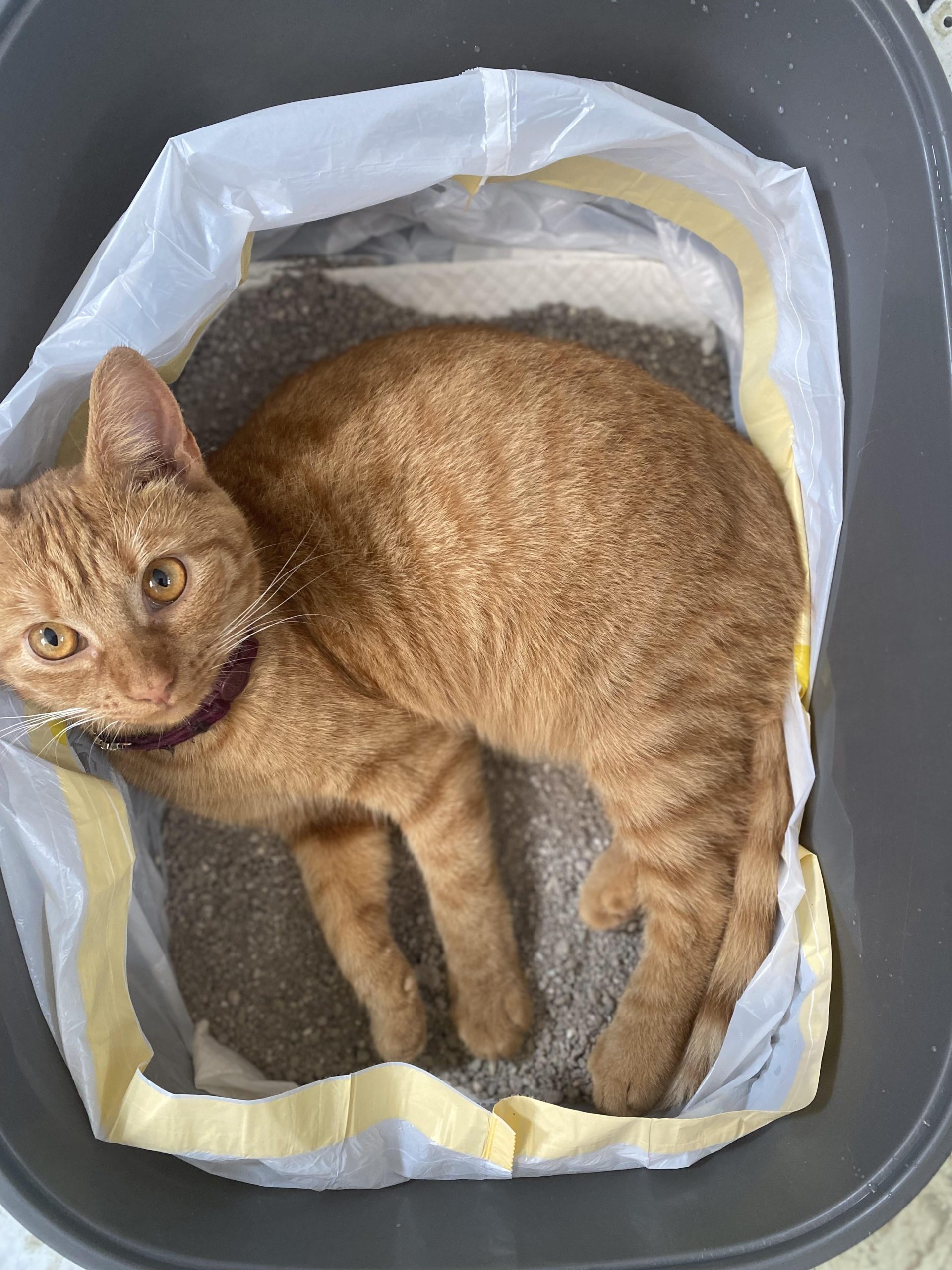
Have you ever wondered why your cat almost instantly knows how to use the litter box? It might seem like magic, but there’s a fascinating reason behind this natural behavior.
Understanding why cats instinctively use the litter box can help you create a happier home for your furry friend and avoid common mistakes that lead to messes. If you want to unlock the secret to your cat’s habits and make litter training easier, keep reading—this insight will change how you care for your pet forever.

Credit: www.reddit.com
Cat Behavior And Instincts
Cats have a set of natural behaviors and instincts that guide how they interact with their environment. Understanding why they instinctively use a litter box starts with looking at these deep-rooted tendencies. Their habits aren’t random; they are shaped by survival needs and social signals that have evolved over thousands of years.
Natural Hunting And Survival Skills
Cats are hunters by nature, relying on stealth and cleanliness to stay safe. After hunting or eating, covering their waste helps them avoid attracting predators or alerting prey. This instinct to bury their waste is a survival tactic, which translates perfectly to using a litter box filled with material they can dig into.
If you’ve ever watched a cat after it uses the litter box, you’ll see it scratching and covering its waste thoroughly. This behavior is not just about cleanliness but about hiding their scent, a skill passed down from wild ancestors.
Territorial Marking And Cleanliness
Cats are territorial animals, and their waste communicates important information about their presence. Using a litter box helps them keep their territory tidy and signals to other cats that the area is claimed without causing a mess. This balance between marking territory and maintaining cleanliness is key to their instinctive behavior.
Have you noticed how cats prefer a clean litter box? Dirty litter boxes can discourage use because they interfere with their natural desire to keep their space hygienic and their scent controlled. This shows how cleanliness and territory marking are linked in their minds.
Evolution Of Litter Box Use
Though the litter box is a modern invention, cats adapted quickly because it meets their natural instincts. Early domestic cats likely used soft soil or sand outdoors to cover their waste, which mirrors the texture of many litter materials today. This continuity makes it easier for cats to accept and use a litter box instinctively.
Your cat’s quick adaptation to a litter box reflects millions of years of evolution that favor behaviors promoting safety and cleanliness. Understanding this can help you choose the right type of litter and box to suit your cat’s instincts better.
Credit: pethelpful.com
Origins Of Litter Box Habits
Understanding why cats instinctively use the litter box starts with looking at where these habits come from. The behaviors we see in domestic cats today have deep roots in their wild ancestors’ survival strategies. These natural instincts guide your cat’s preference for cleanliness and specific elimination spots.
Wild Ancestors And Their Habits
Wild cats rely heavily on hiding their waste to avoid attracting predators. They instinctively bury their feces and urine to mask their presence in the environment. This behavior helps them stay safe and maintain a low profile in the wild.
Your cat’s litter box use is a direct extension of this instinct. Even though your home is safe, this ingrained habit prompts your cat to seek a specific place to eliminate and cover it up.
Environmental Influences On Behavior
Environment plays a major role in shaping your cat’s litter habits. In unfamiliar or stressful surroundings, cats might change where and how they eliminate. Providing a quiet, accessible, and clean litter box helps reinforce positive behavior.
Have you noticed your cat avoiding the litter box after a move or change? This reaction shows how sensitive cats are to their environment and how it affects their natural habits.
Role Of Scent And Smell
Cats use scent to communicate and mark territory. Their strong sense of smell helps them identify safe spots for elimination. The litter box’s scent and cleanliness influence their willingness to use it consistently.
Using unscented or lightly scented litter can encourage your cat to feel comfortable. Have you ever experimented with different litters to see which one your cat prefers? This simple step can make a big difference in their litter box habits.
How Cats Choose Their Bathroom Spot
Cats choose their bathroom spot by following natural instincts to bury their waste. This behavior helps keep their area clean and hides their scent from predators. Using a litter box feels safe and familiar, matching their instinct to stay hidden and protected.
Cats have an uncanny ability to instinctively choose the right spot for their bathroom needs. This behavior might seem mysterious to us, but it’s deeply rooted in their instincts and survival tactics. Understanding why cats choose certain areas can help you better accommodate your feline friend’s preferences and ensure they are comfortable and happy.Preference For Soft And Absorbent Surfaces
Cats are naturally drawn to soft and absorbent surfaces for their bathroom needs. Imagine walking barefoot on a beach versus a rocky path; the soft sand feels more comfortable, right? Similarly, the soft texture of litter or soil feels more natural and gentle on a cat’s paws. Your cat’s preference for such surfaces also helps in efficiently covering their waste, a behavior inherited from their wild ancestors. If your cat starts avoiding the litter box, it might be time to reconsider the type of litter you’re using. Make sure it’s something they find pleasant to walk on and dig in.Avoidance Of Predators And Threats
Cats are cautious creatures, always alert to their surroundings. In the wild, leaving waste uncovered could attract predators, so choosing a safe spot is crucial for survival. This instinct carries over to domestic cats, even if they face no real threats at home. Have you noticed your cat’s litter box tucked away in a quiet corner? This isn’t just a coincidence. Cats instinctively seek out areas where they feel safe from potential dangers. Make sure their bathroom area is in a calm and quiet part of your home.Privacy And Safety Needs
Just like you wouldn’t want to be disturbed in the bathroom, neither do cats. They value their privacy when it comes to their bathroom habits. An ideal litter box location offers them a sense of seclusion and security. Think about the last time you had guests over. Did your cat seem less interested in using the litter box? Changes in environment or too much noise can disrupt their sense of security. Ensure their litter box is in a spot that offers some privacy, away from bustling household activities. By understanding these behaviors, you can create a more comfortable environment for your cat. How can you make their bathroom experience better today?Training Cats To Use The Litter Box
Training cats to use the litter box often feels like a straightforward task, but understanding the balance between their natural instincts and learned habits can make a huge difference. Cats don’t just randomly choose to use a litter box; they’re wired to bury their waste, which helps keep their environment clean and safe. However, guiding them to use the litter box consistently requires patience, the right approach, and a bit of insight into their behavior.
Natural Inclination Vs Learned Behavior
Cats have an instinct to bury their waste, a behavior inherited from their wild ancestors who needed to mask their scent from predators. This natural tendency makes litter training easier compared to other pets. However, some cats might need to learn how to associate a specific spot—the litter box—with this instinctual behavior.
Sometimes, cats might not immediately recognize the litter box as the place to do their business. This is where training comes in. You help your cat connect the dots between their instinct and the new environment you provide.
Tips For Encouraging Litter Box Use
- Choose the right litter box:Size matters. A box that’s too small can be uncomfortable, while covered boxes might trap smells and deter your cat.
- Pick the right litter:Most cats prefer fine-grain, unscented litter. Experiment to find what your cat likes.
- Keep it clean:Cats are clean creatures. Scoop the box daily and change the litter regularly to avoid odors.
- Place it wisely:Quiet, low-traffic areas work best. Avoid placing the box near food or water dishes.
- Positive reinforcement:Praise or reward your cat when they use the box. This encourages repeat behavior.
Common Challenges And Solutions
Sometimes, even with the best setup, cats avoid the litter box. Why does this happen? Health issues like urinary tract infections can cause avoidance, so a vet visit is crucial if behavior suddenly changes.
Stress and changes in the household can also throw your cat off. New pets, moving furniture, or loud noises may make your cat anxious.
Try adding an extra litter box in another quiet spot. Cats often prefer having options, especially in multi-cat homes. If your cat starts using other areas, clean those spots thoroughly to remove odors and gently guide them back to the litter box.
Have you noticed any particular patterns when your cat avoids the box? Sometimes, small adjustments can solve big problems.
Litter Box Design And Maintenance
Designing and maintaining a litter box is more than just a task; it directly affects your cat’s comfort and willingness to use it. Cats have strong instincts about cleanliness and privacy, which means the right setup can make all the difference. Understanding how to choose and care for litter boxes can help you keep your feline friend happy and your home fresh.
Best Types Of Litter And Boxes
Choosing the right litter is crucial. Many cats prefer clumping litter because it makes cleaning easier and controls odors well. Unscented, fine-grained litter feels softer on their paws and encourages use.
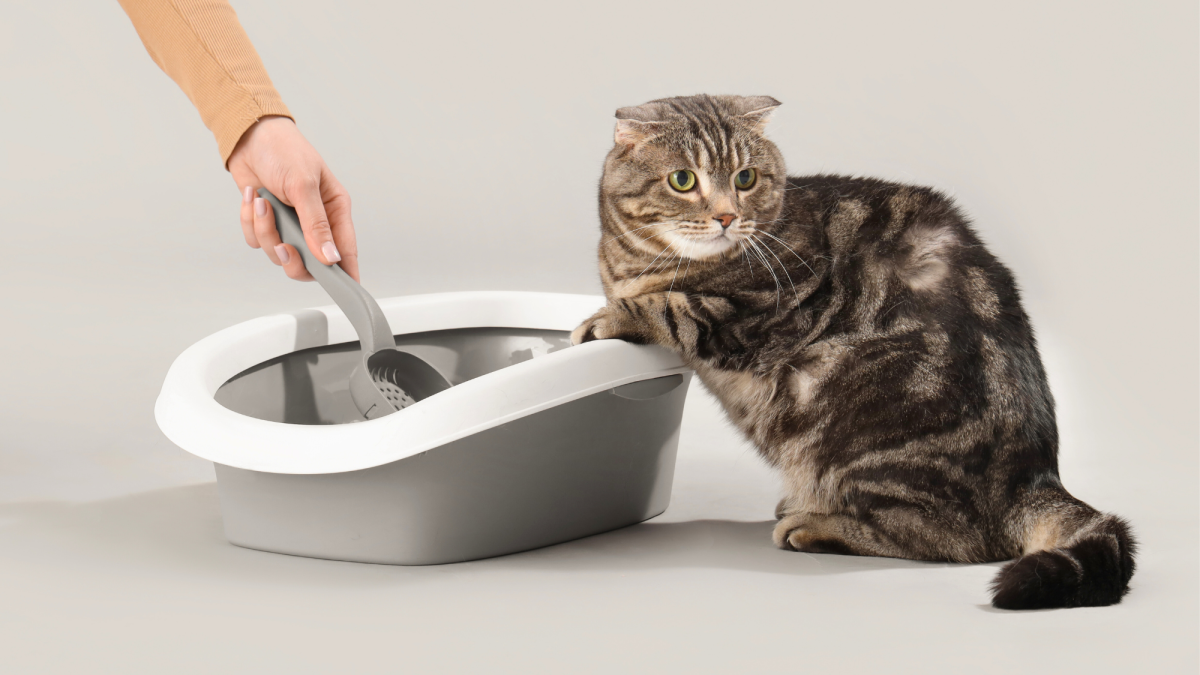
Box design matters too. Open boxes give cats a clear view of their surroundings, which some prefer for safety. Covered boxes offer privacy but can trap smells, making some cats avoid them. Size is important—your cat should comfortably turn around inside.
Cleaning Routines That Cats Prefer
Cats are naturally clean animals and dislike dirty litter boxes. Scoop waste daily to keep the box inviting. Completely change the litter and wash the box with mild soap weekly to prevent odors and bacteria buildup.
Some cats dislike strong-smelling cleaners. Using unscented, gentle cleaning products helps maintain their trust. Have you noticed your cat avoiding the box after a harsh cleaning? That’s a sign to switch products or clean more gently.
Impact On Cat’s Willingness To Use
If the litter box is dirty or the litter type changes suddenly, cats may refuse to use it. Stress or discomfort can lead to accidents elsewhere. Pay attention to your cat’s behavior and preferences to avoid this.
Sometimes, adding an extra litter box in a quiet, accessible spot encourages consistent use. Have you tried observing your cat’s habits to find the best box location? Small changes can make a big difference in their comfort and your peace of mind.

Credit: www.reddit.com
Signs Of Litter Box Problems
Recognizing signs of litter box problems is key to keeping cats happy and healthy. Changes in litter box habits often signal underlying issues. Early detection helps prevent stress and health complications. Observing your cat’s behavior near the litter box can give clues about what’s wrong.
Behavioral Changes To Watch For
- Avoiding the litter box or hesitating before entering
- Frequent visits but little or no use
- Scratching outside the box or urinating elsewhere
- Sudden aggression or anxiety around the box
- Excessive digging or covering behaviors
Health Issues Affecting Usage
Urinary tract infections can cause pain during urination. This pain often leads cats to avoid the litter box. Kidney problems or bladder stones also impact litter box habits. Constipation or diarrhea may change how often cats use the box. Age-related mobility issues can make access difficult.
When To Seek Veterinary Advice
- Notice blood in urine or stool
- Observe constant licking of the genital area
- Detect sudden changes in litter box use
- See signs of pain or distress during elimination
- Find your cat hiding or showing unusual lethargy
Veterinary help can diagnose and treat health problems early. Prompt care improves comfort and prevents worsening conditions.
Frequently Asked Questions
Why Do Cats Naturally Prefer Litter Boxes?
Cats have a strong instinct to bury their waste. This behavior helps them avoid predators by hiding their scent. Litter boxes mimic natural outdoor conditions, making cats feel safe and comfortable using them indoors.
How Does A Litter Box Satisfy A Cat’s Instincts?
Litter boxes provide a soft, absorbent surface for cats to dig and cover their waste. This satisfies their natural urge to bury and mask their scent, which is essential for their comfort and stress reduction.
Can Cats Be Trained To Use A Litter Box Easily?
Yes, cats can be trained quickly if introduced to a clean litter box early. Consistency, positive reinforcement, and proper placement encourage good litter habits. Most cats naturally accept litter boxes due to their instincts.
What Litter Box Features Attract Cats Instinctively?
Cats prefer litter boxes that are clean, quiet, and private. Soft, unscented litter that mimics soil texture appeals to their digging instincts. A spacious box with low sides helps easy access and comfort.
Conclusion
Cats use litter boxes because of strong natural instincts. They feel safe and clean when burying their waste. This behavior helps them avoid predators and stay healthy. Understanding these instincts makes caring for cats easier. It also strengthens the bond between pets and owners.
Keeping the litter box clean encourages good habits. Small actions create a happy home for your cat. Simple, natural behaviors guide cats to use their litter boxes well.




Leave a Reply