Have you ever wondered why your cat seems to instinctively know how to use a litter box? It’s almost like they’re born with this skill, saving you from messy surprises around the house.
But what’s behind this natural behavior? Understanding why cats use the litter box can help you create the perfect environment for your furry friend. Keep reading, and you’ll discover the surprising reasons your cat prefers the litter box—and how you can make sure it stays that way.

Credit: cats-magazine.com
Natural Instincts And Behavior
Cats have natural instincts that guide their behavior, especially in how they handle waste. These instincts make using a litter box almost automatic for many cats. Understanding these natural behaviors helps explain why cats prefer cleanliness and a specific spot for their bathroom needs.
Evolution Of Cleanliness In Cats
Wild cats evolved to stay clean to avoid predators. They bury their waste to hide their scent from enemies. Cleanliness helps them stay safe in nature. This instinct has passed down to domestic cats. They naturally want to keep their living area tidy.
Burrowing And Covering Waste
Cats instinctively dig and cover their waste. This action helps mask their scent from other animals. They often use soft materials like soil or sand. At home, litter mimics this natural environment. It satisfies their urge to burrow and cover, making the litter box appealing.
Territorial Marking And Scent Control
Cats mark territory by scenting their surroundings. Covering waste reduces strong smells that attract rivals. This keeps their territory secure and private. Using a litter box helps cats control their scent in the home. It supports their natural need for territorial boundaries.
Early Learning And Socialization
Early learning and socialization shape how cats understand litter box use. Kittens observe and copy behaviors from their mother and siblings. Their environment also plays a key role in forming good habits. This early stage is critical for teaching cleanliness and comfort with the litter box.
Mother Cat’s Role In Teaching
The mother cat shows kittens where to go to the bathroom. She often digs in the litter or dirt and encourages kittens to do the same. This natural demonstration helps kittens learn quickly. The mother also cleans the kittens, guiding them toward hygiene.
Kitten Exploration And Mimicry
Kittens watch and copy their mother and siblings closely. They learn by exploring the litter area and trying to dig. This mimicry helps them understand the right place to relieve themselves. Curiosity and play lead to faster litter box training.
Impact Of Environment On Litter Training
A clean, quiet, and safe place encourages kittens to use the litter box. Consistent access to the litter box helps kittens build routine. Stress or changes in environment can delay training. Early positive experiences make litter box use a natural habit.
Litter Box Design And Preferences
Cats instinctively use litter boxes because they prefer clean, soft places to bury their waste. Their natural habits guide them to use a designated spot that mimics outdoor dirt or sand. Proper litter box design and placement make this behavior easier to follow.
Litter Box Design and Preferences Cats seem to instinctively know how to use a litter box. The design and preference of the box play a big role. Choosing the right setup ensures comfort and cleanliness. Let’s explore the aspects that matter most to our feline friends.Choosing The Right Litter Material
Cats have specific litter material preferences. Some prefer clumping clay, others like silica gel. Natural options like pine or corn are also popular. It’s important to find a material that your cat enjoys. A litter’s texture, scent, and dust level can affect a cat’s choice. Experiment with different types to see which your cat prefers.Box Size And Accessibility
The size of the litter box matters. Cats need space to move and dig. A box that’s too small can be uncomfortable. Large cats need larger boxes for comfort. Accessibility is crucial, especially for kittens or older cats. Ensure the box has low sides for easy entry and exit. This helps prevent accidents and encourages regular use.Location And Privacy Factors
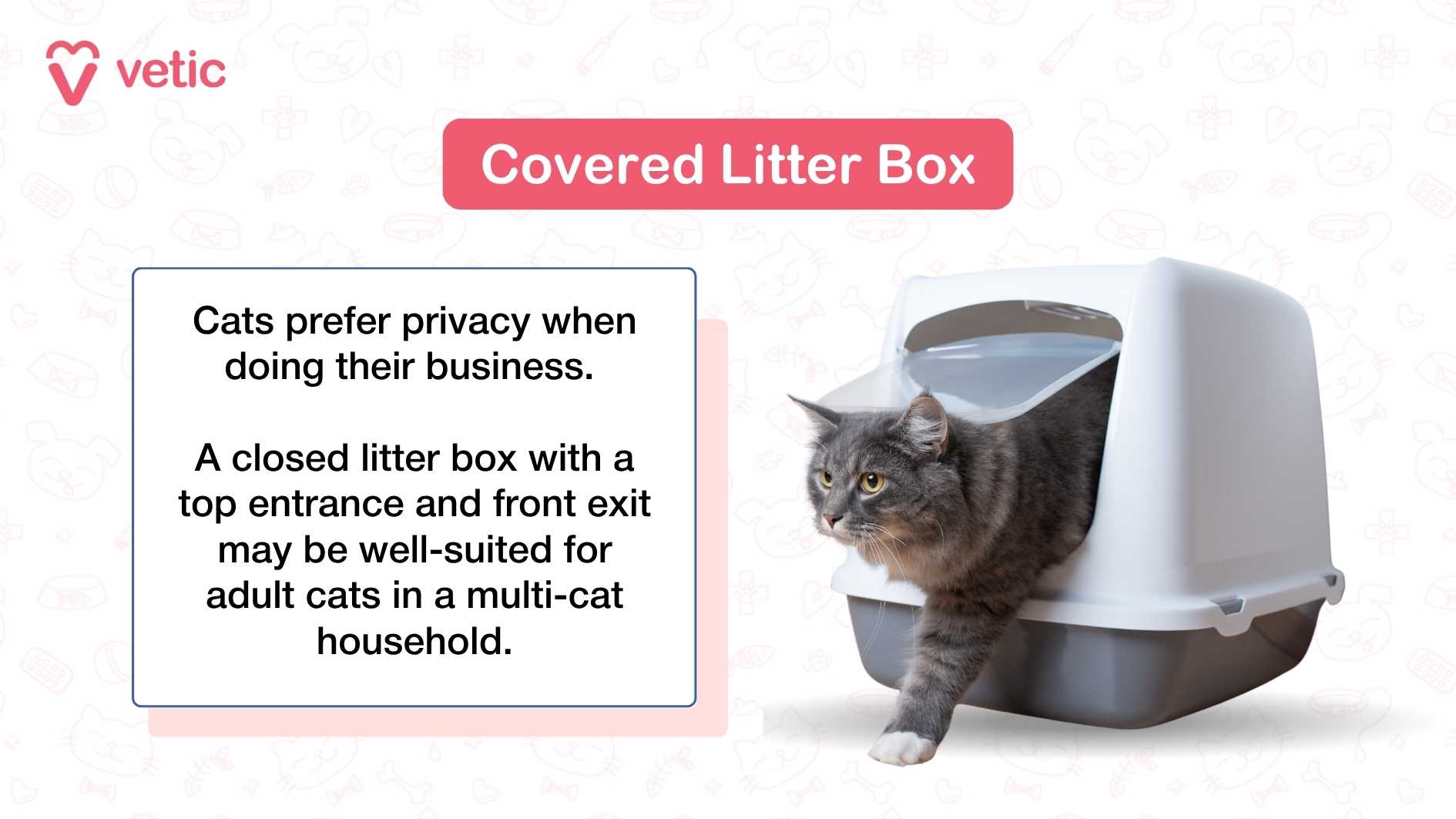
Cats value privacy when using the litter box. Place the box in a quiet, low-traffic area. Avoid noisy or busy spots that might stress your cat. Privacy encourages regular use and reduces stress. Ensure the box is easy to access but still offers seclusion. Multiple boxes in multi-cat homes can reduce territorial issues.
Credit: www.purina.com
Communication Through Elimination
Cats communicate in many ways, and one of the most subtle yet important methods is through elimination. Using the litter box is not just about hygiene; it’s a form of signaling that helps cats express their health, comfort, and emotional state. Paying attention to these signals can give you valuable insights into your cat’s well-being.
Signals Sent By Litter Box Use
Your cat’s litter box habits send clear messages. Frequent visits might indicate anxiety or a urinary tract problem. Conversely, avoiding the box can signal stress, dislike of the litter type, or territorial issues.
Notice how your cat scratches or covers waste. This behavior shows comfort and satisfaction with the environment. A sudden change in these routines often points to something amiss.
Changes In Behavior Indicating Health Issues
When your cat suddenly stops using the litter box, it might be more than just stubbornness. Health issues such as bladder infections, kidney problems, or arthritis can cause discomfort during elimination. Changes in the amount or appearance of urine and stool also tell you when to act quickly.
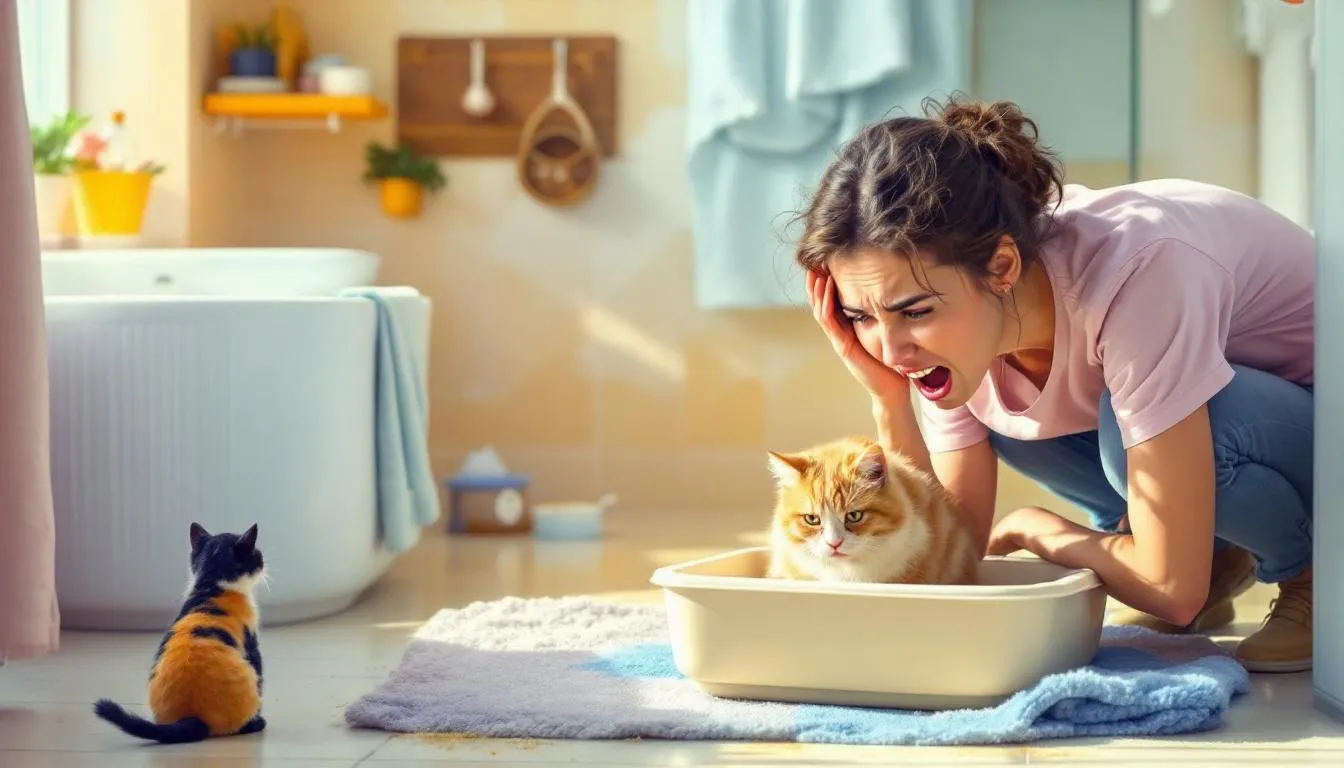
Sometimes, emotional distress leads to litter box problems. Cats can develop aversions due to loud noises or new pets. Recognizing these behavior shifts early helps prevent bigger problems.
How Owners Can Interpret These Signs
You can become your cat’s best health detective by watching litter box habits closely. Keep a simple journal of visits, noting frequency and any odd behavior. This record becomes useful when consulting your vet.
Try adjusting the litter type or box location if you notice avoidance. Often, small changes make a big difference. Remember, your cat’s way of communication through elimination is a direct line to their health and happiness—are you listening closely enough?
Training Techniques For Difficult Cats
Training a cat that avoids the litter box can be challenging. Some cats need extra help to learn where to go. The right techniques create a positive experience for your cat. Patience and careful steps improve success rates. Focus on making the litter box inviting and easy to use.
Positive Reinforcement Methods
Reward cats when they use the litter box correctly. Treats and gentle praise encourage good habits. Avoid punishment; it can cause fear and confusion. Use small rewards immediately after the cat uses the box. This helps the cat connect the action with the reward.
Dealing With Litter Box Avoidance
Identify why the cat avoids the box. Check for medical issues or discomfort. Clean the box frequently to keep it fresh. Try different types of litter to find one the cat prefers. Place the box in a quiet, accessible area. Remove stressors that may scare the cat.
Consistency And Patience In Training
Stick to a regular cleaning and feeding schedule. Consistency helps cats understand expectations. Be patient; some cats take weeks to learn. Keep the environment calm and stable during training. Repeat positive reinforcement daily to build trust and habits.

Credit: meowant.com
Frequently Asked Questions
Why Do Cats Instinctively Use A Litter Box?
Cats have a natural instinct to bury their waste. This behavior helps them avoid predators by masking their scent. Using a litter box mimics this natural habit, making it easier for cats to adapt and use it consistently indoors.
How Do Cats Learn To Use A Litter Box?
Cats learn litter box use through instinct and observation. Mother cats teach kittens to dig and cover waste early on. Positive reinforcement from owners also helps kittens and adult cats maintain this behavior.
Can All Cats Easily Adapt To Litter Boxes?
Most cats adapt quickly due to natural instincts. However, some cats may take longer because of stress or past experiences. Providing a clean, quiet, and accessible litter box encourages quick adaptation.
What Litter Box Features Attract Cats The Most?
Cats prefer clean, odor-free, and easily accessible litter boxes. Soft, clumping litter that mimics soil texture is ideal. Covered boxes may deter some cats, while others prefer privacy, so observe your cat’s preference.
Conclusion
Cats learn to use a litter box through natural instincts and habits. They feel comfort using a clean, safe spot for their needs. Owners play a key role by providing the right litter and box. Patience and consistency help cats adapt quickly.
Understanding this behavior makes caring for cats easier. It shows how smart and adaptable cats really are. A happy cat means a happy home. Simple care leads to great results.

Leave a Reply