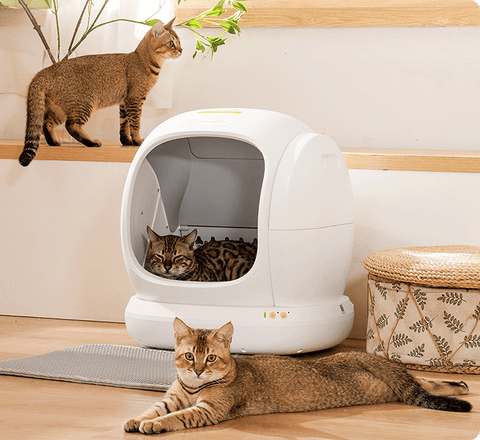
Have you ever found your cat sitting or lying inside their litter box and wondered why? It’s a strange sight that can leave you feeling confused or even worried about your furry friend’s health and happiness.
Understanding why your cat chooses the litter box as a resting spot can reveal important clues about their well-being and behavior. Keep reading, and you’ll discover surprising reasons behind this odd habit—and what you can do to help your cat feel comfortable and safe again.
Credit: meowant.com
Common Reasons Cats Choose The Litter Box
Cats sometimes surprise us with unusual behavior, like choosing to lay in their litter box. Understanding why they do this helps you respond better to their needs. It often comes down to a few common reasons linked to comfort, stress, and environment.
Seeking Comfort And Security
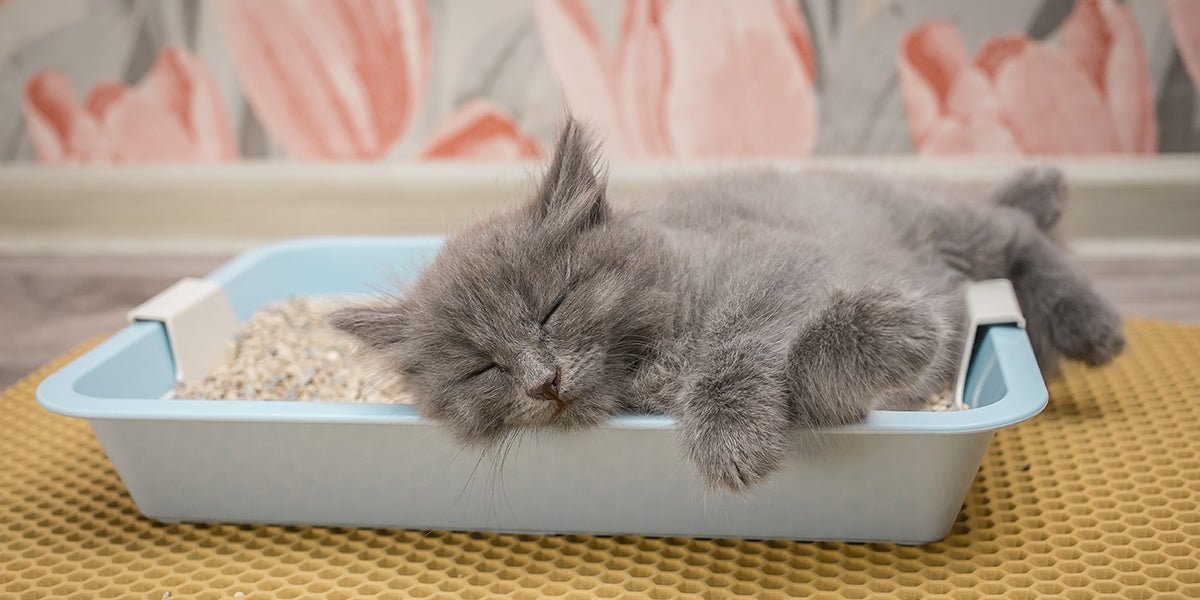
Your cat may see the litter box as a safe, enclosed spot. It often feels private and quiet, offering a small retreat from household activity. If your cat is feeling vulnerable, the litter box can become a cozy hideaway.
Think about your cat’s personality. Is it shy or anxious? Such cats frequently look for secure places to rest. Have you noticed your cat curling up in tight spaces elsewhere? The litter box serves a similar purpose.
Avoiding Stressful Situations
Stress can push cats to change their usual routines, including where they rest. Loud noises, new pets, or changes in your home might make your cat seek refuge. The litter box, being a familiar territory, offers a sense of control amid chaos.
Watch for signs of stress in your cat, like hiding, changes in appetite, or altered grooming habits. If the litter box becomes a frequent resting spot, it might be your cat’s way of coping with anxiety. How can you reduce stress triggers in your home to help your cat feel safer?
Temperature Preferences
Sometimes, the litter box provides a comfortable temperature that your cat craves. If the floor is cold or the room is chilly, the litter might hold warmth better than other spots. Conversely, if the litter is cool, your cat might use it to cool down during warmer days.
Observe the environment around the litter box. Is it placed in a drafty area or near a heat source? Adjusting its location might encourage your cat to rest elsewhere. Have you checked whether your cat’s favorite spots are too hot or cold?

Credit: meowant.com
Health Issues Influencing Litter Box Behavior
Cats may lie in their litter box because of health problems. This unusual behavior often signals discomfort or illness. Understanding these health issues helps in taking quick action. Watch your cat closely for signs of pain or distress. Early care can prevent serious complications and improve your cat’s well-being.
Urinary Tract Infections
Urinary tract infections cause pain and frequent urination. Cats with infections may stay in the litter box to ease discomfort. They might strain or cry while urinating. This behavior shows they are trying to manage the pain. Veterinary care is crucial to treat infections promptly.
Digestive Problems
Digestive issues can make cats feel unwell near their litter box. Constipation or diarrhea may cause them to lie there more often. They might also vomit or have a lack of appetite. These symptoms indicate a need for medical attention. Proper diagnosis helps in providing the right treatment.
Pain Or Discomfort
Pain from arthritis or injury may cause cats to rest in the litter box. The box feels safe and familiar during distress. Cats may avoid moving too much due to soreness. Observing changes in movement or behavior is important. Consulting a vet can relieve your cat’s pain effectively.
Behavioral Causes Behind Litter Box Lying
When your cat chooses to lie in the litter box, it often signals more than just a quirky habit. Behavioral reasons can drive this unusual action, reflecting how your cat feels about its space and your interaction. Understanding these causes helps you respond effectively and improve your cat’s comfort and happiness.
Territorial Marking
Cats see their litter box as part of their territory. Lying in it can be a way to mark the area with their scent, especially if they feel threatened by other pets or changes nearby. This behavior can increase if your cat senses unfamiliar animals or new smells around the house.
If your cat is territorial, you might notice it spending extra time in the box or becoming more protective. You can help by keeping their environment calm and ensuring they have multiple safe spaces to claim.
Attention-seeking Behavior
Sometimes, lying in the litter box is your cat’s way of asking for attention. If your pet feels ignored or bored, it might choose this unusual spot to get you to notice it. Cats quickly learn which behaviors grab your focus, even if it’s not what you’d expect.
Try spending more interactive playtime with your cat or offering treats and affection when they’re outside the box. This can redirect their need for attention to more positive actions.
Changes In Environment
Any change in your cat’s environment can cause stress, leading to behaviors like lying in the litter box. Moving furniture, new family members, or even a change in litter brand can make your cat feel unsettled.
Observe if recent changes coincide with this behavior. Gradually reintroducing familiar elements or giving your cat extra comfort can ease their anxiety and discourage them from seeking refuge in the box.
Litter Box Conditions That Attract Cats
Cats choose their litter box based on comfort and safety. Certain conditions attract them more than others. Understanding these factors can help keep cats happy and prevent unusual behaviors like lying in the litter box.
Cleanliness And Litter Type
Cats prefer a clean litter box free of strong odors. Dirty boxes can drive them away or cause stress. Fresh litter encourages use and relaxation.
The type of litter matters too. Soft, clumping litter feels gentle on paws. Unscented litter is best to avoid irritation. Some cats dislike scented or dusty litters.
Box Size And Location
A box too small feels cramped and unsafe. Cats need space to turn and dig comfortably. A roomy box invites longer stays and better use.
The location must be quiet and private. Loud or busy areas cause fear or distraction. A calm spot helps cats feel secure and relaxed.
Multiple Cats And Shared Boxes
Sharing boxes can cause stress and conflict. Cats are territorial and prefer their own space. One box per cat, plus one extra, is ideal.
Too few boxes lead to crowding and avoidance. This can cause cats to lie in the litter box out of anxiety or confusion. Separate boxes reduce stress and promote healthy habits.
How To Help Your Cat Feel Comfortable Elsewhere
Cats may lie in the litter box to feel safe or calm when stressed. Creating cozy spaces elsewhere helps them relax outside their box. Offering soft bedding and quiet spots encourages comfort in new areas.
Cats sometimes choose to lay in their litter box. This behavior can be puzzling. It may indicate discomfort or stress. Helping your cat feel comfortable elsewhere is essential. Creating a welcoming environment can encourage healthier habits.Improving Litter Box Setup
Ensure the litter box is clean and odor-free. Cats prefer tidy spaces. Choose a quiet, low-traffic area for the box. Privacy matters to cats. Use the right type of litter. Some cats are picky about texture. Ensure the box is the right size. Cats need room to move. A box that’s too small can cause discomfort.Providing Alternative Cozy Spots
Create inviting resting areas around your home. Soft blankets and cushions work well. Place these in sunny spots for warmth. Cats love to bask in the sun. Use cat beds or hammocks. Elevated spots are often preferred. Ensure these areas are quiet and safe. Remove any potential threats nearby.Monitoring Health And Behavior
Keep an eye on your cat’s health. Sudden changes might signal a problem. Look for signs of discomfort or illness. Consult a vet if needed. Observe their behavior closely. Stress or anxiety can affect their habits. Identify and address any stressors. A calm environment promotes comfort.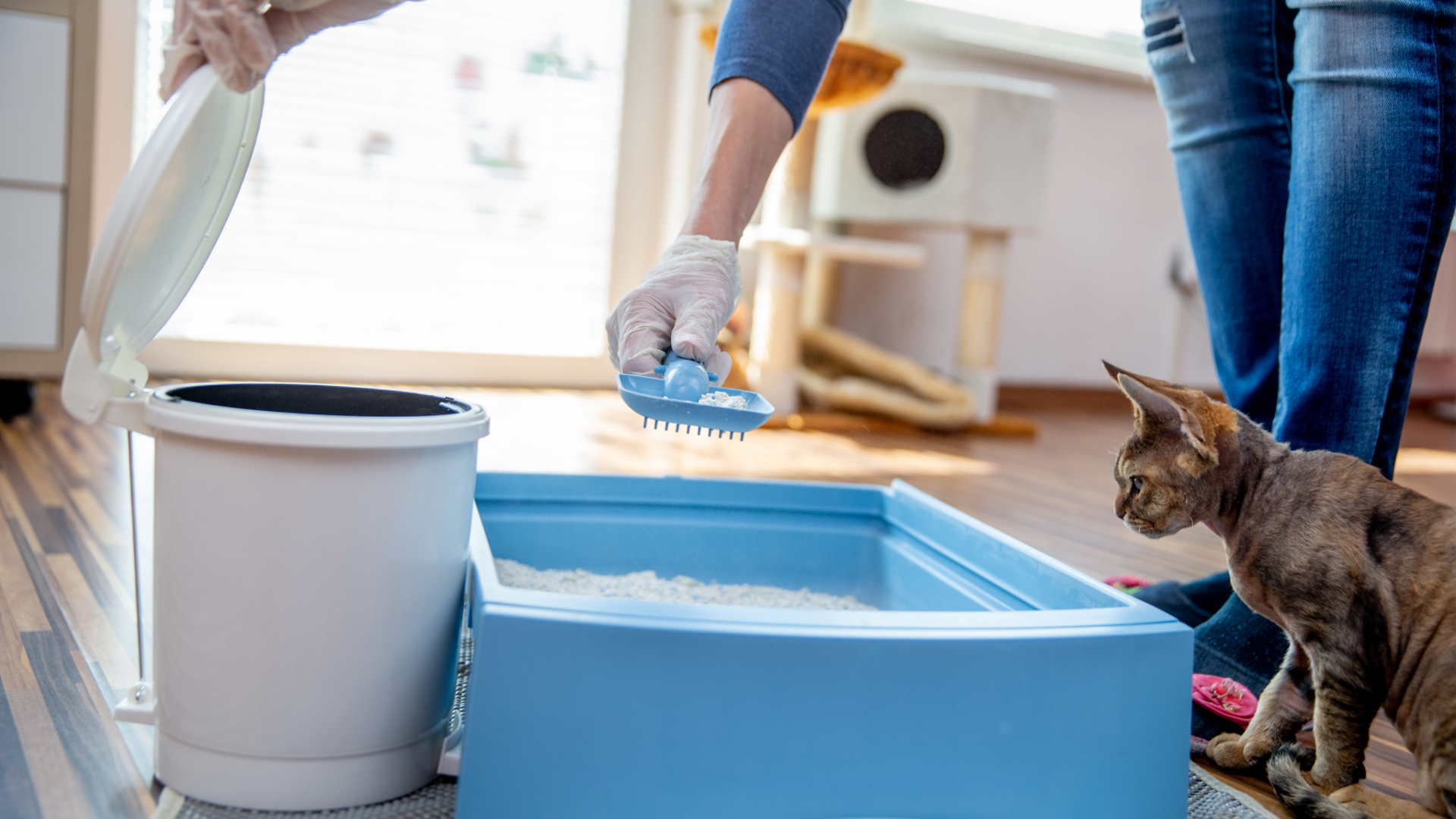
Credit: www.petsradar.com
Frequently Asked Questions
Why Does My Cat Sit In The Litter Box Often?
Cats sit in litter boxes due to stress, illness, or discomfort. It may signal urinary issues or anxiety. Observing behavior helps identify if veterinary care is needed. Regular cleaning and a calm environment reduce this habit.
Can A Dirty Litter Box Cause This Behavior?
Yes, a dirty litter box can cause cats to stay inside. Cats dislike unclean spaces and may sit to avoid using it. Frequent cleaning ensures comfort and encourages proper litter box use.
Is My Cat Sick If It Stays In The Litter Box?
Staying in the litter box may indicate health problems like urinary tract infections. Cats show discomfort by lingering in the box. A vet visit is recommended to rule out medical issues.
How Can I Stop My Cat From Laying In The Litter Box?
Provide a clean, quiet litter box in a private area. Ensure your cat has cozy resting spots elsewhere. Reducing stress and maintaining hygiene discourages litter box sitting.
Conclusion
Cats may lie in their litter box for many reasons. It can be a sign of stress or illness. Sometimes, they just want a quiet, safe spot. Watch your cat closely for other signs of trouble. Keep the litter box clean and comfortable.
If your cat keeps lying there, talk to your vet. Understanding your cat helps keep them happy and healthy. Trust your instincts and act if something feels wrong. Your cat’s behavior tells a story—listen carefully.



Leave a Reply