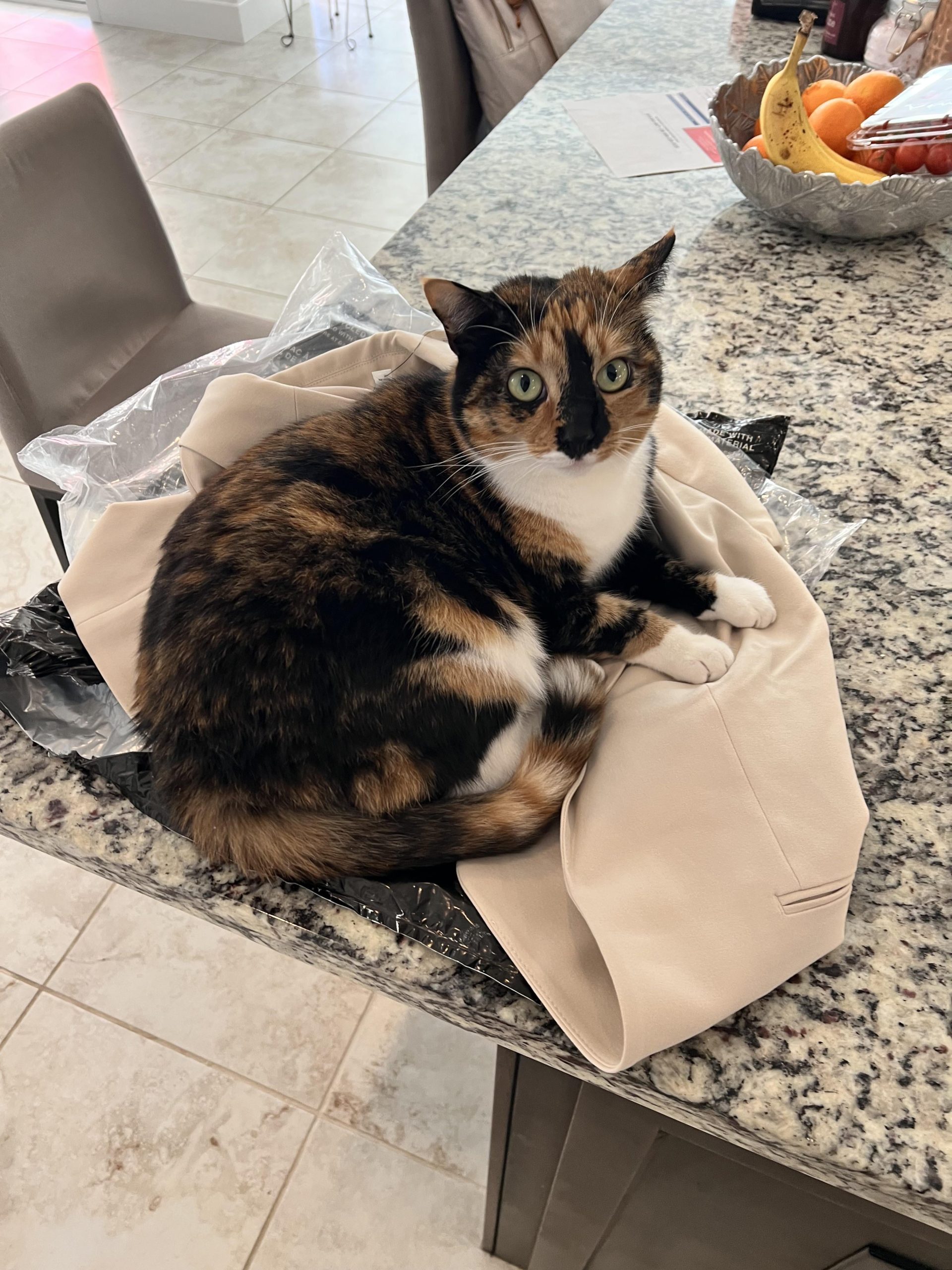
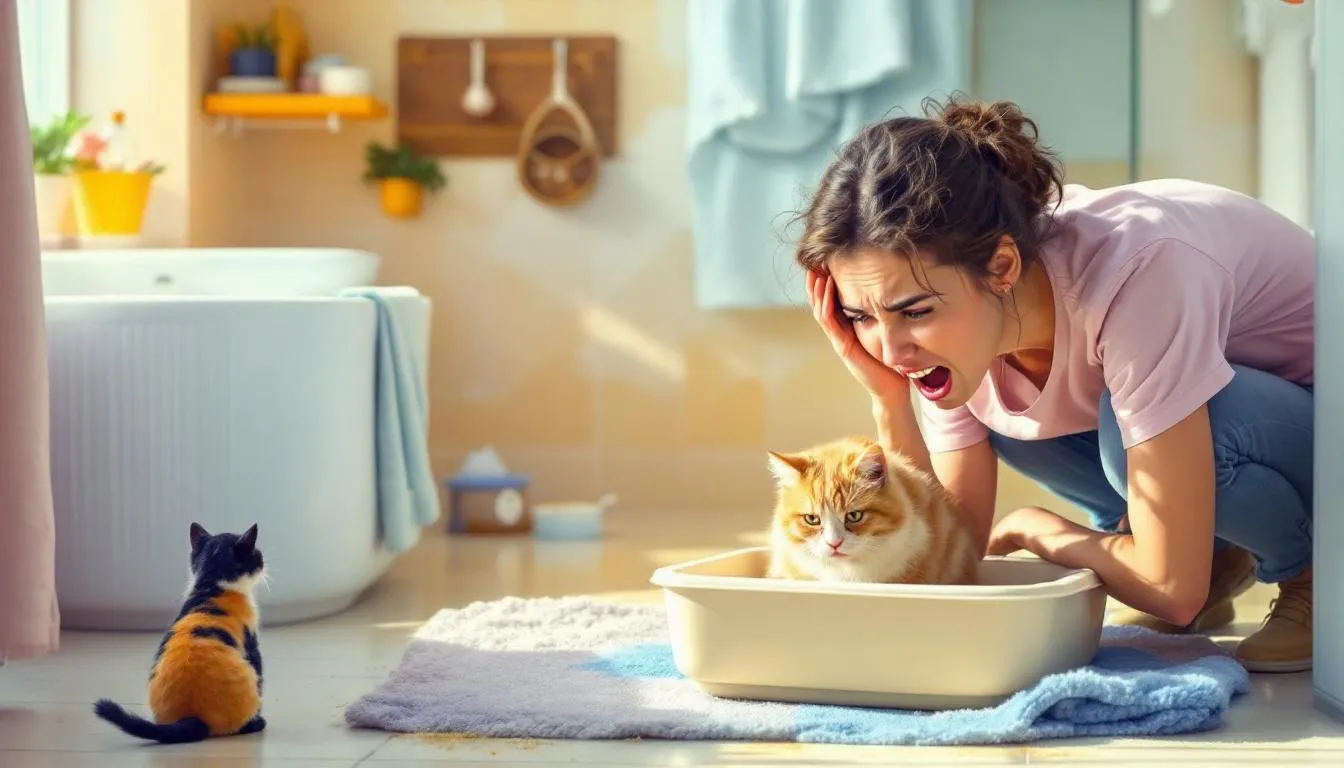
Has your cat suddenly started peeing outside the litter box? It can be frustrating and confusing to deal with this behavior.
You might wonder why your usually clean cat is now making a mess where they shouldn’t. Understanding the reasons behind this change is the first step to fixing it. You’ll discover the common causes that lead cats to avoid their litter box and what you can do to bring back harmony to your home.
Keep reading to learn how to help your furry friend and protect your space.
Medical Issues
When your cat suddenly starts peeing outside the litter box, medical issues might be the hidden cause. Ignoring this behavior could put your cat’s health at risk. It’s important to understand the common health problems that lead to this change and act quickly.
Urinary Tract Infections
Urinary tract infections (UTIs) are a frequent reason cats avoid their litter boxes. The infection makes urination painful, so your cat may associate the litter box with discomfort and try to find a different spot.
If your cat strains or cries while peeing, or you notice blood in the urine, a UTI is likely. You should visit the vet promptly to get antibiotics and relieve your cat’s pain.
Bladder Stones
Bladder stones cause irritation and blockages that make urination difficult. This can lead your cat to urinate in unusual places because the urge to pee becomes urgent and uncomfortable.
Bladder stones need veterinary diagnosis through X-rays or ultrasounds. Treatment might include diet changes or surgery, depending on the severity.
Kidney Problems
Kidney issues affect how your cat processes waste and fluids. Cats with kidney problems often drink more water and urinate more frequently, sometimes outside the litter box due to urgency or confusion.
Watch for signs like increased thirst, weight loss, and lethargy. Early detection through blood tests can help manage kidney disease and improve your cat’s quality of life.
Diabetes And Other Illnesses
Diabetes can cause increased urination and thirst, leading to accidents outside the litter box. Other illnesses, like arthritis, can make getting into the litter box painful or difficult.
If your cat suddenly struggles with litter box habits, consider if mobility or systemic diseases might be involved. A vet check-up can uncover hidden conditions affecting your cat’s behavior.
Litter Box Problems
Cats are often seen as mysterious creatures, especially regarding their habits. Peeing outside the litter box is a common issue that frustrates many cat owners. Various litter box problems might be the reason. Understanding these issues can help improve the situation and keep your home clean.
Dirty Or Unclean Litter
Cats are fastidious animals. They prefer a clean litter box. If the litter is dirty, they might avoid it. Cleaning the litter box daily can prevent this issue. Replace the litter regularly. A fresh environment encourages proper use.
Type Of Litter
Cats have preferences for litter types. Some prefer clumping litter. Others might like non-clumping or a specific scent. Experiment with different types. Observe your cat’s reaction. Choose what they seem to like best.
Box Size And Location
The size and location of the litter box matter. A small box might feel cramped. Ensure the box is large enough for your cat. Place it in a quiet, accessible spot. Avoid high-traffic areas. Cats need privacy too.
Number Of Litter Boxes
Having only one litter box might not be enough. The general rule is one box per cat, plus one extra. More boxes reduce territorial issues. It also prevents waiting times. Spread them throughout your home. This gives your cat choices.
Behavioral Causes
Understanding why your cat might pee outside the litter box can be frustrating. Behavioral causes often play a big role in this issue. Cats communicate a lot through their behavior, and urinating in unusual places can be a sign they are trying to tell you something important.
Stress And Anxiety
Stress affects cats just like it does people. Changes in your routine, loud noises, or even new visitors can make your cat anxious. You might notice your cat avoiding the litter box when feeling overwhelmed.
Have you ever tried calming pheromone sprays or creating a quiet, safe space? These small changes can reduce anxiety and help your cat return to proper litter box use.
Territorial Marking
Cats use urine to mark their territory, especially if they feel threatened by other animals. This behavior is common in multi-cat households or if there are outdoor cats nearby. Marking is not the same as regular peeing; it usually involves small amounts of urine on vertical surfaces.
If your cat is marking, consider adding more litter boxes and keeping doors closed to limit access to areas your cat feels it needs to defend. Have you noticed if your cat marks more when new pets arrive?
Changes In Environment
Moving to a new home, rearranging furniture, or changing the litter type can confuse your cat. Cats are creatures of habit, and sudden changes can lead to litter box avoidance. Sometimes, your cat needs time to adjust or a little help to feel comfortable again.
Try introducing changes slowly and keep the litter box in a quiet, consistent spot. What small change might have triggered your cat’s behavior?
Conflict With Other Pets
Conflict between pets can cause stress and lead to inappropriate urination. If your cat feels bullied or threatened by other pets, it may avoid shared spaces like the litter box. Watch how your pets interact and provide separate litter boxes if needed.
Have you observed any tension or fights that coincide with your cat’s change in behavior? Addressing pet conflicts can restore peace and proper litter habits.
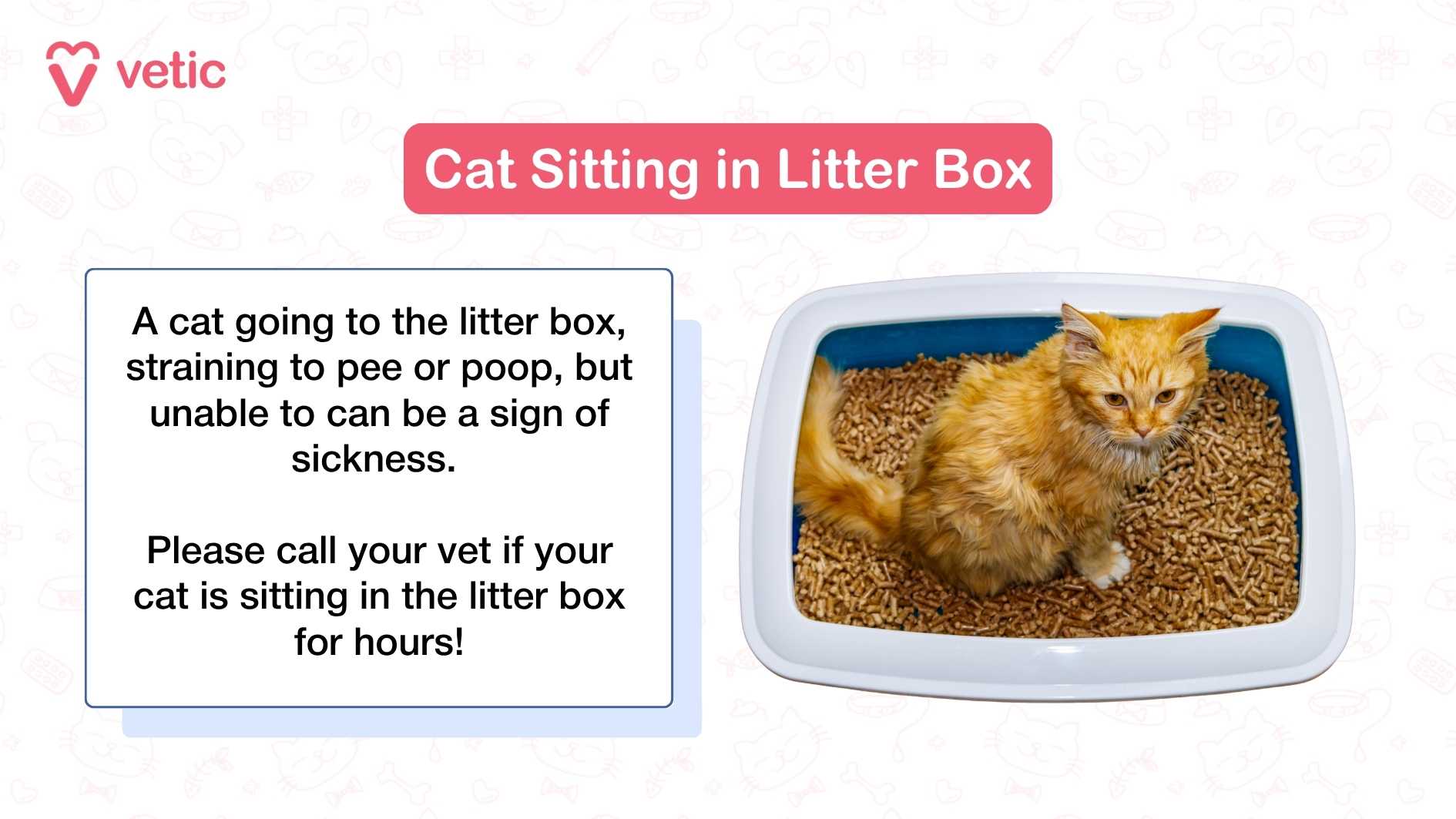
Credit: vetic.in
Age And Development
Age and development play a crucial role in a cat’s bathroom habits. Both young kittens and senior cats face unique challenges that can lead them to pee outside the litter box. Understanding these age-related factors helps you address the issue more effectively and keep your home clean.
Kittens And Training Issues
Kittens are still learning where and how to use the litter box properly. Sometimes, they might not recognize the box or associate it with going to the bathroom. This can lead to accidents around the house.
Patience and consistent training are key. Try placing the kitten in the litter box after meals or naps to encourage use. Also, make sure the box is easily accessible and kept clean, as kittens can be very picky.
If your kitten continues to have trouble, consider whether the litter type or box size suits them. Small changes can make a big difference in their comfort and willingness to use the box.
Senior Cat Challenges
Older cats often face health issues that affect their bathroom habits. Conditions like arthritis, kidney disease, or cognitive decline can make it hard for them to reach or recognize the litter box.
You might notice your senior cat peeing outside the box because it’s difficult for them to get in or out. Placing a box with low sides or adding multiple boxes around the house can help.
Watch for signs of discomfort or confusion, and consult your vet if needed. Your senior cat’s behavior might be a call for help rather than just a bad habit.
Solutions And Prevention
Stopping a cat from peeing outside the litter box takes patience and care. Understanding the root cause is key. Solutions often involve health checks, cleanliness, calm environments, and gentle training. Each step helps your cat feel safe and comfortable.
Veterinary Care
Start with a vet visit to rule out health problems. Urinary tract infections, bladder stones, or kidney issues can cause accidents. Early diagnosis prevents pain and stops unwanted peeing. Follow the vet’s advice on medication and diet changes.
Litter Box Maintenance Tips
- Clean the box daily to remove waste and odors.
- Use unscented, clumping litter to attract your cat.
- Place litter boxes in quiet, easy-to-access spots.
- Provide one box per cat plus one extra.
- Replace old boxes every year to keep them fresh.
Reducing Stress
Stress can make cats avoid their litter box. Create a calm home with safe spaces. Keep a regular routine for feeding and playtime. Avoid loud noises or sudden changes. Use calming sprays or diffusers made for cats.
Behavioral Training
Reward your cat with treats and praise for using the box. Clean any accidents with enzyme cleaners to remove odors. Block off areas where your cat pees outside the box. Redirect your cat gently to the litter box. Patience and consistency build good habits.
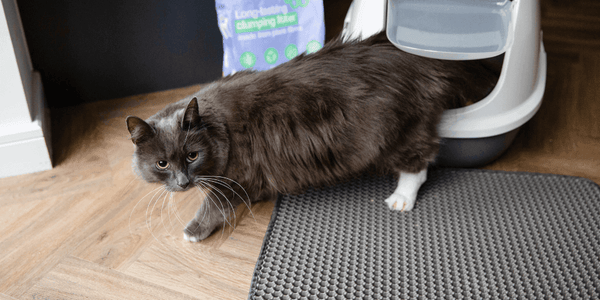
Credit: www.tippaws.com

Credit: www.youtube.com
Frequently Asked Questions
Why Does My Cat Pee Outside The Litter Box?
Cats may pee outside the litter box due to stress, illness, or litter box issues. Medical problems like urinary tract infections often cause this behavior. Changes in environment, dirty litter boxes, or unsuitable litter type can also lead cats to avoid the box.
How Can I Stop My Cat From Peeing Outside?
To stop this behavior, clean the litter box regularly and provide multiple boxes. Ensure the litter type is comfortable for your cat. Address any medical issues with a vet. Reduce stress by maintaining a calm environment and using calming products if needed.
Can Health Problems Cause Litter Box Avoidance?
Yes, health problems like urinary tract infections, bladder stones, or kidney disease can cause cats to avoid the litter box. Pain or discomfort when urinating makes cats associate the box with pain. A vet checkup is essential to rule out medical causes.
Does Stress Make Cats Pee Outside The Box?
Stress is a common reason cats pee outside the litter box. Changes like new pets, moving, or loud noises can stress cats. Stress triggers marking or avoidance behaviors. Providing a stable environment and hiding spots can help reduce stress.
Conclusion
Cats peeing outside the litter box can be frustrating. It often shows stress, health issues, or a dirty box. Pay attention to your cat’s behavior and environment. Clean the litter box regularly and check for any changes. Visit a vet if accidents continue.
Understanding the reasons helps keep your cat happy and your home clean. Small changes can make a big difference. Patience and care matter most in solving this problem.

Leave a Reply