
Is your cat suddenly ignoring the litter box? It can be frustrating and messy, but don’t worry—you can fix this.
Retraining your cat to use the litter box is easier than you think. With a few simple steps, you’ll have your furry friend back on track in no time. Keep reading, and you’ll discover practical tips that work, helping you save time, stress, and your home’s cleanliness.
Your cat’s comfort and your peace of mind are just a few paragraphs away.
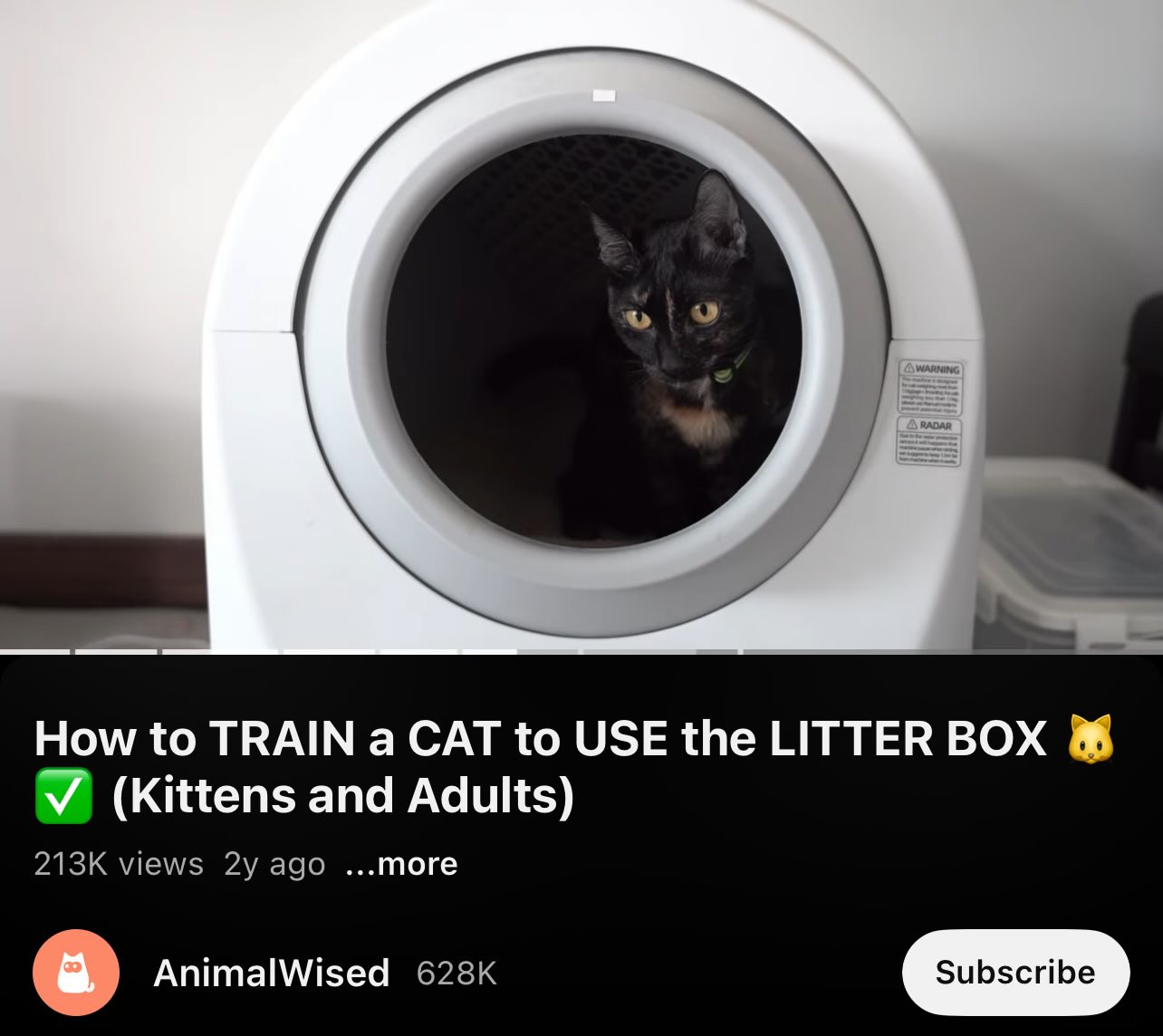
Credit: x.com
Signs Your Cat Needs Retraining
Recognizing when your cat needs litter box retraining helps prevent accidents and stress. Cats may stop using the litter box for several reasons. Catching early signs ensures a smoother retraining process.
Behavioral Clues
- Sudden urination or defecation outside the litter box
- Frequent sniffing or scratching around the house
- Avoidance of the litter box or spending less time near it
- Marking territory by spraying urine on walls or furniture
- Signs of distress or restlessness around bathroom time
Health Issues To Consider
Health problems often cause litter box avoidance. Cats may associate pain with the box.
- Urinary tract infections causing discomfort during urination
- Kidney or bladder stones leading to frequent urination
- Digestive issues causing diarrhea or constipation
- Arthritis making it hard to enter or move inside the box
- Skin allergies or infections around the paw area
Consult a veterinarian to rule out medical causes before retraining.
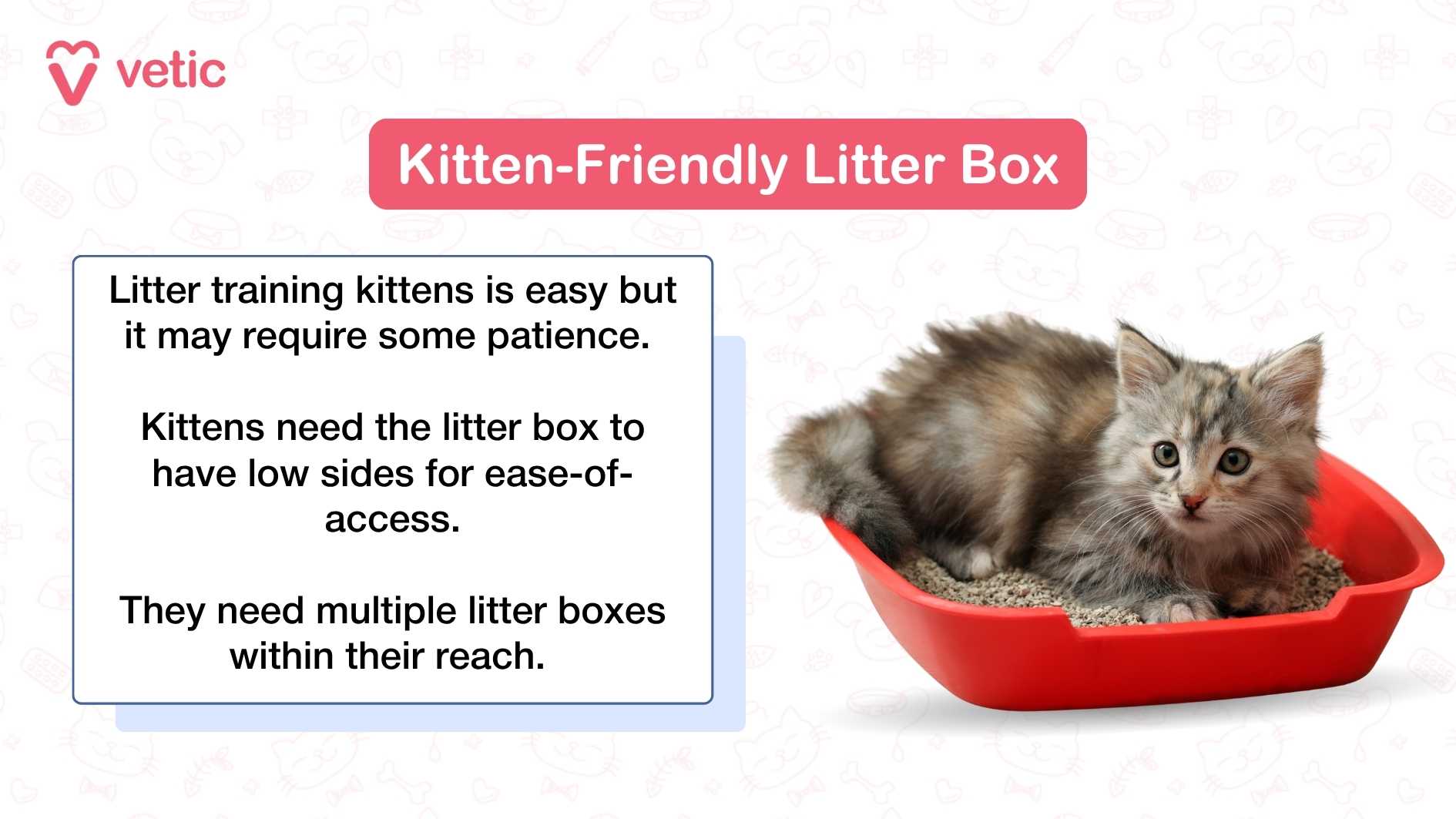
Credit: vetic.in
Choosing The Right Litter Box
Choosing the right litter box sets the stage for successful retraining. Cats have clear preferences about their bathroom spots. A suitable box can make all the difference. It should feel safe, clean, and comfortable to encourage use. Consider the cat’s size, habits, and personality during selection.
Box Size And Type
Pick a litter box big enough for your cat to move comfortably. Small boxes can feel cramped and discourage use. Taller sides help contain litter but should not block easy entry. Open boxes offer easy access and ventilation. Covered boxes give privacy but can trap odors. Balance privacy with ventilation to keep your cat happy.
- Large enough for full turning and digging
- Low entry for kittens or older cats
- Covered for privacy, open for fresh air
- Material that is easy to clean
Location Matters
Place the litter box in a quiet, low-traffic area. Avoid noisy spots near washing machines or loud appliances. Cats prefer privacy and calm when using their box. Keep the box away from food and water bowls. Easy access encourages consistent use. Multiple boxes might be needed in larger homes.
- Quiet and private space
- Far from food and water
- Easy for the cat to reach
- Multiple boxes for multi-cat homes
Selecting The Best Cat Litter
Selecting the best cat litter is crucial to retraining your cat to use the litter box effectively. A cat’s aversion to the litter box often stems from an issue with the litter itself. Understanding your cat’s preferences can make all the difference in ensuring they feel comfortable and encouraged to use their designated area.
Types Of Litter
Not all cat litters are created equal. They come in various forms such as clumping, non-clumping, silica gel, and biodegradable options like pine or corn. Each type has its unique benefits and potential drawbacks.
- Clumping Litter:Makes cleaning easier as it forms solid clumps when wet.
- Non-clumping Litter:Often cheaper but may require more frequent changes.
- Silica Gel Litter:Absorbs moisture well and controls odor effectively.
- Biodegradable Options:Eco-friendly and often preferred for their natural composition.
Have you considered how different types might affect your cat’s comfort? Cats are particular creatures, and their preferences can be surprisingly specific.
Scent And Texture Preferences
Cats have sensitive noses and delicate paws, making scent and texture vital factors. Strong-scented litters can deter cats due to their overwhelming smell. Opting for unscented or lightly scented options could be a better choice.
Texture plays a significant role too. Cats might prefer the feel of finer litter, resembling sand, as it feels more natural under their paws. Testing out different textures might reveal your cat’s hidden preferences.
Have you noticed your cat avoiding the litter box after changing the brand or type? It might be time to reconsider your choice based on these two crucial factors.
Engaging with your cat’s needs and preferences is more than just a chore; it’s a way to strengthen your bond. Is your current litter choice enhancing or hindering that connection?
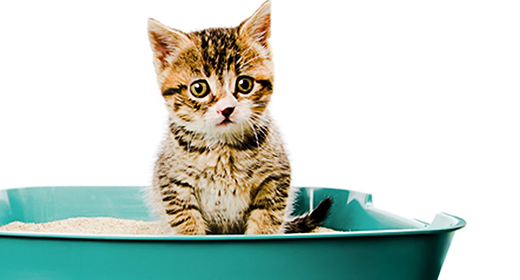
Credit: www.iams-india.com
Cleaning And Maintenance Tips
Keeping your cat’s litter box clean is one of the most important steps in retraining them to use it consistently. A dirty box can discourage your cat and lead to accidents elsewhere. Your commitment to regular cleaning shows your cat that their bathroom spot is a safe and pleasant place.
Frequency Of Cleaning
Cleaning the litter box daily is ideal to keep odors and bacteria at bay. At minimum, scoop out waste twice a day to keep the box fresh. Completely change the litter and wash the box with warm water every one to two weeks.
Have you noticed your cat avoiding the box after a few days? It might be time to increase how often you clean. Cats are very particular about hygiene, so staying consistent can make a huge difference in their behavior.
Safe Cleaning Products
Choose cleaning products that are safe for cats and won’t leave strong chemical smells. Mild dish soap mixed with warm water works well for washing the box. Avoid bleach or ammonia-based cleaners, as these can irritate your cat’s sensitive nose and skin.
Using natural cleaners like vinegar diluted in water can help neutralize odors without harsh chemicals. After washing, rinse thoroughly and let the box dry completely before adding fresh litter. Your cat will appreciate the clean, chemical-free environment.
Step-by-step Retraining Process
Retraining a cat to use the litter box takes patience and care. It requires a clear plan and gentle guidance. The process should create a safe and positive space for your cat. Here is a simple step-by-step retraining process to help your cat adjust. Follow these steps closely for the best results.
Restricting Access
Start by limiting your cat’s access to certain areas. Keep your cat in a small, quiet room with the litter box inside. This helps your cat focus on the box without distractions. Remove any other places where your cat might want to go. Gradually increase the space as your cat uses the box correctly. This controlled environment builds good habits fast.
Encouraging Use
Show your cat where the litter box is located. Gently place your cat inside the box after meals or naps. Cats often need to go after these times. Use a clean litter that your cat likes. Avoid strong scents or harsh chemicals in the litter. Keep the box clean to encourage regular use. Make sure the box is easy to enter and exit.
Positive Reinforcement
Reward your cat immediately after using the litter box. Use soft praise, petting, or a small treat. Never punish your cat for accidents. Punishment can cause fear and confusion. Consistency is key—reward every correct use of the box. Over time, your cat will link the litter box with positive feelings. This builds trust and good behavior.
Handling Common Challenges
Retraining a cat to use the litter box can bring many challenges. Cats may resist change or feel uncomfortable. Understanding common problems helps keep patience and find the right solutions. Each cat is different, so try different approaches with care and kindness.
Dealing With Accidents
Accidents happen during retraining. Clean the area quickly using an enzyme cleaner. This removes smells that attract cats back to the same spot. Avoid harsh chemicals that may scare your cat away.
Place extra litter boxes in areas where accidents occur. Keep the boxes clean and in quiet places. Praise your cat when it uses the box correctly. Avoid punishment, as it causes fear and confusion.
Addressing Anxiety And Stress
Stress can stop cats from using the litter box. Changes like new pets or moving cause anxiety. Create a calm environment with safe hiding spots and soft sounds.
Use calming sprays or diffusers designed for cats. Stick to a regular feeding and cleaning schedule. Spend extra time playing and comforting your cat. This builds trust and reduces stress during retraining.
When To Consult A Veterinarian
Retraining a cat to use the litter box usually works well with patience. Yet, sometimes the issue might be more than just behavior. Cats often hide pain or illness. When litter box problems persist, a veterinarian’s advice is crucial. Early consultation prevents health risks and helps find the right solution.
Signs Of Medical Problems
Watch for sudden changes in bathroom habits. Cats avoiding the litter box might have urinary tract infections or bladder stones. Other signs include:
- Frequent attempts to urinate with little success
- Blood in the urine
- Excessive licking of the genital area
- Straining or crying while urinating
- Sudden aggression or hiding
These symptoms often mean your cat needs a medical checkup. Ignoring them can lead to serious health problems.
Professional Behavioral Help
When medical issues are ruled out, behavioral experts can assist. They understand cat psychology and litter box habits. A behaviorist can identify stressors or environmental causes. Common issues include:
- Changes in household routine
- New pets or family members
- Litter box placement or type
- Past traumatic experiences
Professional guidance often speeds up retraining and reduces stress for your cat. They offer tailored plans to rebuild good habits effectively.
Frequently Asked Questions
How Long Does Cat Litter Retraining Take?
Retraining a cat usually takes one to two weeks. Consistency and patience are key. Gradually reinforce positive litter box habits to ensure success.
What Causes Cats To Stop Using Litter Boxes?
Common causes include stress, dirty boxes, health issues, or changes in environment. Identifying the root cause helps in effective retraining.
How To Clean Litter Boxes During Retraining?
Clean the litter box daily using mild, unscented cleaners. Avoid strong chemicals as they can deter cats from using the box.
Can Diet Affect Litter Box Habits?
Yes, dietary changes can impact a cat’s bathroom behavior. Ensure a balanced diet to prevent digestive issues that may affect litter box use.
Conclusion
Retraining a cat to use the litter box takes time and patience. Consistency is key to helping your cat learn good habits. Keep the litter box clean and in a quiet place. Praise your cat when it uses the box correctly.
Avoid punishment, as it can cause fear or confusion. Watch your cat’s behavior and adjust your approach if needed. With care and attention, most cats learn to use the litter box again. Stay calm and positive throughout the process. Your efforts will pay off with a happy, well-trained cat.


Leave a Reply