Are you tired of walking into a room and immediately noticing that unpleasant cat litter box smell? You’re not alone.
That stubborn odor can make your home feel less fresh and inviting. But what if you could say goodbye to that smell for good? You’ll discover simple, effective ways to keep your space smelling clean and fresh—no matter how many cats you have.
Stick with me, and you’ll learn easy tricks that work, so you can enjoy your home without worrying about that lingering litter box odor.
Causes Of Litter Box Odor
Dealing with a smelly cat litter box is a common challenge for many cat owners. Understanding what causes the odor can help you tackle the problem effectively. Identifying the root of the smell allows you to make changes that keep your home fresher and your cat happier.
Sources Of Smell
The main sources of litter box odor come from the waste itself, especially urine and feces. Ammonia builds up quickly when urine sits too long, creating a sharp, unpleasant smell.
Old, clumped litter also traps odor and can start to emit a sour scent. Even the litter box material and its location can influence how strong the smell becomes.
Have you noticed that your box smells worse after a few days? This usually means the waste hasn’t been scooped frequently enough or the litter isn’t absorbing moisture well.
Common Mistakes
One common mistake is not scooping the litter box daily. Letting waste sit for too long allows bacteria to multiply and odors to intensify.
Using the wrong type of litter can also make the problem worse. Some litters don’t clump well or lack odor control properties, making it easier for smells to escape.
Another mistake is not cleaning the entire litter box regularly. Even if you scoop often, residue and urine crystals can build up on the box surface and cause persistent odor.
Have you ever thought about how the placement of your litter box affects the smell? Keeping it in a poorly ventilated or enclosed space traps odors instead of letting them dissipate.

Credit: purrifiedair.com
Choosing The Right Litter
Choosing the right cat litter plays a big role in controlling litter box odors. The type of litter affects how well it absorbs moisture and traps smells. Picking litter with good odor control helps keep your home fresh. Knowing different litter types and their features makes the choice easier. Here are key points to consider when selecting cat litter.
Types Of Cat Litter
Cat litter comes in several types, each with pros and cons.
- Clumping clay litter:Forms hard clumps when wet. Easy to scoop and control odors.
- Non-clumping clay litter:Absorbs moisture but does not clump. Needs more frequent changing.
- Silica gel litter:Made of crystals. Absorbs moisture and traps odors well.
- Natural/biodegradable litter:Made from corn, wheat, pine, or paper. Environmentally friendly and often less dusty.
Odor-controlling Features
Look for litter with specific features to fight odors effectively.
- Clumping ability:Helps isolate waste and reduce smell.
- Absorbency:Quick absorption stops urine from smelling.
- Odor neutralizers:Ingredients like baking soda or activated charcoal absorb bad smells.
- Low dust:Keeps the air cleaner and reduces respiratory irritation.
- Fragrance:Some litters add scent, but unscented options may suit sensitive cats better.
Proper Litter Box Maintenance
Proper litter box maintenance is key to keeping your home smelling fresh. Regular cleaning prevents odors and keeps your cat happy. A clean litter box also means a healthier environment for your furry friend. Let’s dive into the essential steps for maintaining a clean litter box.
Daily Cleaning Routine
Daily cleaning is essential for odor control. Scoop out waste at least once a day. Use a scoop with small holes to separate clean litter from clumps. Dispose of waste in a sealed bag to trap smells. Stir the remaining litter to keep it fresh.
Check litter levels and add more if needed. Cats prefer at least two inches of litter. This depth allows them to dig and cover waste easily. Keep a small broom or vacuum nearby for stray litter.
Deep Cleaning Techniques
Deep cleaning removes lingering odors and bacteria. Empty the entire litter box every week. Use a mild detergent and warm water to wash the box. Avoid strong-smelling cleaners, as cats dislike them. Rinse thoroughly and dry completely before adding fresh litter.
Consider using a liner for easy cleaning. Replace it with each deep clean. Inspect the box for cracks or damage. Replace it if needed to prevent leaks. A clean litter box means a happy, healthy cat.
Effective Deodorizers
Effective deodorizers help control and remove unpleasant smells from cat litter boxes. They keep the area fresh and more pleasant for both pets and owners. Choosing the right deodorizer can make a big difference in odor control. Options range from natural to commercial products, each with unique benefits and uses.
Natural Options
Natural deodorizers use simple ingredients to reduce odors safely. They avoid harsh chemicals, making them gentle for cats and people.
- Baking Soda:A classic choice that absorbs odors well. Sprinkle it under the litter to keep smells down.
- Activated Charcoal:Known for strong odor absorption. Place small bags near the litter box to trap smells.
- Essential Oils:Use sparingly to add a fresh scent. Lavender or chamomile oils work best but avoid applying directly to the litter.
- Vinegar Spray:Diluted vinegar neutralizes odors. Spray around the box area but not inside the litter.
Commercial Products
Commercial deodorizers offer ready-made solutions with powerful odor control. Many are designed specifically for cat litter boxes.
- Litter Deodorizing Powders:Mix these powders into litter to neutralize smells instantly.
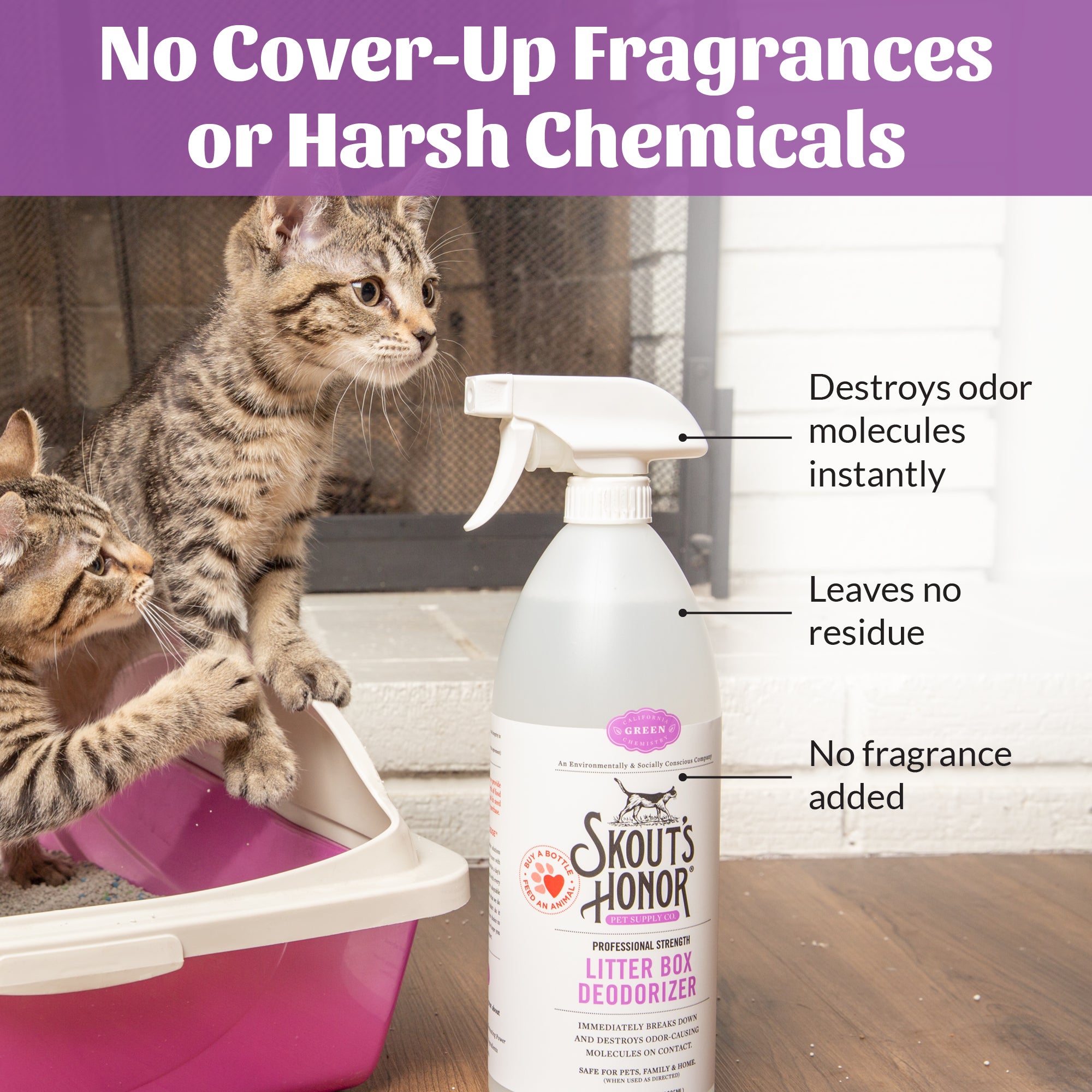
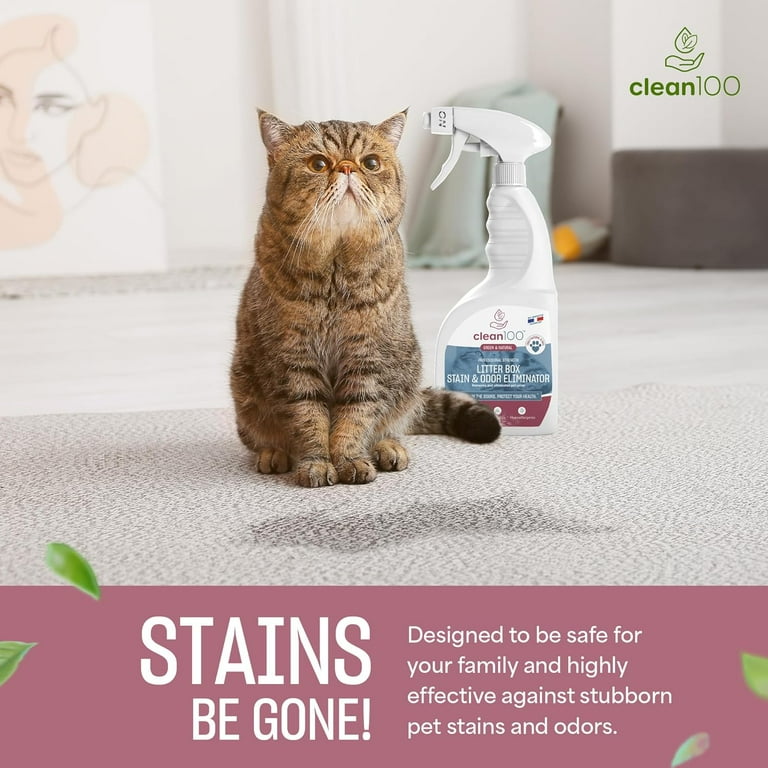
- Sprays and Mists:Spray on or near the litter box for quick odor removal.
- Odor-Absorbing Granules:Place granules around the box to trap bad smells effectively.
- Scented Litter Additives:Add these to regular litter to improve scent and control moisture.
Litter Box Placement Tips
Proper placement of your cat’s litter box plays a key role in reducing odors. Finding the right spot helps keep smells under control and makes cleaning easier. A well-chosen location supports your cat’s comfort and encourages regular use of the box. Consider your home layout and your pet’s habits when deciding where to place the litter box.
Ideal Locations
- Choose quiet, low-traffic areas to give cats privacy.
- Avoid placing the box near food or water bowls.
- Bathrooms or laundry rooms often work well for litter boxes.
- Keep boxes away from direct sunlight to prevent litter from drying out.
- Easy access helps your cat find and use the box quickly.
Ventilation Importance
Good airflow reduces trapped odors and keeps the space fresh. Proper ventilation helps moisture escape, preventing buildup of smell. Avoid cramped or sealed spaces that hold in odors. Open windows or use exhaust fans to improve air circulation near the litter box. This simple step makes a big difference in controlling litter box smells.

Credit: www.skoutshonor.com
Additional Freshness Hacks
Keeping your cat’s litter box smelling fresh can sometimes feel like a never-ending battle. Beyond regular cleaning, there are clever tricks that can boost freshness and keep odors under control. These additional hacks are easy to try and can make a noticeable difference in your home’s air quality.
Using Baking Soda
Baking soda is a simple ingredient that works wonders at neutralizing odors. Sprinkle a thin layer at the bottom of the litter box before adding the litter. This helps absorb moisture and reduces the smell dramatically.
You can also mix a small amount of baking soda into the litter itself. Just be careful not to add too much, as it might irritate your cat’s paws. Have you noticed how a pinch of baking soda can refresh a musty closet? It works similarly with the litter box.
Activated Charcoal Benefits
Activated charcoal is another powerful odor absorber you might want to try. Placing a small pouch of activated charcoal near the litter box can trap unpleasant smells before they spread.
This natural deodorizer doesn’t mask odors but actually eliminates them. It’s safe, non-toxic, and lasts for weeks before needing replacement. Consider this option if you want a low-maintenance way to keep your space smelling clean.
Regular Litter Replacement
Even the best deodorizing tricks won’t work if the litter is old and saturated. Changing the litter completely at least once a week is crucial to controlling smell. Don’t just top it off; fully replace the litter to remove trapped odors.
Some cat owners find that switching to clumping litter helps with easier cleaning and odor control. How often do you replace your cat’s litter? Experimenting with different schedules might reveal the best routine for your household.
Credit: www.walmart.com
Frequently Asked Questions
How Often Should I Clean The Cat Litter Box?
Clean the litter box daily by scooping waste. Replace all litter and wash the box weekly to prevent odors and bacteria buildup.
What Type Of Litter Reduces Odor Best?
Clumping clay litter and silica gel crystals are excellent at controlling odor. Natural litters with baking soda also help absorb smells effectively.
Can Baking Soda Really Eliminate Litter Box Smell?
Yes, baking soda neutralizes ammonia and other odors. Sprinkle a small amount under the litter to keep the box smelling fresh longer.
How Can I Deodorize The Litter Box Naturally?
Use activated charcoal or add a few drops of essential oils nearby. Both methods absorb odors without harming your cat.
Conclusion
Keeping your cat’s litter box fresh is simple with regular cleaning. Scoop waste daily to stop smells early. Use good-quality litter that controls odor well. Wash the box often with mild soap and water. Place the box in a well-ventilated area.
Try natural deodorizers like baking soda for extra freshness. These small steps make a big difference in your home’s smell. Enjoy a cleaner, fresher space for you and your cat every day.



Leave a Reply