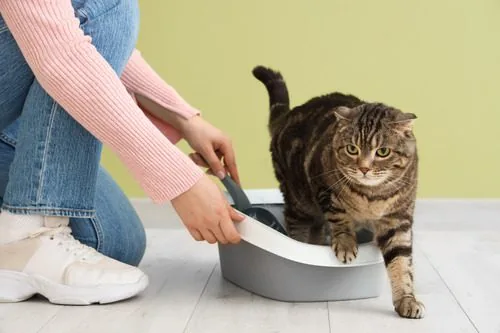
Have you ever come home to find that your cat has pooped outside the litter box? It’s confusing and frustrating, especially when you’ve done everything to keep their space clean.
You might wonder, “Why would my cat suddenly start doing this? ” Understanding the reasons behind this behavior can help you fix the problem quickly and keep your home fresh. You’ll discover the common causes and simple solutions to get your cat back on track.
Keep reading—you’re about to learn what your furry friend is really trying to tell you.
Health Issues
Health issues often cause cats to poop outside their litter box. Illness or pain can change their normal bathroom habits. Recognizing these problems is key to helping your cat feel better and return to usual behavior.
Urinary Tract Problems
Urinary tract infections or blockages cause discomfort during bathroom use. Cats may avoid the litter box to escape pain. Blood in urine or frequent attempts to urinate are common signs. Immediate vet care is important to prevent serious complications.
Digestive Disorders
Digestive problems like constipation or diarrhea upset your cat’s routine. These issues can cause accidents outside the litter box. Watch for symptoms such as straining, loose stools, or vomiting. Diet changes or medication may be needed to restore balance.
Pain And Discomfort
Joint pain or injuries can make entering or exiting the litter box hard. Cats might choose easier spots to relieve themselves. Observe for limping, stiffness, or reluctance to jump. Adjusting the litter box setup can help reduce stress for your cat.
Litter Box Problems
Cats are very particular about their bathroom habits. Problems with the litter box often cause them to poop outside it. Understanding these problems helps fix the issue fast. Poor litter box conditions can make cats avoid using it.
Dirty Litter Box
Cats want a clean place to do their business. A dirty litter box smells bad and feels unpleasant. If the box is not scooped daily, cats may stop using it. Clean the box often to keep your cat happy.
Wrong Type Of Litter
Not all litters suit every cat. Some cats dislike scented or rough-textured litter. They may avoid the box if the litter feels strange. Try different types to find one your cat likes.
Inaccessible Location
The litter box should be easy to reach. If it is in a noisy or busy spot, cats may avoid it. Place the box in a quiet, private area. Make sure your cat can reach it without trouble.
Too Few Litter Boxes
Cats need enough boxes for all pets in the home. A good rule: one box per cat plus one extra. Not enough boxes cause fights or stress. Providing more boxes helps prevent accidents outside the box.
Behavioral Causes
Stress or changes in the home can make cats avoid their litter box. Sometimes, they act out to show discomfort or anxiety. Boredom or lack of attention might also cause this behavior.
Understanding the behavioral causes behind a cat’s decision to poop outside the litter box can be a game-changer for pet owners. A cat’s behavior is often a direct reflection of its emotional state and environment. Identifying these triggers can help you address and resolve the issue efficiently.Stress And Anxiety
Cats are sensitive creatures, and stress can significantly impact their bathroom habits. Even minor changes in their environment, like a new piece of furniture or a loud noise, can cause anxiety. When stressed, your cat might avoid the litter box, as it no longer feels like a safe haven. Consider your own experiences with stress. Have you ever found it difficult to focus or stick to routines? Your cat might feel the same way, translating its stress into litter box avoidance. Observing your cat’s behavior and identifying stressors can be the first step to helping it feel secure again.Territorial Marking
Cats are territorial by nature. When they feel their space is threatened, they may mark their territory by pooping outside the litter box. This behavior is especially common in multi-cat households or if stray cats are visible outside. Imagine feeling like your home is under siege—your cat feels the same with any perceived threat. Providing separate litter boxes for each cat and ensuring their territory feels secure can alleviate this behavior. Have you noticed your cat acting out when a new animal enters the home? This might be your cue to reassess territory-sharing dynamics.Changes In Routine
Cats thrive on routine, and any disruption can lead to unexpected behavior, including litter box avoidance. A change in feeding time, new household members, or even a different cleaning schedule can throw your cat off balance. Reflect on how you adapt to changes. Would a sudden shift in your daily routine affect your mood or behavior? Cats can react similarly. Keeping a consistent schedule and gradually introducing changes can help your cat adjust more comfortably. Understanding these behavioral causes not only helps in addressing the immediate issue but also strengthens the bond you share with your feline friend. How will you use this insight to improve your cat’s environment?
Credit: www.aol.com
Environmental Factors
Environmental changes can confuse cats and affect their bathroom habits. Cats rely on stable surroundings for comfort and security. Any change in their environment can make them avoid the litter box. Stress and anxiety often lead to pooping outside the box. Understanding these factors helps solve the problem quickly.
New Pets Or People
Introducing a new pet or person can disrupt a cat’s routine. Cats may feel threatened or stressed by unfamiliar faces. They might mark territory by pooping outside the litter box. This behavior signals discomfort or a need for attention. Give your cat time to adjust and provide safe spaces.
Moving Or Renovations
Moving to a new home or home renovations can cause stress. Strange smells, noises, and new layouts confuse cats. They may stop using the litter box to show distress. Keep the litter box in a quiet, consistent spot. Maintain normal routines to help your cat feel secure.
Outdoor Access Changes
Changes in outdoor access affect a cat’s bathroom habits. If a cat used to go outside, losing this access can cause accidents indoors. New outdoor threats like other animals or loud noises may keep a cat inside. Provide alternative play and stimulation to reduce stress. This helps your cat accept the new routine.
Preventive Measures
Preventing a cat from pooping outside the litter box requires consistent care and attention. Understanding the causes helps with better prevention. Focus on health, hygiene, and environment to keep your cat comfortable and happy.
Regular Vet Checkups
Schedule vet visits regularly to catch health issues early. Some medical problems cause litter box avoidance. Urinary tract infections or digestive issues can make your cat uncomfortable. Early diagnosis helps prevent accidents outside the box. Keep vaccinations and parasite control up to date. Healthy cats are more likely to use the litter box consistently.
Litter Box Maintenance
Clean the litter box daily to remove waste and odors. Cats dislike dirty boxes and may avoid them. Use unscented, clumping litter for easy cleaning. Provide enough litter boxes—one per cat plus one extra. Place boxes in quiet, accessible spots. Avoid areas with loud noises or heavy traffic. Regular maintenance encourages your cat to use the box without hesitation.
Stress Reduction Techniques
Stress can cause cats to avoid the litter box. Create a calm and stable environment at home. Offer hiding spots and vertical spaces for your cat. Play and interact daily to reduce anxiety. Use pheromone diffusers to help relax your cat. Avoid sudden changes in routine or environment. A relaxed cat feels safe and is more likely to use the litter box properly.
Credit: vetic.in
When To Seek Professional Help
Knowing when to seek professional help is crucial if your cat suddenly starts pooping outside the litter box. Sometimes, the issue is more than just a behavioral quirk. Acting promptly can prevent further stress for both you and your pet.
Persistent Issues
If your cat continues to eliminate outside the litter box despite your best efforts to clean and provide multiple boxes, it’s time to get expert advice. Persistent issues can signal deeper problems that need attention beyond home remedies.
Ask yourself: Have you tried changing the litter type, cleaning the boxes more often, or moving them to quieter spots? If these changes don’t help, don’t ignore the problem. Professional guidance can help uncover hidden causes.
Signs Of Illness
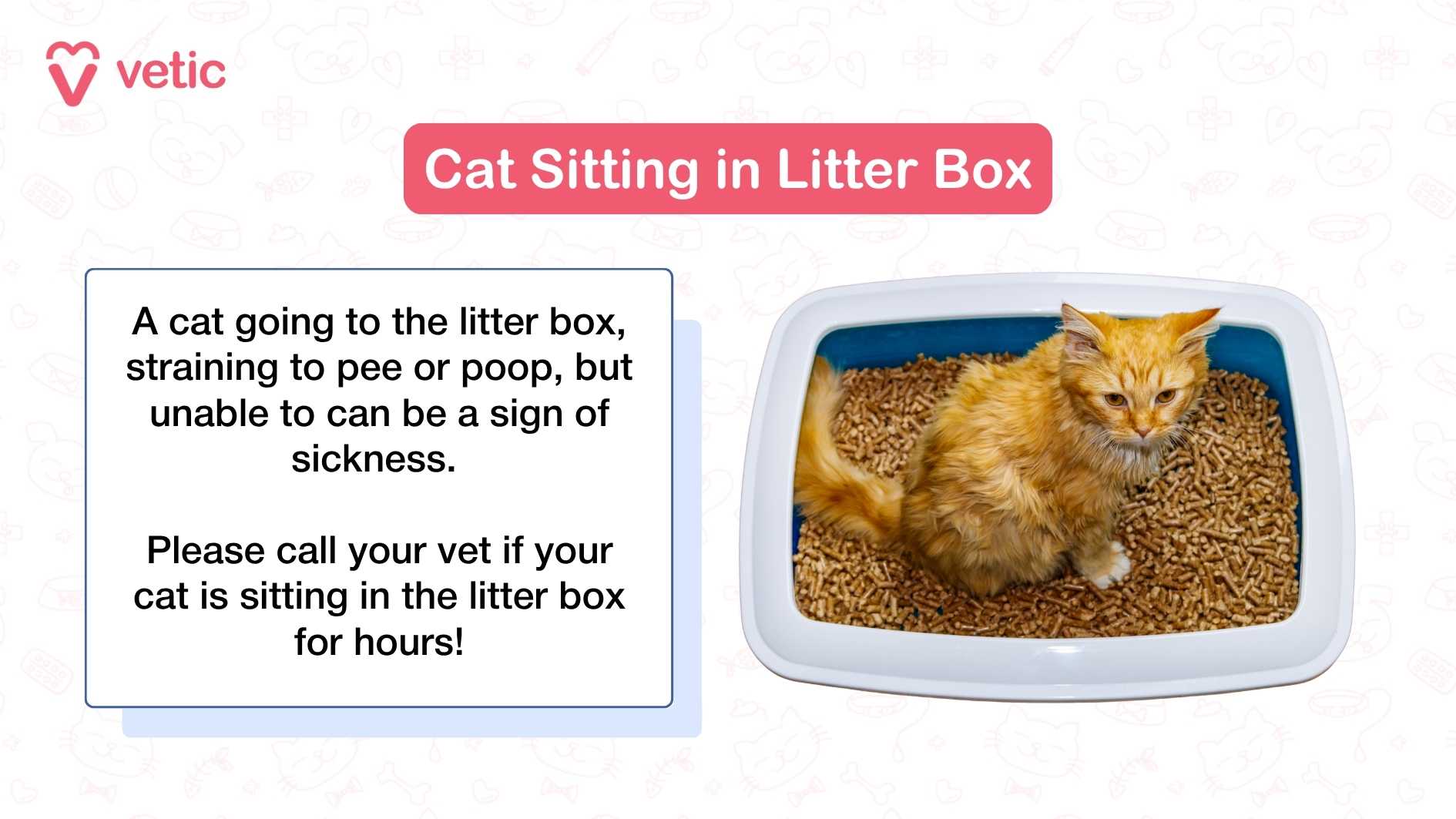
Health problems often cause litter box avoidance. Look for signs like straining to poop, blood in the stool, or a sudden change in appetite or behavior.
If your cat seems lethargic or is vomiting alongside the pooping issue, seek a veterinarian’s help immediately. Early diagnosis of urinary tract infections, gastrointestinal issues, or arthritis can save your cat discomfort and your home from mess.
Behavioral Therapy Options
Sometimes, your cat’s problem stems from anxiety or stress rather than health issues. A professional animal behaviorist can help you identify triggers and create a tailored plan to manage your cat’s behavior.
Behavioral therapy might include:
- Environmental enrichment to reduce boredom
- Positive reinforcement training
- Stress reduction techniques like pheromone diffusers
Would you consider consulting a behaviorist if your cat’s litter box habits impact your daily life? Getting expert help can restore peace and improve your cat’s well-being.
Credit: www.petmd.com
Frequently Asked Questions
Why Is My Cat Pooping Outside The Litter Box?
Cats may poop outside the litter box due to medical issues, stress, or litter box problems. Check for infections or digestive problems first. Also, ensure the box is clean, accessible, and in a quiet spot to encourage proper use.
Can Stress Cause A Cat To Avoid The Litter Box?
Yes, stress can cause cats to poop outside the litter box. Changes in environment, new pets, or loud noises can trigger anxiety. Reducing stress through calm surroundings and consistent routines helps prevent inappropriate elimination.
How Does Litter Box Cleanliness Affect Cat Behavior?
Cats prefer a clean litter box. Dirty or smelly boxes discourage use, leading cats to seek cleaner areas. Regular scooping and complete litter changes improve hygiene and encourage litter box use.
Could A Medical Problem Cause Litter Box Issues?
Medical problems like urinary tract infections, constipation, or arthritis can cause litter box avoidance. If your cat suddenly changes habits, consult a vet for diagnosis and treatment to address any health concerns.
Conclusion
Cats may poop outside the litter box for many reasons. Health issues, stress, or a dirty box can cause this behavior. Changing the litter type or box location might help. Always watch your cat’s habits closely. Visit a vet to rule out medical problems.
Patience and care can fix this problem over time. Understanding your cat’s needs is key. A happy cat uses the litter box again. Keep trying and stay calm. Your cat will feel better soon.



Leave a Reply