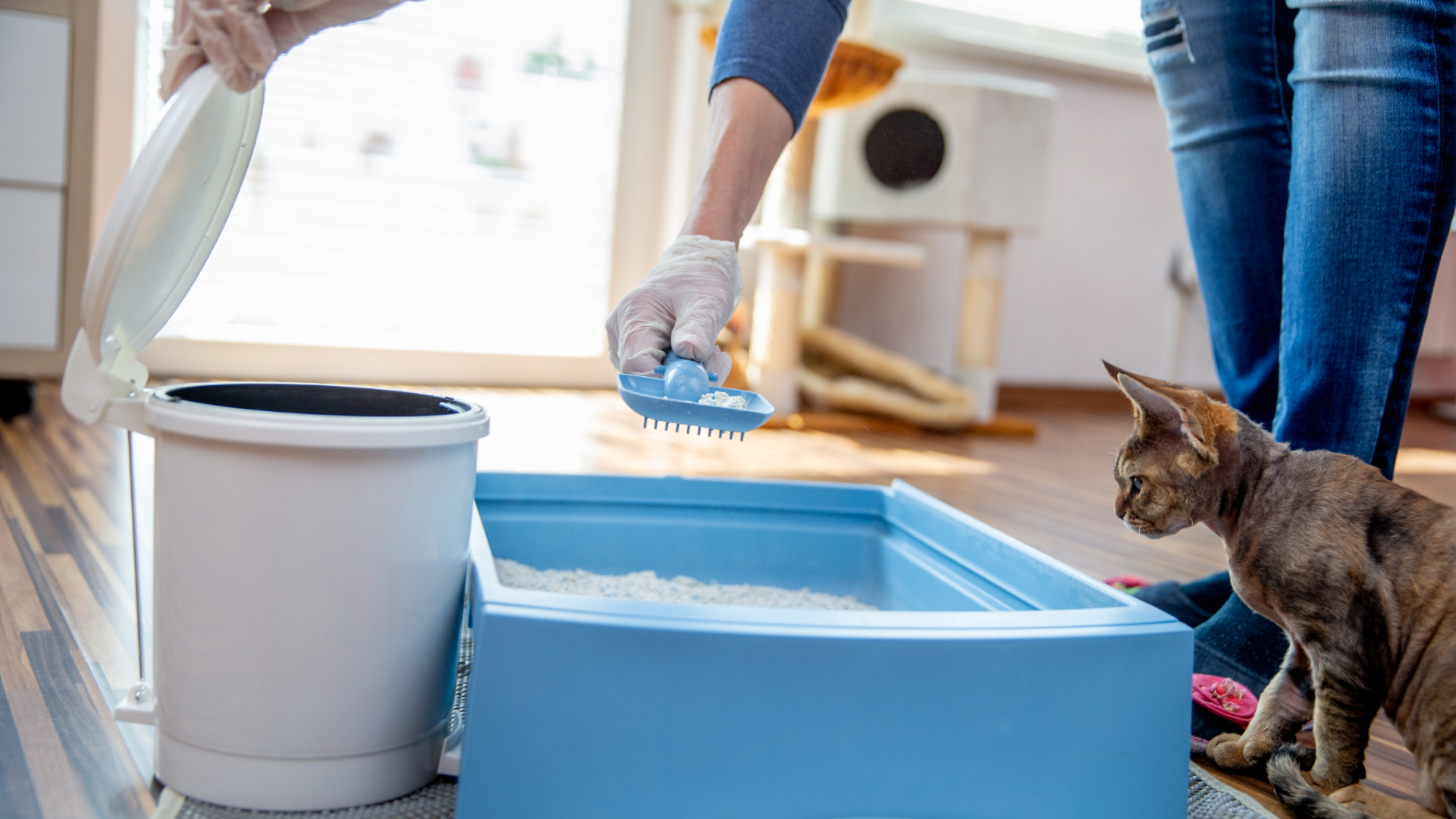
Have you ever found your cat sleeping in her litter box and wondered why? It’s confusing and a bit worrying, right?
Your furry friend’s litter box is usually a place for business, not rest. So when she curls up there, it sends a clear signal that something isn’t quite right. You’ll discover the surprising reasons behind this strange behavior and what you can do to help your cat feel safe and comfortable again.
Keep reading—understanding your cat’s actions could make all the difference to her health and happiness.
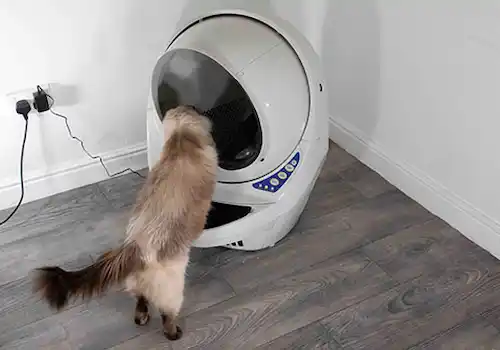
Credit: www.yourcat.co.uk
Common Cat Sleeping Spots
Cats have favorite spots to rest that feel safe and comfortable. These places give them warmth and quiet. Understanding common cat sleeping spots helps explain unusual behaviors like sleeping in a litter box.
Typical Places Cats Choose
- Sunny windowsills where warmth is abundant
- Soft cushions or blankets for comfort
- High shelves or cat trees for safety and views
- Boxes or small enclosed spaces for security
- Near their owners for companionship and trust
Why Cats Like Cozy Spaces
Cats seek warmth and a feeling of safety. Cozy spaces help them relax deeply. Small, enclosed areas reduce stress by hiding them from view.
Soft textures protect their bodies and keep them snug. Quiet spots allow uninterrupted sleep, which is vital for their health. This need explains why cats sometimes pick odd places like the litter box, especially if other spots feel unsafe or uncomfortable.

Credit: www.reddit.com
Reasons For Litter Box Sleeping
Cats sometimes choose strange places to rest. One unusual spot is the litter box. Understanding why your cat sleeps there helps ensure her well-being. Several reasons explain this behavior, ranging from comfort to health issues. Recognizing these can help you respond properly and keep your cat happy.
Seeking Safety And Comfort
The litter box can feel like a safe hideout. Cats like enclosed spaces where they can see without being seen. The box offers a quiet place away from noise or activity. It may remind your cat of a cozy den. This sense of security encourages her to rest there.
Avoiding Stress Or Anxiety
Stress can make cats act differently. Fear of other pets or changes in the home causes anxiety. The litter box might become a refuge from these feelings. It is a small, familiar spot in a confusing environment. Your cat may sleep there to calm down and feel secure.
Health Concerns And Discomfort
Illness can drive cats to odd behaviors. Pain or discomfort may make moving difficult. The litter box is close and easy to access. Cats with urinary problems often stay near their box. Watch for signs like frequent trips or straining. A vet check is important if health issues seem likely.
Temperature Preferences
The litter box can offer a cool or warm surface. Cats seek temperature comfort like people do. In hot weather, the litter feels cool and refreshing. In cooler times, the box may be in a warm spot. Your cat’s choice may reflect her need for a pleasant temperature.
Medical Issues To Consider
When you discover your cat sleeping in her litter box, it might be more than just a quirky behavior. Cats often communicate discomfort or illness through their actions. Understanding the medical issues behind this habit can help you address your pet’s needs more effectively.
Urinary Tract Problems
Cats with urinary tract issues may seek the litter box for relief. It’s a place they associate with urination, so if they’re struggling, they may stay close by. Watch for frequent trips to the litter box with little output, as this could indicate a urinary tract infection or blockage.
Pain Or Illness Signs
When a cat is unwell, she might choose the litter box as a secure, familiar space. Look for other signs of illness such as lethargy, changes in appetite, or vocalizing more than usual. A cat in pain will often seek solace in places that provide comfort and solitude.
Behavioral Changes Linked To Health
Health-related behavioral changes can manifest in various ways, including unusual sleeping habits. If your cat is suddenly using the litter box as a bed, it might be time to assess her overall health. Have you noticed any other odd behaviors lately?
Observing these signs can help you determine if a vet visit is needed. Understanding your cat’s behavior is key to ensuring her health and happiness.
Environmental Factors
Environmental factors play a crucial role in your cat’s behavior, especially when she chooses to sleep in her litter box. Changes in her surroundings or the conditions of her litter box might make her feel insecure or stressed. Understanding these elements can help you make her environment more comfortable and inviting.
Changes At Home
Has there been a recent move, renovation, or addition of new family members or pets? Such changes can unsettle your cat, prompting her to seek out a familiar or safe space. The litter box, often associated with a private and enclosed area, might become her refuge during these times.
Think about any loud noises or shifts in routine that might be bothering her. Cats are creatures of habit, and even small disruptions can make them anxious. Observing her closely during these changes can give you clues about her comfort level.
Litter Box Conditions
Is the litter box clean and well-maintained? Cats are very particular about cleanliness, and a dirty or smelly litter box can cause her to avoid using it—or paradoxically, to stay inside it for safety. Make sure to scoop daily and change the litter regularly.
Also, consider the location and type of litter box you provide. If it’s in a noisy or high-traffic area, your cat might feel exposed and stressed. Sometimes, simply moving the box to a quieter spot or switching to a covered box can make a big difference.
Other Pets And Household Dynamics
Do you have other pets that might be intimidating your cat? A dominant dog or another territorial cat can make her feel threatened, causing her to hide in the litter box. This behavior is a signal that she needs a safe space where she won’t be disturbed.
Observe interactions between your pets carefully. If tensions run high, providing multiple litter boxes and separate resting areas can help reduce stress. Remember, your cat’s choice to sleep in the litter box might be her way of coping with household dynamics.
Steps To Help Your Cat
If your cat has chosen the litter box as her favorite sleeping spot, it’s a clear sign she needs some help. Understanding what drives this behavior helps you create a happier, safer environment for her. Below are practical steps to guide you in making changes that can improve your cat’s comfort and well-being.
Improving Litter Box Setup
Check the size and cleanliness of your cat’s litter box first. A cramped or dirty box can make her avoid using it properly, but it can also become a strange refuge if she feels stressed. Try adding a larger box or one with lower sides to give her easier access.
Use unscented, clumping litter to reduce odors and discomfort. Clean the box daily and fully change the litter weekly. Consider placing multiple litter boxes in quiet, low-traffic areas to give your cat options.
Creating Safe Resting Areas
Your cat may be seeking safety and quiet. Provide cozy beds or soft blankets in secluded corners of your home. Cats love small, enclosed spaces—think of a covered cat bed or a cardboard box with a soft cushion inside.
Keep these spots away from loud noises, heavy foot traffic, and other pets if possible. You might notice your cat spending more time in these areas once she feels secure. Do you have a favorite spot where your cat relaxes? Try recreating its atmosphere elsewhere.
When To See A Veterinarian
If your cat continues sleeping in the litter box despite your efforts, a health issue may be involved. Conditions like urinary tract infections or arthritis can cause discomfort that drives this behavior. Don’t wait—schedule a vet visit to rule out medical problems.
Note any additional signs like changes in appetite, grooming, or litter box habits. Your vet can help determine if pain or illness is affecting your cat’s choices. Have you noticed any other unusual behaviors that might need professional attention?
:strip_icc()/a0145-000022-56a111c63df78cafdaa9170e.jpg)
Credit: www.thesprucepets.com
Frequently Asked Questions
Why Does My Cat Choose To Sleep In The Litter Box?
Cats sleep in litter boxes when stressed, sick, or seeking comfort. It can signal anxiety or a health problem. Monitoring behavior and consulting a vet helps identify causes and ensure your cat’s well-being.
Can Illness Cause Cats To Sleep In Litter Boxes?
Yes, illnesses like urinary tract infections or pain often make cats rest in litter boxes. This behavior helps them feel secure and reduces discomfort. Veterinary checkups are essential to diagnose and treat any health issues promptly.
How Can I Stop My Cat From Sleeping In The Litter Box?
To stop this behavior, keep the litter box clean and private. Provide cozy sleeping spots and reduce stress triggers. If the behavior persists, consult a vet to rule out medical problems.
Is It Normal For Cats To Sleep In Their Litter Box?
Sleeping in a litter box is uncommon and often indicates stress, discomfort, or illness. It’s best to observe your cat’s overall behavior and seek veterinary advice if this habit continues.
Conclusion
Cats sleeping in their litter box can seem strange. It might mean they feel scared or sick. Check their health and comfort first. Make sure their space is clean and quiet. Give your cat love and attention every day. Watch closely for any changes in behavior.
Understanding your cat helps keep them happy and safe. Small actions can make a big difference. Trust your instincts and act with care. Your cat will thank you with purrs and trust.



Leave a Reply