If you’ve ever wished your cat would chew on toys instead of your furniture or cords, you’re not alone. Getting your furry friend to enjoy chewing toys can protect your belongings and keep your cat happy and healthy.
But how do you make chewing fun and natural for a picky feline? You’ll discover simple, effective tips that can turn your cat into a toy-chewing pro. Keep reading to find out how to make chew toys irresistible for your cat—and say goodbye to unwanted chewing habits for good!
Why Cats Chew Toys
Cats chew toys for many reasons. Chewing helps them stay active and happy. It also satisfies their natural urges and keeps their teeth clean. Understanding why cats chew toys can help you choose the right ones for them. It also helps you encourage this healthy behavior.
Natural Instincts
Cats have a strong urge to bite and chew. This comes from their wild ancestors. Chewing helps them practice hunting skills. It also keeps their jaws strong. Toys simulate prey, making playtime exciting and natural.
Dental Health Benefits
Chewing on toys cleans a cat’s teeth. It removes plaque and reduces tartar buildup. This helps prevent gum disease and bad breath. Hard and textured toys work best for dental care. Regular chewing supports overall mouth health.
Stress Relief
Chewing helps cats relax and feel calm. It reduces anxiety and boredom. Cats often chew when they feel stressed or lonely. Toys provide a safe outlet for these feelings. This keeps cats mentally balanced and content.
Choosing The Right Toys
Choosing the right toys is key to encouraging your cat to chew. Not all toys are created equal, and your cat’s preferences and safety should guide your selection. Understanding what makes a toy appealing can turn chewing from a rare behavior into a fun, regular activity.
Safe Materials
Your cat’s health depends on what they chew, so prioritize toys made from non-toxic materials. Look for natural rubber, untreated wood, or food-grade silicone. Avoid toys with small parts that can break off and become choking hazards.
Think about your cat’s chewing strength. Some cats bite hard, so fragile plastics or thin fabrics might not last. Have you checked the labels on your cat’s toys to confirm they’re free from harmful chemicals?
Size And Texture
Size matters. Toys that are too small can be swallowed, while too large may be hard to carry or chew. Aim for toys that fit comfortably in your cat’s mouth and paws.
Texture can make a big difference in attracting your cat’s attention. Soft plush toys might appeal to gentle chewers, while tougher, ridged surfaces can satisfy cats that need more resistance. Observe how your cat interacts with different textures—do they prefer smooth or rough surfaces?
Interactive Features
Toys that move or make noise can trigger your cat’s hunting instincts and keep them engaged. Battery-operated toys that wiggle or toys with bells often encourage chewing and playing at the same time.
Interactive toys also give you a chance to bond with your cat by playing together. Have you noticed your cat’s reaction to toys that respond to their touch? Sometimes, adding a little catnip can boost their interest as well.
Encouraging Playful Chewing
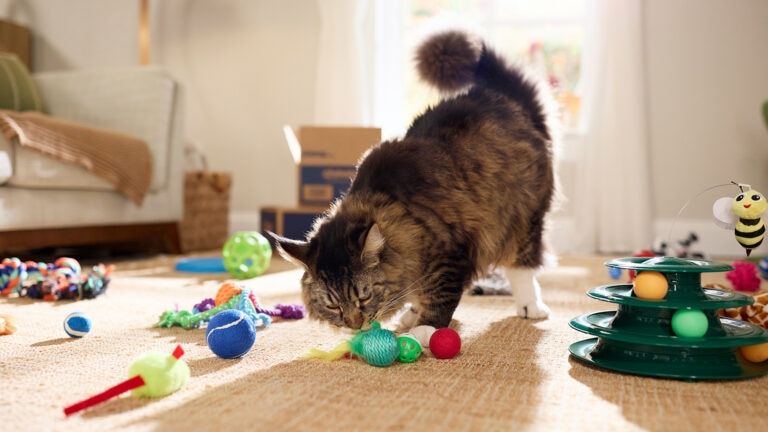
Offer toys with different textures to spark your cat’s interest. Gently wiggle or toss the toy to invite playful chewing. Praise your cat softly when they nibble to encourage more chewing.
Encouraging your cat to chew toys can prevent unwanted biting. It also helps with dental health and boredom. Cats, by nature, are curious and playful. Therefore, introducing toys they can chew is beneficial. Below are some simple methods to encourage playful chewing.Using Catnip And Treats
Catnip can make toys more appealing. Sprinkle some on the toys. This makes them more enticing. You can also hide treats inside chew toys. Your cat will chew to get the treat. This engages them and makes chewing rewarding.Rotating Toys Regularly
Cats can get bored with the same toys. Rotate their toys weekly. This keeps their interest alive. New toys feel exciting and fresh. It simulates the thrill of hunting. A variety of textures also keeps them engaged.Creating Play Sessions
Schedule daily play sessions. Use chew toys during these times. Encourage your cat to bite and chew. Play together for 10 to 15 minutes. This strengthens your bond and makes playtime enjoyable.Avoiding Undesired Chewing Habits
Cats sometimes chew on things they should not. This can cause damage and stress. Avoiding bad chewing habits helps keep your home safe. It also guides your cat to use toys properly. A few simple steps can help redirect their chewing instincts.
Protecting Household Items
Keep items out of your cat’s reach. Store cables and small objects safely. Use covers on furniture legs and corners. Protect things that attract your cat’s chewing habit. This prevents accidental damage and keeps your cat safe.
Redirecting Attention
Offer your cat a variety of chew toys. Place toys where your cat likes to chew. Swap toys regularly to keep interest high. When your cat starts chewing wrong things, gently move them to a toy. This teaches your cat what is okay to chew.
Positive Reinforcement
Reward your cat when they chew toys. Use treats, petting, or praise to encourage good behavior. Avoid punishing your cat for chewing wrong items. Positive rewards help your cat learn faster. Consistency makes chewing toys a fun habit.
When To Consult A Vet
Knowing when to consult a vet about your cat’s chewing habits is important. Sometimes, a cat’s refusal to chew toys can signal health or behavior problems. Early vet visits can help catch issues before they get worse. Watch your cat closely for any signs that need professional attention.
Signs Of Dental Issues
Dental problems often stop cats from chewing. Look for:
- Bad breath that won’t go away
- Drooling more than usual
- Bleeding or swollen gums
- Difficulty eating or dropping food
- Visible tartar or broken teeth
These signs may mean pain or infection. A vet can check and treat dental problems fast.
Behavioral Concerns
Chewing refusal can also show stress or anxiety. Notice if your cat:
- Avoids playtime or hides often
- Acts aggressive or overly shy
- Has sudden changes in appetite
- Overgrooms or scratches a lot
Behavior changes can point to deeper issues. A vet can recommend ways to help your cat feel better.
Professional Advice
Vets offer expert advice on toy chewing problems. They can:
- Perform a full health check
- Suggest safe and fun toy options
- Recommend training or behavior support
- Prescribe medicine if needed
Trusting a vet ensures your cat stays happy and healthy.
Frequently Asked Questions
How Do I Encourage My Cat To Chew Toys?
Offer toys with different textures to spark interest. Use treats or catnip to reward chewing. Rotate toys regularly to keep your cat engaged and curious.
What Types Of Toys Are Best For Cat Chewing?
Soft rubber or silicone toys are safe and durable. Avoid small parts that could be swallowed. Look for toys designed specifically for cats to ensure safety.
Can Chewing Toys Improve My Cat’s Dental Health?
Yes, chewing helps reduce plaque and tartar buildup. It also massages gums and strengthens teeth. Regular chewing can support overall oral hygiene in cats.
How Can I Make Toys More Appealing To My Cat?
Add catnip or treats inside toys to attract attention. Play interactive games involving the toy. Praise and reward your cat when they chew the toy.
Conclusion
Getting your cat to chew a toy takes patience and fun. Try different toys to find what your cat likes best. Play with your cat often to keep them interested. Use treats and praise to encourage chewing. Avoid forcing your cat; let them explore at their own pace.
Watching your cat enjoy their toy makes it worth the effort. Keep trying, and soon your cat will love chewing their toy. Enjoy the process and bond with your pet along the way.


Leave a Reply