Do you want to keep your cat happy and active without spending a fortune on expensive toys? Building toys for your cat at home is easier than you think, and it can be a fun way to bond with your furry friend.
Imagine watching your cat chase, pounce, and play with something you made just for them. You’ll discover simple, creative ideas to make safe and exciting toys that your cat will love. Ready to bring more joy and energy into your cat’s life?
Let’s get started!
Benefits Of Diy Cat Toys
Making your own toys for cats brings many rewards. It saves money, lets you tailor toys to your cat’s taste, and creates moments to connect deeply. Each benefit improves your cat’s happiness and health.
Cost Savings
Buying cat toys can add up fast. DIY toys use simple, cheap materials you already have. Old socks, paper rolls, and string make fun playthings. This lowers expenses without losing quality or fun.
Customization Options
You know what your cat likes best. DIY lets you pick colors, textures, and shapes that fit your cat’s style. Tailor toys for age, size, and play habits. This keeps your cat interested and active longer.
Bonding Opportunities
Building toys together strengthens your bond. Cats notice your effort and spend more time near you. It opens chances for play and trust. Sharing these moments improves your relationship every day.
Safe Materials For Cat Toys
Choosing the right materials for your cat’s toys is crucial for their safety and enjoyment. Cats love to chew, scratch, and pounce, so the materials you pick must be non-toxic, durable, and free from choking hazards. Focusing on these aspects helps you create toys that keep your feline friend happy and healthy.
Non-toxic Fabrics
Always use fabrics that are free from harmful chemicals and dyes. Natural cotton, wool, and felt are great choices because they are soft and safe if your cat decides to nibble. Avoid synthetic materials that might contain toxic substances or cause irritation.
Think about your own cat’s reaction to different textures. I once used a bright polyester fabric for a toy, and my cat immediately lost interest, probably because it felt unnatural. Your cat’s preference can guide you toward safer, more appealing fabrics.
Durable Components
Durability is key since cats can be rough with their toys. Use strong stitching and reinforced seams to prevent stuffing or small parts from coming loose. Thick threads and double stitching can make a big difference in how long the toy lasts.
Consider materials like tightly woven fabrics and sturdy felt. I found that toys made with these materials survived multiple play sessions without falling apart. Would you rather fix toys frequently or build something that lasts? Durable components save you time and keep your cat safe from ingesting loose bits.
Avoiding Small Parts
Small parts like buttons, beads, or googly eyes might look cute but can be dangerous if swallowed. Instead, use embroidery or fabric paint to add details. This reduces the risk of choking or intestinal blockage.
Have you ever seen a cat playing with a toy that had a tiny part come off? It’s stressful and dangerous. Safe design means thinking ahead to what might come loose and choosing alternatives that keep your cat protected during play.
Simple Toys From Household Items
Simple toys made from household items provide fun and safe play for cats. They save money and reduce waste. Cats enjoy toys with different textures and shapes. These toys stimulate their hunting instincts and keep them active.
Paper Ball Toys
Paper balls are quick and easy to make. Use plain paper or recycled newspaper. Crumple the paper into a small ball. Make sure it is not too big to swallow. Toss it for your cat to chase and bat around. Cats love the sound and feel of paper balls.
Cardboard Scratchers
Cardboard scratchers satisfy your cat’s need to scratch. Cut thick cardboard into strips or layers. Glue or stack the pieces together for durability. Place the scratcher on the floor or lean it against a wall. Your cat will enjoy digging claws into the rough surface. It protects your furniture and gives cats exercise.
Sock Catnip Toys
Old socks become cozy toys for cats. Fill a clean sock with dry catnip and soft stuffing. Tie the open end tightly with a string. The catnip scent attracts cats and encourages play. Cats like to kick, bite, and carry these soft toys. Replace the catnip regularly to keep the toy fresh.
Interactive Toys To Stimulate Cats
Interactive toys are essential for keeping your cat mentally sharp and physically active. They encourage natural hunting behaviors and prevent boredom, which can lead to unwanted habits. By building toys that engage your cat’s senses and curiosity, you create a fun and enriching environment right at home.
Feather Wands
Feather wands are simple but incredibly effective. Use a sturdy stick or dowel as the base, and attach colorful feathers with non-toxic glue or thread. The fluttering feathers mimic the movement of birds, instantly grabbing your cat’s attention.
Try waving the wand in quick, unpredictable patterns to challenge your cat’s reflexes. You’ll notice your cat pouncing, swatting, and leaping, which provides excellent exercise. Have you seen how even shy cats become hunters with just a feather wand?
Laser Pointers
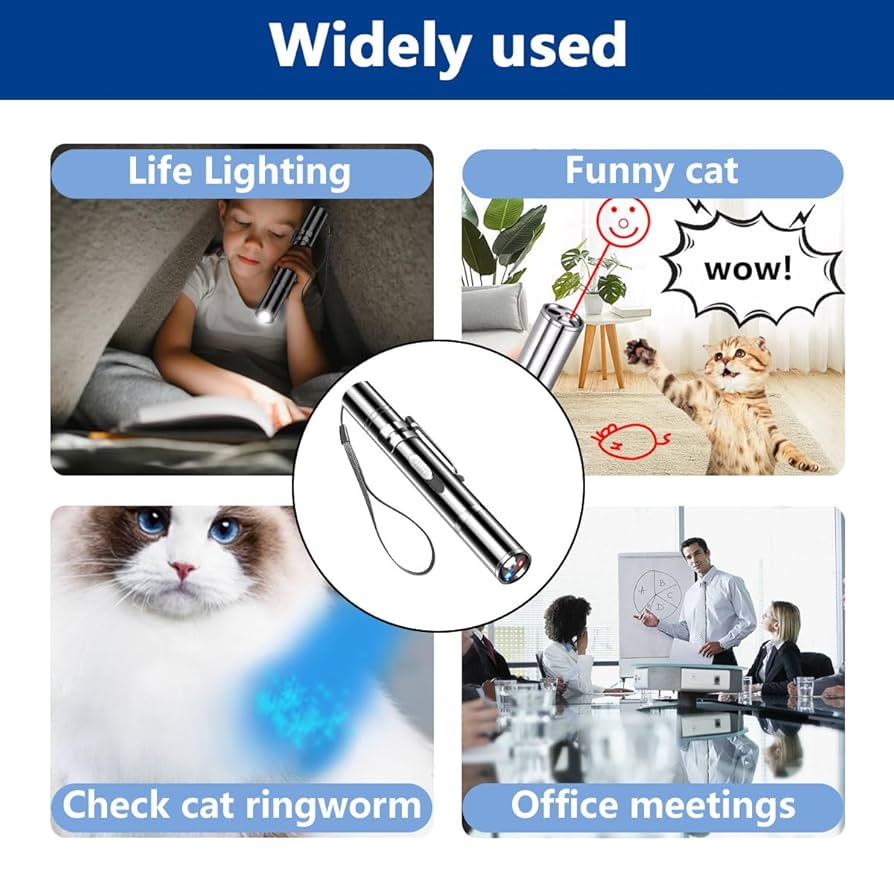
Laser pointers can turn your living room into a thrilling chase zone. To build one, modify a small flashlight with a laser diode, ensuring safety by avoiding direct eye contact. The tiny red dot moves fast, triggering your cat’s instinct to chase.
Use the pointer to guide your cat through jumps and quick turns, offering both physical activity and mental stimulation. Just be sure to end the game by pointing the laser at a tangible toy your cat can catch—this avoids frustration. How often do you see your cat so focused and energized?
Treat-dispensing Puzzles
Treat-dispensing puzzles combine playtime with rewarding snacks. Construct a simple puzzle using a plastic bottle with holes cut just big enough for treats to fall out slowly. Your cat must bat or roll the bottle to release the goodies.
This toy encourages problem-solving and slows down eating, which is good for digestion. You can experiment with different puzzle shapes and treat sizes to keep your cat intrigued. What new challenges could you create to keep your cat’s mind sharp?
Building Catnip Toys
Creating catnip toys is simple and fun. Use soft fabric and fill it with dried catnip to attract your cat. Sew the edges tightly for a safe, playful toy your cat will love.
Building catnip toys is a delightful way to engage your feline friend. Cats adore catnip, and homemade toys can be a safe and fun addition. These simple toys can provide endless entertainment for your cat. They are also easy to make at home, even for beginners.Choosing Catnip
Select fresh, high-quality catnip for your toys. Organic catnip is a great choice. It ensures your cat receives the best and safest experience. You can find catnip in pet stores or online. Store it in a cool, dry place to keep it potent.Sewing Small Pillows
Create small fabric pillows to hold the catnip. Use durable, soft fabric that your cat will enjoy. Cut the fabric into small squares or rectangles. Sew three sides of each piece, leaving one side open. Fill the pillow with a small amount of catnip. Sew the last side to close the pillow.Refreshing Catnip
Catnip loses potency over time. Refresh your catnip toys regularly to keep them exciting. Add new catnip by making a small opening in the toy. Fill it with fresh catnip, then sew it shut again. This ensures your cat remains interested in their toys.Creative Play Structures
Creative play structures turn ordinary spaces into exciting adventures for your cat. These builds not only keep your feline friend entertained but also encourage exercise and mental stimulation. You’ll find that crafting these toys can be simple, fun, and tailored exactly to your cat’s personality.
Diy Cat Tunnels
Cat tunnels are fantastic for hiding, pouncing, and zooming around. You can make one using cardboard boxes or flexible fabric tubes. Just make sure the tunnel is wide enough for your cat to pass through comfortably.
Adding multiple entrances and exits keeps your cat curious and engaged. You might even connect several tunnels to create a maze. Have you noticed how your cat reacts when discovering a new passageway? That surprise element can boost their playtime excitement.
Multi-level Towers
Building a multi-level tower offers your cat various heights to explore. Use wooden crates, shelves, or sturdy boxes stacked securely. Each level can have cushions or soft fabric to create cozy resting spots.
Try adding ramps or steps between levels to encourage climbing. Think about your cat’s favorite spots—do they prefer high perches or hidden nooks? Designing around their preferences makes the tower irresistible.
Hanging Toys
Hanging toys invite your cat to jump and swat, providing great exercise. You can suspend feathers, bells, or small balls from a sturdy frame or doorway. Make sure the strings are secure and safe to avoid any hazards.
Rotate the toys regularly to keep your cat’s interest alive. Have you seen how a swaying feather can trigger a playful chase? These simple additions can make a big difference in your cat’s daily activity.
Maintenance And Safety Tips
Keeping cat toys safe and clean is very important. Good maintenance protects your cat from harm. It also helps toys last longer. Regular care makes playtime fun and safe every day.
Regular Inspection
Check toys often for loose parts or damage. Look for sharp edges or small pieces that can break off. Watch out for frayed strings or torn fabric. Remove broken toys right away to avoid choking risks.
Cleaning Toys
Wash toys regularly to remove dirt and germs. Use mild soap and warm water for cleaning. Rinse toys well and let them dry fully before use. Avoid harsh chemicals that can harm your cat.
Replacing Worn Parts
Replace any damaged or worn parts quickly. Use safe materials like non-toxic fabric or sturdy wood. Make sure new parts fit well and do not pose hazards. Keep toys in good shape to keep your cat safe.
Frequently Asked Questions
What Materials Are Safest For Diy Cat Toys?
Use non-toxic, durable materials like felt, cotton, and natural wood. Avoid small parts that can be swallowed. Choose soft fabrics and secure all pieces tightly to ensure your cat’s safety during play.
How Do I Make Interactive Toys For Cats?
Create toys that encourage chasing or pouncing, like feather wands or balls with bells. Use string or elastic for movement. Interactive toys stimulate your cat’s hunting instincts and keep them engaged.
Can Homemade Toys Improve A Cat’s Health?
Yes, DIY toys promote exercise and mental stimulation. Regular play helps maintain a healthy weight and reduces stress. Homemade toys also strengthen the bond between you and your cat.
How Often Should I Replace Homemade Cat Toys?
Inspect toys regularly for wear and tear. Replace or repair damaged toys to avoid choking hazards. Generally, replace toys every few months or sooner if they show damage.
Conclusion
Building toys for cats can be fun and rewarding. You save money and keep your cat active. Simple materials work well and are easy to find. Watch your cat’s reactions to learn what they like. Safety matters, so choose soft and non-toxic items.
Regularly check toys for wear and tear. Creating toys at home lets you bond with your pet. Try different ideas and enjoy the process. Your cat will thank you with playful purrs and energy. Keep crafting and making playtime special every day.

Leave a Reply