Have you ever wondered if your cat actually enjoys being groomed? You might notice your furry friend either purring contentedly or suddenly darting away when you bring out the brush.
Understanding how your cat feels about grooming can make a big difference in keeping them happy and healthy. You’ll discover what grooming means to cats, why some love it while others don’t, and how you can make the experience better for both of you.
Keep reading to unlock the secrets behind your cat’s grooming preferences and build a stronger bond along the way.
Cats And Grooming Habits
Cats have unique grooming habits that reveal a lot about their behavior and social interactions. Understanding these habits can help you better care for your feline friend and decide how to approach grooming sessions. Let’s look at how cats groom themselves and each other.
Self-grooming Behavior
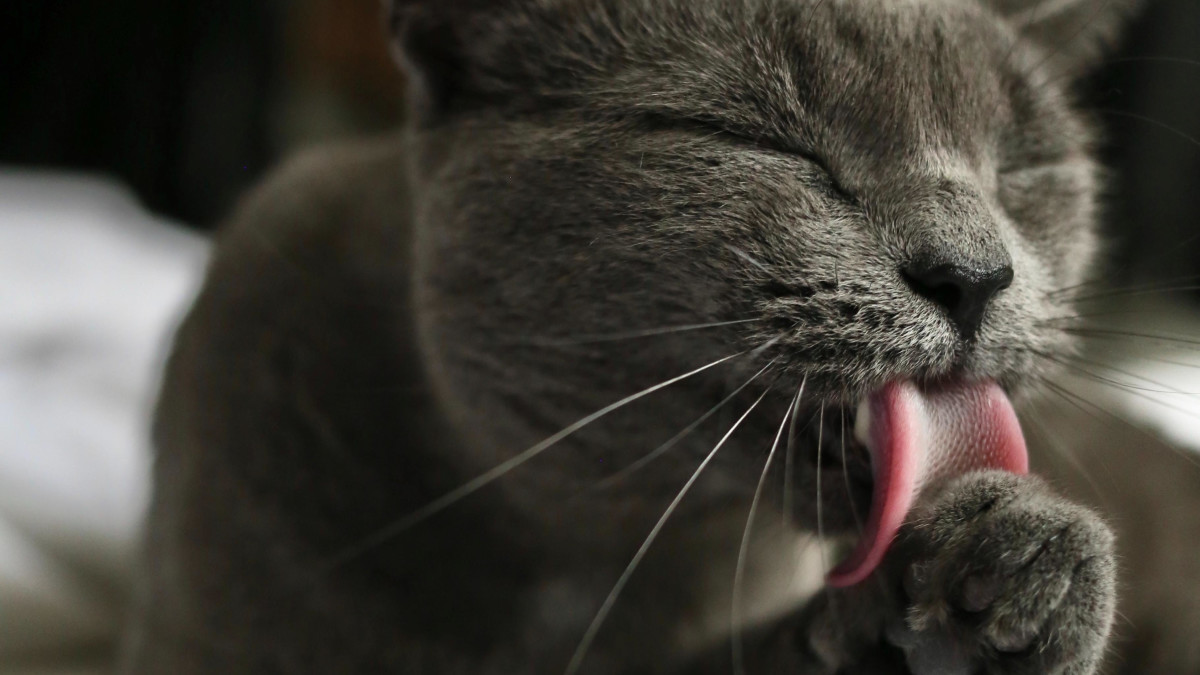
Cats spend a significant part of their day licking their fur to keep clean. This self-grooming helps remove dirt, loose fur, and even parasites. Have you noticed how your cat’s tongue feels rough? That texture is perfect for catching tiny particles and spreading natural oils across their coat.
Self-grooming also plays a role in calming your cat. If you see your cat grooming more than usual, it might be stressed or anxious. Try offering a calm environment or gentle petting to help them relax.
Social Grooming Among Cats
Social grooming, or allogrooming, happens when cats lick each other’s fur. This behavior is not just about cleanliness but also about building bonds. If your cats groom each other, it’s a sign they trust and feel comfortable around one another.
Have you ever seen your cat licking your hand or face? That’s a form of social grooming, showing affection and acceptance. You can encourage this positive behavior by gently petting your cat and creating a strong connection.
Why Grooming Matters For Cats
Grooming is more than just keeping a cat’s fur neat. It plays a key role in their overall well-being. Many cats enjoy the gentle touch and attention during grooming sessions. It helps maintain their health and calm their minds. Understanding why grooming matters can improve your cat’s life.
Health Benefits
Grooming removes dirt, dead hair, and loose fur from a cat’s coat. It prevents hairballs by reducing the amount of fur they swallow. Brushing also helps spot skin problems early, like bumps or parasites. Regular grooming improves blood flow and keeps the skin healthy. It supports a shiny, soft coat and reduces shedding around the house.
Stress Reduction
Many cats find grooming soothing and relaxing. The gentle strokes mimic a mother cat’s care, which helps calm them. Grooming lowers stress hormones and creates a bond between cat and owner. It can ease anxiety, especially in shy or nervous cats. Regular grooming sessions offer comfort and a sense of security.
Cats’ Reactions To Human Grooming
Cats often enjoy gentle brushing, which helps remove loose fur and feels soothing. Some cats may resist grooming, but many show calm and relaxed reactions. Paying attention to their body language helps make grooming a positive experience.
Cats’ reactions to human grooming can vary widely, often leaving us guessing whether our feline friends enjoy the experience or not. Some cats might purr contentedly, seemingly enjoying the attention, while others might squirm away as if they’re being subjected to the worst ordeal of their nine lives. Understanding these reactions can help you make grooming sessions more enjoyable for your cat and less of a chore for you.Positive Responses
When a cat enjoys grooming, it’s a heartwarming experience. You might notice your cat purring softly, leaning into the brush, or even closing their eyes in contentment. These behaviors indicate that your cat feels comfortable and trusts you, turning grooming time into a bonding moment. I once had a cat named Whiskers who would jump onto my lap whenever he saw the brush. He’d purr and knead with his paws, clearly enjoying the sensation. If your cat shows such enthusiasm, it’s a sign you’re doing it right!Signs Of Discomfort
Not all cats enjoy being groomed, and it’s important to recognize the signs of discomfort. Look for cues like twitching tails, flattened ears, or attempts to escape. These are clear indicators that your cat might be feeling stressed or uncomfortable. If your cat reacts negatively, consider the grooming tools you’re using. A brush with hard bristles might feel rough on their skin. Try a softer brush or gently comb through their fur with your fingers to see if that makes a difference. Have you noticed any subtle signs that your cat is uncomfortable with grooming? Adjusting your technique or tools might transform grooming into a more pleasant experience for both you and your cat.Factors Influencing Cats’ Grooming Preferences
Understanding why some cats love grooming while others avoid it can help you make the experience better for your furry friend. Several factors shape how your cat feels about being groomed. These include their age, personality, and how much they trust you.
Age And Personality
Young kittens often enjoy grooming because it reminds them of their mother’s care. However, older cats may become less tolerant due to sensitivity or arthritis. Your cat’s personality also plays a big role—some are naturally more patient and enjoy attention, while others are shy or independent.
If your cat is nervous or easily stressed, try shorter grooming sessions. Notice if they prefer certain spots, like behind the ears or under the chin. You might be surprised how much their preferences vary based on their mood and temperament.
Familiarity And Trust
Trust is the foundation of any grooming session. Cats that feel safe and secure with you are more likely to relax and enjoy being groomed. If your cat is new to your home or has had negative experiences, it might take time to build this trust.
Start by gently petting your cat during calm moments to build positive associations. Pay attention to their body language—ears, tail, and eyes tell you if they are comfortable. Do you think your cat’s trust level could be influencing their grooming reaction?
Best Grooming Practices For Cats
Grooming your cat is more than just keeping them clean—it’s a chance to build trust and keep their coat healthy. Knowing how to groom properly can make the experience enjoyable for both of you. Here are some best grooming practices that can help you create a positive routine.
Choosing The Right Tools
Picking the right grooming tools is key to making your cat comfortable. Soft-bristle brushes work well for short-haired cats, while slicker brushes help remove loose fur from long-haired breeds. Consider a fine-toothed comb for detangling and checking for fleas.
Quality matters—cheap brushes can pull on fur and irritate your cat’s skin. Try different tools to see which your cat prefers. Have you noticed if your cat reacts better to gentle brushing or a more thorough combing?
Timing And Technique
Grooming works best when your cat is relaxed, such as after a nap or playtime. Short sessions of 5 to 10 minutes keep your cat from getting restless. Always start slowly, letting your cat sniff the brush and get used to the touch.
Use gentle, slow strokes in the direction of hair growth to avoid pulling. Pay attention to sensitive areas like the belly and tail; some cats dislike being touched there. Watching your cat’s body language can help you know when to pause or stop.
Common Grooming Challenges
Grooming cats can come with a few common challenges. Understanding these issues helps keep your cat comfortable and healthy. Grooming is not only about looks; it affects their well-being too.
Some cats dislike grooming because of certain problems that arise during the process. Recognizing these challenges helps owners handle them better. Let’s explore two main grooming difficulties: hairballs and matted fur.
Dealing With Hairballs
Hairballs form when cats swallow loose fur during grooming. These clumps can irritate their stomach and cause coughing or vomiting. Regular brushing reduces loose hair and lowers hairball chances.
Using a fine-toothed comb helps catch loose fur early. Feeding special hairball control food can ease digestion. Always provide fresh water to help pass hairballs naturally.
Handling Matted Fur
Matted fur happens when tangles tighten and stick to the skin. It causes discomfort and can trap dirt or moisture. Matted fur needs gentle care to avoid hurting your cat.
Regular brushing prevents mats from forming. Use a wide-toothed comb to slowly work through tangles. For severe mats, seek advice from a professional groomer or vet.
Tips To Make Grooming Enjoyable
Grooming can be a bonding time for you and your cat. It helps keep their fur clean and healthy. Making grooming fun keeps your cat calm and cooperative. Try these tips to create a pleasant grooming experience.
Creating A Calm Environment
Choose a quiet room with little noise or distractions. Soft lighting helps your cat feel relaxed. Use a comfortable surface like a soft towel or mat. Keep grooming tools ready and within reach. Speak softly and move gently to avoid startling your cat.
Using Positive Reinforcement
Offer treats during and after grooming sessions. Praise your cat with a gentle voice and petting. Use favorite toys to reward good behavior. Keep sessions short to avoid stress. Gradually increase grooming time as your cat becomes comfortable.
Frequently Asked Questions
Do Cats Enjoy Being Brushed Regularly?
Most cats enjoy gentle brushing as it removes loose fur and reduces shedding. It also strengthens the bond between cat and owner. However, some cats may dislike grooming due to sensitivity or past negative experiences.
How Often Should I Groom My Cat?
Frequency depends on the cat’s coat type. Long-haired cats need daily brushing, while short-haired cats require grooming once or twice a week. Regular grooming keeps their coat healthy and prevents matting.
Can Grooming Reduce Cat Hairballs?
Yes, grooming helps reduce hairballs by removing loose fur before cats ingest it during self-grooming. Regular brushing minimizes hair accumulation in their digestive system, reducing hairball formation.
Is Professional Grooming Necessary For Cats?
Professional grooming can be helpful for cats with thick or matted fur. It ensures thorough cleaning and trimming, which may be difficult to do at home. However, many cats are fine with regular home grooming.
Conclusion
Cats often enjoy grooming if done gently and patiently. It helps keep their fur clean and healthy. Grooming can also strengthen your bond with your cat. Watch your cat’s reactions to know what they like best. Not all cats enjoy the same type of grooming.
Pay attention to their comfort and stop if they resist. Regular grooming supports their health and happiness. So, try different techniques and enjoy quiet, calm moments together. Your cat’s comfort matters most in every grooming session.

Leave a Reply