Have you ever wondered if paralyzed cats can still groom themselves? If you care for a cat facing mobility challenges, you might be worried about their hygiene and comfort.
Grooming is a big part of a cat’s daily routine, keeping them clean and healthy. But when a cat loses control of their movements, what happens to this important habit? You’ll discover how paralysis affects a cat’s grooming abilities and what you can do to help your furry friend stay fresh and happy.
Keep reading to learn the surprising truth and practical tips that every cat owner needs to know.
Paralysis In Cats
Paralysis in cats is a serious condition that affects their ability to move and control parts of their body. It can limit their daily activities and impact their quality of life. Understanding paralysis helps cat owners provide better care for their pets.
Common Causes
- Spinal cord injuries from falls or accidents
- Neurological diseases like feline infectious peritonitis
- Intervertebral disc disease causing nerve compression
- Stroke or brain damage affecting movement control
- Infections or inflammation in the nervous system
- Toxins or poisoning affecting nerve function
Types Of Paralysis
- Partial paralysis where some movement remains
- Complete paralysis with total loss of movement
- Temporary paralysis due to nerve inflammation or injury
- Permanent paralysis from severe nerve damage
- Monoparesis affecting one limb
- Paraparesis affecting the hind legs
- Tetraparesis involving all four limbs
Grooming Basics In Cats
Grooming is a natural and essential part of every cat’s daily routine. It helps them stay clean, healthy, and comfortable. Understanding the basics of grooming will help you recognize what your cat needs and how to support them, especially if they face challenges like paralysis.
Importance Of Grooming
Grooming does more than just keep your cat looking good. It removes dirt, loose fur, and parasites like fleas. Grooming also spreads natural oils across their coat, which keeps their skin healthy and fur shiny.
Have you noticed how relaxed your cat looks after grooming? It reduces stress and strengthens the bond between you and your pet. If your cat struggles to groom themselves, they might develop skin problems or become uncomfortable quickly.
Typical Grooming Behavior
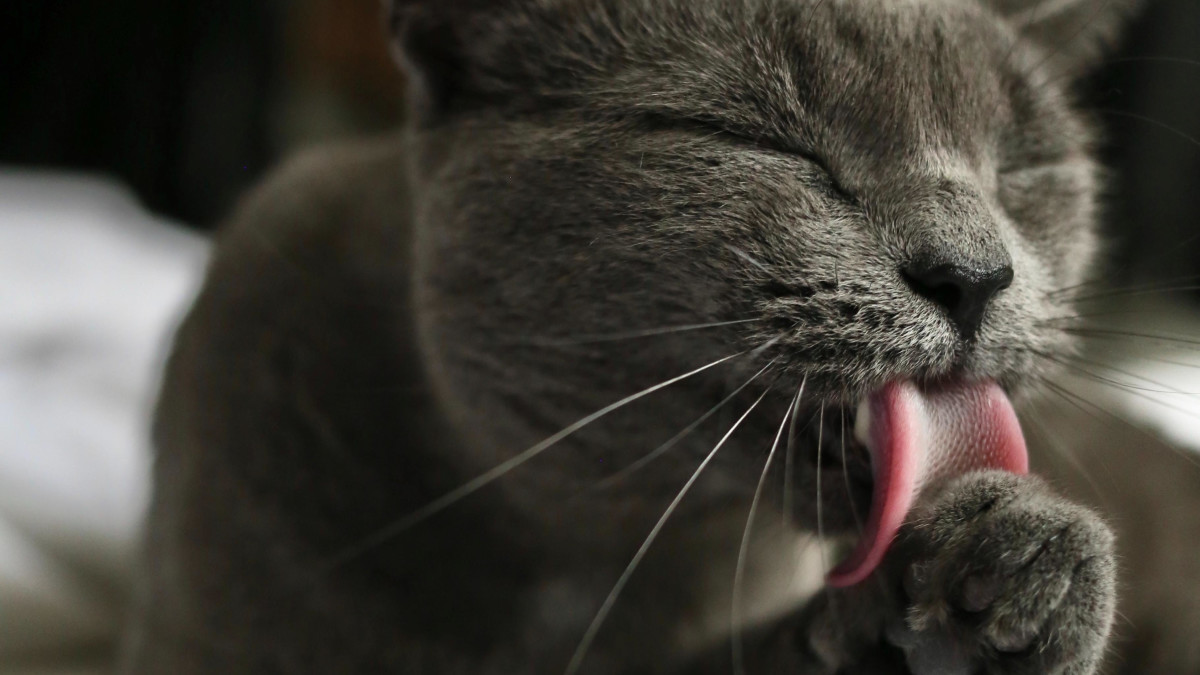
Cats use their tongues to lick their fur, which is rough and acts like a brush. They clean their face and ears with their paws, wiping away dirt carefully. You’ll often see them biting or nibbling at knots or tangled fur to remove them.
Many cats spend several hours a day grooming. This routine helps them regulate body temperature and even signals social behavior when they groom other cats or their humans. Have you ever wondered why your cat licks you? It’s often a sign of affection and trust.
Grooming Challenges For Paralyzed Cats
Caring for a paralyzed cat involves unique challenges. Grooming stands out as one of the most crucial aspects. Cats, known for their meticulous self-care, face hurdles when they lose mobility. Owners need to understand these challenges to maintain their cat’s well-being.
Physical Limitations
Paralyzed cats struggle with movement. Their inability to reach certain body parts affects grooming. They might find it hard to clean their back or hind legs. This limitation requires extra care from their owners.
Impact On Hygiene
Poor grooming affects hygiene. Dirt and oils can build up, leading to skin problems. Paralyzed cats might also experience matting of fur. This can cause discomfort and even infections. Regular assistance in grooming helps avoid these issues.
How Paralyzed Cats Groom Themselves
Understanding how paralyzed cats groom themselves reveals their incredible adaptability and spirit. Even with limited or no movement in certain limbs, these cats find ways to keep clean and comfortable. Watching a paralyzed cat manage grooming can change how you think about their capabilities and care needs.
Adapted Grooming Techniques
Paralyzed cats often develop unique ways to groom. They may use their heads and mouths more actively to reach areas their paws can’t. Some cats rely heavily on their tongue to clean themselves, focusing on accessible spots.
They might also use the surfaces around them, like furniture or walls, to rub against and remove dirt or loose fur. You can see how a cat might lean its body against a couch to help scratch an itch or clean a tricky spot. These adaptations show how cats adjust their behavior to stay clean despite physical limits.
Role Of Sensory Feedback
Sensory feedback plays a crucial role in how paralyzed cats groom. Even if a limb is paralyzed, the cat’s skin and nerves can still send signals about touch and irritation. This helps the cat know where to focus grooming efforts.
Sometimes, your cat may appear to pause and seem unsure while grooming. This might be because it’s relying more on touch and smell to guide its movements. You might notice your cat’s increased attention to certain areas, signaling where it feels discomfort or needs cleaning.
Owner’s Role In Grooming Care
Taking care of a paralyzed cat’s grooming needs is more than a routine; it’s a vital part of their well-being. Since your cat can’t groom itself properly, your involvement becomes crucial. Your role is to help maintain cleanliness, prevent skin issues, and provide comfort.
Assisting With Grooming
You will need to step in to brush and clean your cat regularly. Pay close attention to areas where dirt and debris tend to accumulate, like the back and under the belly. Gently wiping your cat with a damp cloth can also help when brushing isn’t enough.
Think about how often your cat normally grooms itself. If you notice mats or dirt building up quickly, increase your grooming sessions. Your hands become their eyes and tools in keeping their fur healthy.
Tools And Techniques
Using the right tools makes a big difference. Soft-bristled brushes and grooming gloves work well to avoid irritating sensitive skin. You might also want to use pet-safe wipes for quick cleanups.
Try to create a calm environment during grooming. Speak softly and take breaks if your cat seems restless. Have you noticed which tools your cat prefers? Adapting your approach based on their reaction can make grooming a positive experience for both of you.
Health Risks From Poor Grooming
Poor grooming in paralyzed cats can quickly lead to serious health problems. Without regular care, their inability to clean themselves properly creates an environment where skin and fur issues develop. Understanding these risks helps you take better care of your special feline friend and avoid unnecessary suffering.
Skin Issues
When cats can’t groom, dirt and oils build up on their skin. This buildup clogs pores and causes irritation. You might notice redness, dryness, or flaky patches appearing on your cat’s body.
Left unchecked, these problems can worsen into painful sores. These sores often become a target for scratching or biting, which only makes the skin condition more severe. Have you ever seen your cat repeatedly lick one spot? That could be a sign of skin discomfort from poor grooming.
Infections And Matting
Without regular brushing, a paralyzed cat’s fur can become tangled and matted quickly. These mats trap moisture and dirt close to the skin, creating a perfect breeding ground for bacteria and fungal infections.
Infections may lead to swelling, bad odor, and pus. They can also cause your cat to feel lethargic or lose appetite. Your role is crucial in preventing these problems by checking your cat’s coat daily and gently untangling mats before they worsen.
Imagine the difference a few minutes of grooming each day can make. Not only will you protect your cat’s health, but you’ll also build a deeper bond through this caring routine. Have you noticed how your cat reacts when you take time to groom them? Their comfort and happiness depend on it.
Supporting Mobility And Comfort
Supporting mobility and comfort is essential for paralyzed cats. Their limited movement can cause discomfort and health issues. Helping them stay mobile improves their quality of life. Comfort measures reduce stress and prevent further problems. Simple actions can make a big difference in their daily routine.
Physical Therapy Options
Physical therapy can help paralyzed cats maintain muscle strength. Gentle exercises improve circulation and flexibility. Techniques include:
- Passive range-of-motion exercises
- Hydrotherapy or water therapy
- Massage to reduce stiffness
These therapies support joint health and reduce muscle loss. Regular sessions can increase mobility and comfort.
Environmental Adjustments
Changing the living space helps paralyzed cats move safely. Adjustments include:
- Soft bedding to prevent sores
- Non-slip mats for better grip
- Ramps or low steps for easier access
- Accessible litter boxes and food bowls
Creating a safe environment helps cats avoid injuries. It also encourages independence and reduces stress.
When To Seek Veterinary Help
Knowing when to seek veterinary help for your paralyzed cat’s grooming needs can make a big difference in their comfort and health. Grooming is more than just keeping your cat looking good—it’s essential for preventing skin infections and other complications. Understanding the signs that indicate your cat might be struggling can help you act quickly and effectively.
Signs Of Grooming Problems
Watch for matted fur or clumps of hair that your cat cannot reach or clean properly. Notice if your cat has an unusual odor, which can signal skin infections or sores. Look for redness, swelling, or open wounds on their skin, especially around hard-to-reach areas.
If your cat is scratching more than usual or seems uncomfortable, it might be due to grooming difficulties. Changes in their behavior, like lethargy or hiding, can also indicate pain or distress related to poor grooming. Are you noticing any of these signs? It’s a clear cue to consult your vet.
Regular Checkups
Schedule regular veterinary visits to catch grooming-related health issues early. Your vet can examine areas that are hard for you to check at home, such as under the tail or belly. These visits are a good time to discuss customized grooming routines and any assistive tools that might help your cat.
During checkups, the vet can advise on managing your cat’s weight, mobility, and skin health, all of which impact grooming. You might also learn new techniques to make grooming less stressful for your cat. How often are you taking your paralyzed cat to the vet? Keeping a consistent schedule can prevent many grooming problems before they start.
Frequently Asked Questions
Can Paralyzed Cats Groom Themselves Effectively?
Paralyzed cats may struggle to groom fully due to limited mobility. They often need human assistance for thorough cleaning. Partial grooming is possible if some limbs retain movement. Regular help ensures their hygiene and comfort, preventing skin issues and infections.
How Can Owners Help Paralyzed Cats With Grooming?
Owners can use gentle wipes and soft brushes to clean paralyzed cats. Regular spot cleaning prevents dirt buildup and matting. Assistance in grooming maintains their skin health and overall well-being. Consistent care is essential for paralyzed cats’ hygiene.
Do Paralyzed Cats Need Special Grooming Tools?
Yes, specialized grooming tools like soft brushes and pet wipes help. These tools accommodate limited mobility and ensure gentle cleaning. Using suitable tools reduces stress and discomfort during grooming sessions. Tailoring tools to needs improves grooming effectiveness.
Why Is Grooming Important For Paralyzed Cats?
Grooming prevents skin infections, matting, and discomfort in paralyzed cats. It promotes blood circulation and reduces the risk of sores. Proper grooming supports their health and enhances quality of life. Neglecting grooming can lead to serious health problems.
Conclusion
Paralyzed cats may struggle to groom themselves fully. They often need help to stay clean and comfortable. Gentle brushing and wiping keep their fur healthy. Caregivers play an important role in their hygiene. With patience and love, these cats can live happy lives.
Grooming builds trust and strengthens your bond. Every small effort helps your cat feel better. Keep observing their needs and adjust care as needed. Caring for a paralyzed cat shows kindness and commitment.


Leave a Reply