Do you have a long-haired cat and wonder if grooming is something you can handle? Keeping your fluffy friend clean and comfortable might seem tricky, but it doesn’t have to be.
Proper grooming helps prevent mats, reduces shedding, and keeps your cat happy. You’ll discover simple tips and tricks to make grooming your long-haired cat easier and more enjoyable for both of you. Ready to learn how to care for your cat’s beautiful coat like a pro?
Let’s dive in!
Benefits Of Grooming Long Haired Cats
Grooming long haired cats offers many important benefits. Regular brushing keeps their coat clean and healthy. It removes loose hair and stops mats from forming. Grooming also helps your cat feel comfortable and relaxed.
Long haired cats need extra care to avoid skin problems. Grooming lets you check for fleas, ticks, or wounds. It strengthens the bond between you and your pet. Cats often enjoy the gentle touch during grooming sessions.
Improves Coat Health And Appearance
Brushing removes dirt and dead hair from the coat. It spreads natural oils that make fur shiny. A well-groomed coat looks soft and smooth. Grooming prevents tangles and painful mats from forming.
Reduces Hairballs And Shedding
Long haired cats swallow hair while cleaning themselves. Regular grooming lowers the amount of loose fur they eat. This helps reduce hairballs that cause discomfort. It also keeps your home cleaner by cutting shedding.
Prevents Skin Issues
Grooming helps spot skin problems early. You can find cuts, rashes, or parasites quickly. Removing mats stops skin irritation and infections. Healthy skin keeps your cat happy and pain-free.
Strengthens Owner-cat Bond
Grooming is a calm, shared activity. It builds trust and affection between you and your cat. Many cats enjoy the gentle brushing and attention. This time together improves your relationship.
Choosing The Right Grooming Tools
Choosing the right grooming tools is key to keeping long haired cats healthy and comfortable. The right tools make the grooming process easier and less stressful for your cat. They help remove mats, loose hair, and dirt gently. Good grooming tools also prevent skin irritation and reduce hairballs.
Select tools that suit your cat’s fur type and skin sensitivity. Tools should be easy to handle and clean. Using poor tools can hurt your cat and make grooming a struggle.
Combs And Brushes
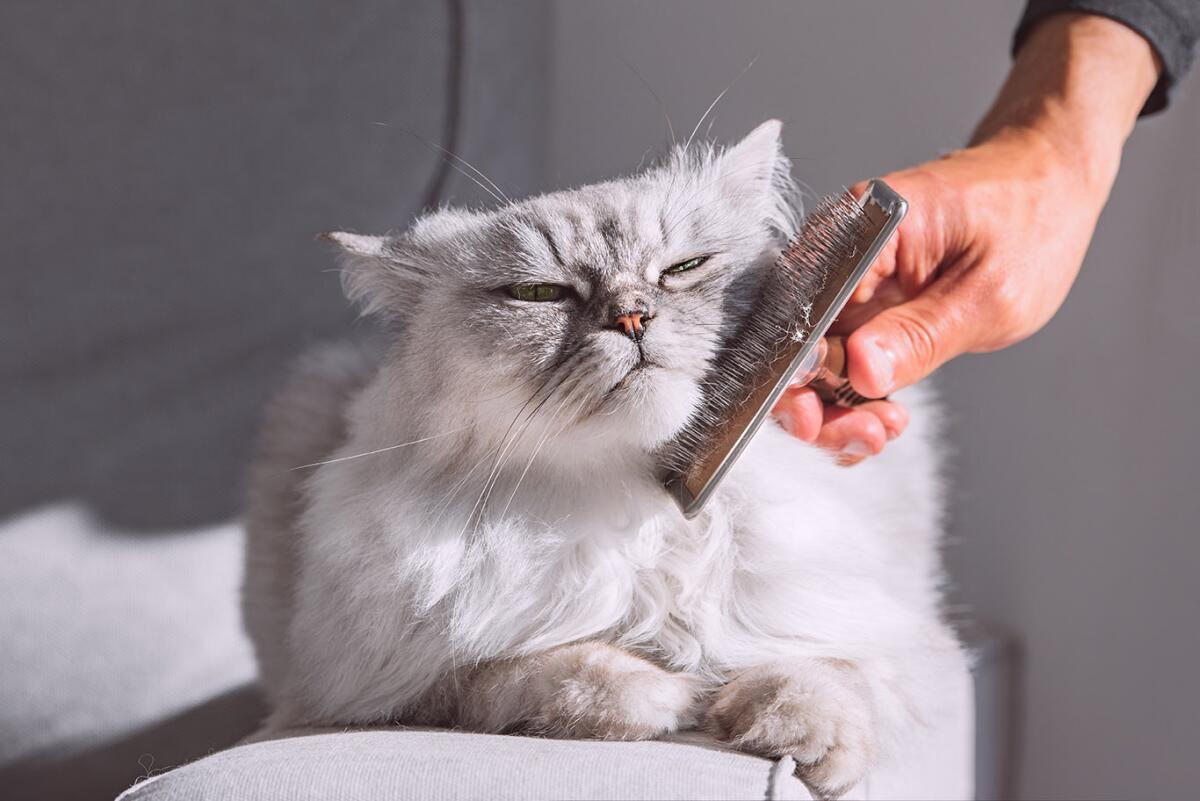
Combs and brushes help detangle and remove loose fur. Choose wide-tooth combs to gently work through mats. Fine-tooth combs catch smaller tangles and dirt. Slicker brushes remove loose hair and smooth the coat.
- Use a metal comb for thick mats.
- Pick a soft-bristle brush for sensitive skin.
- Brush in the direction of hair growth.
- Clean your combs and brushes regularly.
Nail Clippers And Other Accessories
Regular nail trimming prevents scratches during grooming. Use nail clippers designed for cats to avoid splitting nails. A scratching post helps keep nails naturally trimmed between grooming sessions.
- Choose clippers with a safety guard.
- Have styptic powder ready for small cuts.
- Use grooming gloves if your cat resists brushing.
- Consider a grooming mat to catch loose fur.
Preparing Your Cat For Grooming
Grooming long-haired cats needs gentle preparation to keep them calm. Start by brushing their fur slowly to remove tangles and mats. Creating a quiet, comfortable space helps your cat relax during grooming.
Preparing your long-haired cat for grooming can be a rewarding experience for both you and your feline friend. It’s not just about keeping your cat looking fabulous; it’s also a chance to bond and ensure their comfort and health. Proper preparation can make the grooming process smoother and more enjoyable for everyone involved.Creating A Calm Environment
Setting the scene is crucial. Choose a quiet area where your cat feels safe and undisturbed. Minimize noise and distractions to help your cat relax. Consider using a soft towel or blanket as a grooming station. This will provide a comfortable surface for your cat to rest on. Keep grooming tools within reach so you can maintain a steady pace. This helps prevent interruptions that might cause stress.Getting Your Cat Comfortable
Start by gently petting and talking to your cat. This reassures them and sets a positive tone. Introduce grooming tools gradually. Let your cat sniff and investigate each one before using it. If your cat seems anxious, take a break and try again later. Patience is key to building trust and cooperation. Grooming can become a cherished routine with the right preparation and approach. What’s your favorite way to help your cat feel at ease during grooming?Step-by-step Grooming Routine
Grooming long-haired cats can feel like a big task, but breaking it down into simple steps makes it manageable for both you and your furry friend. A consistent routine not only keeps your cat’s coat shiny and healthy but also strengthens the bond you share. Let’s go through a clear grooming process that helps you tackle the daily challenges of long fur with confidence.
Brushing Techniques
Choose a brush designed for long-haired cats, such as a slicker brush or a wide-toothed comb. Start gently from your cat’s head, moving towards the tail in the direction of hair growth. This reduces discomfort and helps you catch loose fur early.
Use short, slow strokes to avoid pulling on the hair. If your cat gets fidgety, try brushing while they’re relaxed—maybe after a meal or during a quiet moment. Have you noticed how regular brushing can turn into a calming ritual for your cat?
Dealing With Mats And Tangles
Mats can quickly form if fur isn’t brushed often. To tackle these, first try to gently tease them apart with your fingers. If that doesn’t work, use a mat splitter or a detangling comb designed for pets.
Work from the edge of the mat toward the skin to avoid hurting your cat. Never cut mats out with scissors—it’s risky and can easily cause injury. Have you ever been surprised by how patient your cat can be when you’re careful and calm?
Bathing Tips For Long Haired Cats
Bathing isn’t always necessary, but when your cat gets really dirty or greasy, it can help keep their coat fresh. Use a shampoo made specifically for cats to protect their sensitive skin and fur.
Before the bath, brush your cat thoroughly to remove loose hair and tangles. Use lukewarm water and keep the session short to reduce stress. Do you find that a calm voice and gentle touch make a big difference during bath time?
Common Grooming Challenges
Grooming long-haired cats brings unique challenges. Their thick coats need regular care to stay healthy and tangle-free. Some cats resist grooming, making the process tough. Hairballs also become a common issue due to frequent licking. Understanding these challenges helps keep your cat comfortable and clean.
Handling Resistant Cats
Many long-haired cats do not like grooming sessions. They may scratch, bite, or run away. Patience is key. Try these tips:
- Use gentle, slow movements to avoid startling them.
- Start with short sessions and increase time gradually.
- Offer treats to create a positive association.
- Choose a quiet, calm place for grooming.
- Use the right tools, like soft brushes, for comfort.
Consistency helps build trust. Over time, cats accept grooming better.
Preventing Hairballs
Long-haired cats swallow more fur while grooming. This leads to hairballs in their digestive system. Hairballs cause discomfort and coughing. Reduce hairball problems by:
- Brushing your cat daily to remove loose fur.
- Feeding hairball control cat food or supplements.
- Providing fresh water to keep digestion smooth.
- Keeping your cat active to improve digestion.
- Consulting a vet if hairballs become frequent or severe.
Regular grooming lowers hairball risks and keeps your cat healthy.
Maintaining Healthy Fur And Skin
Maintaining healthy fur and skin is essential for long-haired cats, not just for their appearance but for their overall well-being. Their thick coats can hide skin problems and mats, which can lead to discomfort or infections if left untreated. Paying close attention to their skin health helps prevent these issues and keeps your cat comfortable and happy.
Diet And Hydration
Your cat’s diet plays a major role in the condition of its fur and skin. Foods rich in omega-3 and omega-6 fatty acids help reduce dryness and keep the coat shiny. Consider adding supplements like fish oil if your cat’s food lacks these nutrients.
Hydration is just as important. Cats often don’t drink enough water, which can lead to dry skin and brittle fur. Try providing fresh water daily and consider wet cat food to increase moisture intake.
Regular Vet Checkups
Skin problems might not always be visible to you at first. Regular vet visits can catch early signs of allergies, parasites, or infections that affect the fur and skin. Your vet can also recommend specific treatments or dietary changes based on your cat’s needs.
Have you noticed your cat scratching more than usual or losing fur in patches? These are signs to mention during checkups. Early intervention can save your cat from discomfort and complicated health issues later on.
Frequently Asked Questions
How Often Should You Groom Long Haired Cats?
Long haired cats need grooming at least 3-4 times a week. Frequent brushing prevents mats and tangles. Regular grooming reduces shedding and hairballs.
What Tools Are Best For Grooming Long Haired Cats?
Use a wide-toothed comb, slicker brush, and grooming scissors. These tools help remove loose hair and prevent mats. Always choose gentle, cat-safe grooming tools.
Can Grooming Reduce Hairballs In Long Haired Cats?
Yes, regular grooming removes loose fur cats swallow. This lowers hairball formation and digestive issues. Grooming also keeps your cat’s coat healthy and clean.
Is Professional Grooming Necessary For Long Haired Cats?
Professional grooming is helpful for severe mats or difficult cats. Experts can safely trim and detangle fur. Routine home grooming combined with occasional professional care is ideal.
Conclusion
Grooming long-haired cats takes patience and care. Regular brushing stops mats and tangles from forming. It keeps their fur clean and healthy. Cats enjoy gentle grooming if done right. Use the right tools for their delicate coat. Start slowly and make it a calm routine.
Grooming also helps you check for skin problems. A well-groomed cat feels comfortable and happy. Taking time to groom builds trust and bond. Yes, you can groom long-haired cats easily. Just be gentle, consistent, and attentive to their needs.

Leave a Reply