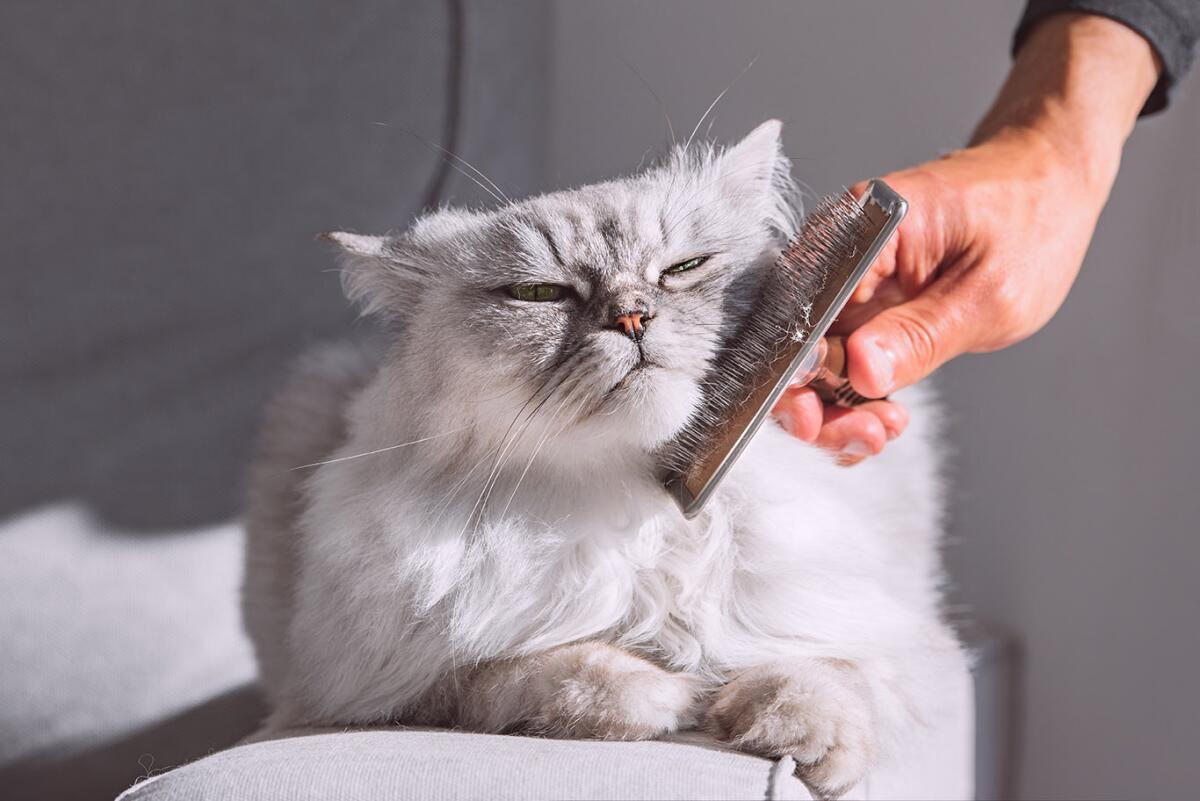
Grooming your cat can be a stressful experience for both you and your furry friend. You want your cat to stay calm and relaxed, but sometimes that seems impossible.
You might be wondering, “What dose of Ativan calms my cat for grooming without causing harm? ” Finding the right answer is key to making grooming easier and safer. You’ll discover how Ativan can help, what dosage is safe, and important tips to keep your cat comfortable throughout the process.
Keep reading to learn how to turn grooming time into a calm, stress-free routine for you and your cat.
Ativan And Cat Grooming
Grooming your cat can sometimes turn into a stressful experience for both of you. Cats often resist brushing or nail trimming, which makes the whole process challenging and tense. That’s where Ativan can play a role in calming your cat and making grooming smoother and safer.
Purpose Of Ativan For Cats
Ativan, also known as lorazepam, is a medication that helps reduce anxiety and agitation in cats. It is commonly used to calm nervous or stressed cats during grooming sessions, vet visits, or travel. By relaxing your cat’s mind and body, Ativan can make grooming a less traumatic experience.
Many cat owners have found that a small dose of Ativan helps their cats stay calm without causing deep sedation. This means your cat remains cooperative but not overly sleepy. It’s important to remember that Ativan is not a sedative but an anti-anxiety medication, so it helps with nervousness rather than knocking your cat out.
When To Use Ativan
You should consider using Ativan if your cat shows extreme anxiety or aggression during grooming. Signs include frantic struggling, hissing, or biting attempts. If grooming becomes too stressful, it can harm both you and your cat, making Ativan a helpful option.
Always consult your veterinarian before giving Ativan to ensure the dose is safe and suitable for your cat’s size and health condition. Your vet will guide you on the right timing and amount, often recommending administration about 30 minutes before grooming. This timing helps the medication take effect just as you begin.
Think about your cat’s past grooming behavior. Has your cat ever injured themselves or you? If yes, managing their anxiety proactively with Ativan could prevent future incidents. How do you normally prepare for difficult grooming sessions? Could a little calmness make a big difference?
Safe Dosage Guidelines
Using Ativan to calm a cat during grooming requires careful attention to dosage. Safe dosage guidelines help avoid side effects and ensure your cat stays comfortable. Proper dosing depends on several factors including the cat’s weight and health condition. Always follow veterinary advice strictly to keep your pet safe.
Recommended Dose Range
Ativan doses for cats usually range from 0.01 to 0.03 mg per pound of body weight. The medication is often given 30 to 60 minutes before grooming. It is important not to exceed the maximum recommended dose. Small doses help reduce anxiety without causing sedation or other risks.
Factors Affecting Dosage
- Weight: Heavier cats need higher doses but still within safe limits.
- Age: Older cats may require lower doses due to slower metabolism.
- Health: Cats with liver or kidney problems need adjusted doses.
- Stress level: Highly anxious cats might need closer monitoring.
- Concurrent medications: Some drugs can affect how Ativan works.
Administering Ativan
Administering Ativan to calm your cat before grooming requires careful attention to how and when you give the medication. Proper administration ensures your cat feels relaxed without unnecessary stress or side effects. Understanding the best methods and timing can make grooming a smoother experience for both you and your pet.
Methods Of Giving Ativan
Ativan usually comes in tablet or liquid form, and each has its advantages. Tablets can be hidden in treats or food, but some cats are suspicious of new tastes and may refuse them. Using a pill pocket or mixing the tablet with a small amount of wet food can help if your cat is picky.
Liquid Ativan offers more control over the dose and can be easier to administer with a syringe. However, it requires a steady hand and patience to avoid stressing your cat. If your cat resists, try gently wrapping them in a towel to prevent scratching and make the process safer for both of you.
Timing Before Grooming
The calming effect of Ativan usually starts within 30 to 60 minutes after administration. Giving the medication too early might cause your cat to become drowsy before grooming starts, while giving it too late might not provide enough calming effect.
Plan to administer Ativan about 45 minutes before you begin grooming. This timing allows the medication to take effect and helps your cat stay calm throughout the session. Have everything ready before giving the dose, so you can start grooming as soon as your cat is relaxed.
Possible Side Effects
Ativan may cause drowsiness, dizziness, or upset stomach in cats. Watch your pet closely after giving the dose. Consult a vet if side effects worsen or persist.
When considering giving your cat Ativan for grooming, understanding possible side effects is crucial. While many cats tolerate Ativan well, others might experience reactions that require your attention. Knowing what to expect can help you act quickly if your pet shows signs of discomfort.Common Reactions
Cats can exhibit a range of reactions to Ativan. Some may become unusually sleepy or lethargic, while others might show mild confusion. You might notice your cat acting a bit clumsier than usual, or even having a temporary loss of coordination. Other common reactions can include a slight decrease in appetite. Keep an eye on your cat’s eating habits after administering Ativan. It’s essential to ensure they continue to eat and drink normally.When To Contact A Vet
Certain side effects should prompt immediate contact with your veterinarian. If your cat begins to have difficulty breathing or shows signs of extreme agitation, these are red flags. Persistent vomiting or diarrhea are also signs that professional advice is needed. Watch for any significant behavioral changes. If your normally calm cat becomes aggressive or unusually withdrawn, it could be a reaction to the medication. You know your pet best. Trust your instincts if something seems off after giving Ativan. Your quick response can ensure your cat stays safe and comfortable.Alternatives To Ativan
If you’re hesitant about giving your cat Ativan for grooming stress, there are other ways to help calm your furry friend. Some alternatives avoid medication altogether, while others offer different types of drugs with fewer side effects. Knowing your options can make a big difference in how your cat experiences grooming time.
Non-medical Calming Techniques
Not every cat needs medicine to stay calm. You can try simple changes that make grooming less stressful.
- Routine and Environment:Cats feel safer with consistent grooming schedules. Use a quiet room with soft lighting to reduce anxiety.
- Gentle Handling:Speak softly and move slowly. Let your cat sniff grooming tools before using them.
- Use Pheromone Sprays:Products like Feliway mimic natural calming scents. They can help your cat relax in the grooming area.
- Distraction with Treats:Offer favorite treats or toys during grooming to keep your cat’s focus away from discomfort.
- Short Sessions:Break grooming into several short sessions instead of one long one. This keeps stress levels low.
Have you noticed your cat calms down more when you use a soft voice? Small changes like this can reduce the need for medication.
Other Medication Options
If non-medical methods don’t work, talk to your vet about alternatives to Ativan. Some medications have similar calming effects but might suit your cat better.
| Medication | Use | Notes |
|---|---|---|
| Gabapentin | Reduces anxiety before grooming | Often preferred for its mild side effects |
| Trazodone | Helps with acute stress and fear | Needs vet prescription and dosing guidance |
| Alprazolam (Xanax) | Short-term anxiety relief | Similar to Ativan, but different drug class |
| Natural supplements | Calming support | Includes CBD oil, L-theanine, and valerian root |
Have you tried any of these with your cat? Sometimes a small change in medication can improve your cat’s grooming experience dramatically.
Veterinary Consultation
Using Ativan to calm a cat during grooming requires careful veterinary consultation. A vet’s guidance ensures the right dose and safety for your pet. They consider the cat’s health, age, and behavior before recommending any medication. Self-medicating can cause harm or ineffective results. A professional vet helps avoid risks and provides clear instructions for use.
Importance Of Professional Advice
Veterinarians know how Ativan affects cats. They choose the safest dose based on your cat’s size and condition. Only a vet can diagnose if Ativan is suitable for calming your cat. Incorrect dosing can cause side effects or fail to calm the cat. Professional advice protects your cat’s health and improves grooming success.
Preparing For The Vet Visit
Write down your cat’s grooming struggles and behavior details. Note any previous medications or health problems your cat has. Bring your cat’s medical records if available. Prepare questions about Ativan and alternative calming options. A calm, quiet carrier helps reduce stress during the visit. Clear communication with the vet leads to better care decisions.
Frequently Asked Questions
What Dose Of Ativan Is Safe For Cats During Grooming?
The typical Ativan dose for cats is 0. 02 to 0. 04 mg per pound. Always consult your vet before administering it for grooming.
How Does Ativan Calm Cats For Grooming Sessions?
Ativan acts on the cat’s nervous system to reduce anxiety. It helps them stay relaxed and still during grooming.
Can Ativan Cause Side Effects In Cats?
Yes, Ativan can cause drowsiness, dizziness, or loss of coordination. Always monitor your cat closely after giving the medication.
How Long Before Grooming Should Ativan Be Given?
Administer Ativan about 30 to 60 minutes before grooming. This timing allows the medication to take effect and calm your cat.
Conclusion
Ativan can help calm cats during grooming safely. Always consult your vet for the correct dose. Never give Ativan without professional advice. Watch your cat closely for any side effects. Gentle handling and patience also reduce stress. Calm pets make grooming easier and safer.
A careful approach helps your cat stay relaxed. Trust the vet’s guidance for best results.

Leave a Reply