Grooming your cat might seem like a simple task, but it’s more important than you think. When you learn how to groom a cat properly, you’re not just keeping your furry friend clean—you’re also strengthening your bond and protecting their health.
Imagine your cat looking shiny, feeling comfortable, and spending less time scratching or shedding. Sounds great, right? In this guide, you’ll discover easy, practical tips to make grooming a stress-free and enjoyable experience for both you and your cat. Ready to become your cat’s favorite groomer?
Let’s dive in!
Choosing The Right Grooming Tools
Choosing the right grooming tools is key to keeping your cat healthy and happy. The right tools make grooming easier and more comfortable. Cats have different coat types, so one size does not fit all.
Using proper tools helps prevent skin irritation and matting. It also makes grooming a bonding time for you and your cat. Invest time in selecting brushes, clippers, and shampoos suited for your cat’s needs.
Brush Types For Different Coats
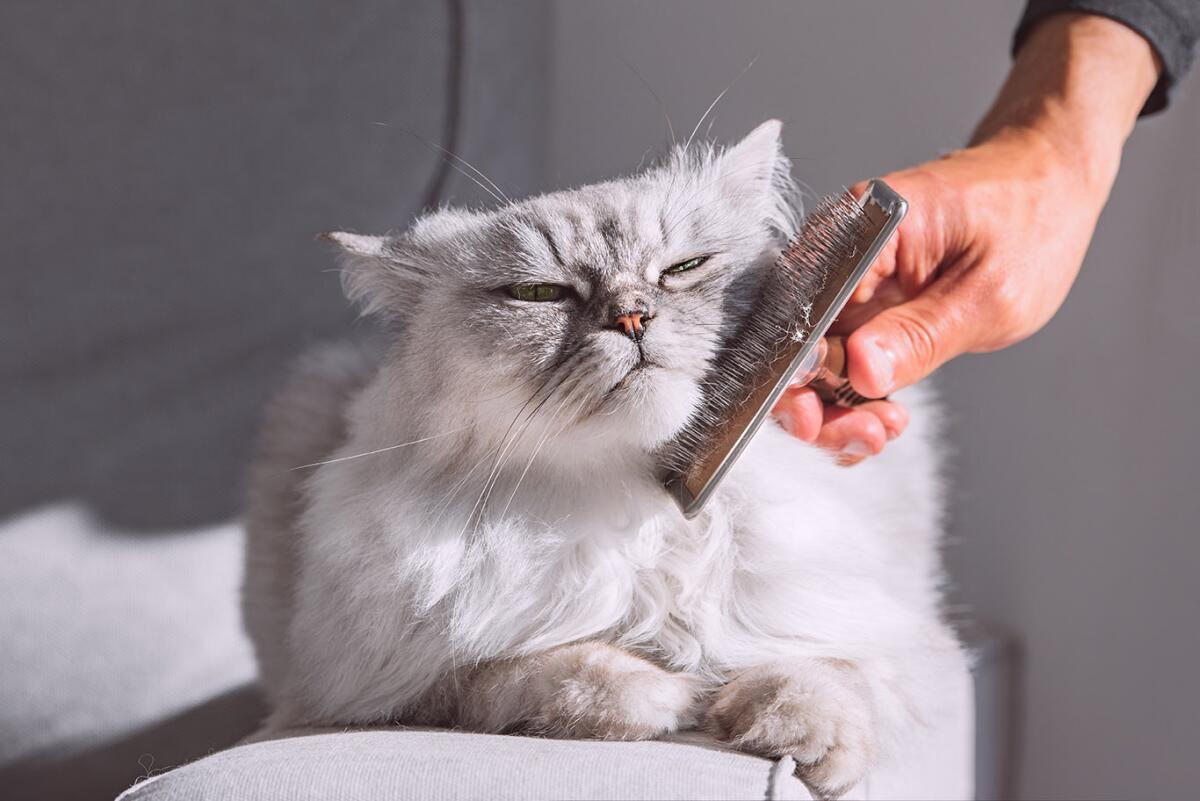
Short-haired cats need a soft-bristle brush to remove loose fur gently. Long-haired cats benefit from slicker brushes that detangle mats and remove debris. Fine-toothed combs work well for delicate areas like the face.
- Slicker Brush:Best for long or curly fur to remove tangles.
- Bristle Brush:Ideal for short-haired cats to smooth the coat.
- Metal Comb:Helps catch fleas and remove loose hair.
Nail Clippers And Trimmers
Choose clippers designed for cats to avoid splitting nails. Guillotine style clippers work well for small nails. Scissor-style clippers offer precision for thicker nails. Keep a nail file handy to smooth sharp edges after clipping.
Shampoos And Conditioners
Use shampoos made specifically for cats to protect their skin. Avoid human shampoos that can cause dryness or irritation. Conditioners help keep the coat soft and reduce tangles. Look for gentle, fragrance-free formulas for sensitive skin.
Brushing Techniques For Cats
Brushing your cat is more than just a routine task—it’s a chance to bond and keep your feline friend healthy and comfortable. Knowing the right brushing techniques can make the experience enjoyable for both of you. Let’s dive into practical tips that help you brush your cat effectively, avoiding stress and maximizing benefits.
Frequency And Timing
How often you brush your cat depends on their coat type. Short-haired cats usually need brushing once a week, while long-haired breeds benefit from daily sessions.
Choose a calm time when your cat feels relaxed, such as after a meal or playtime. This helps them stay still and enjoy the process.
Try to keep brushing sessions short at first—just a few minutes—to build your cat’s tolerance. Gradually increase the time as they get more comfortable.
Handling Sensitive Areas
Some cats dislike having certain spots touched, like their belly, tail, or behind the ears. Approach these areas gently and watch your cat’s reactions closely.
If your cat pulls away or shows signs of discomfort, pause and try brushing a less sensitive area. Over time, they may become more accepting.
Using a soft brush or a grooming glove can reduce discomfort in these tricky spots. Always speak softly and offer treats to create a positive association with grooming.
Reducing Shedding And Hairballs
Regular brushing removes loose fur before your cat can swallow it, which helps cut down on hairballs. This also reduces the amount of fur around your home.
Focus on areas where shedding is most intense, like the neck and back. A slicker brush or a de-shedding tool works well for this purpose.
Have you noticed your cat coughing or gagging? That might be a sign of hairballs. Brushing more often can ease this issue and keep your cat more comfortable.
Bathing Your Cat Safely
Bathing a cat can be stressful for both you and your pet. Many cats dislike water, so it is important to approach bath time calmly and safely. Proper bathing helps keep your cat clean and can reduce shedding and hairballs. Understanding when and how to bathe your cat ensures a smooth experience.
When To Bathe Your Cat
Most cats do not need frequent baths. Bathing is necessary if your cat gets very dirty or sticky. Cats with skin problems may require special baths. Older or overweight cats might need help staying clean. Avoid bathing your cat too often to prevent skin dryness.
Step-by-step Bathing Guide
- Prepare warm water in a sink or tub, about 100°F (38°C).
- Use a mild cat shampoo designed for feline skin.
- Brush your cat gently before the bath to remove loose hair.
- Place a rubber mat in the tub to prevent slipping.
- Hold your cat firmly but gently to keep it calm.
- Wet your cat slowly, avoiding the head and ears.
- Apply shampoo and lather carefully, focusing on the body.
- Rinse thoroughly to remove all shampoo residues.
- Use a cup or gentle spray for rinsing, avoiding the face.
Drying And Post-bath Care
Wrap your cat in a soft towel immediately after the bath. Pat dry gently without rubbing. Change to a dry towel if the first one gets wet. Keep your cat in a warm room until fully dry. Avoid using a hairdryer unless your cat tolerates low heat. Brush your cat’s fur again to prevent tangles. Offer treats to reward calm behavior during the bath.
Nail Care And Trimming Tips
Keeping your cat’s nails trimmed is essential for their health and comfort. Regular nail care prevents scratches, pain, and damage to furniture. It also helps your cat walk and play with ease. Understanding the right time and way to trim nails makes the process smooth and stress-free for both of you.
Recognizing When To Trim
Watch your cat’s nails closely. Nails that touch the floor or curl under the paw need trimming. Scratching furniture more often can also signal long nails. Check nails every two to three weeks. This keeps them at a safe, comfortable length. Each cat’s nail growth varies, so adjust timing as needed.
Proper Nail Trimming Techniques
Use a sharp, small pet nail clipper. Hold your cat gently but firmly. Press the paw pad to extend the nail. Cut the sharp tip only, avoiding the quick—the pink part inside the nail. Trim nails in a calm, quiet spot. Praise your cat during and after trimming for a positive experience.
Avoiding Injuries
Never cut into the quick; it causes pain and bleeding. Trim in bright light to see the nail clearly. If unsure, trim small amounts gradually. Keep styptic powder nearby to stop bleeding if needed. Stay calm and patient; your cat senses your mood. Stop if your cat struggles too much and try again later.
Cleaning Ears And Eyes
Cleaning a cat’s ears and eyes is important for their health. Dirt, wax, and discharge can cause discomfort or infections. Regular checks help catch problems early. Use gentle care and the right tools to keep these areas clean and safe.
Signs Of Infection
- Redness or swelling in ears or around eyes
- Unusual discharge or pus
- Bad smell from ears
- Constant scratching or rubbing
- Cloudy or watery eyes
Noticing these signs means a vet visit is needed soon.
Safe Cleaning Methods
Use a soft cloth or cotton ball dampened with warm water.
Gently wipe the outer ear and eye area. Avoid deep inside the ear canal.
Hold your cat calmly to prevent sudden moves.
Clean eyes by wiping from the corner outward, one side at a time.
Do not use cotton swabs inside the ear.
Products To Use
- Vet-approved ear cleaning solutions
- Saline eye drops for gentle cleaning
- Soft, lint-free cloths or cotton balls
Choose products made specifically for cats. Avoid human or harsh chemicals.
Maintaining Dental Health
Maintaining your cat’s dental health is a key part of grooming that often gets overlooked. Poor dental care can lead to pain, infections, and even affect your cat’s overall health. Taking small steps every day can make a big difference in keeping your cat’s mouth healthy and comfortable.
Brushing Your Cat’s Teeth
Brushing your cat’s teeth might sound challenging, but it’s easier than you think once you get the hang of it. Use a soft-bristled toothbrush and toothpaste made specifically for cats—never human toothpaste. Start slow by letting your cat lick the toothpaste, then gently brush a few teeth at a time.
Consistency is key. Try to brush at least a few times a week. If your cat resists, don’t force it; short, calm sessions work better than stressful ones. Have you noticed your cat avoiding food or pawing at their mouth? That might be a sign to start brushing more regularly.
Dental Treats And Toys
Dental treats and toys can help reduce plaque and tartar buildup between brushings. Look for products approved by veterinary dental associations—they’re designed to clean teeth while your cat chews. Treats that have a fibrous texture can scrub teeth gently.
Interactive toys that encourage chewing also promote dental health by stimulating saliva flow, which naturally cleans the mouth. Rotate different dental toys to keep your cat interested and engaged. What kind of treats does your cat enjoy the most?
Regular Vet Checkups
Even with good home care, professional dental checkups are essential. Your vet can spot early signs of dental disease before they become serious. During checkups, your vet might recommend professional cleanings under anesthesia to remove stubborn plaque.
Ask your vet to show you how to inspect your cat’s teeth and gums at home. This way, you can catch potential problems early. Have you scheduled your cat’s dental checkup this year?
Creating A Grooming Routine
Regular brushing helps keep a cat’s fur clean and prevents mats. Use gentle strokes and a soft brush to make grooming pleasant. Check ears, eyes, and nails to keep your cat healthy and comfortable.
Creating a Grooming Routine Establishing a grooming routine for your cat not only helps keep them looking their best, but it also strengthens your bond with them. Consistency is key, and a well-planned routine can make grooming a stress-free experience for both you and your feline friend. Let’s dive into the essentials of setting up a successful grooming routine.Setting A Schedule
Creating a schedule is the first step in building a grooming routine. Decide on a frequency that works best for your cat’s breed and coat type. Long-haired cats may require daily brushing, while short-haired cats might only need grooming once a week. Try to stick to the same time and day each week to help your cat get used to the routine. You might find that grooming sessions before mealtime are more effective, as your cat is usually calmer and more receptive.Making Grooming Enjoyable
Transform grooming into a bonding experience by making it enjoyable for your cat. Use gentle strokes and talk to them in a soothing voice throughout the session. Keep some treats on hand to reward good behavior, turning grooming into a positive association. Consider using grooming tools that are comfortable for your cat. The right brush or comb can make a significant difference. If your cat seems uneasy, try different tools until you find one they like.Handling Difficult Cats
Grooming a difficult cat can be challenging, but patience and persistence can help. Start with short grooming sessions and gradually increase the time as your cat becomes more comfortable. Respect their boundaries and allow breaks if they show signs of stress. If your cat resists grooming despite your efforts, consider enlisting professional help. A professional groomer can offer tips tailored to your cat’s specific needs. Have you tried consulting your vet for advice on calming techniques? They might suggest options like calming sprays or supplements. By creating a routine, you can help your cat feel more comfortable and even look forward to grooming sessions. Remember, patience and consistency are your best tools.Recognizing Grooming-related Health Issues
Cats are known for their grooming habits. But sometimes, their grooming can signal health issues. Recognizing these signs early can help keep your cat healthy. Here are some common grooming-related health issues to watch for.
Skin Problems And Parasites
Check your cat’s skin regularly. Look for redness, bumps, or sores. These can indicate skin problems. Parasites like fleas or ticks can also cause itching. If your cat scratches a lot, it might have parasites. Use a flea comb to check for fleas. Look for tiny black specks, which are flea droppings.
Behavioral Changes
Notice any changes in your cat’s grooming behavior. Excessive grooming can cause bald spots. Cats may groom less if they feel pain. They might also stop grooming if they are unwell. These changes can signal stress or illness.
When To Consult A Vet
Consult a vet if you notice unusual grooming behaviors. Also, if you find lumps or sores that don’t heal. Persistent scratching or biting at the skin is a concern. These could be signs of allergies or infections. Early vet visits can prevent more serious health issues.
Frequently Asked Questions
How Often Should I Groom My Cat?
Groom your cat at least once a week. Long-haired cats need daily brushing. Regular grooming prevents mats and reduces shedding.
What Tools Are Best For Cat Grooming?
Use a soft-bristle brush, comb, and nail clippers. Choose tools suitable for your cat’s fur type to avoid discomfort.
How Can I Make Grooming Stress-free?
Create a calm environment and use gentle strokes. Reward your cat with treats and breaks to keep them relaxed.
When Should I Start Grooming My Kitten?
Begin grooming as early as 6-8 weeks old. Early grooming helps kittens get used to the process and reduces fear.
Conclusion
Grooming your cat helps keep their coat clean and healthy. It also strengthens the bond between you and your pet. Regular brushing reduces shedding and prevents mats. Remember to be gentle and patient during grooming sessions. Use the right tools for your cat’s fur type.
Watch for signs of skin problems or discomfort. With consistent care, your cat will stay happy and comfortable. Enjoy these quiet moments together—they mean a lot to your cat. Simple steps make grooming easier for both of you. Keep your cat’s health a top priority every day.


Leave a Reply