If you want your cat to look and feel its best, proper grooming is key. Grooming isn’t just about keeping your cat clean—it helps prevent health issues, reduces shedding, and strengthens the bond between you and your furry friend.
But how do you groom a cat properly without stress or fuss? You’ll discover simple, effective steps to make grooming easy and enjoyable for both you and your cat. Keep reading to unlock the secrets of a happy, healthy kitty!
Benefits Of Regular Grooming
Regular grooming offers many benefits for your cat’s health and happiness. It keeps the coat clean and shiny. Grooming also strengthens the bond between you and your pet. Small grooming sessions can prevent bigger health issues later on.
Improved Coat Health
Brushing removes dirt, dust, and dead hair from the coat. It spreads natural oils that keep fur soft and shiny. Grooming helps avoid mats and tangles that hurt your cat’s skin. A healthy coat means your cat feels comfortable and looks good.
Reduced Shedding And Hairballs
Regular grooming catches loose fur before it falls off. This lowers the amount of hair on furniture and clothes. It also stops hairballs from forming in your cat’s stomach. Less shedding means a cleaner home and fewer digestive problems for your cat.
Early Detection Of Health Issues
While grooming, you can spot problems early. Look for lumps, bumps, or skin changes. Check for fleas, ticks, or signs of irritation. Early discovery helps your vet treat issues before they get worse. Grooming is a simple way to protect your cat’s health.
Essential Grooming Tools
Having the right tools makes grooming your cat easier and more enjoyable for both of you. Essential grooming tools help maintain your cat’s coat, skin, and nails in top condition. They also reduce stress during grooming sessions and prevent common problems like matting and overgrown claws.
Types Of Brushes And Combs
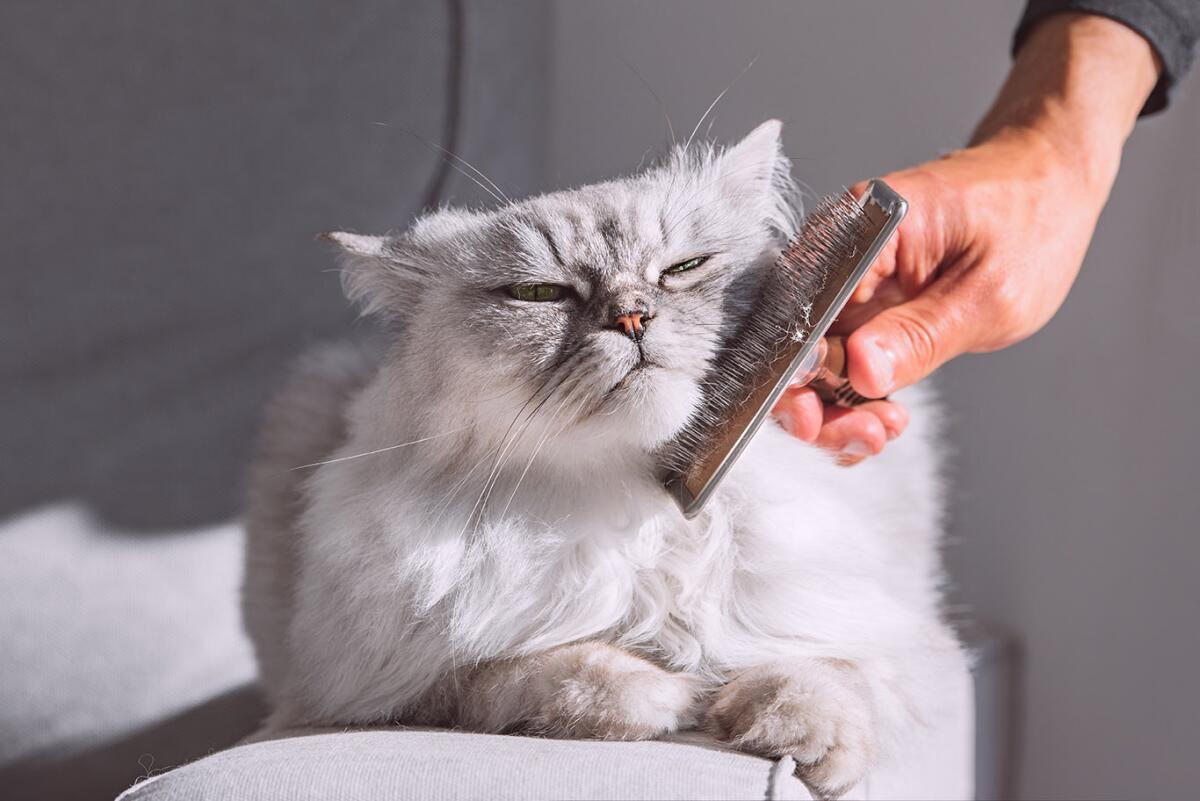
Different brushes serve different purposes depending on your cat’s fur type. A slicker brush works well for removing loose hair and preventing tangles in medium to long-haired cats. For short-haired cats, a bristle brush can help remove dirt and distribute natural oils evenly.
Combs with wide and narrow teeth are great for detangling and checking for fleas. I once discovered a small flea infestation just by running a fine-toothed comb through my cat’s fur. Have you ever noticed how your cat’s fur changes texture after a good brushing session?
Nail Clippers And Trimmers
Keeping your cat’s nails trimmed prevents scratching damage and discomfort. Use a pair of sharp nail clippers designed specifically for cats to avoid crushing or splitting the nails. Guillotine-style trimmers are easy to handle and provide a clean cut, but scissor-style clippers give you more control on thicker nails.
Try clipping just the sharp tip and avoid cutting too close to the quick, which is sensitive and can bleed. If your cat resists nail trimming, try doing it in short sessions or after a nap when they’re calmer. What tricks have you found to keep your cat calm during nail trims?
Shampoos And Wipes
Regular baths aren’t always necessary, but when you do bathe your cat, use shampoos made specifically for felines. These shampoos have the right pH balance and gentle ingredients that won’t irritate your cat’s skin. Avoid human shampoos or harsh detergents—they can dry out or harm your cat’s coat.
For quick cleanups, cat grooming wipes are a handy alternative. They remove dirt and reduce odors without the stress of a full bath. Keep a pack of unscented grooming wipes on hand for those unexpected messes. How often do you find yourself needing wipes instead of a full bath?
Preparing Your Cat For Grooming
Preparing your cat for grooming sets the stage for a smoother, less stressful experience. Cats are sensitive creatures, and how you approach grooming affects their cooperation and comfort. Taking time to prepare your cat properly can transform grooming from a chore into a bonding moment.
Creating A Calm Environment
Your cat senses everything around them. A noisy or chaotic space will make them anxious and resistant. Choose a quiet room with minimal distractions where your cat feels safe.
Dim the lights slightly and keep the temperature comfortable. Soft background music or white noise can help mask sudden sounds. Think about what your cat already likes—maybe a favorite blanket or cushion to settle on during grooming.
Getting Your Cat Comfortable
Before you even pick up a brush, spend some time just being near your cat. Let them sniff and explore the grooming tools without pressure. Touch their fur gently in short sessions to build trust and get them used to your hands.
Watch their body language closely. If your cat seems tense or tries to move away, slow down and offer treats or soothing words. You might find that petting behind the ears or under the chin helps them relax more quickly.
Timing And Frequency
When you choose to groom matters. Many cats respond better when they’re calm after a meal or a nap. Avoid grooming sessions during high-energy playtimes or when your cat is restless.
Consistency is key. Regular grooming prevents mats and reduces shedding, making each session shorter and easier. Start with short, frequent sessions and gradually increase the time as your cat gets used to it.
Step-by-step Grooming Process
Grooming your cat properly is more than just keeping them looking neat; it’s about maintaining their health and comfort. A well-groomed cat often feels happier and more relaxed, making your bond stronger. Let’s walk through the essential grooming steps that will make the process smoother for both of you.
Brushing And Detangling
Start with brushing your cat’s fur regularly to remove loose hair and prevent mats. Use a brush suited to your cat’s coat type—slicker brushes work well for long-haired cats, while bristle brushes are good for short-haired breeds.
Be gentle and patient, especially around sensitive areas like the belly and tail. If you encounter tangles, hold the fur close to the skin and gently work through knots with your fingers or a detangling comb. Have you noticed how your cat reacts differently to various brush types? Finding the right one can turn grooming into a bonding moment.
Bathing Techniques
Bathing isn’t always necessary, but it helps if your cat gets into something sticky or smelly. Use lukewarm water and a cat-specific shampoo to avoid skin irritation.
Keep the bath quick and calm. Talk softly to your cat and avoid getting water in their ears and eyes. Have a towel ready for a quick dry-off afterward. Remember, some cats tolerate water better than others—observe your cat’s comfort level closely.
Nail Trimming Tips
Trim your cat’s nails carefully to avoid cutting into the quick—the pink part inside the nail that contains nerves and blood vessels. Use a pair of sharp, cat-sized nail clippers for precision.
Hold your cat’s paw firmly but gently, and trim only the sharp tip of each nail. If your cat resists, try clipping one or two nails at a time during calm moments. Ever thought how keeping nails trimmed can reduce the risk of scratches on your furniture and skin?
Cleaning Ears And Eyes
Check your cat’s ears weekly for dirt, wax, or unusual odor. Use a damp cotton ball or a soft cloth—never a cotton swab—to gently wipe the outer ear.
For the eyes, wipe away any discharge with a clean, damp cloth. If you notice redness, swelling, or persistent discharge, consult your vet. Do you know that regular ear and eye cleaning can prevent infections and discomfort in your cat?
Handling Common Grooming Challenges
Grooming a cat involves regular brushing to reduce shedding and prevent matting. Use a gentle brush suited for your cat’s fur type. Check ears and trim nails carefully to keep your cat comfortable and healthy.
Grooming your cat can be a rewarding experience, but it often comes with its own set of challenges. From dealing with matted fur to managing a cat who isn’t too thrilled about bath time, each obstacle requires a unique approach. The goal is to keep your feline friend looking and feeling their best while ensuring the grooming process is stress-free for both of you.Dealing With Matted Fur
Matted fur is not just unsightly; it can also be painful for your cat. When mats form, they pull on the skin and can cause discomfort. Regular brushing is your first line of defense. Use a wide-toothed comb to gently work through smaller tangles. For more stubborn mats, consider a mat-splitting tool, but use it carefully to avoid hurting your cat. If the mats are too severe, a visit to a professional groomer might be necessary.Managing Anxious Or Aggressive Cats
Anxious or aggressive behavior during grooming can turn a simple task into a daunting one. Start by creating a calm environment. Play soothing music and speak softly to your cat. Gradually introduce grooming tools, letting your cat sniff and inspect them. Offering treats or a favorite toy can serve as a positive distraction. Have you considered trying short grooming sessions to build your cat’s tolerance over time?Preventing Scratches And Bites
Scratches and bites are common risks during grooming. Protect yourself by wearing long sleeves and grooming gloves. Your safety is as important as your cat’s comfort. Focus on reading your cat’s body language. If they start to show signs of stress, take a break. Sometimes, enlisting a second person to gently hold your cat can make the process smoother and safer. Remember, staying calm and patient is key. By addressing these common grooming challenges, you’re not only helping your cat look their best but also strengthening your bond. What other grooming challenges have you faced, and how did you overcome them?Diet And Grooming Connection
Good grooming starts with good nutrition. A cat’s diet plays a big role in the health of its fur and skin. Healthy food helps keep the coat shiny and soft. Poor diet can cause dull fur and dry skin. Feeding your cat the right nutrients supports natural grooming habits and overall well-being.
Foods That Promote Healthy Fur
Some foods have nutrients that help fur stay strong and shiny. Look for cat food rich in:
- Omega-3 and omega-6 fatty acids
- High-quality protein
- Vitamins A and E
- Zinc and biotin
These elements improve skin moisture and reduce shedding. Fish, chicken, and eggs are good protein sources. Some cat foods include added oils for healthy skin and fur.
Supplements For Skin And Coat
Supplements can boost your cat’s skin and fur health. Common options include:
- Fish oil capsules for omega fatty acids
- Biotin tablets for skin strength
- Vitamin E soft gels for antioxidant support
Always check with a vet before starting supplements. Proper dosage and safety matter most. Supplements work best alongside a balanced diet.
When To Seek Professional Help
Knowing when to seek professional grooming help can save your cat from unnecessary stress and keep them healthy. Some grooming needs go beyond what you can handle at home, especially if your cat has special conditions or difficult fur. Recognizing these moments will make your cat’s grooming experience safer and more comfortable.
Signs You Need A Groomer
Has your cat’s fur become matted beyond your ability to comb out? Mats can pull on the skin, causing pain and infections. If you notice stubborn knots or tangled fur, a professional groomer can safely remove them without hurting your cat.
Does your cat show extreme anxiety or aggression during grooming? Sometimes cats react badly to brushing or nail trimming at home. A groomer trained in handling stressed pets can reduce your cat’s fear and make grooming less traumatic.
Is your cat overweight, elderly, or has limited mobility? Grooming can be tricky when a cat struggles to move or balance. Professionals have tools and experience to manage these challenges without causing injury.
Choosing A Grooming Service
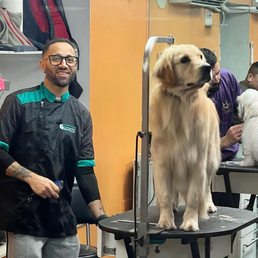
Look for groomers who specialize in cats, not just dogs. Cats have unique needs, and a specialist will know how to handle them gently and effectively. Ask about the groomer’s training and experience with different cat breeds and temperaments.
Visit the grooming salon before booking. Check if the environment is calm and clean. You want a place where your cat feels safe, not stressed by loud noises or rough handling.
Discuss your cat’s specific needs with the groomer. Mention any health issues, allergies, or behavioral quirks. A good groomer will tailor their approach to your cat’s comfort and safety.
Have you ever felt overwhelmed trying to groom your cat alone? Sometimes, trusting a professional can make all the difference—not just for your cat’s health but also for your peace of mind.
Frequently Asked Questions
How Often Should I Groom My Cat?
Groom your cat at least once a week to maintain healthy fur. Long-haired cats may need daily grooming to prevent mats. Regular grooming reduces shedding and hairballs. It also helps you spot skin issues early.
What Tools Do I Need For Cat Grooming?
Use a soft-bristle brush for short hair and a wide-tooth comb for long hair. Nail clippers and grooming wipes are essential. A deshedding tool helps reduce loose fur. Choose tools based on your cat’s coat type.
Can Grooming Reduce Cat Hairballs?
Yes, regular grooming removes loose fur and reduces hairballs. Brushing prevents fur ingestion during self-grooming. It also improves digestion by minimizing fur accumulation. Frequent grooming benefits cats prone to hairballs.
How Do I Make Grooming Stress-free For My Cat?
Start grooming slowly and use gentle strokes. Offer treats and praise to create positive associations. Choose a quiet, comfortable area free of distractions. Be patient and stop if your cat shows distress.
Conclusion
Proper cat grooming keeps your pet healthy and happy. Regular brushing removes loose fur and prevents mats. It also helps you spot skin problems early. Use gentle strokes and stay calm to make grooming pleasant. Trim nails carefully to avoid injury.
Clean ears and eyes to prevent infections. A clean cat feels comfortable and looks great. Grooming builds trust between you and your cat. Small daily efforts bring big benefits over time. Start slowly and be patient; your cat will appreciate it.

Leave a Reply